
On this page
Key takeaways
- Build respectful Kyoto goshuin days by district with Goshuin Atlas place records, access planning, and clear lastminute caveats.
Build respectful Kyoto goshuin days by district with Goshuin Atlas place records, access planning, and clear last-minute caveats.
Kyoto has enough temples and shrines to overwhelm a collector before the first visit begins. The practical answer is to plan by area, not by a “top 25” checklist. Choose a compact district in Goshuin Atlas and review its place records and access details. Leave space for worship, architecture, gardens, and unexpected closures.
Start with the linked Goshuin Atlas place records for stable visit context and collector guidance, including transit information. Open a shrine or temple's latest notice only for last-minute changes such as temporary office closures or seasonal issue limits and special-entry rules.
The places below are anchors for meaningful routes. Inclusion does not guarantee a special design or direct calligraphy on your date; a goshuin (御朱印) is issued under the rules of the temple or shrine, not as a citywide attraction ticket.
Carry a goshuincho and blotting paper. Also bring small cash unless another payment method is posted, and a rigid folder for kakioki (書き置き) sheets. Worship before visiting the office. Temple and shrine opening hours and paid garden entry hours may differ from goshuin service hours.
Kyoto City asks visitors to reduce congestion and respect residential neighborhoods. Use buses only when they make sense; rail and walking routes away from the busiest corridor can be more reliable. Early worship may be possible at some places, but never assume the goshuin office opens with the grounds.
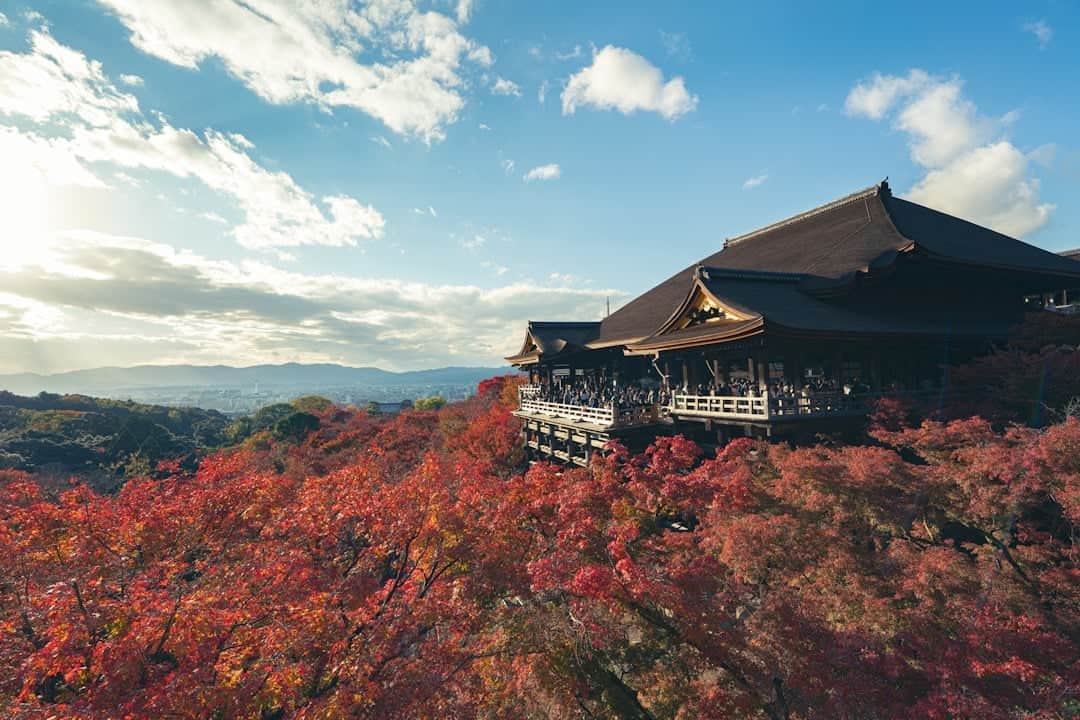
Kiyomizu-dera is a major Buddhist temple associated with Kannon. Its approach, gates, halls, and stage form a sequence that deserves more than a counter visit, and the Otowa waterfall adds further reason to allow extra time.
Arrive early and confirm current access routes because crowd controls and conservation work can change movement through the precinct, and special openings may do the same. Pray without clapping. If several goshuin are shown, select the one connected to the place you actually worshipped rather than ordering every option automatically.
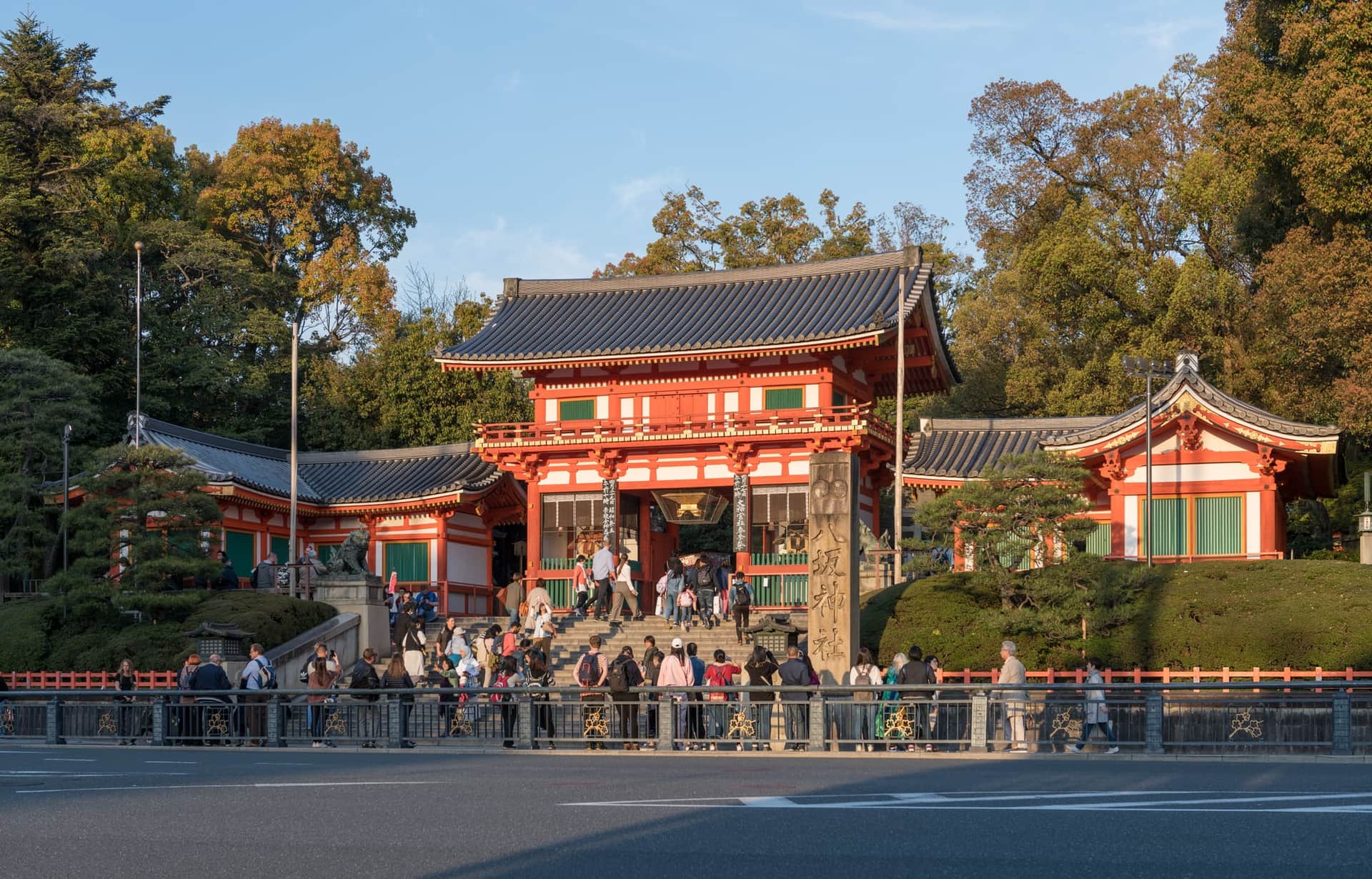
Yasaka Jinja anchors the Gion district and is closely connected with the Gion Matsuri. It is a Shinto shrine, so shift from temple etiquette to the shrine's worship sequence.
Festival periods transform access and crowds, and they also affect office operations. An event-related goshuin seen online may belong to a limited window; verify it through the shrine's announcement and accept the format offered that day.
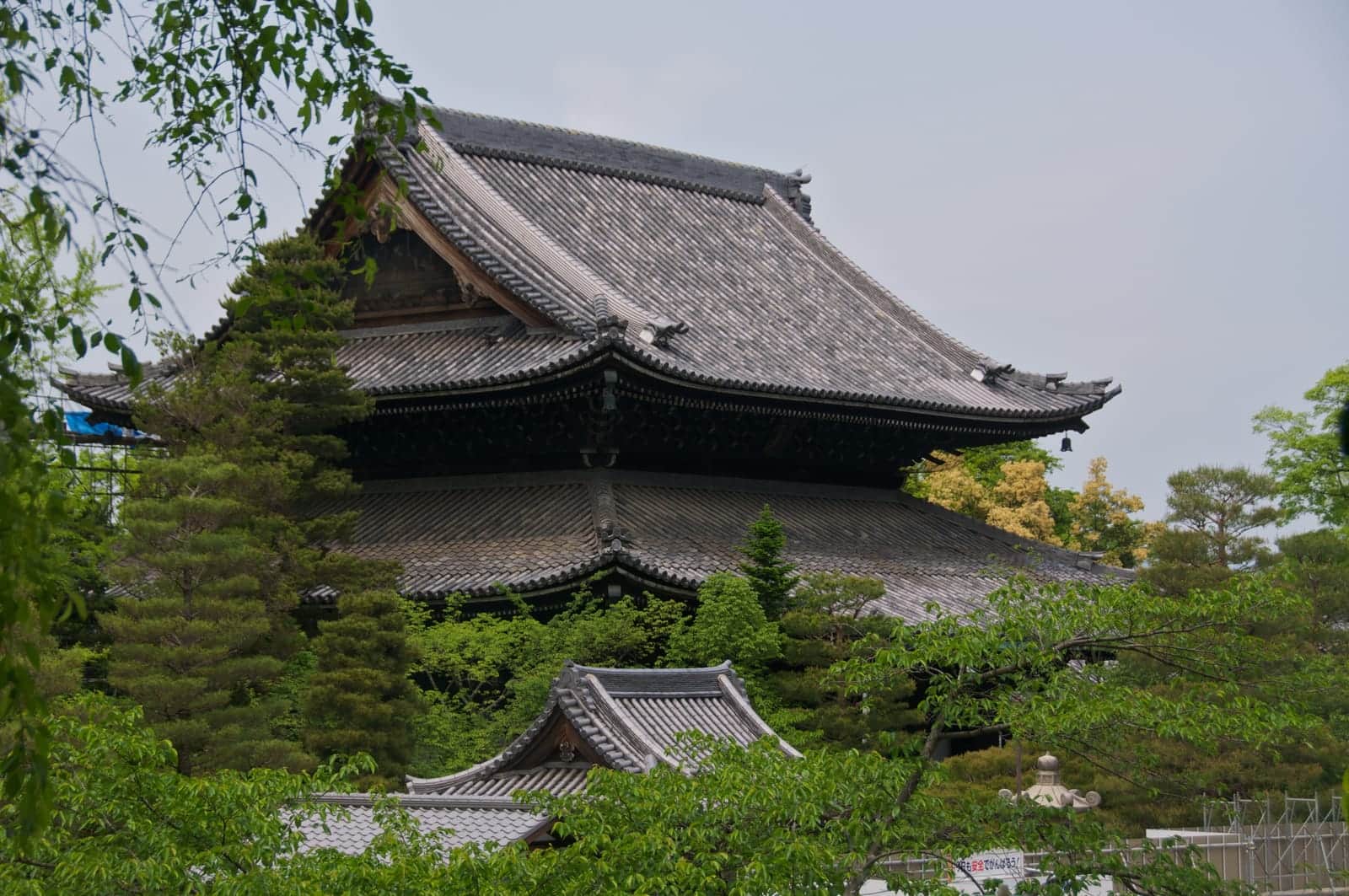
Chion-in is the head temple of the Jodo school, known for a monumental sanmon and a large precinct. Nearby Shoren-in offers a different scale and atmosphere. Treat them as separate institutions with separate admission areas and office rules, each with its own ceremonies.
This pairing works better than racing to distant northwestern Kyoto after lunch. Check walking gradients and accessible entrances, particularly when temple grounds climb the Higashiyama slope.
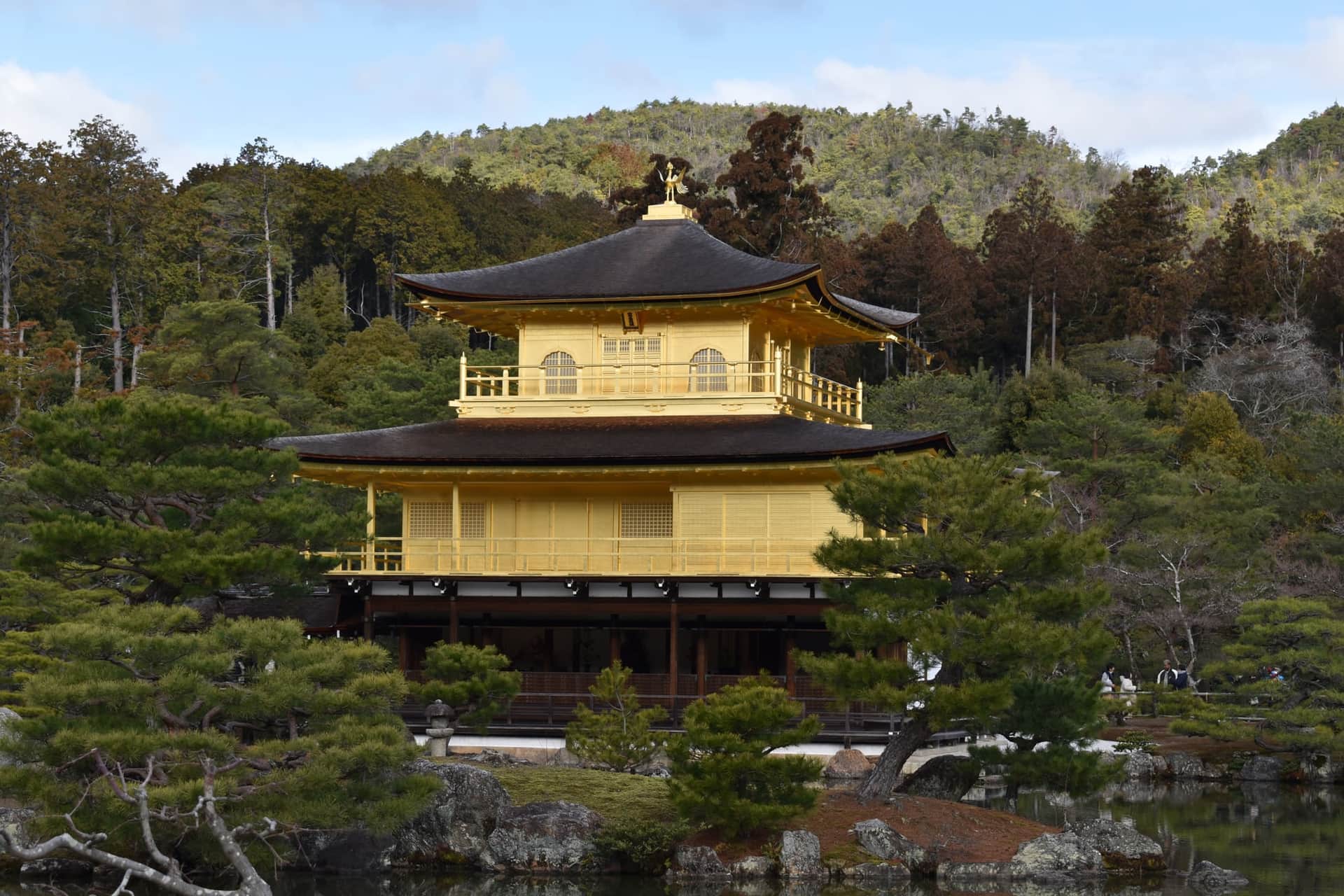
Kinkaku-ji, formally Rokuon-ji, is organized around a prescribed visitor route and the Golden Pavilion landscape. The famous building is not the goshuin office, and photography from the garden route should not interrupt movement.
Expect a controlled circulation path. The Kinkaku-ji record on Goshuin Atlas brings the access and collector context together; its goshuin calligraphy belongs to Rokuon-ji's worship context, not to the pavilion as a souvenir. Check the temple's latest notice only for short-notice route changes or admission and office changes.
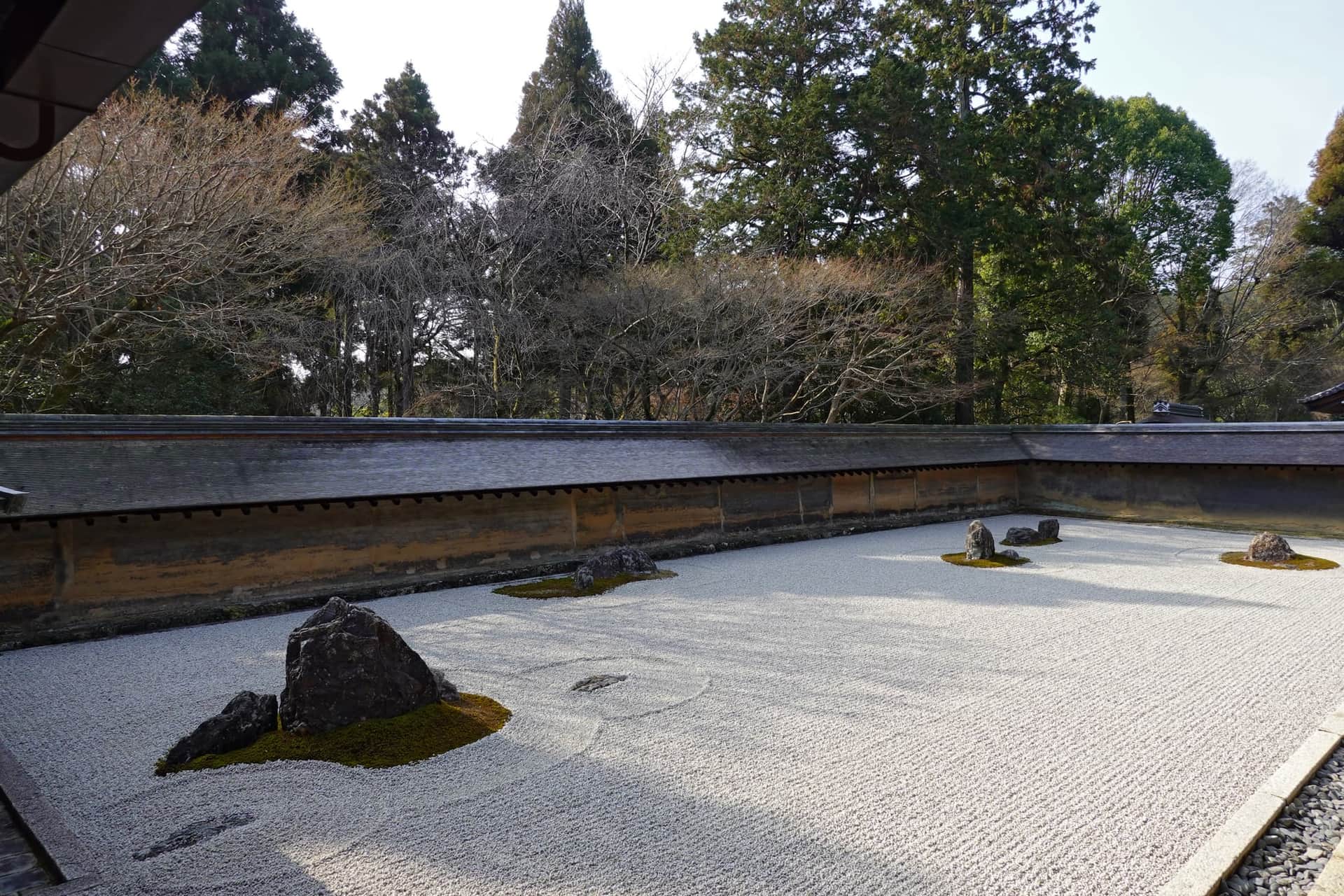
Ryoan-ji is a Myoshinji-school Zen temple known for its rock garden and pond landscape. Sit only where permitted and keep conversation low. Let other visitors view the garden without an extended photo setup.
The Ryoan-ji record on Goshuin Atlas consolidates the canonical temple identity and collector context, including access details, instead of sending you to an unrelated third-party domain. Use the linked temple notice only to confirm a same-day office change.
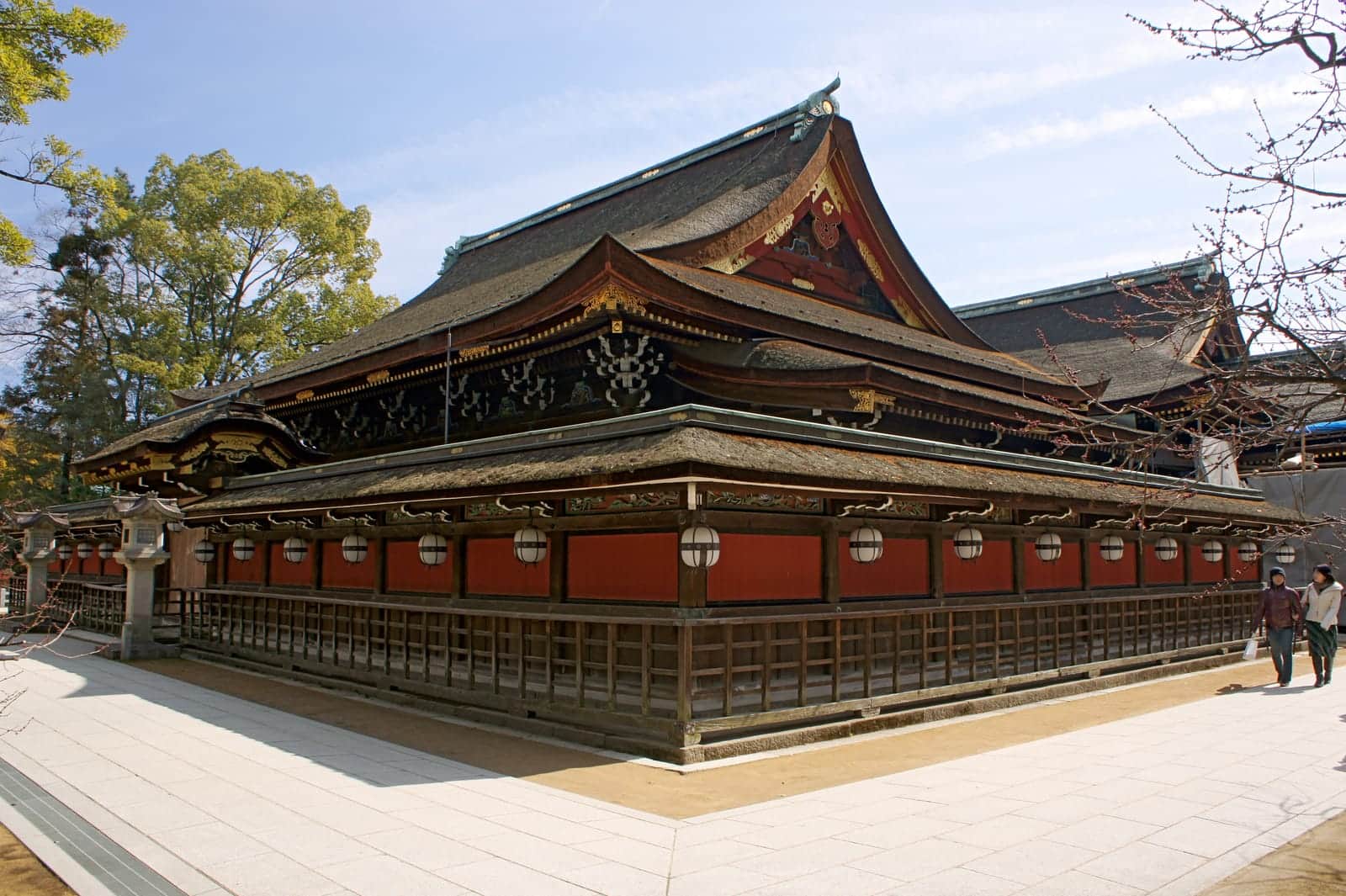
Kitano Tenmangu enshrines Sugawara no Michizane and is strongly associated with learning. Plum season, monthly markets, and examinations affect crowd patterns, and ceremonies do as well.
Do not reduce an academic prayer to a guaranteed result. Worship and read the shrine's guidance. Then check which goshuin or sacred items are currently issued.

Tenryu-ji is a major Rinzai Zen temple whose garden and buildings have their own entry flow. The nearby bamboo grove is not the temple itself, so confirm entrances and paid areas rather than following the largest crowd.
Arashiyama becomes congested quickly. Start with the temple if it is your priority, then continue through the district without treating every site as another goshuin stop.
Smaller Saga temples can offer a slower reading of halls and slopes as well as seasonal landscapes, but "quiet" is never guaranteed during autumn foliage. Official notices matter because small offices may close for ceremonies or operate with limited staff.
Use the Kyoto map on Goshuin Atlas to identify nearby alternatives and save the canonical place record before adding it to a route. Consult Kyoto's destination directory only when you need a last-mile municipal notice; this keeps duplicate or mislocated entries out of your Journey.
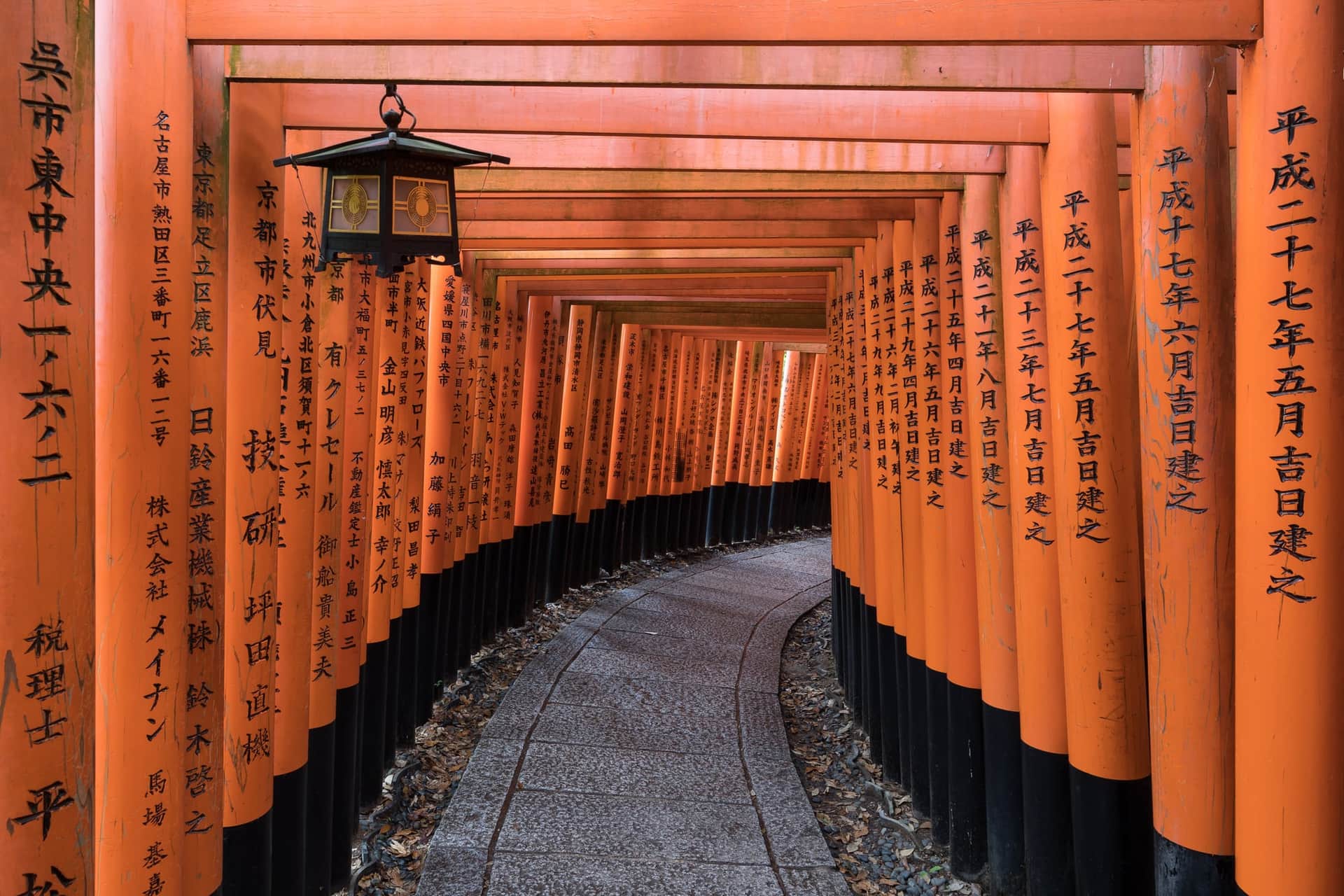
Fushimi Inari Taisha is a vast shrine centered on Inari worship and Mount Inari. The torii-lined mountain route is much larger than the area near the entrance.
Decide whether your goal is worship at the main precinct or a longer mountain circuit, or whether you intend both. The Fushimi Inari record on Goshuin Atlas provides the stable visit and access context. Because the mountain route has several worship and office points, confirm which goshuin belongs to where you worshipped rather than treating the designs as interchangeable. Use the shrine's latest notice only for same-day locations or hours. Fox imagery is connected with Inari messengers; avoid describing the fox itself as the enshrined deity.
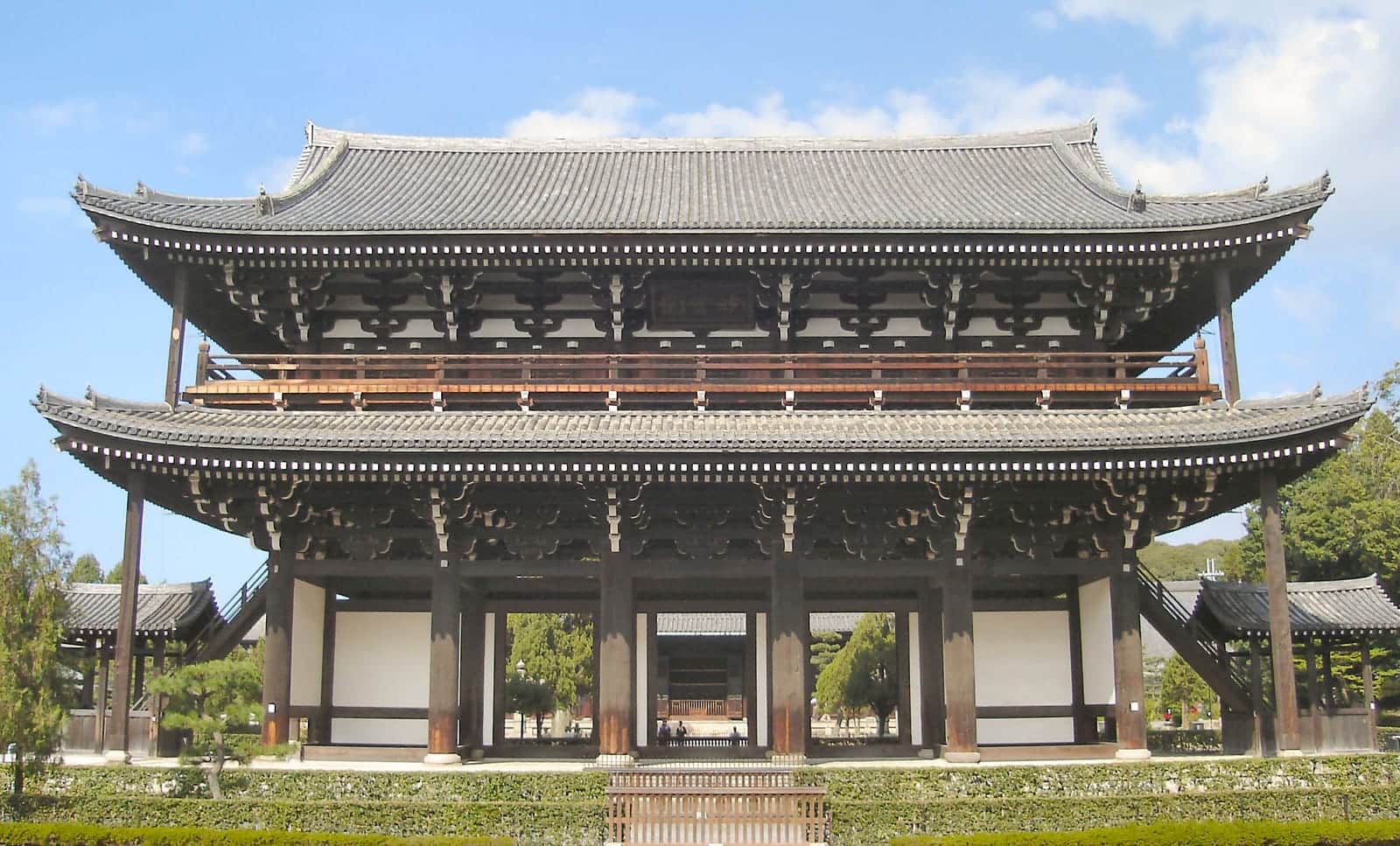
Tofuku-ji is a major Zen temple especially busy during autumn foliage. Paid garden areas and bridges have distinct routes and restrictions, and worship buildings do as well.
Seasonal popularity can change entry queues and photography rules. A collector should budget time for those conditions instead of treating the site as a quick addition after Fushimi Inari.
Higashi Hongan-ji, Nishi Hongan-ji, and To-ji can form practical arrival or departure-day visits alongside smaller central institutions, but they should not be presented as interchangeable. Each belongs to its own Buddhist history and local office practice.
The station area is useful when luggage has been stored and transit time is limited. Confirm closing times before setting out, and avoid entering a worship hall with large suitcases when a station locker or hotel service is available.
Begin at Kiyomizu-dera and descend through the Higashiyama streets. Continue from there toward Yasaka Jinja. Add Chion-in only if its current hours and your walking pace leave enough time.
This route includes a Buddhist temple and Shinto shrine. Keep the practices distinct: palms together without clapping at the temple; follow the shrine's posted bow-and-clap sequence at Yasaka Jinja. The Buddhist temple etiquette guide explains the transition.
Kinkaku-ji and Ryoan-ji can form a focused half-day, with Kitano Tenmangu added only after checking transport and office hours. Buses in this area can be delayed by traffic and crowding, so the timetable is not the entire journey.
Prioritize two complete visits over three rushed office arrivals. Gardens and precinct circulation make the real duration longer than a map pin suggests.
Visit Fushimi Inari early if you intend to walk beyond the main precinct. Pair it with Tofuku-ji only when seasonal queues and your chosen mountain distance make that realistic.
Do not promise yourself an empty torii photograph. Use designated viewpoints and avoid blocking the path. Let the landscape remain a place of worship.
Cherry blossom, autumn foliage, and festivals can coincide with limited goshuin, as can New Year and special openings, but designs and dates are controlled locally. A dated social post from a previous year is not confirmation for the current season.
Use the seasonal goshuin guide on Goshuin Atlas to understand kakioki and limits as well as suspensions. Check the institution's latest Japanese notice only to confirm what applies on your visit date.
Save canonical Goshuin Atlas place records rather than creating a second entry from an alternative English spelling. Group nearby sites into a Journey and use each record for planning. Consult its linked official notice only for time-sensitive changes, and record what you actually received after leaving the counter.
The map helps reveal nearby alternatives when a famous corridor is overloaded. It should support a respectful visit, not turn sacred places into a speed-collection scorecard.
Kyoto's major sacred sites belong to very different moments. Fushimi Inari Taisha dates the enshrinement of Inari Okami on the mountain to 711. Kiyomizu-dera traces its founding to 778. At Kinkaku-ji, Ashikaga Yoshimitsu began building the Kitayama residence and Golden Pavilion complex in 1397. Those dates help explain why one day can move between ancient pilgrimage terrain and long-lived temple traditions as well as a later shogunal landscape.
Treat this chronology as orientation rather than a hierarchy. Each site has its own living worship and rules, along with its own pace.
Start with the Kyoto map in Goshuin Atlas and save the canonical record for each temple or shrine. The map makes the distance between eastern and northern Kyoto visible, and it does the same for western and southern Kyoto, before an optimistic list becomes an exhausting day.
Use the map to keep one day inside a coherent part of Kyoto.
Compare nearby records in Discover and open each institution's official link. Then move the final group into Journey. Record the goshuin you actually receive after the visit. That keeps the physical encounter central while giving you a searchable route and collection history.
Discover nearby alternatives without inventing duplicate place entries.
Goshuin guides follow our cultural accuracy and source-review standards. Editorial standards
Reviewed by David Dias on July 30, 2026
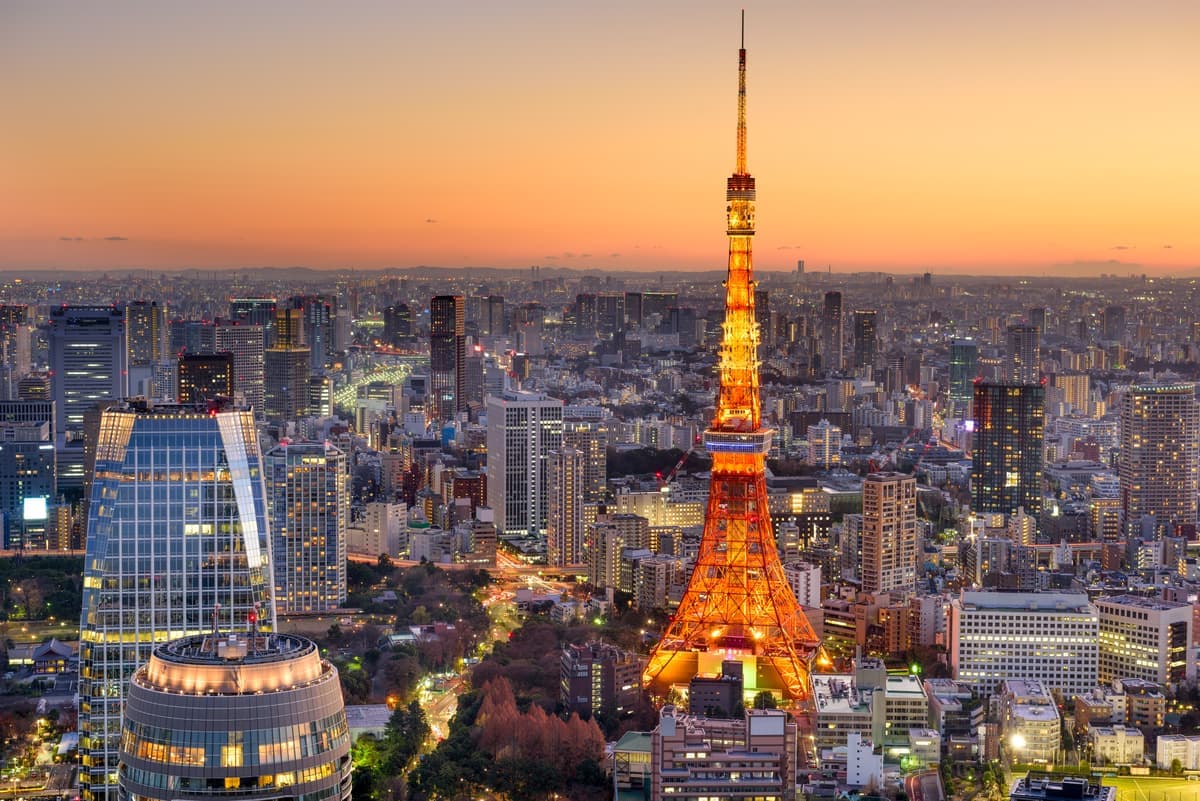
Plan respectful Tokyo goshuin routes through Asakusa, Harajuku, Setagaya, Shiba, Kanda, and Bunkyo with official verification guidance.
Choose a goshuin book, find where to buy one in Japan, and learn how to present it at temples and shrines, carry loose sheets, and protect fresh ink.
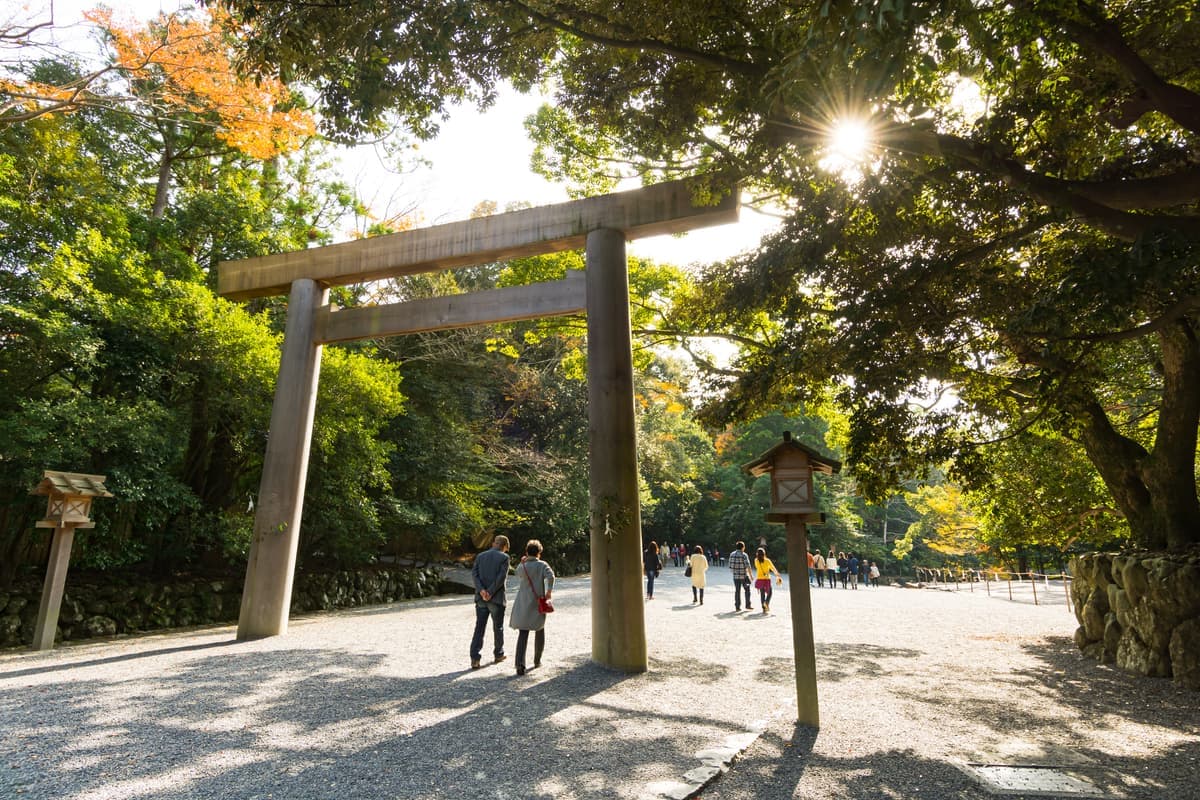
Use the official 2026 holiday calendar to plan shrine, temple, transport, accessibility, and goshuin visits during Golden Week crowds.