Cash, Cards, and Payments at Japanese Shrines and Temples
Cash, Cards, and Payments at Japanese Shrines and Temples
How offerings, admission, goshuin, sacred-item counters, parking, and cashless acceptance differ within one visit.
AmenityDavid Dias5 min read
On this page
Key takeaways
How offerings, admission, goshuin, sacreditem counters, parking, and cashless acceptance differ within one visit.
Visitors may encounter several kinds of payment during one sacredsite visit: an admission ticket; a voluntary monetary offering; a goshuin fee; a sacreditem counter; a museum shop; parking; and food.
Cashless payment is growing across Japan, but a rural temple office or unattended offering box may still be cash only. Temporary festival counters are also frequently cash only.
Cash, Cards, and Payments at Japanese Shrines and Temples
Visitors may encounter several kinds of payment during one sacred-site visit: an admission ticket; a voluntary monetary offering; a goshuin fee; a sacred-item counter; a museum shop; parking; and food. They do not necessarily use the same payment methods. Carry some yen even when the main ticket office accepts cards.
Cashless payment is growing across Japan, but a rural temple office or unattended offering box may still be cash only. Temporary festival counters are also frequently cash only.
Distinguish an offering from a purchase
An osaisen (お賽銭) is a monetary offering placed in an offertory box before prayer. It is voluntary and is not a price for divine favor. Use a coin or note you can place calmly without holding up the worship line. There is no nationally required denomination.
Admission is different. A garden, treasure hall, or museum may charge a posted fee. A special viewing may also charge a posted fee. Pay at the ticket counter even if the outer precinct is free. A donation requested for a special opening can have its own procedure.
JNTO advises that some locations, particularly rural or smaller facilities, still require cash. Withdraw money before traveling to a remote site and keep a mix of coins and small notes. An on-site ATM is unusual unless the precinct sits beside a commercial district.
Do not expect staff to change a large note solely for an offering. Ticket and shop counters may be able to make change during their business hours, but an unattended box cannot. Prepare before joining the line.
Counter fees can change. Use the price posted by the institution on the day rather than an old blog post or screenshot. Social posts are equally unreliable as a price reference. If a counter displays accepted card or electronic-money logos, those apply to that counter and not automatically to every service in the precinct.
Understand goshuin and sacred-item counters
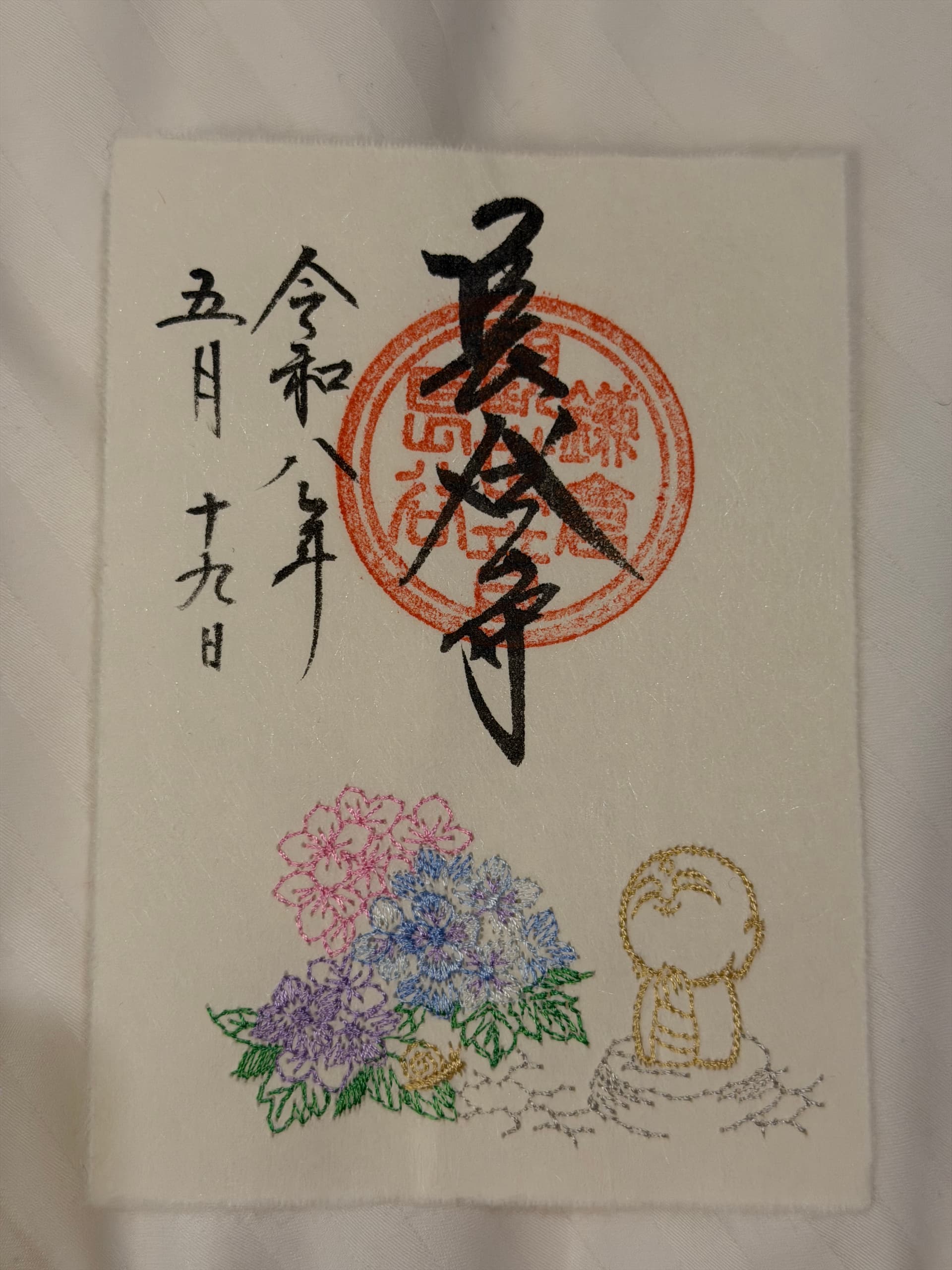
A goshuin is received after worship and normally has a stated hatsuhoryō or offering amount. It is not a souvenir stamp purchased by pressing a machine. Present your book as directed and pay with the method the counter lists. Accept a paper version when direct writing is unavailable.
Items such as omamori and ofuda, along with ema and omikuji, are distributed through a religious institution rather than treated exactly like ordinary retail goods. English often calls the amount a price, but official Japanese language may frame it as an offering. Follow the counter’s terminology and handling guidance.
Know what cashless logos do and do not promise
Credit cards and contactless cards are increasingly common. Transit IC cards and QR payments are also increasingly accepted. JNTO notes that overseas cards work at affiliated merchants, but it also recommends cash as a backup because acceptance and errors vary.
Look for the exact logo of your card or payment method. “Cashless accepted” does not mean every foreign phone wallet will work. Some Japanese QR systems require a domestic account, and a terminal can be offline.
Keep an alternate method ready before the staff begins the transaction. If payment fails, move aside when possible and avoid repeatedly testing several devices while a worship or goshuin queue grows.
Treat parking, food, and special events separately
Parking machines may require coins or notes. Some machines accept only a specific cashless method. Temple-operated parking can differ from an adjacent private lot. Confirm closing time because a precinct that stays open does not guarantee that its vehicle gate does.
Festival stalls and temporary exhibitions can have payment rules unlike the main institution. Tea houses and seasonal counters may also operate under different payment rules. Bring cash in small denominations and keep it secure in crowds. Never place food money in an offertory box or an offering in a retail tray unless directed.
The visitor facilities guide explains why operating hours and service ownership should be checked independently.
A payment plan that avoids awkward moments
Before leaving the station or city center:
Carry enough yen for admission, transport, an optional offering, and the services you intend to request.
Keep small notes and coins separate from emergency cash.
Check the official site for current admission and counter information.
Look for accepted-payment logos at each counter.
Treat prices found on travel blogs as planning estimates only.
Do not let a payment problem interrupt prayer or block a line.
Money at a sacred site supports several different activities, from maintaining a cultural property to distributing sacred items. Paying attentively begins with knowing which exchange you are making.
Goshuin Atlas payment amenities can help identify places that report card or electronic-payment support, but the logo at the specific counter remains the final check.