Temples and Shrines in Wakayama Prefecture, Japan - Goshuin
Wakayama Prefecture
6 temples · 8 shrines
Wakayama Prefecture is in the Kansai region on the southern coast of Japan’s Honshu island. It is known for Mount Koya, a major Buddhist site, the Kumano Kodo pilgrimage routes, and its long Pacific coastline with forested mountains and hot spring areas.
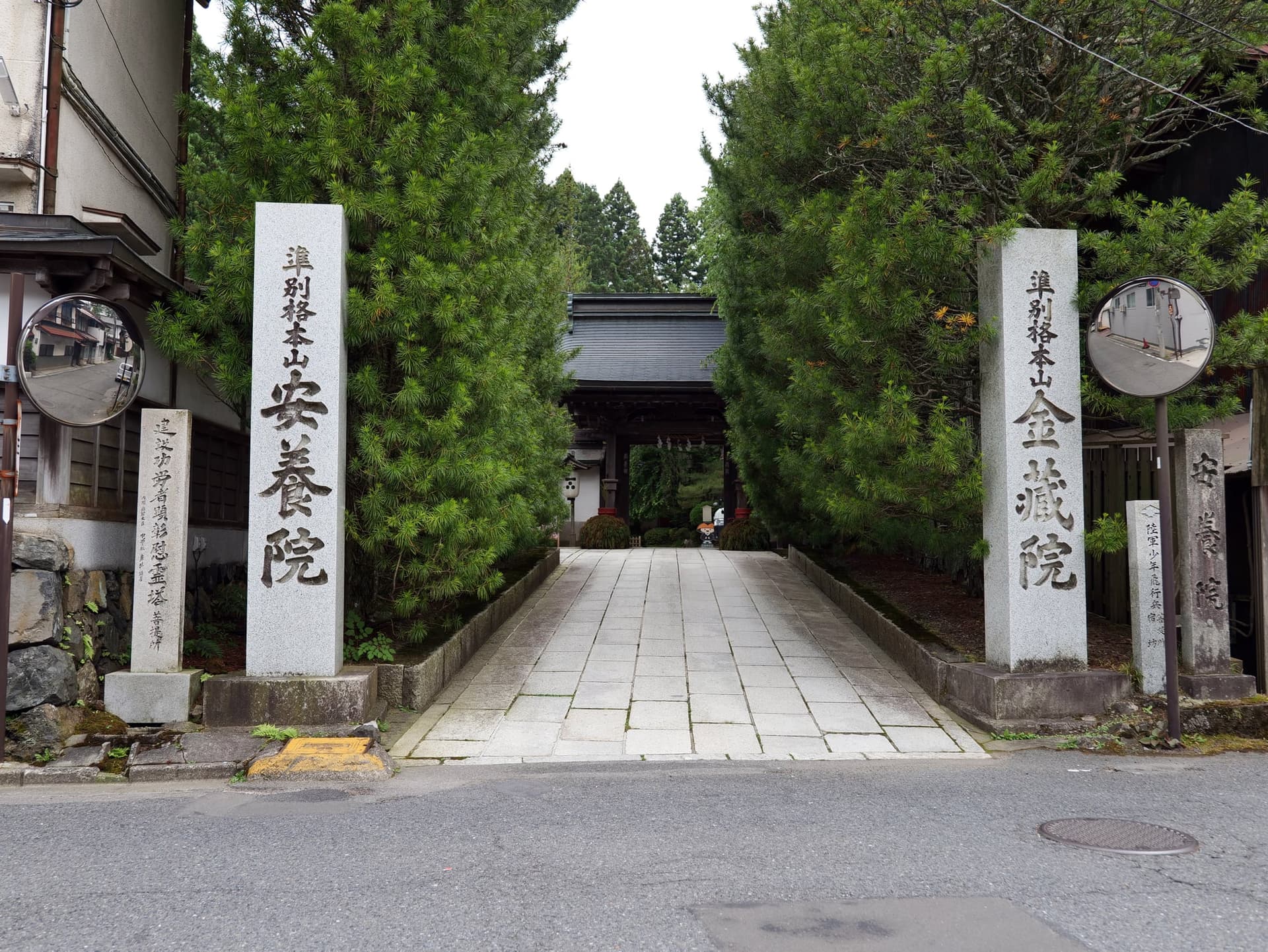
Ekoin is a Buddhist temple in Koyasan, Wakayama, known as a pilgrims’ lodging temple. Located near the heart of Mount Koya, it offers a traditional templestay atmosphere and serves visitors seeking an overnight experience in a historic sacred setting.
A Shinto shrine on Mt. Tengu in Otaru, Hokkaido, near the ropeway summit. It is a small mountaintop shrine linked to Sarutahiko worship and a scenic stop for visitors enjoying panoramic views over Otaru Port and Ishikari Bay.
Why you should go
Locate and rub the nose of the Tengu statue (called 'Hanade Tengu-san') near the shrine, as this is a popular wish-granting ritual specific to this location.
Arrive at the shrine via the ropeway early in the morning or on weekdays to experience the mountaintop shrine in relative solitude, as most visitors come for the daytime views and night scenery rather than the spiritual site itself.
Take photos of the illuminated torii gates and shrine approach at night, as the lighting creates a notably different and more atmospheric scene than daytime visits.
Head temple of Koyasan Shingon Buddhism, founded in 816 by Kobo Daishi. Features Japan's largest rock garden, Banryutei, and stunning fusuma paintings. The temple serves as the administrative center of over 3,600 Shingon temples nationwide.
Address: 132 Kōyasan, Koya, Ito District, Wakayama 648-0211, JapanWebsitePhone: +81
Awashima Shrine in Wakayama’s Kada district is a coastal Shinto shrine known for its ties to healing, safe childbirth, and women’s prayers. Its seaside setting and long local devotion make it a distinctive worship site on the Kii coast.
Why you should go
Visit on a weekday morning to experience the shrine's peaceful coastal setting without the weekend crowds that gather at this popular women's prayer site.
If you're visiting to pray for childbirth, safe pregnancy, or women's health matters, know that this shrine has served these specific purposes for centuries and staff are accustomed to these requests.
Bring comfortable shoes suitable for uneven ground since the shrine sits directly on the Kii coast with a seaside setting that may include stone pathways or gravel areas typical of older coastal shrines.
Negoroji is a Shingi Shingon Buddhist temple in Iwade, Wakayama, nestled in the Katsuragi Mountains. Founded by priest Kakuban around 1130, it houses Japan's largest Tahōtō pagoda (40m, built 1547), a National Treasure. Designated a National Historic Site in...
Why you should go
At its peak, Negoro-ji was a military powerhouse with 10,000 warrior monks armed with matchlock rifles, controlling wealth equivalent to a major feudal lord with 720,000 koku of rice production.
Negoro-ji was founded around 1130 by the priest Kakuban and became a major temple of the Shingi Shingon sect.
The 40-meter Great Pagoda was completed in 1547 and is designated a National Treasure of Japan.
A Shinto shrine in Wakayama City dedicated to Sugawara no Michizane, the deity of academic success. Founded in the 10th century and rebuilt in 1606 by warlord Asano Yoshinaga, it sits atop a stone stairway offering panoramic views of Wakanoura Bay.
Why you should go
Arrive early in the morning before 9 AM to explore the shrine grounds and enjoy the views of Wakanoura Bay without competing with the afternoon visitor flow, and note that prayer services run from 9 AM to 4 PM if you want to participate.
Plan to visit during New Year's (January 1-3) if you want to experience the Saitan-sai festival and see the shrine at its most lively, but expect significant crowds during these peak days.
From JR Wakayama Station or Nankai Wakayamashi Station, take the bus to the 'Gongen-mae' stop for a 3-minute walk to the shrine, or get off at 'Wakaura-guchi' for a 17-minute walk if you prefer a longer approach to appreciate the surrounding area.
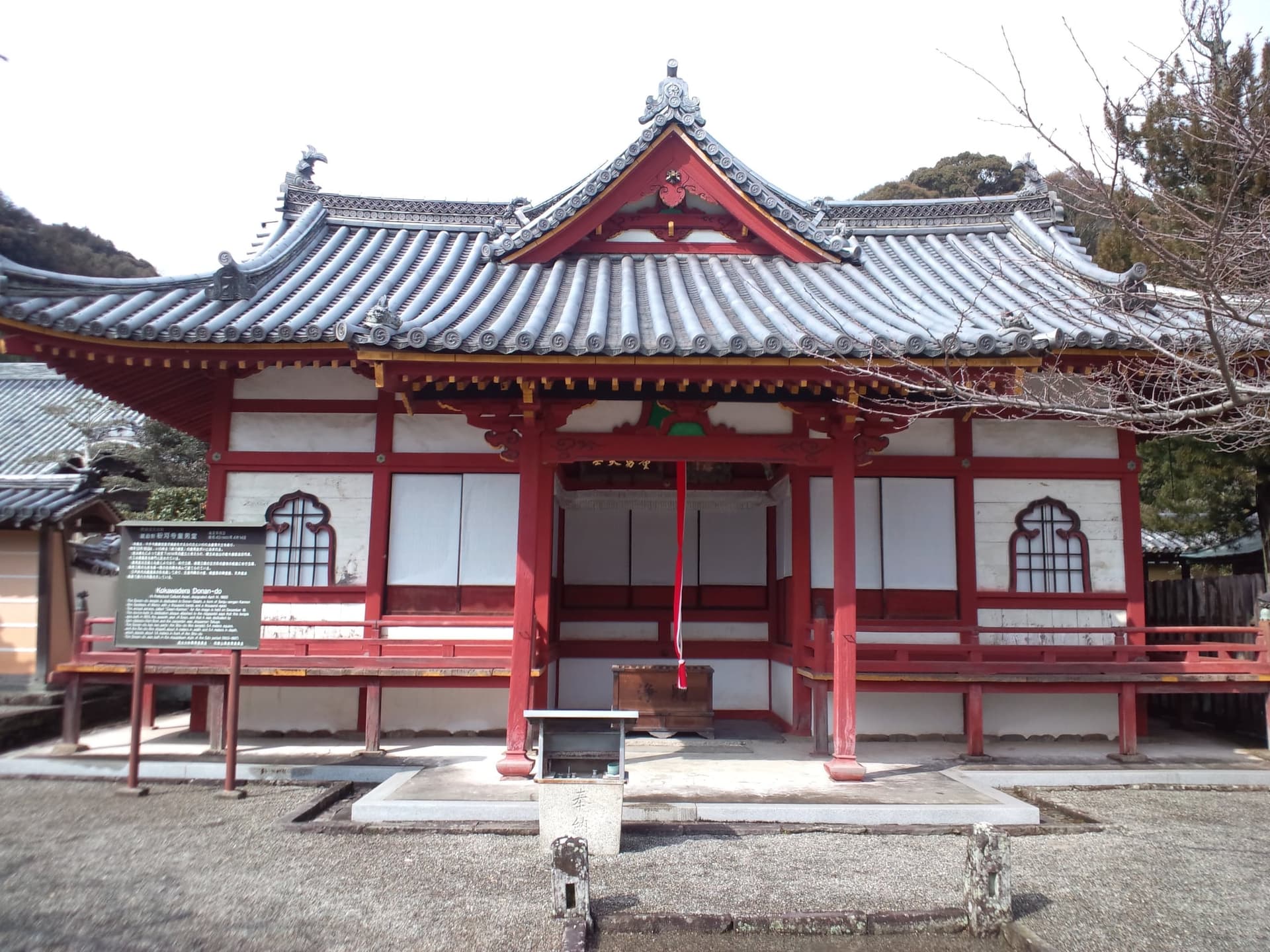
Kokawadera is a Buddhist temple in Kinokawa, Wakayama Prefecture, temple No. 3 of the Saigoku 33 Kannon Pilgrimage, traditionally founded in 770 by the monk Ikō.
Itakiso is a historic Shinto shrine in Wakayama City, dedicated to Isotakeru, the god of forests and forestry. It is one of Kii Province’s claimed ichinomiya and is known for its long history, wooded setting, and annual festival on October 15.
Why you should go
Park in the shrine's free lot which accommodates 30 cars, but note that it fills quickly during the annual festival on October 15.
Arrive by 9 AM on a weekday to experience the shrine's peaceful wooded grounds without other visitors. The shrine opens at 9:00 AM and closes at 5:00 PM, but the best window for solitude is right when it opens, especially Tuesday through Thursday.
Visit the small shrine dedicated to the water deity and the well with clean water accessible via the path between the trees. You can draw water using the provided ladle, and locals believe this 'water of life' has flowed from the same source since ancient times.