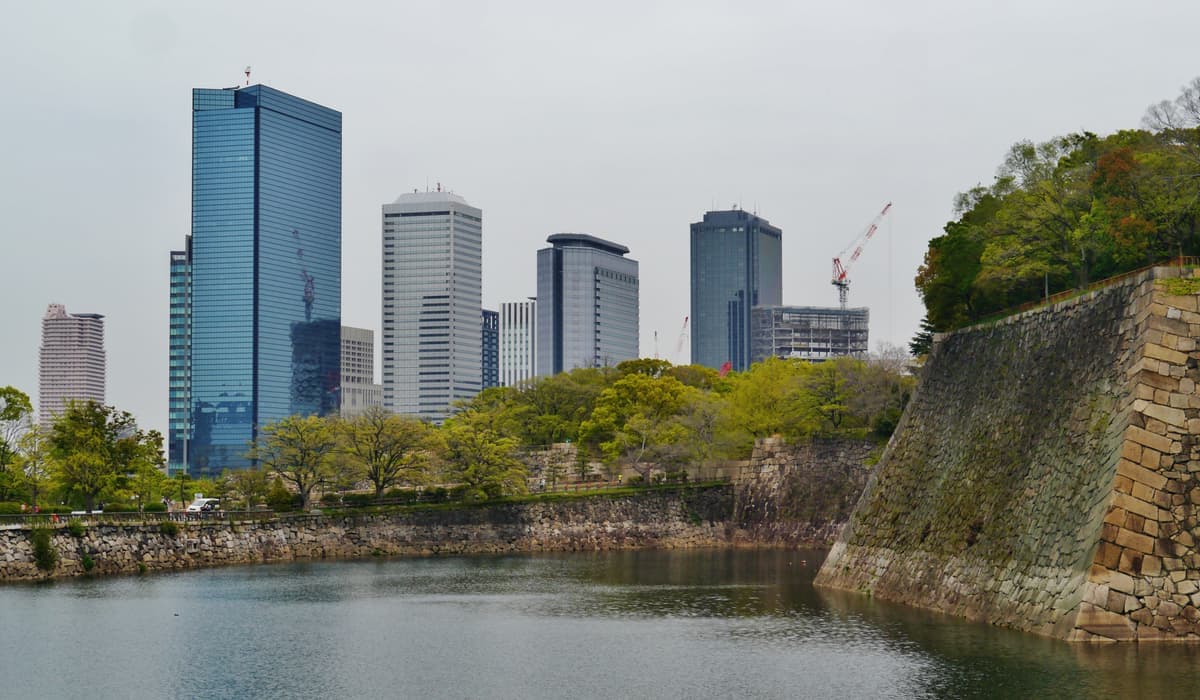
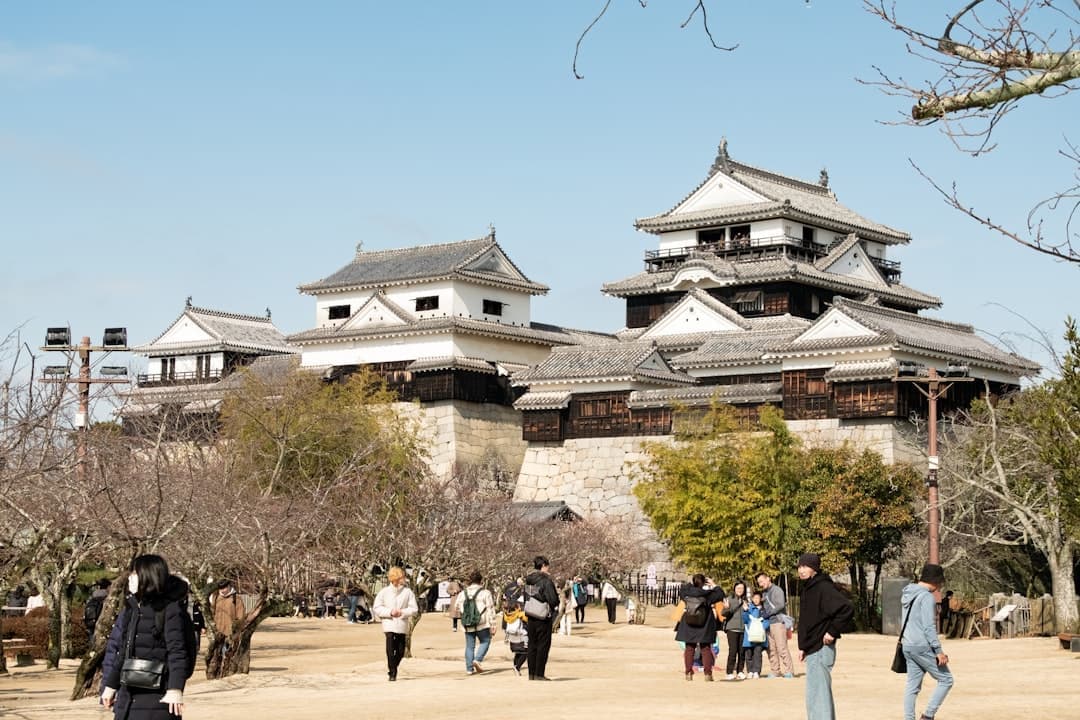
Osaka Prefecture, in the Kansai region of western Japan, is a major center of commerce and urban life. It is known for Osaka City, Osaka Castle, and the food culture of the Namba and Dotonbori areas, as well as historic temples and shrines throughout the prefecture.
Katsuōji (勝尾寺), officially Ochosan Katsuōji (応頂山 勝尾寺), is a Buddhist temple in Minoh, Osaka Prefecture. It belongs to the Kōyasan Shingonshū and its main image is Senjū Jūichimen Kannon Bosatsu. The temple is known as the 23rd stop on the Saigoku Kannon...
Aritoshi Shrine is a Shinto shrine in Nagataki, Izumisano, Osaka. It is one of several shrines bearing the name 蟻通神社; this record corresponds to the shrine identified by Google at 814 Nagataki. Its official website provides further information.
Why you should go
Bring a small notebook or use your phone's notes app to jot down any questions about the shrine's specific kami or history. The staff can provide more detailed information if you show genuine interest rather than just passing through.
Visit on a weekday morning if possible, as this smaller shrine in Nagataki tends to be quieter than major urban shrines. You'll have more space to move through the grounds and can observe the shrine's atmosphere without the weekend visitor flow.
Check the official website before visiting since there are multiple shrines with the same name across Osaka, Wakayama, and Nara. Make sure you have the correct address (814 Nagataki, Izumisano, Osaka) to avoid traveling to the wrong location.
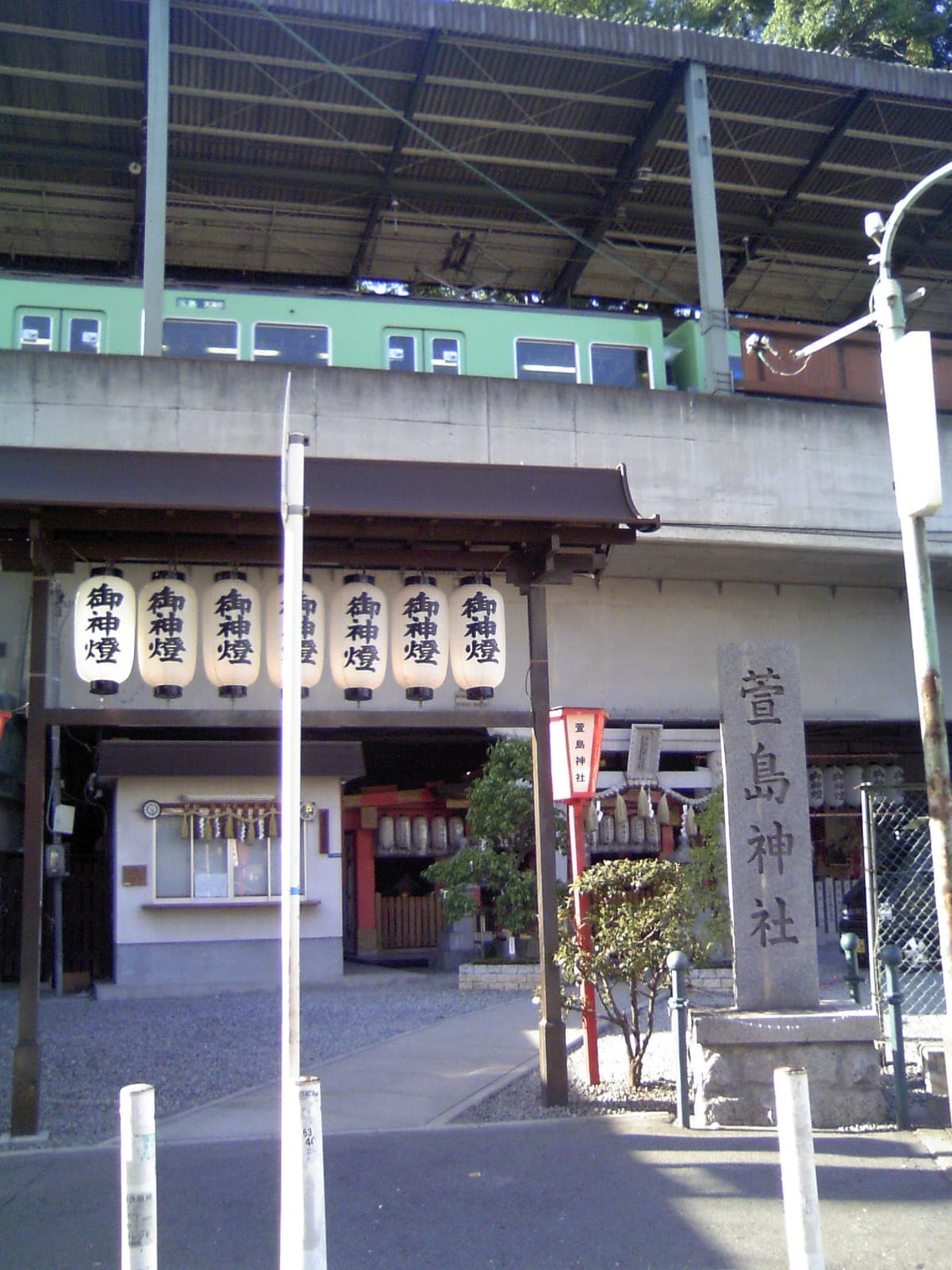
Kayashima Jinja is a small Shinto shrine beside Kayashima Station in Neyagawa, Osaka. It is famed for the giant camphor tree growing through the station’s elevated platform, creating a remarkable blend of railway engineering and sacred landscape. The shrine...
Address: 21-5 Kayashima Honmachi, Neyagawa, Osaka, Japan
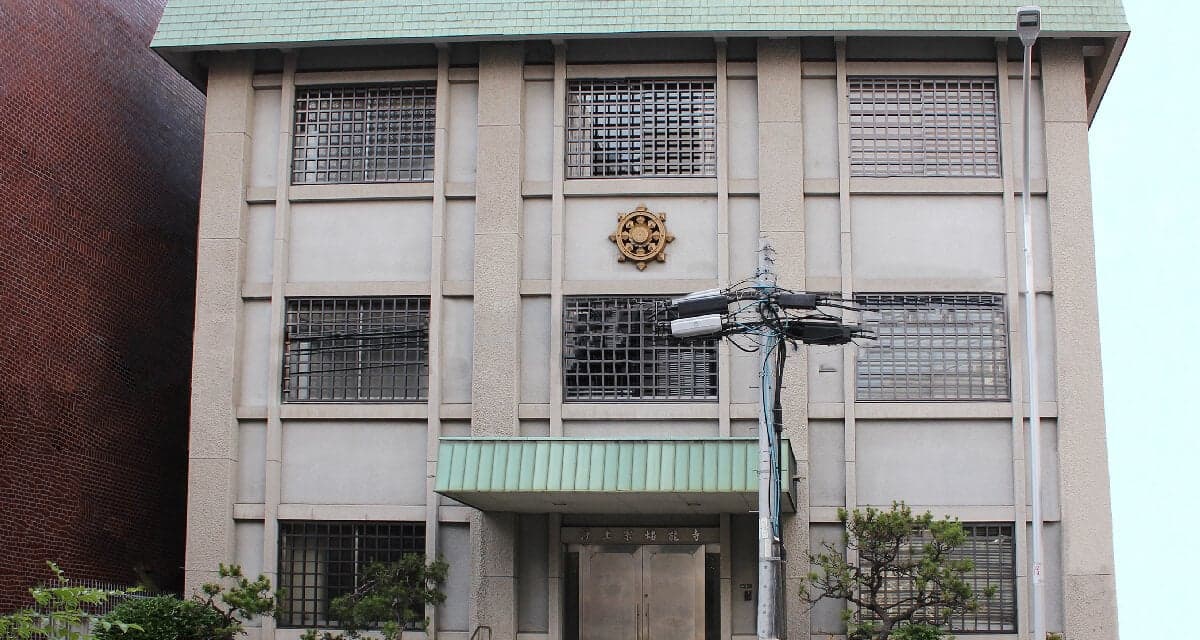
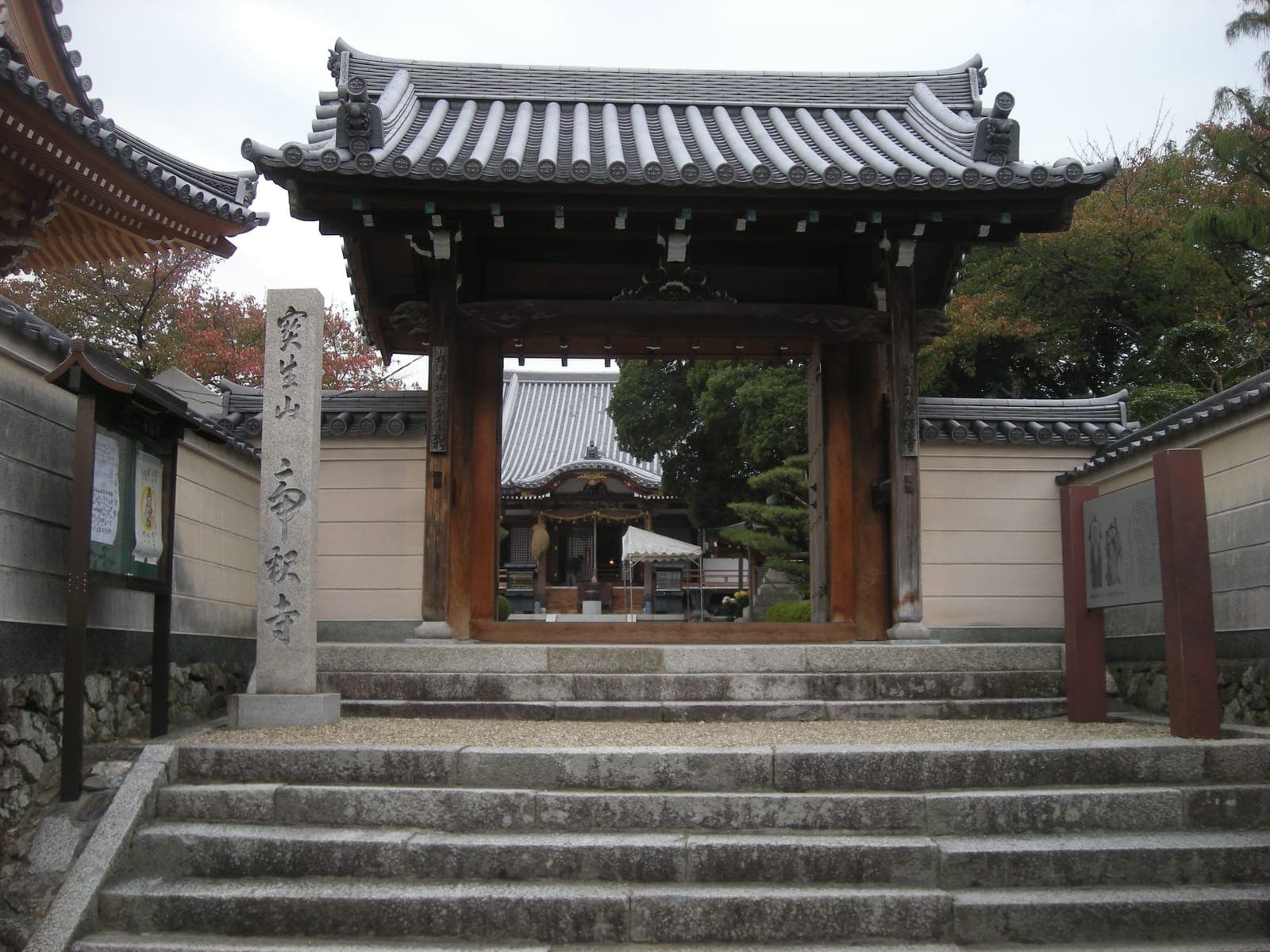
Taishakuji (帝釈寺) is a Buddhist temple in Osaka Prefecture, Japan. OpenStreetMap records the site at 34.8418415, 135.5030211 and confirms its Japanese name and temple classification. The available material does not verify its history, buildings, principal...
Why you should go
Bring small bills and coins if you plan to make offerings or purchase any items at the temple, as rural Buddhist temples may not always have card payment systems available.
Visit during weekday mornings if possible to experience the temple in a quieter state, allowing you to observe any daily practices or rituals without the distraction of weekend crowds.
Before visiting, contact the temple directly or check their official website for current visiting hours and any seasonal closures, as the available sources do not confirm regular operating hours or access policies.
A small shrine within Shikitsuhiko Shrine grounds dedicated to Okuninushi, the Shinto deity of nationbuilding and relationships. Located in Naniwa Ward, this intimate shrine offers a peaceful space for prayer and reflection.
Why you should go
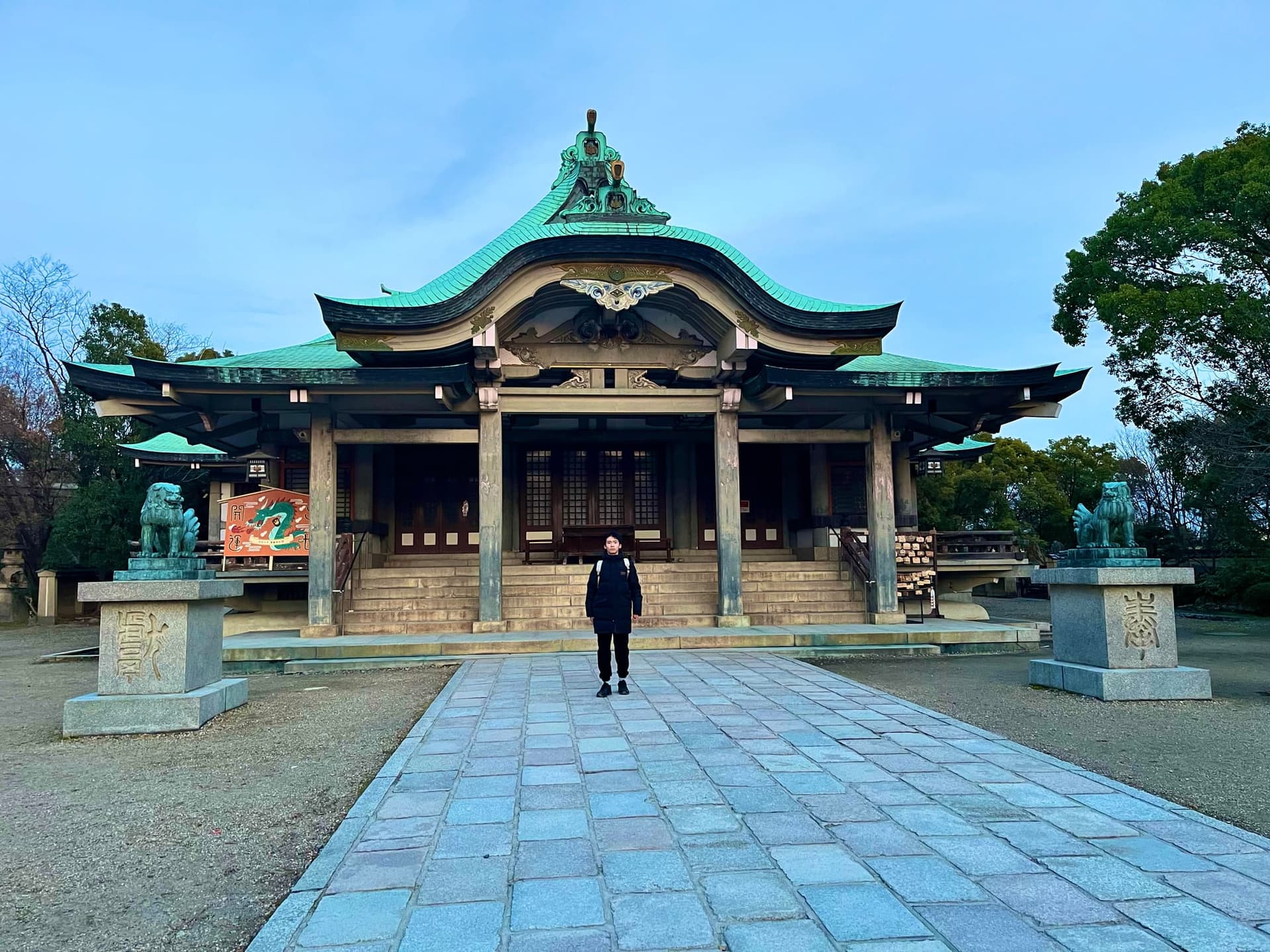
Sharing in the good fortune of the Toyotomi clan, Hokoku Shrine offers a charm of success to visitors coming to pray for ‘good luck and prosperity’
Pair your visit with Shikitsuhiko Shrine, since Hokoku is a small shrine inside its grounds rather than a standalone large complex.
Pray here if you're seeking blessings for relationships or matchmaking, as Hokoku enshrines Okuninushi, a deity linked to ties between people.
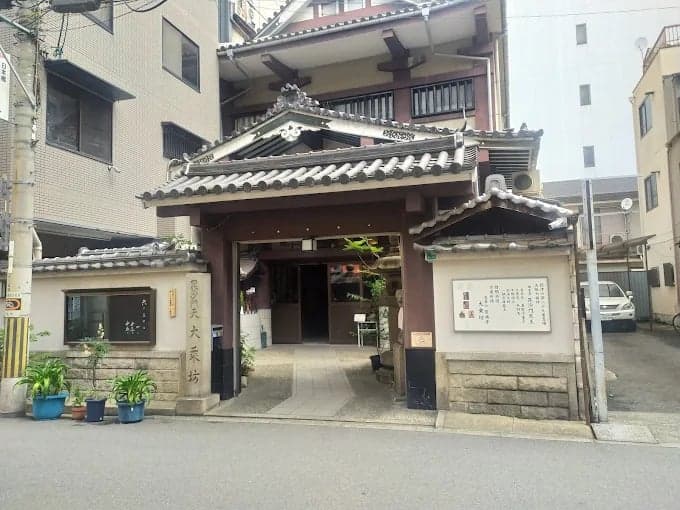
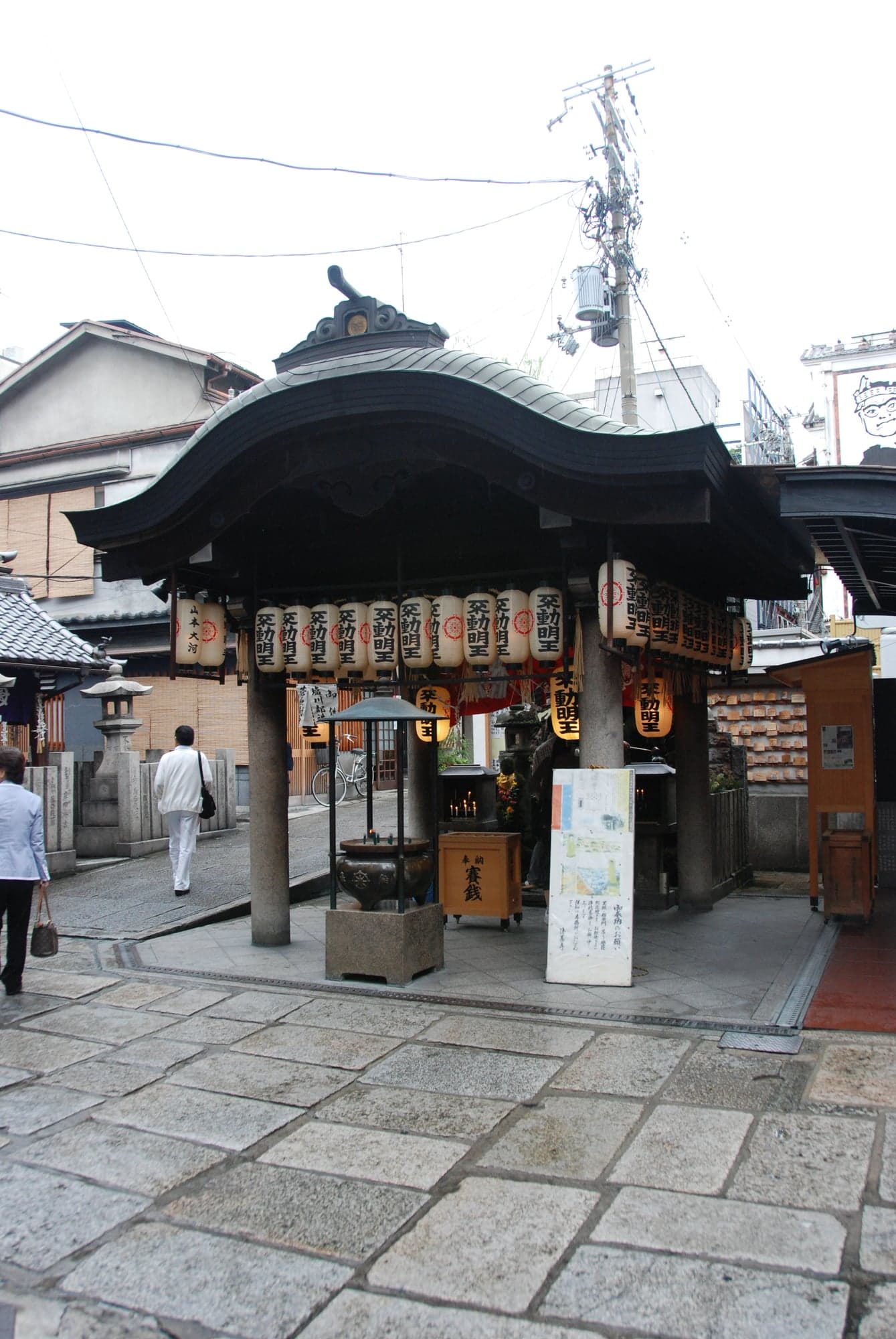
A small Jōdoshū temple in the heart of Namba, Osaka, famed for the mosscovered Mizukake Fudō statue that worshippers splash with water. The lanternlined Hōzenji Yokochō lane runs beside it, and the grounds welcome worshippers around the clock.
Why you should go
The temple grounds are open 24 hours, so you can visit early morning or late at night for a quieter stop.
The temple grounds are accessible around the clock, making Hozenji a rare urban temple space available 24 hours a day.
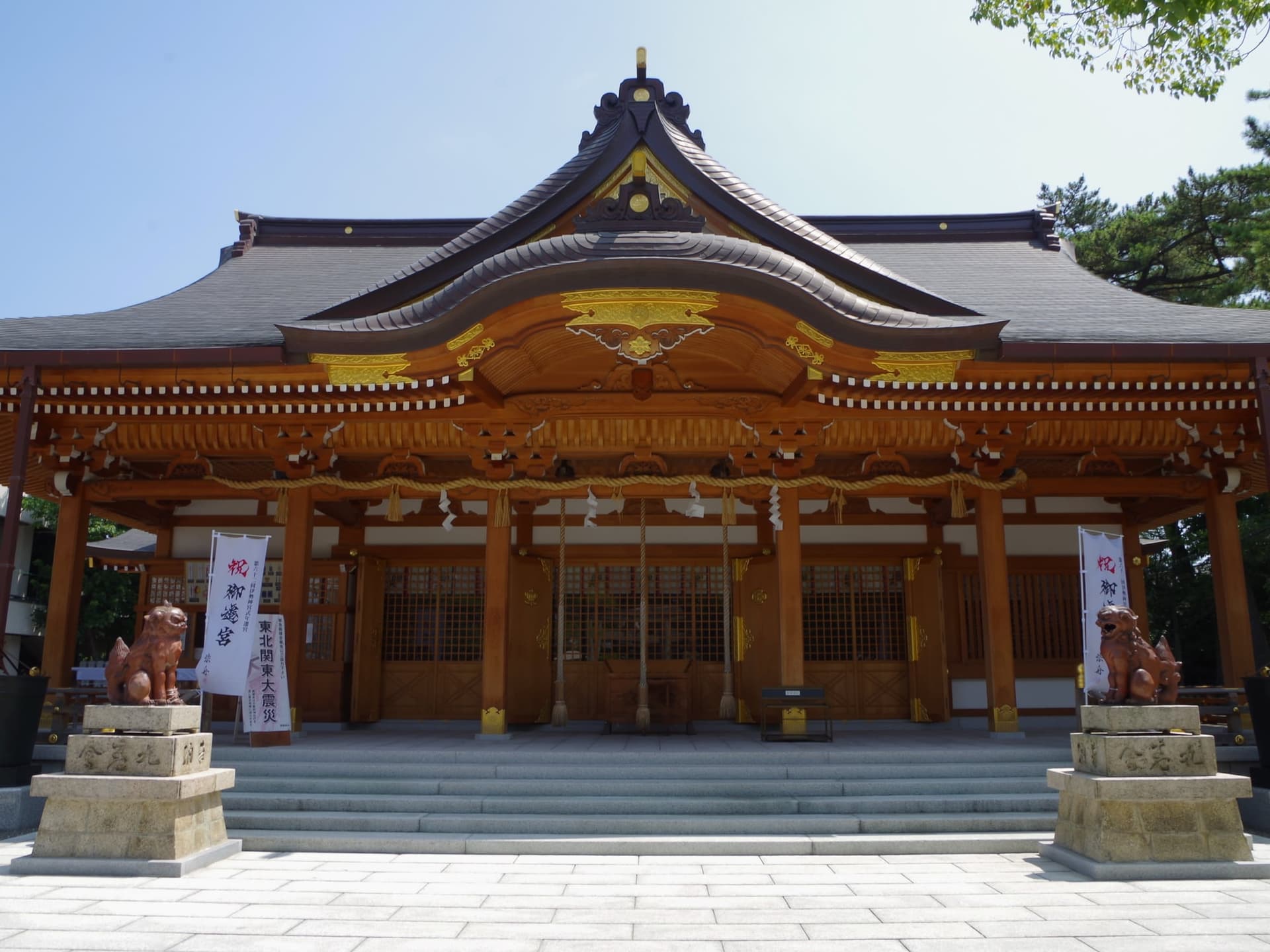
Located in Kishiwada, Osaka, Kishiwadatenjingu is a Shinto shrine with more than 660 years of tradition and heritage. It welcomes worshippers for prayers, seasonal rites, ShichiGoSan, weddings, and other ceremonies, and is closely connected with the city’s...
Why you should go
The shrine sits in central Kishiwada at 別所町1丁目13-15 and is closely tied to the city's identity, so ask locals or your accommodation host for directions rather than relying solely on GPS, as the area has narrow streets typical of older Japanese neighborhoods. The shrine's official website includes a map (地図) if you want to review the location before arriving.
Call ahead at 072-436-1188 before visiting if you want a prayer ritual (祈祷) performed, as the shrine accepts these requests during their reception hours of 8:30 AM to 4:30 PM but prefers advance notice.
Plan your visit around the Kishiwada Danjiri Festival in September and October if you want to experience the shrine's deepest cultural connection, but know that the surrounding city will be packed with festival crowds and parade floats.