Kyoto Prefecture is in the Kansai region of western Japan and is known for its long history as a center of Japanese culture. It includes Kyoto City, former imperial sites, many temples and shrines, and scenic areas such as the Tango coast and the rural mountains of the north.
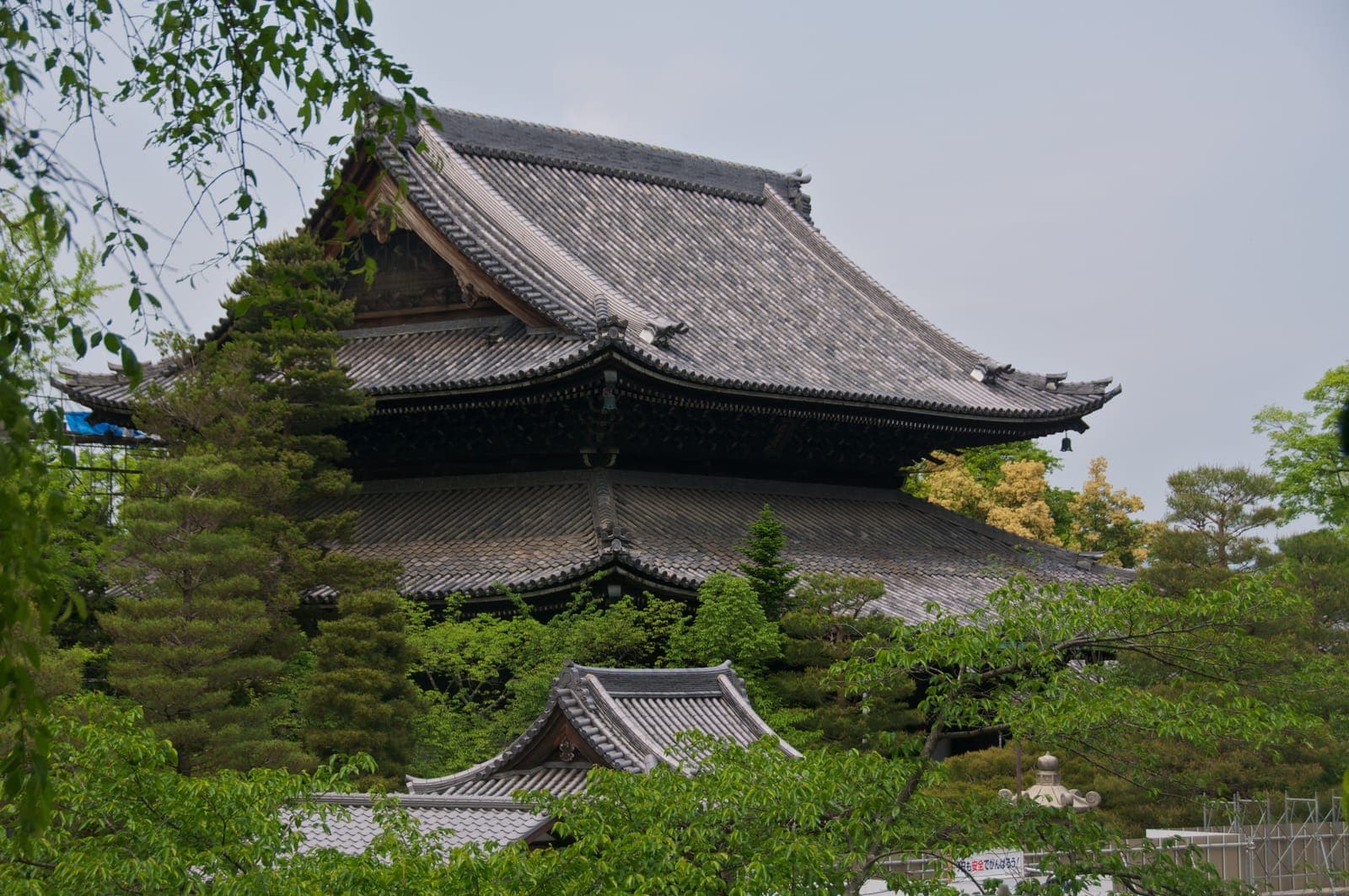
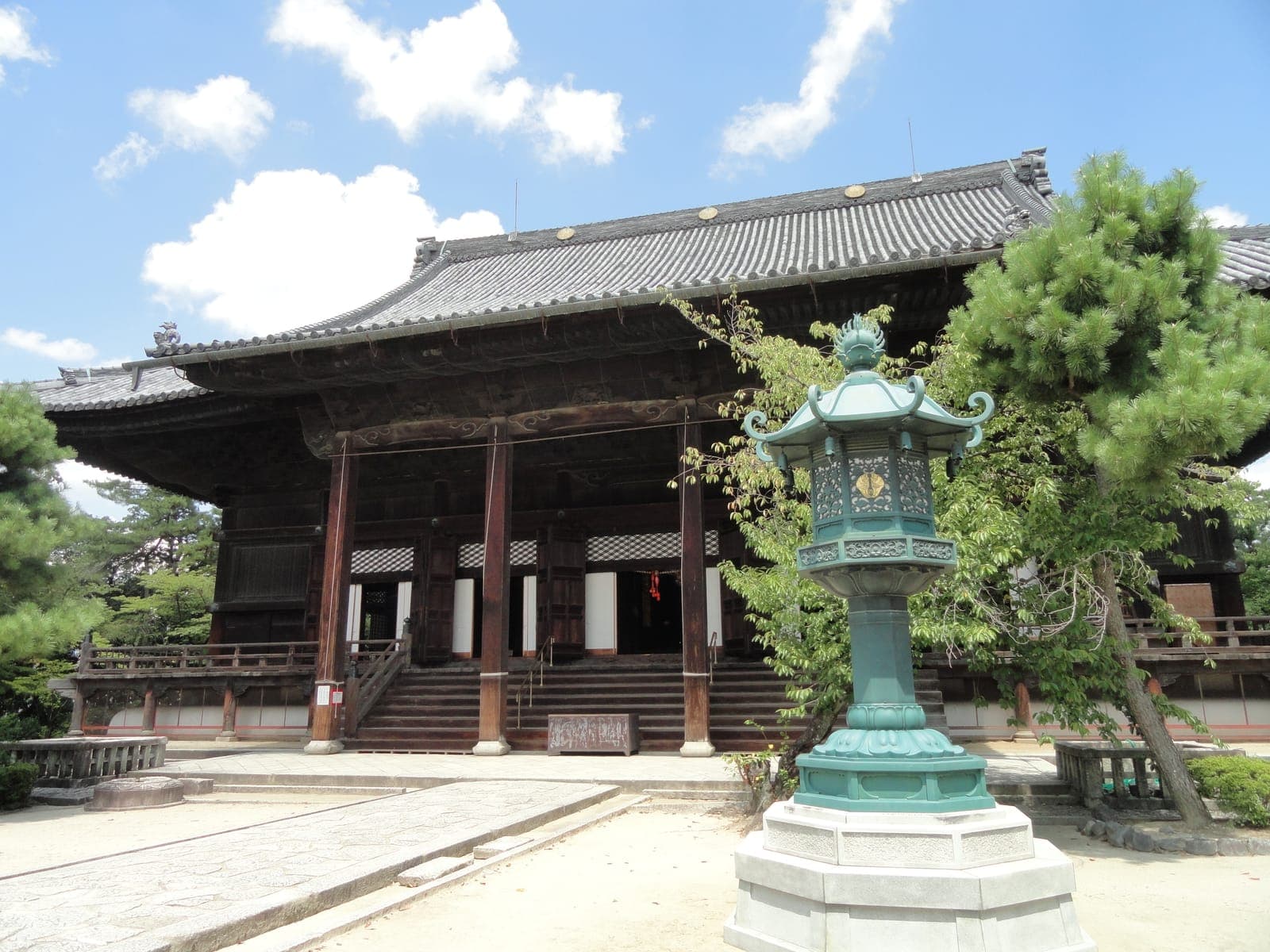
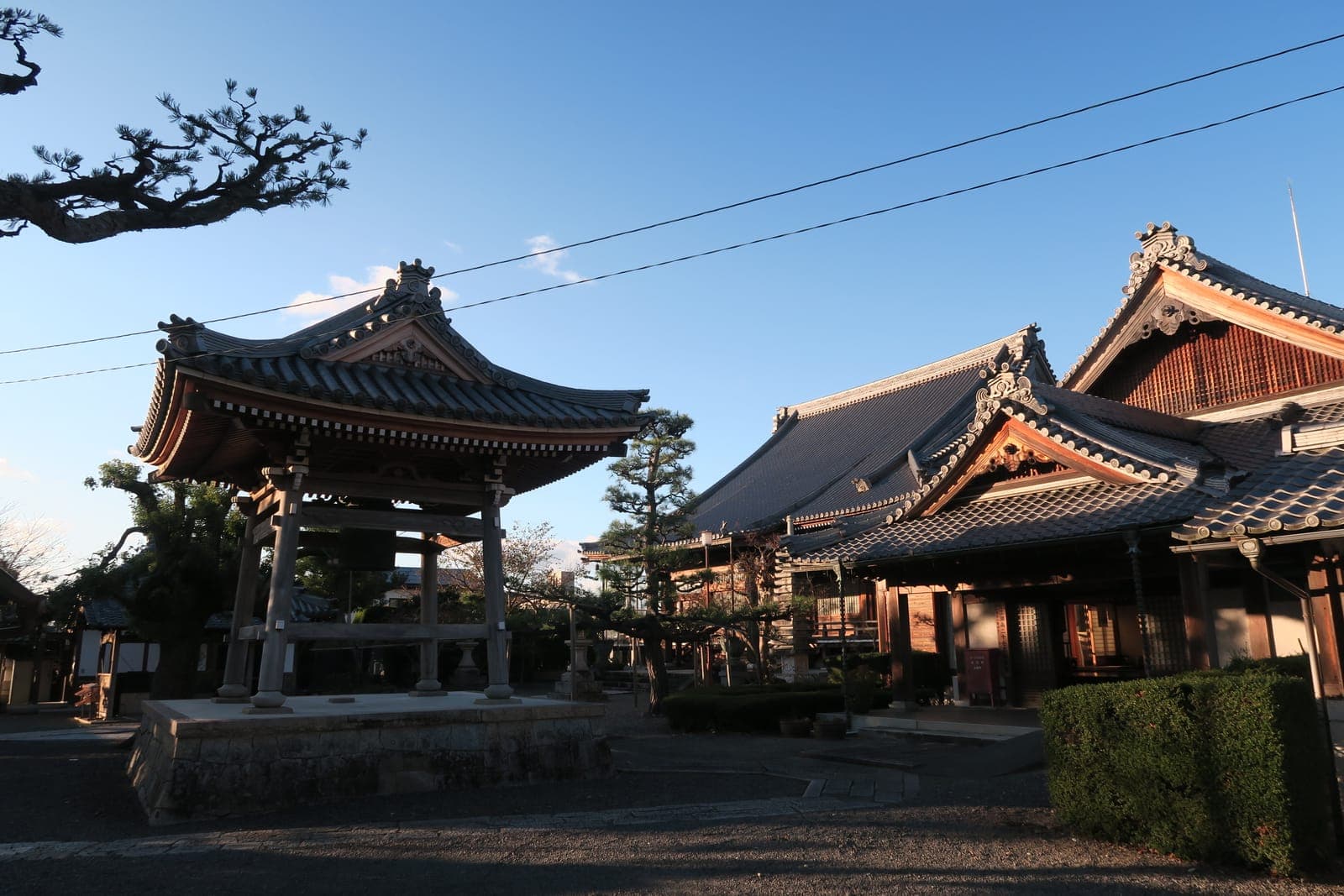
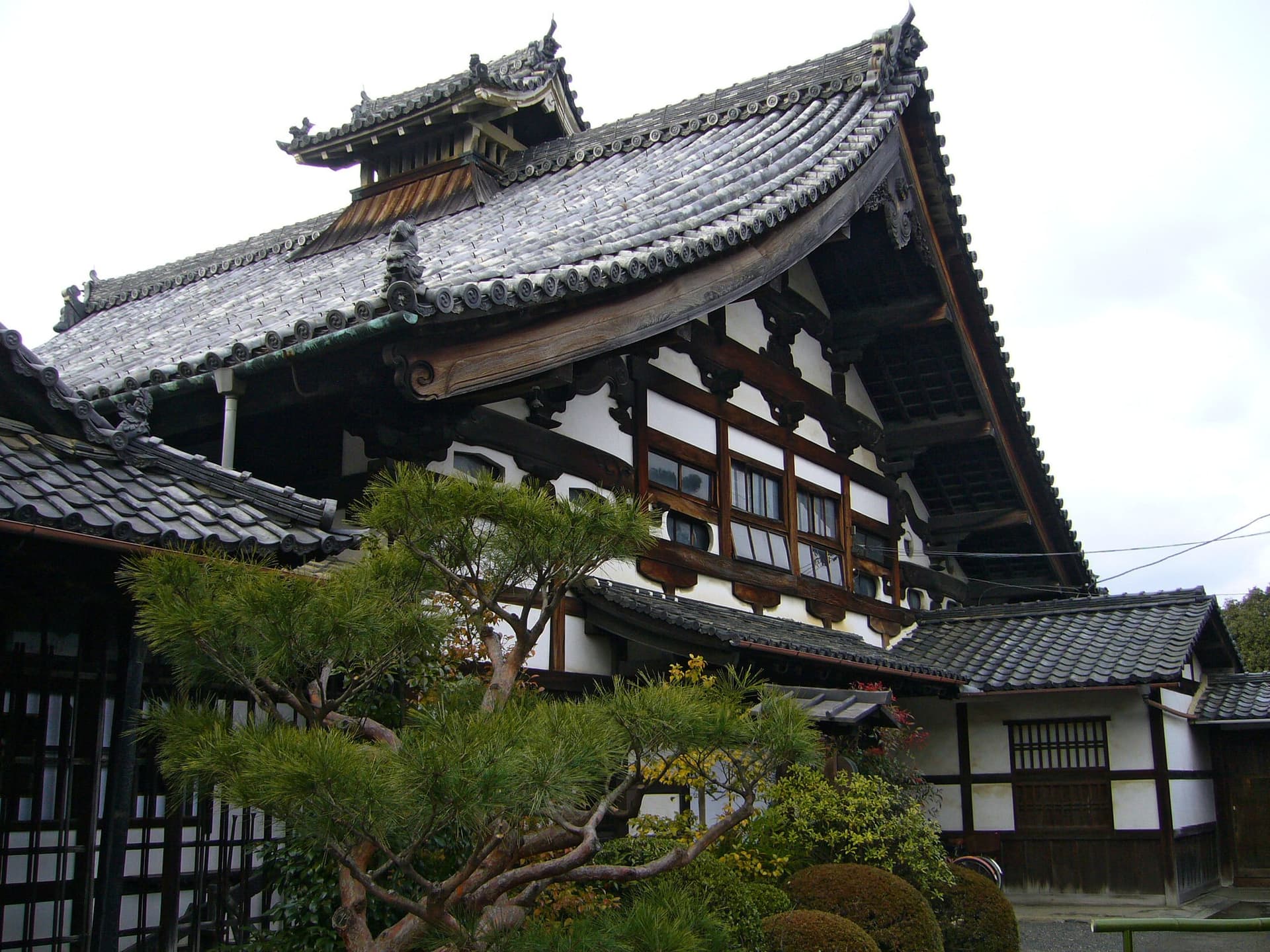
A subtemple in the northeast of Kenninji, associated with Zen master Lanxi Daolong. Its gardens include Gabi Joun, while Chen Man's White Dragon painting covers the main hall ceiling. The principal image is Jizo.
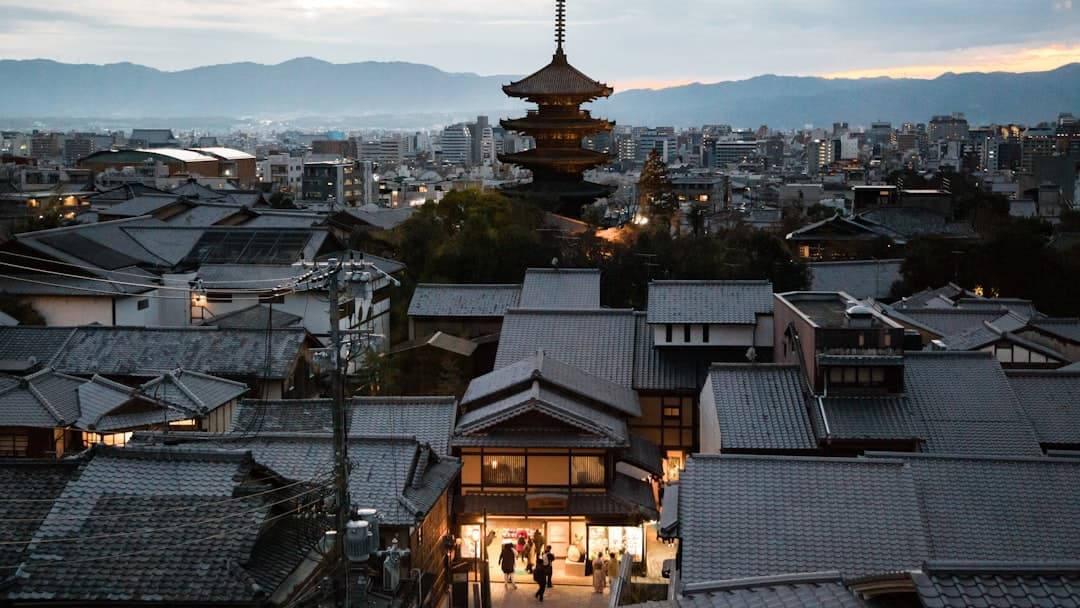
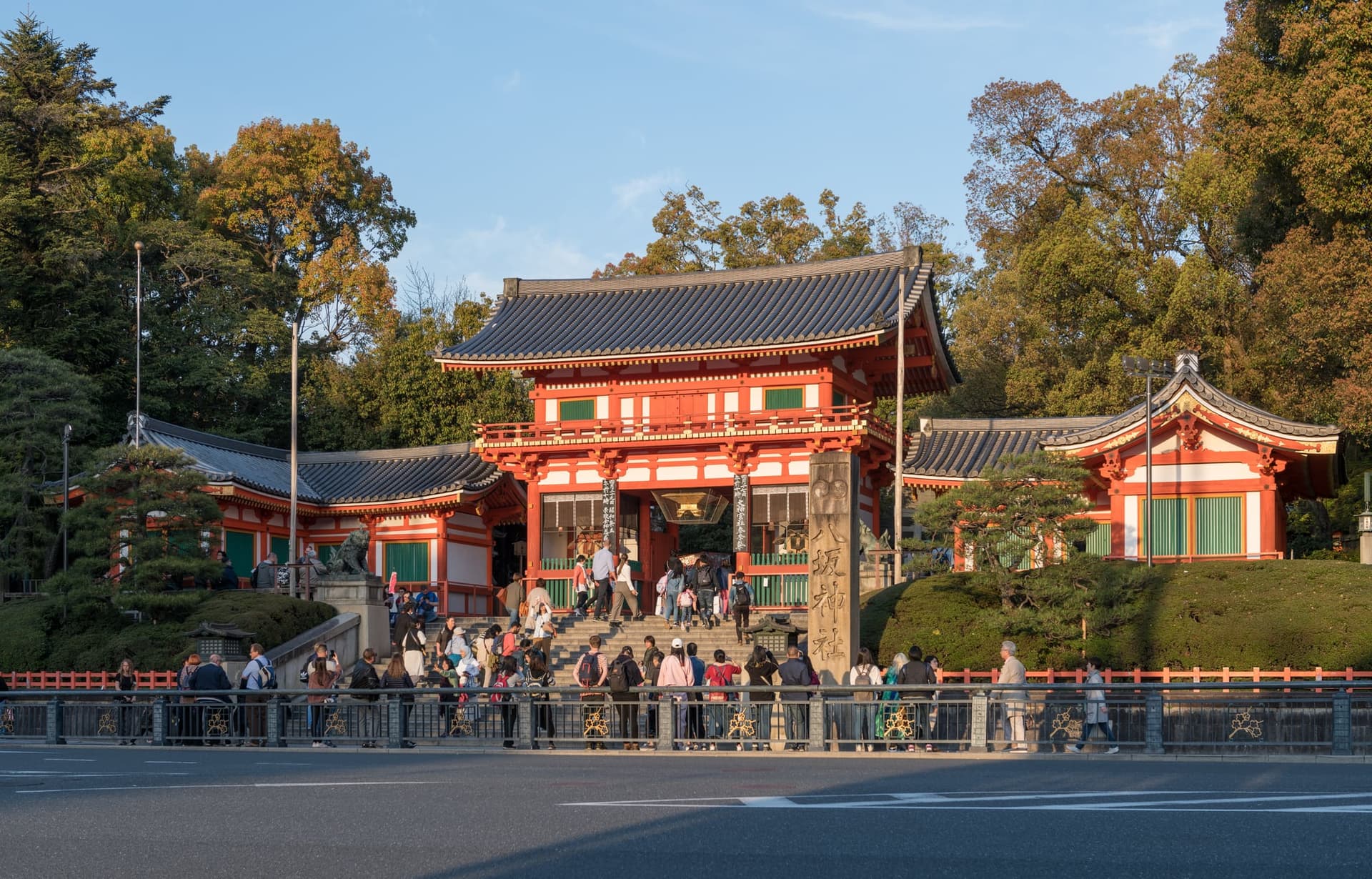
Yasaka Shrine is a famous Shinto shrine in Kyoto’s Gion district, near the Higashiyama area. Known for its lanternlit grounds, historic presence dating back over 1,300 years, and close ties to the Gion Matsuri, it is one of the city’s bestknown landmarks.
Why you should go
Yasaka Shrine's history is said to go back more than 1,300 years.
Visit after dusk to see Yasaka Shrine's lantern-lit grounds at their most atmospheric.
If you plan to see Kyoto during Gion Matsuri, include Yasaka Shrine because of its especially strong connection to the festival.
UNESCO World Heritage temple in Uji, famous for its Phoenix Hall (Hōōdō) depicted on the 10yen coin. Built in 1052 during the Heian period, it exemplifies Pure Land Buddhist architecture with its stunning Amida Buddha statue and elegant reflection in the pond.
Why you should go
The Phoenix Hall (Hōōdō) interior requires a separate 300 yen fee and operates on a timed entry system with limited capacity, so expect to wait up to an hour on weekends.
The autumn night illumination events showcase the Phoenix Hall dramatically lit against the darkness with its reflection in the pond, surrounded by illuminated fall foliage.
The temple was originally a villa of Fujiwara no Michinaga, the most powerful aristocrat of the Heian period, converted into a temple by his son Yorimichi to embody the belief that all people deserve salvation equally.
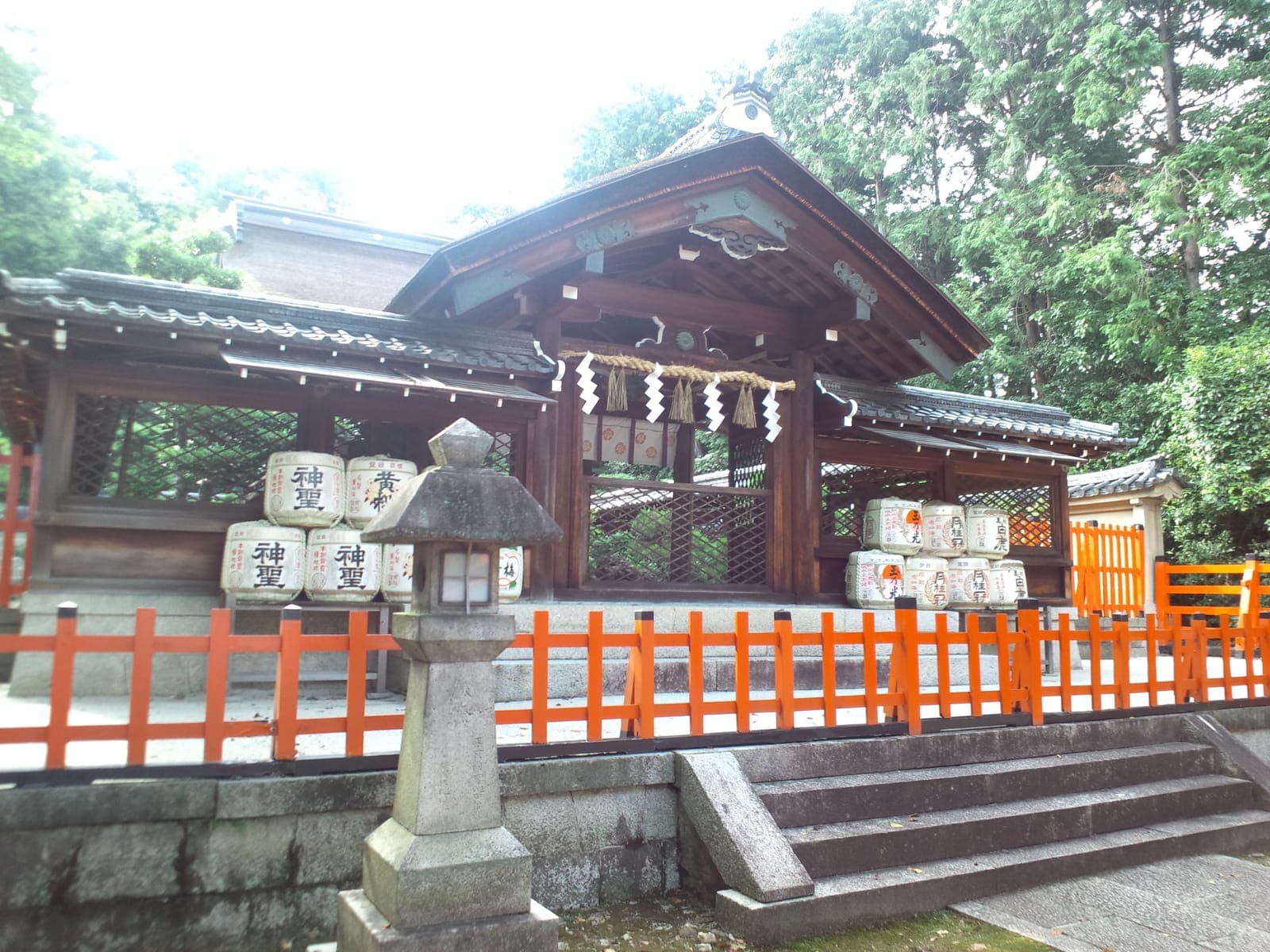
Kenkun Shrine is a Shinto shrine in northern Kyoto on Mount Funaoka, dedicated to Oda Nobunaga. Built by imperial order in the late 19th century, it offers a short uphill walk, historic atmosphere, and wide views over the city from its wooded setting.
Why you should go
Arrive at opening time around 9:00 AM to enjoy the morning light on the shrine buildings before the midday tourist groups arrive from the nearby bus stops.
The western slope offers the widest panoramic view of Kyoto city; stand near the torii gate at the top of the stairs to capture the rooftops and cityscape in a single frame.
The shrine's approach passes through a quiet bamboo grove that many guidebooks skip; follow the moss-covered stone lanterns to find a secluded resting bench halfway up.
Perched on the eastern hills of Kyoto, Kiyomizudera Temple has been a symbol of Buddhist devotion for over twelve centuries. Founded in 778 CE by the priest Enchin, this temple is dedicated to Kannon, the bodhisattva of compassion and mercy, and is part of...
Why you should go
Kiyomizu-dera's Main Hall features a wooden stage built entirely without nails, using an intricate framework of interlocked pillars. This design has supported the structure since its 1633 reconstruction under the Tokugawa shogunate.
Visit the Otowa Waterfall where three streams flow into metal cups for ritual drinking, but choose only one stream as tradition holds that drinking from all three is considered greedy (each stream represents longevity, academic success, or love).
Kiyomizu-dera is actually older than Kyoto itself, having been founded in 778, sixteen years before the city became Japan's imperial capital in 794.
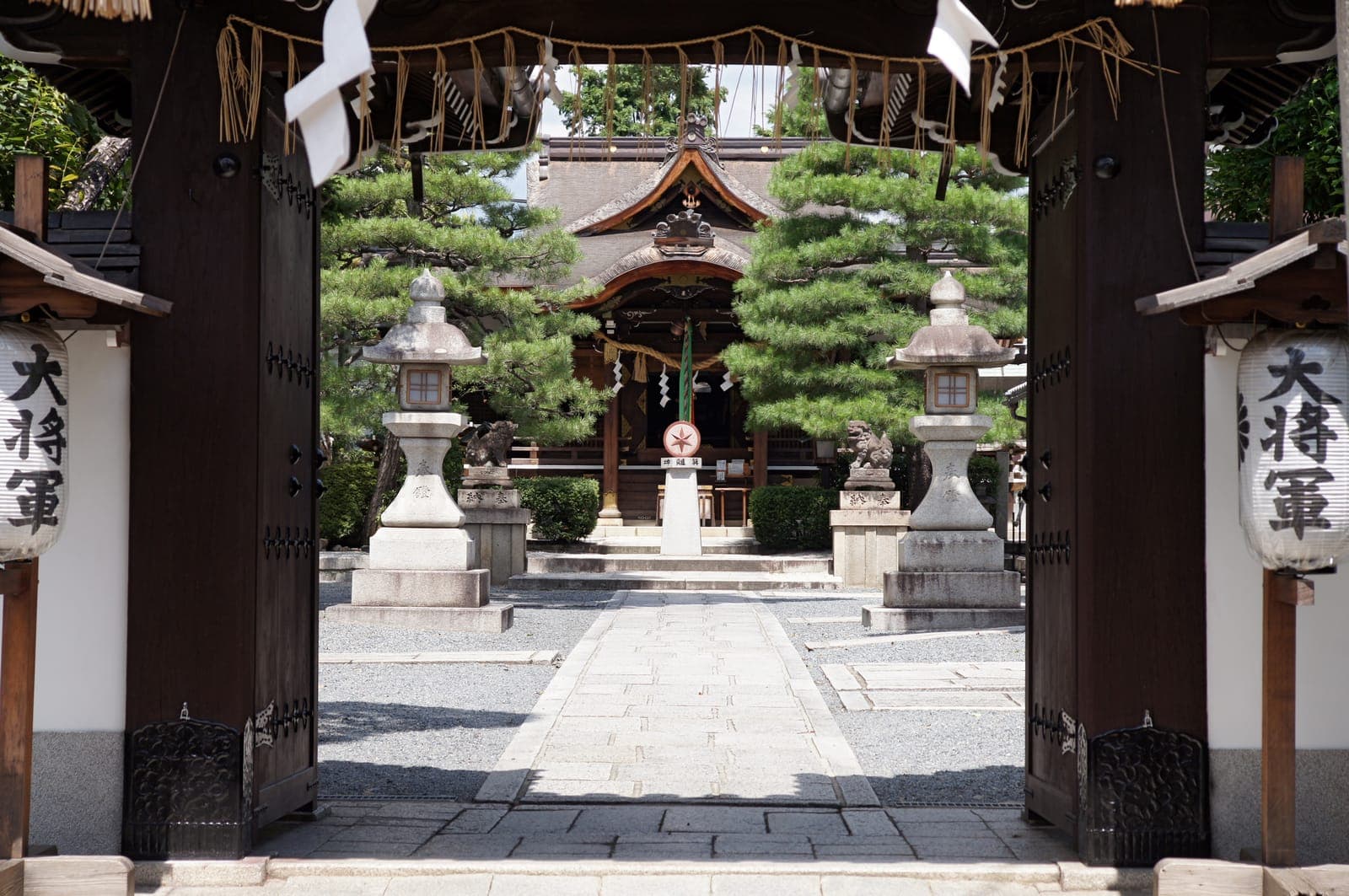
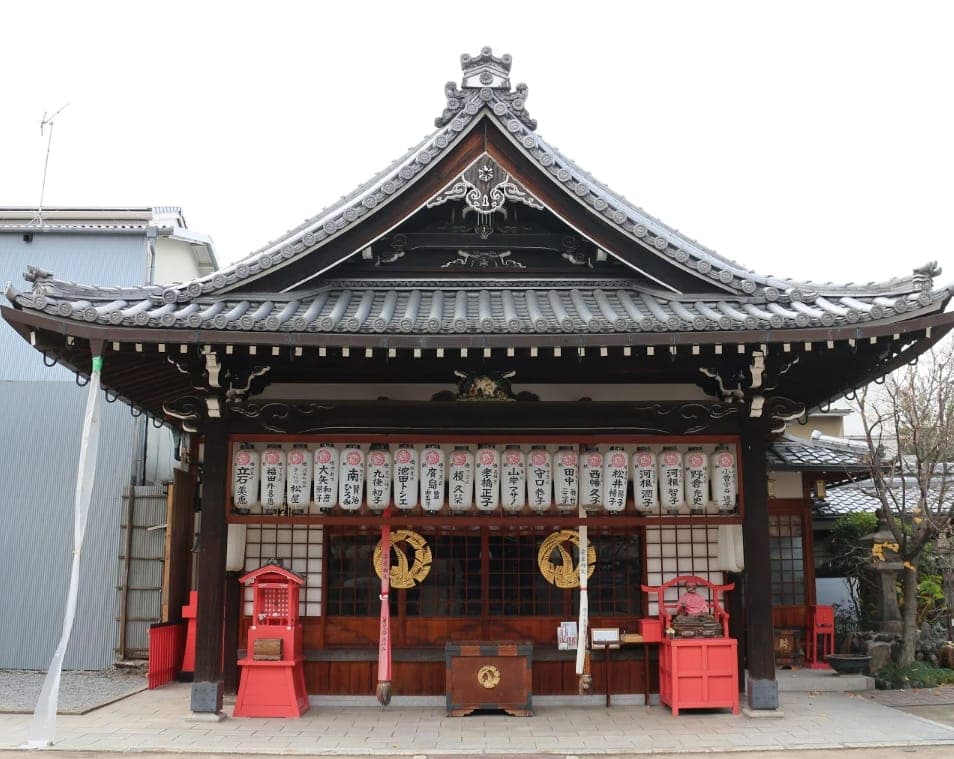
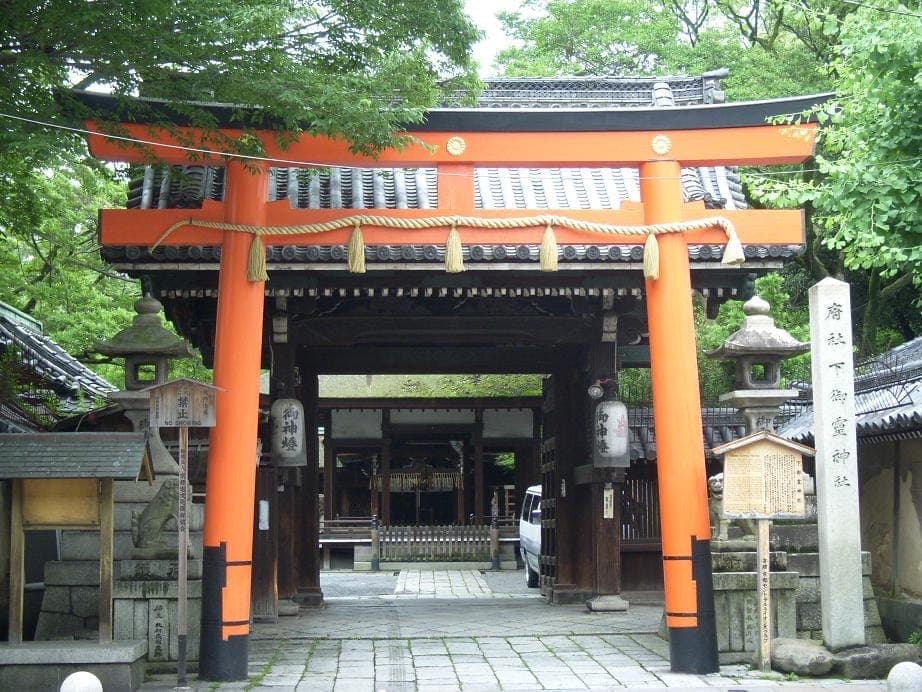
A Shinto shrine west of Kyoto Imperial Palace dedicated to Wake no Kiyomaro and Wake no Hiromushi. It is famous for guardian boars, reflecting the legend that wild boars protected Kiyomaro and healed his injured legs.
Why you should go
The grounds are open 6:00–21:00; the shrine office is listed as 9:30–16:30.
Goō Shrine stands west of Kyoto Imperial Palace and enshrines Wake no Kiyomaro and his sister, Wake no Hiromushi.
Look for the shrine’s distinctive guardian boars (komaino) rather than the usual guardian dogs; they are the site’s signature feature.
Shunkōin is a Rinzai Zen temple in Kyoto’s Myōshinji complex, established in 1590 by daimyō Horio Yoshiharu. It is known for the Nanbanji Jesuit bell, a hiddenChristian lantern, the Sazareishi garden, and historic fusuma paintings, reflecting Japan’s diverse...
Why you should go
Look for the hidden Christian lantern (kirishitan lantern) in the garden while you tour the grounds, a subtle stone object that reflects the Edo period when Christians secretly practiced their faith by disguising religious symbols as Buddhist and Shinto objects. This artifact connects directly to the temple's complex religious history and is easy to miss without guidance.
Book zazen classes in advance if you want to join the English-language meditation sessions led by deputy head priest Zenryu Kawakami, who lived in the United States and can explain the practice clearly to non-Japanese speakers.
If you visit during azalea season (typically late spring), pay attention to the plants in the front garden, which were planted by D.T.