
Admission
- Adult (18+)Free
At a Glance
The Ikenobō school of flower arranging, Japan's oldest ikebana tradition, originated here when temple priests began arranging flowers as daily offerings to the Buddha, eventually becoming an art form.
During the Edo period, this temple's bell would ring to alert the neighborhood during emergencies, and it served as Kyoto's town hall, making it the civic heart of the city for centuries.
Same as opening hours
This temple offers goshuin, but we don't have photos yet. Be the first to share yours!
Plan for at least 45 minutes to an hour if you want to see both the main hexagonal hall and the Ikenobō Kaikan building during special openings, rather than just a quick 15-minute stop.
Arrive early on weekday mornings if you want a quiet experience, as the temple sits in central Kyoto and draws larger crowds during spring, autumn, and holiday periods.
Bring a camera but ask staff permission before photographing inside the main hall or any special exhibits, as some areas may have restrictions during certain viewings.
Look for the remnants of the pond where Prince Shōtoku supposedly bathed, as this small detail connects the temple's legendary founding story to the physical space you're standing in.


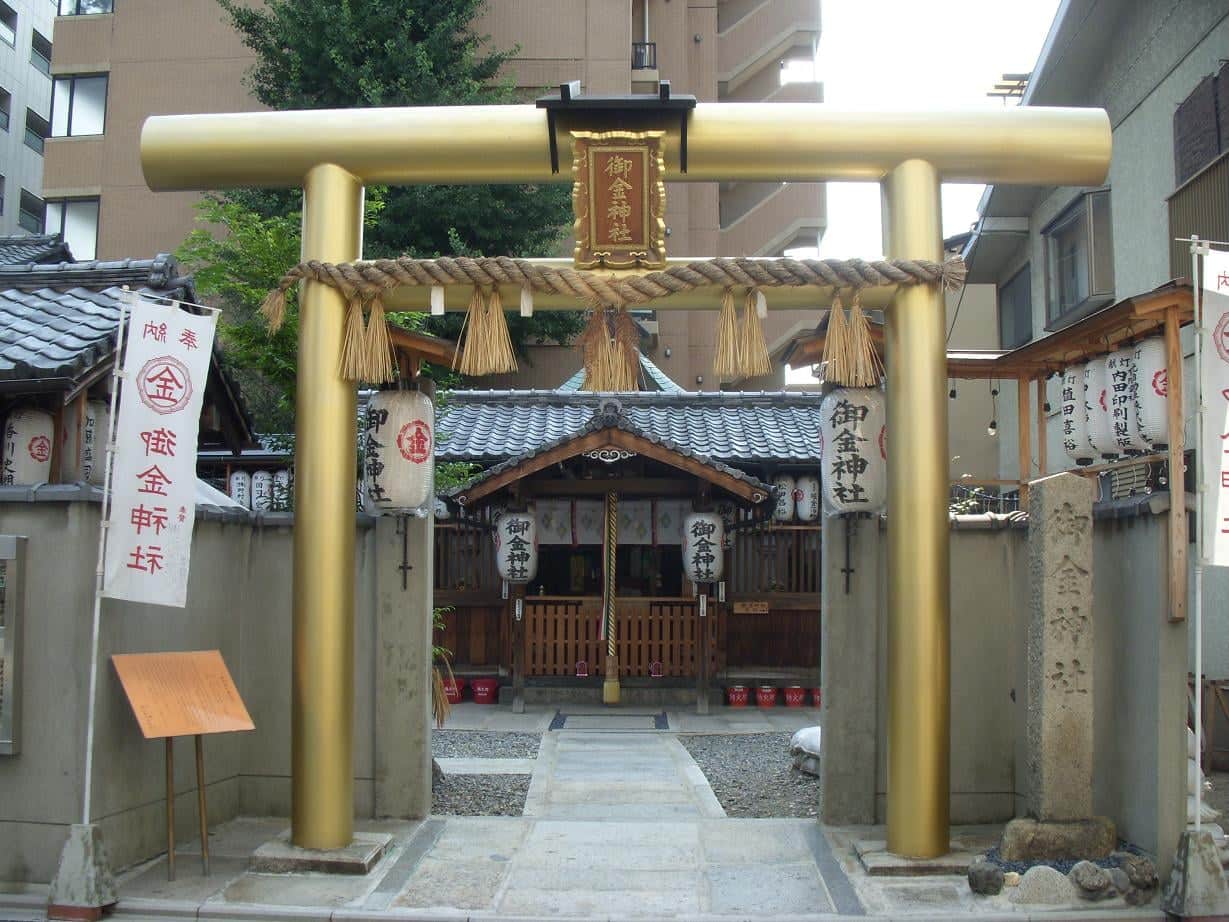
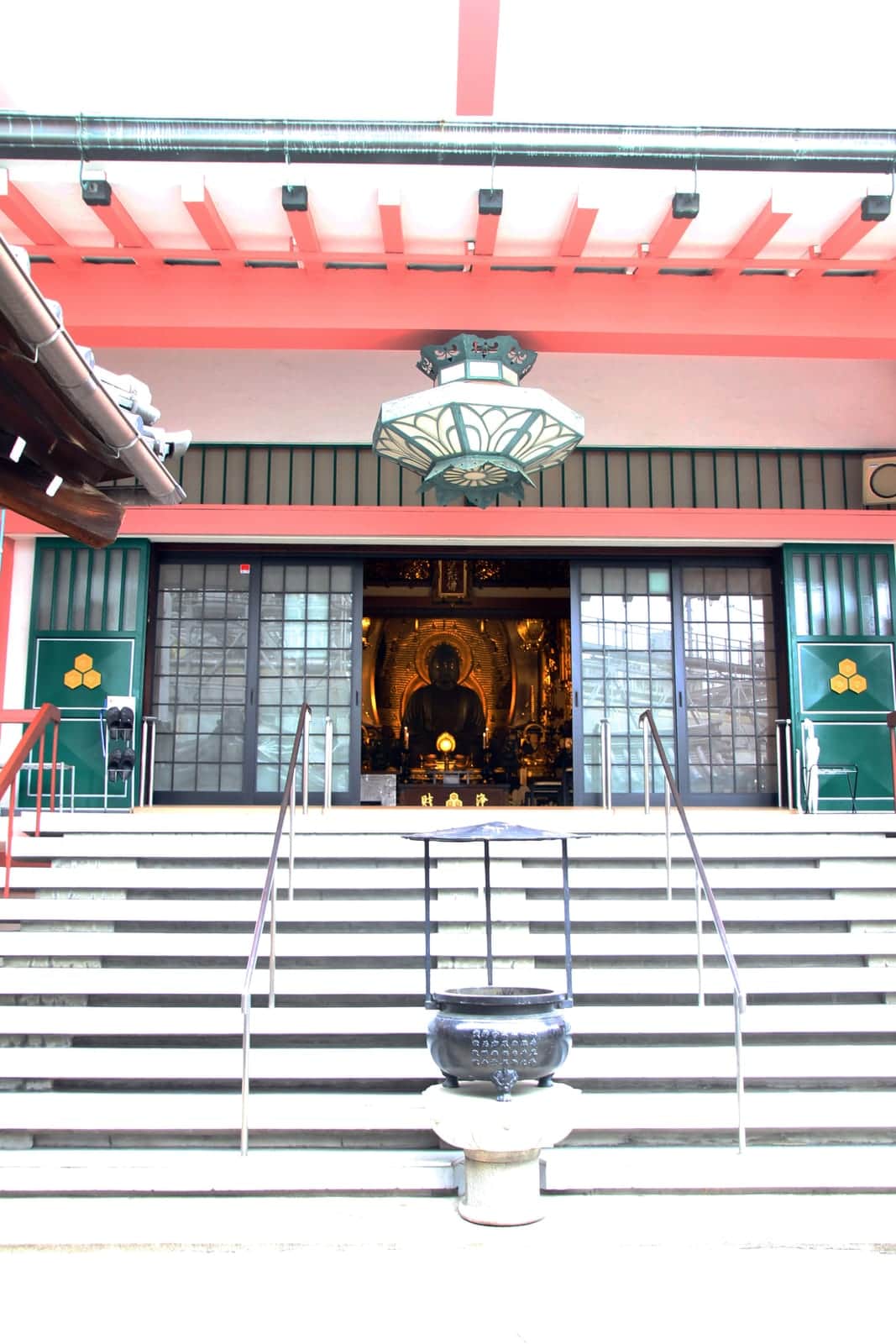
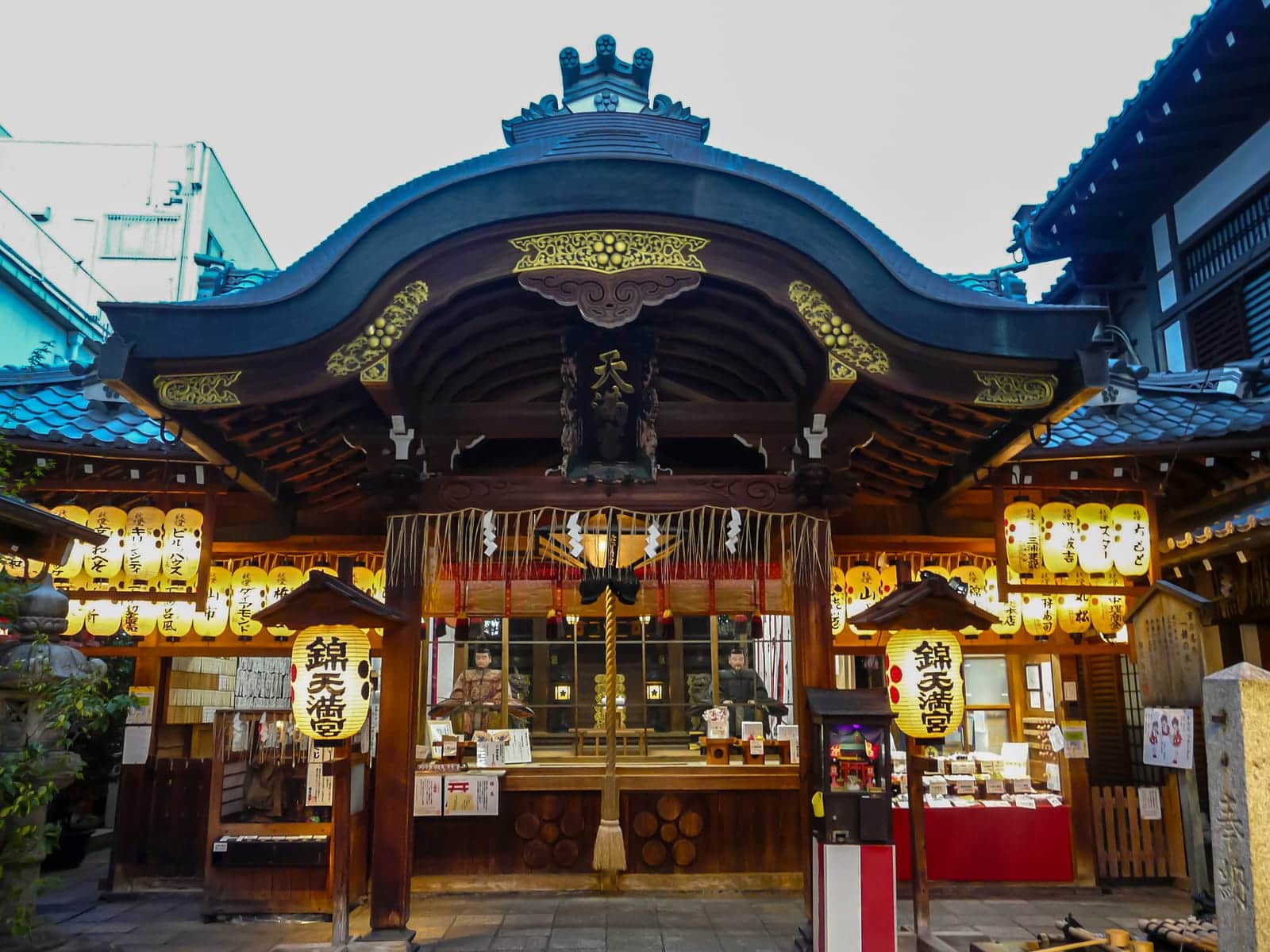
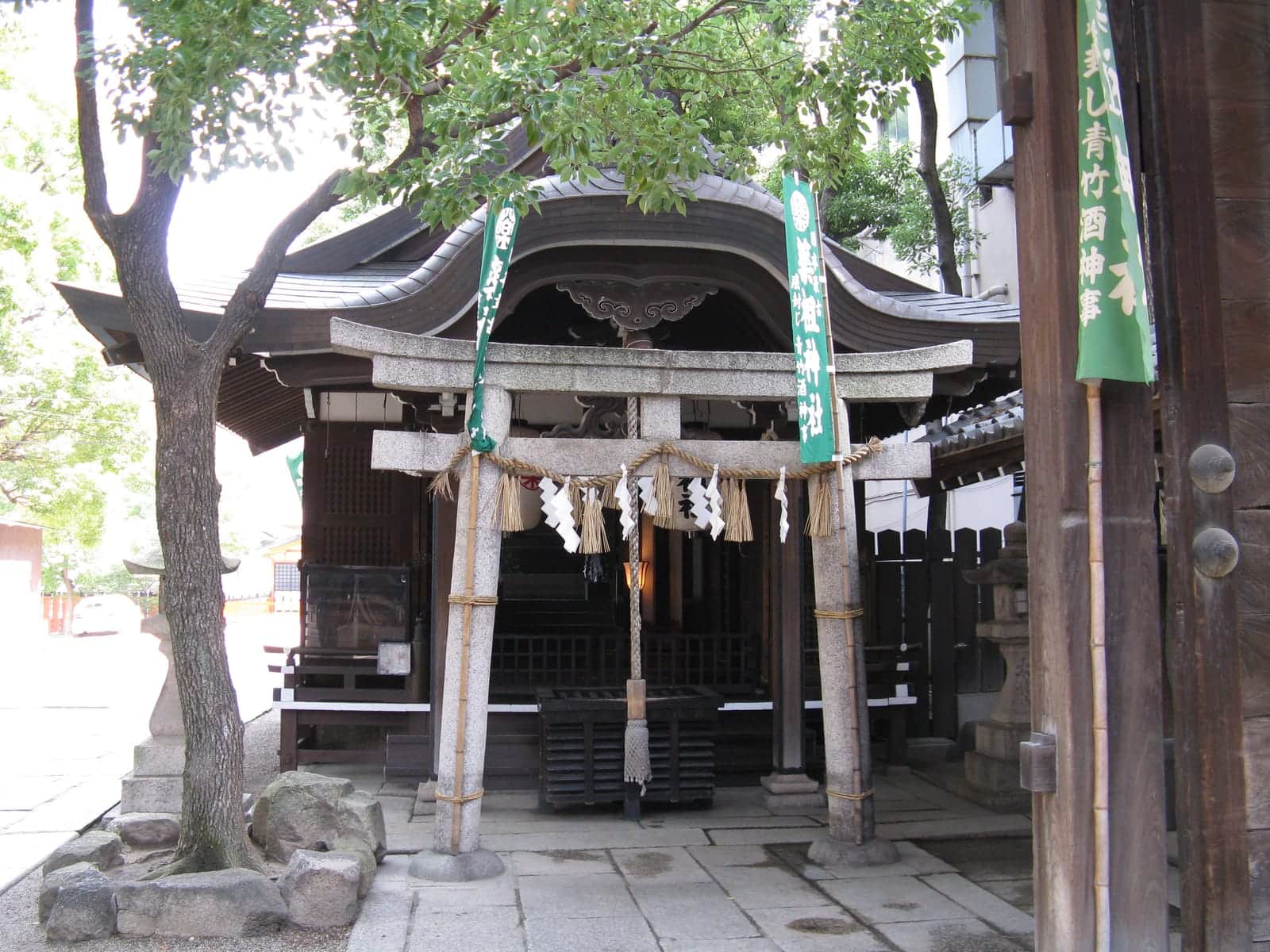
Also called Rokkaku-do
Nakagyo, Kyoto Prefecture
More ways to continue from this place.
Within 300 m Within 600 m

KT122-烏丸アネックス
docomo bike share
KT446-NTT西日本 京都支店
docomo bike share
KT549-中京郵便局
docomo bike share
Renting needs the operator's app and a Japanese phone number. docomo day passes are sold at convenience stores. Data sources
4 recent posts
Share how your visit was to help other travelers.
Anna Bennett checked inLocation matched
Choho-ji
Nakagyo, Kyoto
 MC
MCMia H Christiansen checked inLocation matched
Choho-ji
Nakagyo, Kyoto
Dean Wallace checked inLocation matched
Choho-ji
Nakagyo, Kyoto