At a Glance
The temple's name combines characters from two famous Nara temples: Tōdai-ji and Kōfuku-ji, making it a symbolic bridge between two pilgrimage traditions.
During the temple's nighttime 'ZEN NIGHT' events, visitors can experience 'Neuro-meditation' while wearing brainwave sensors that visualize their mental state in real-time during seated zen practice.
This temple offers 4 different goshuin designs
Same as opening hours
Regular
Regular
Regular
Regular
Facilities
The divine spirits venerated at this sacred place
34 structures on the grounds

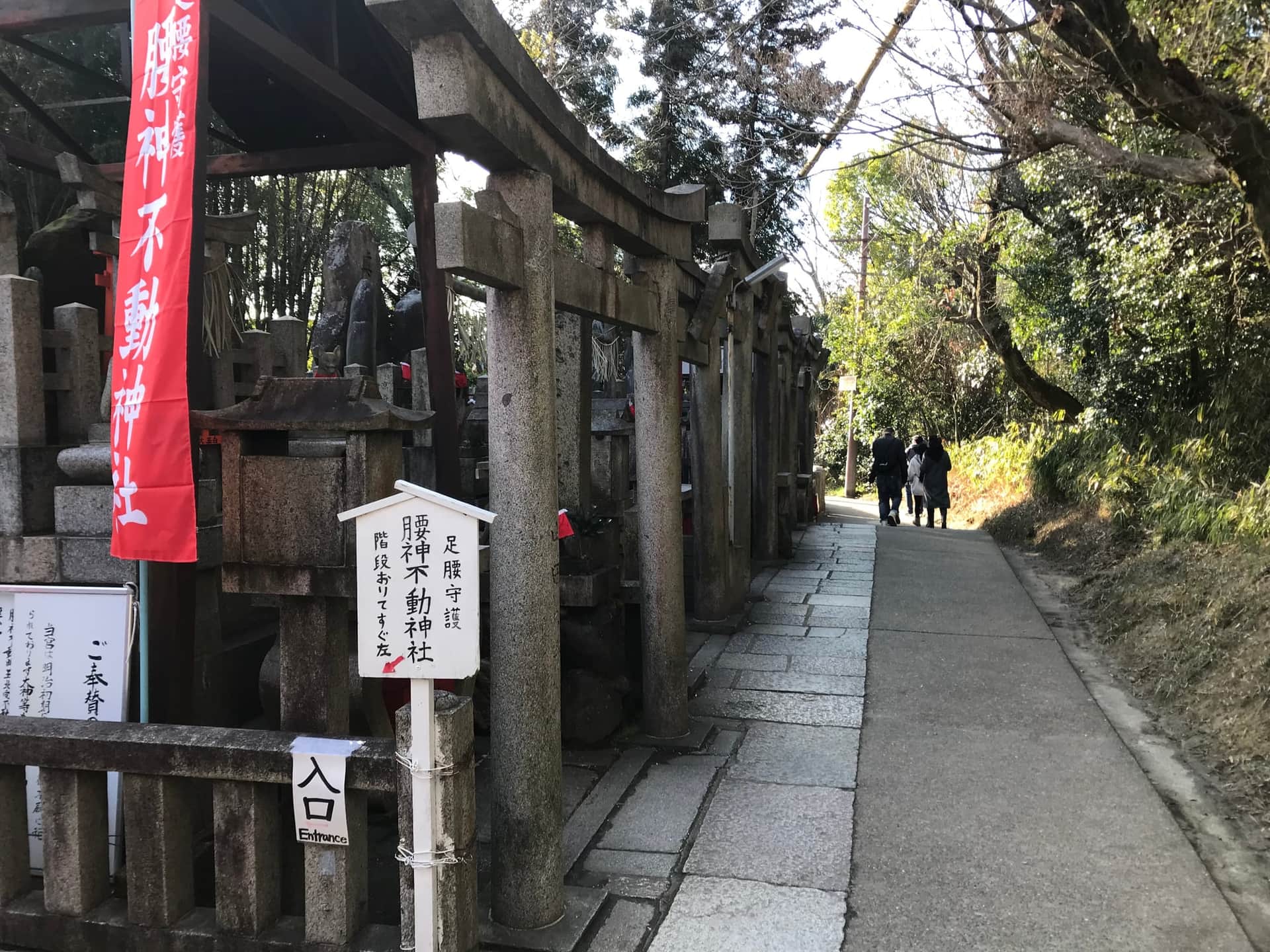
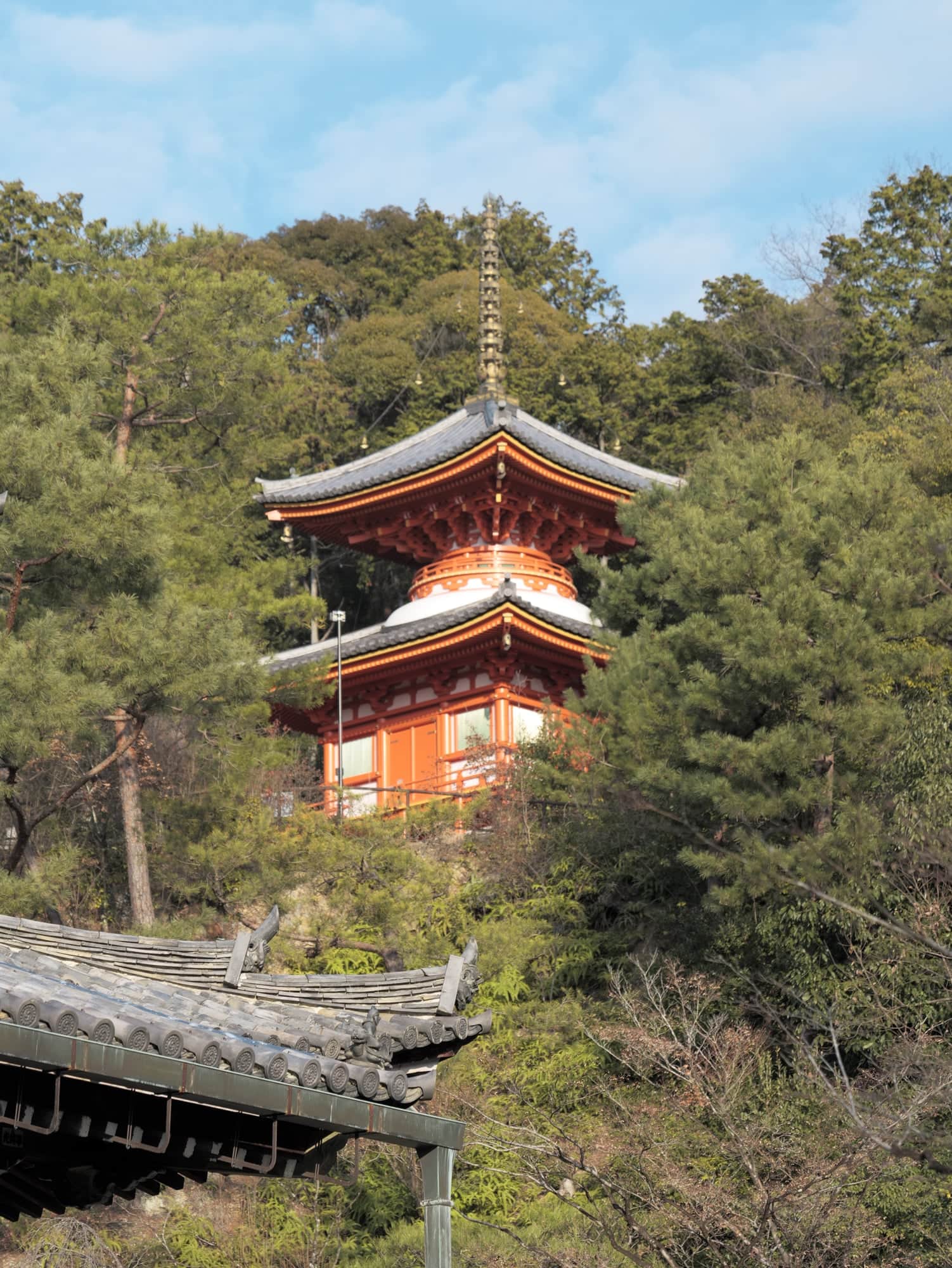
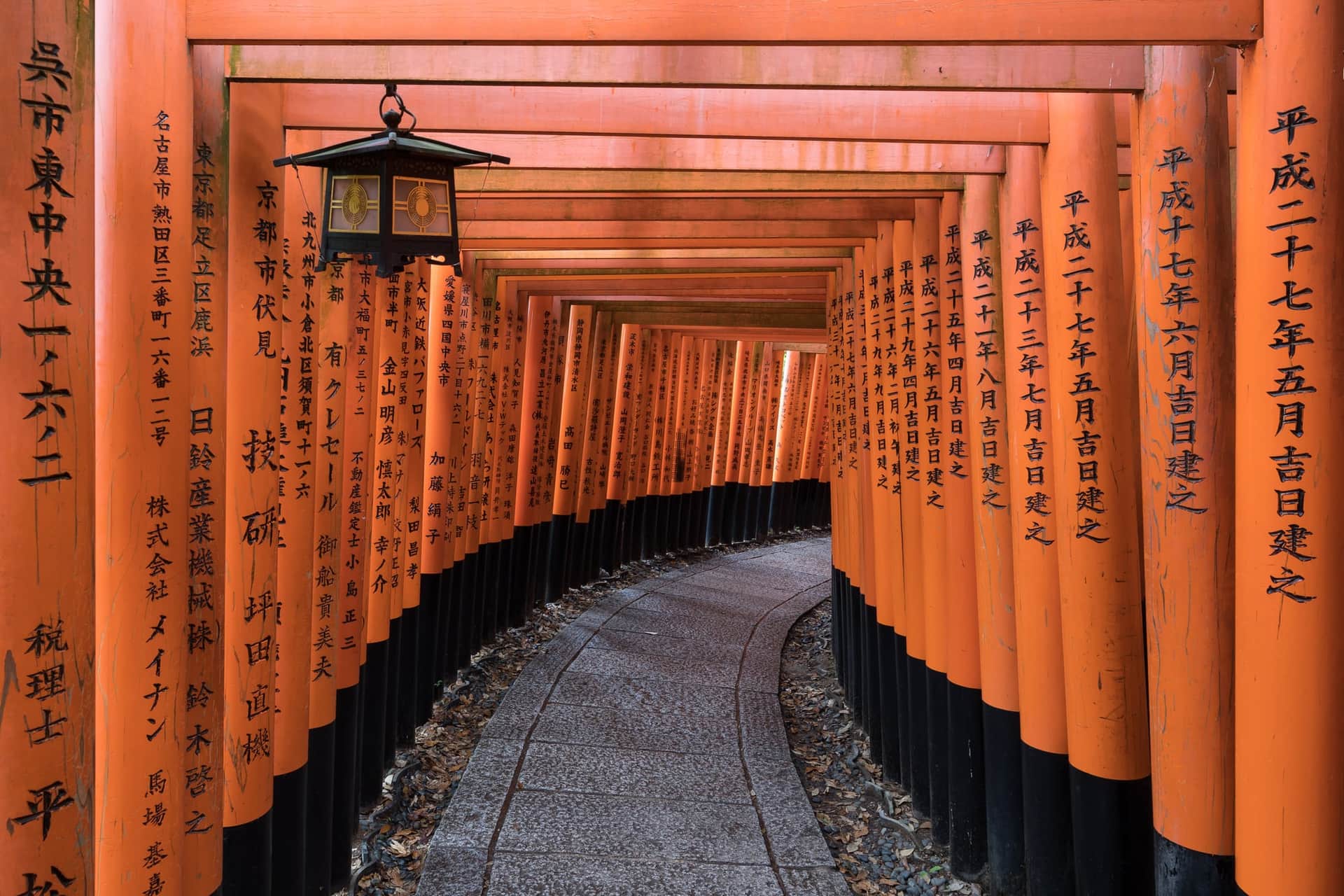
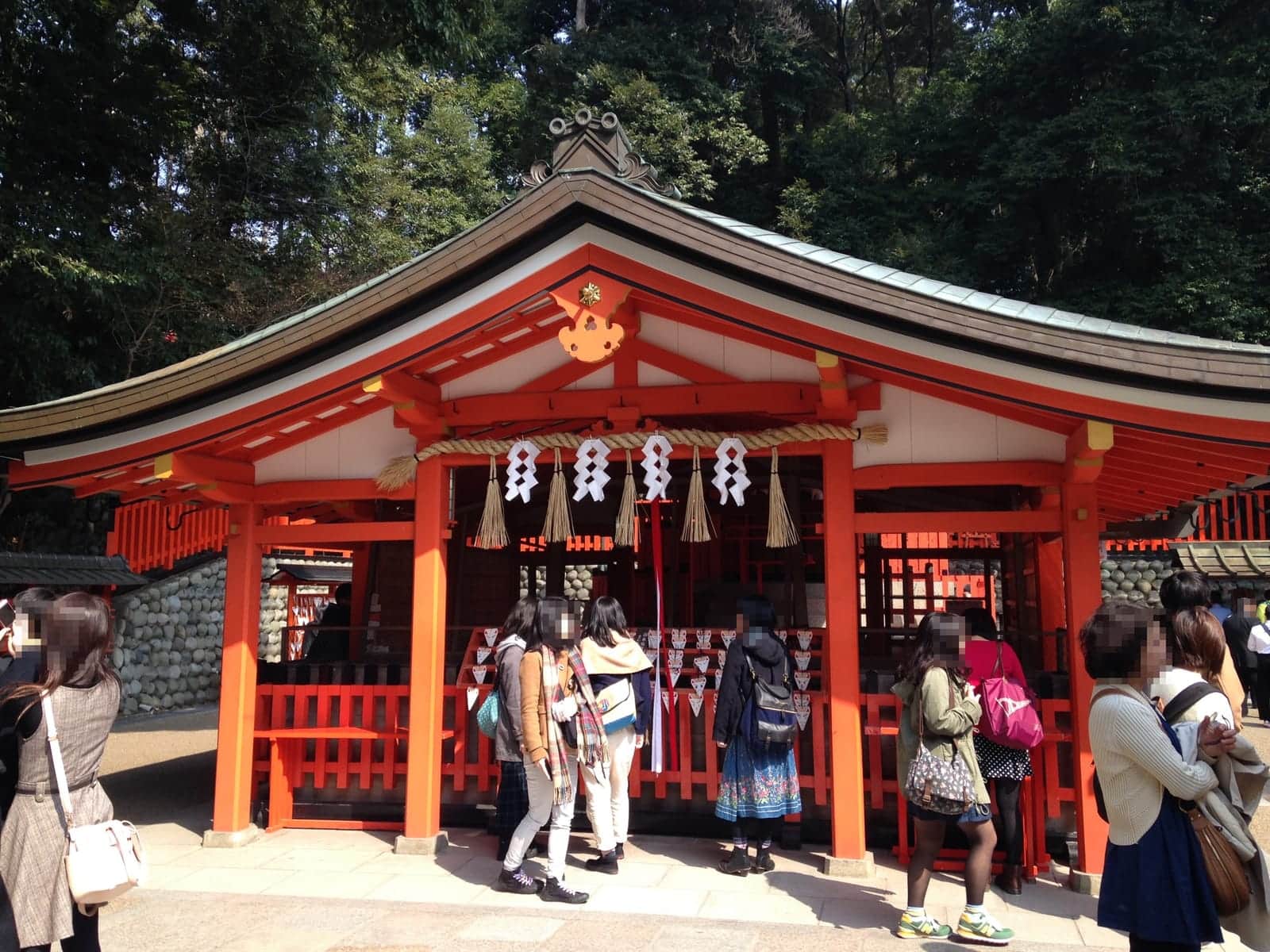
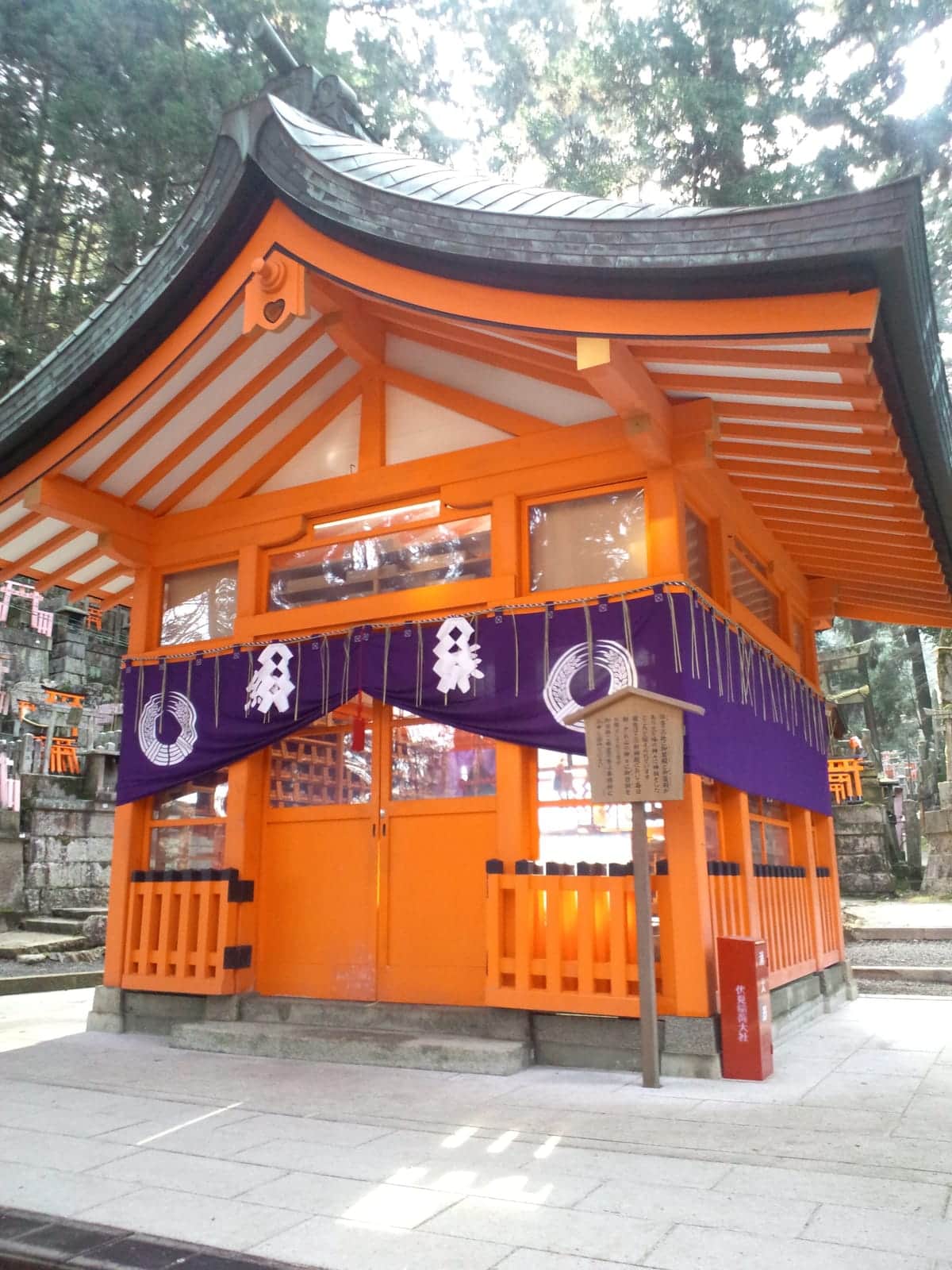
Not confirmed
More ways to continue from this place.
Within 300 m Within 600 m Distance unavailable
Renting needs the operator's app and a Japanese phone number. docomo day passes are sold at convenience stores. Data sources
What this place is believed to grant
Higashiyama, Kyoto Prefecture
3 recent posts
Share how your visit was to help other travelers.
Elena Marrs checked in
Tofuku-ji
Higashiyama, Kyoto
Léon Blättler shared a goshuin