
Admission
Not confirmed
At a Glance
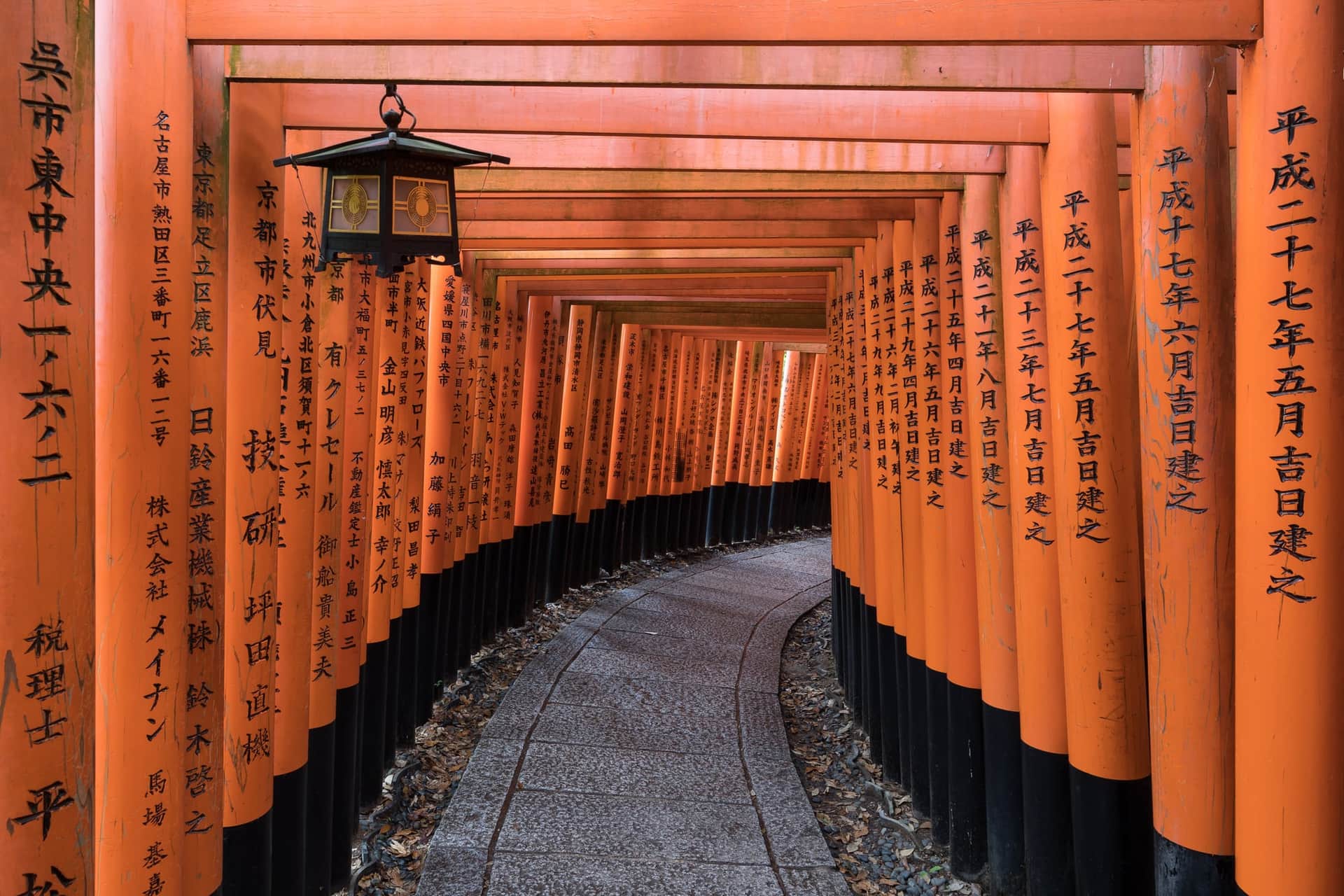
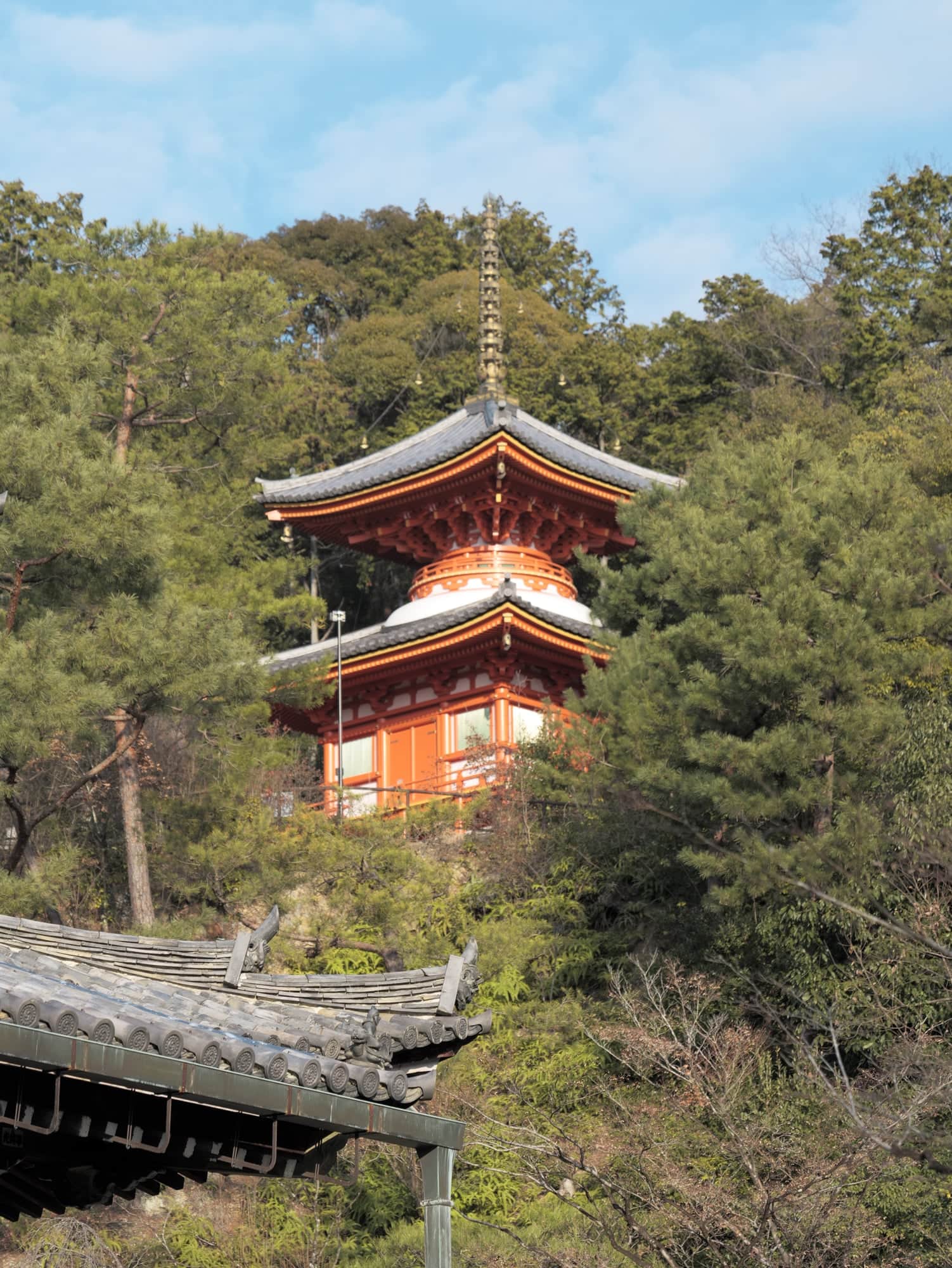
During the Edo period, this worship hall was also called Kumotsujo, meaning 'offering place,' reflecting its role as a destination for pilgrims completing their journey through the famous Senbon Torii gates.
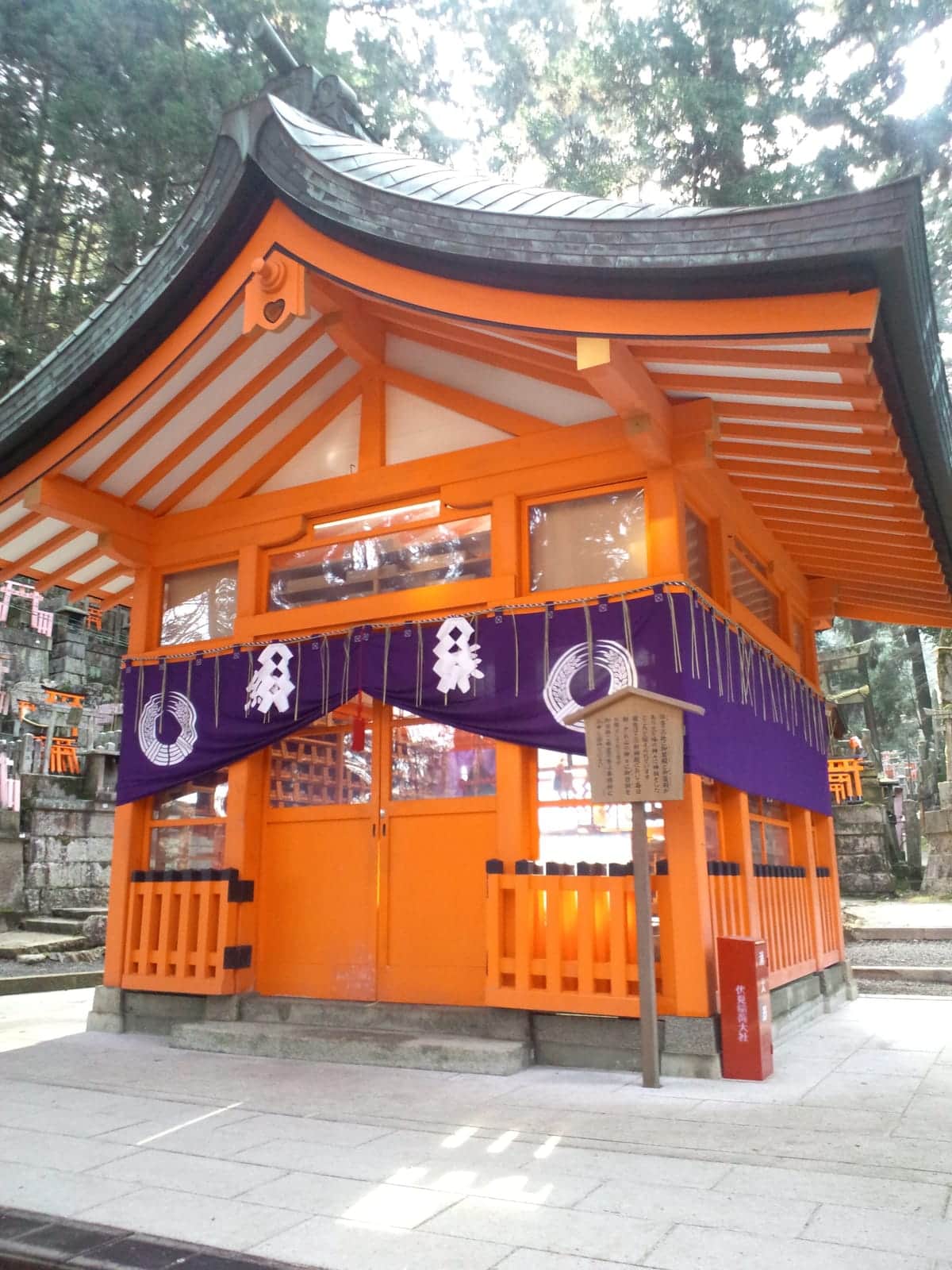
From Okusha Hohaisho, all three peaks of Mount Inari are visible directly behind the prayer hall, making it the perfect vantage point to worship the sacred mountain itself rather than a specific deity.
This shrine offers 1 different goshuin designs
Regular
¥300
Not confirmed
Facilities
Set aside 2 to 3 hours minimum for your entire visit to Fushimi Inari Taisha if you want to reach Okuyashiro Hohaisho, as it sits at the end of the Senbon Torii tunnel and requires a substantial walk up the mountain.
Plan to arrive at Okuyashiro Hohaisho in the late morning or early afternoon after you've walked through the Senbon Torii, as the altitude and cooler air make this a refreshing destination midway through your shrine visit rather than a starting point.
Approach the Hohaisho with a quiet demeanor and take time to face the three peaks of Mount Inari in prayer or reflection, as this is fundamentally a place of worship rather than a photo checkpoint, and the cooler, more isolated setting invites genuine spiritual engagement.
Wear layers and bring a light jacket even on warm days, since the altitude of this worship hall combined with the valley setting creates noticeably cooler temperatures than the main shrine area below.
Position yourself to photograph Mount Inari's three peaks directly behind the Hohaisho building, as this is the intended focal point of the worship hall and creates the most spiritually resonant composition for your images.

More ways to continue from this place.
Within 300 m Within 600 m
Renting needs the operator's app and a Japanese phone number. docomo day passes are sold at convenience stores. Data sources
Fushimi, Kyoto Prefecture
5 recent posts
4.0
1 review
You reach this worship hall after passing through the Senbon Torii, and it sits just beyond the main shrine area on the way into Mount Inari. It is a quieter stopping point before the full mountain walk begins, with the three peaks of Inariyama behind it.
On the right side of the grounds, you will find the Omokaru Stone, where you lift the top stone of a lantern after making a wish. If it feels lighter than expected, the wish is said to come true. A goshuin is also available here, and this is a good place to pause before starting the mountain trail.
 ДБ
ДБДмитрий Бессонов checked in
Okuyashiro Hohaisho
Fushimi, Kyoto