Admission
- Adult (18+)¥500
Also called Silver Pavillon
Sakyo, Kyoto Prefecture
At a Glance
Ginkaku-ji is a key monument of Higashiyama Culture from the Muromachi period, linking it to a major era of Japanese aesthetics.
Built in 1482 as Shogun Ashikaga Yoshimasa's retirement villa during chaotic times, Ginkaku-ji became the birthplace of Higashiyama culture emphasizing wabi-sabi aesthetics.
This temple offers 1 different goshuin designs
Seasonal
Within 300 m Within 600 m Distance unavailable
Renting needs the operator's app and a Japanese phone number. docomo day passes are sold at convenience stores. Data sources
Main paths and garden are wheelchair accessible. There are steps to some viewpoints. Accessible toilets available.
Visit early in the morning right when the temple opens to experience the wabi-sabi aesthetic in peaceful tranquility, as Ginkaku-ji is significantly less crowded than Kinkaku-ji (Golden Pavilion) and offers a more serene atmosphere for contemplation.
Plan to spend 30 minutes to 1 hour exploring the temple grounds, and consider combining your visit with a walk along the nearby Philosopher's Path (Tetsugaku-no-michi), which begins at Ginkaku-ji and offers an ideal extended walking route.
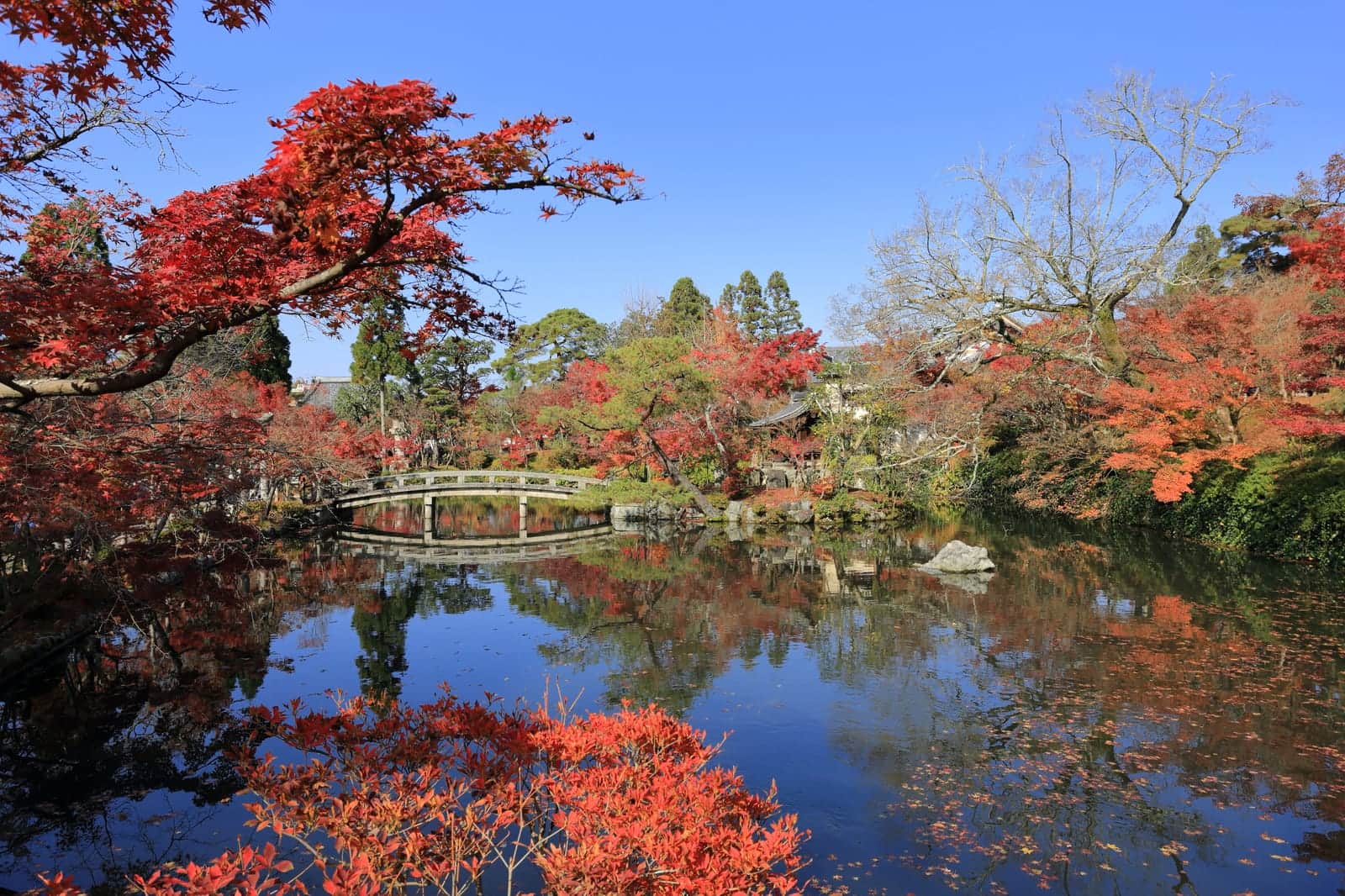
Take time to climb the hillside path that leads to the upper viewing area, where you'll be rewarded with a stunning panoramic view of the entire garden layout, the Silver Pavilion, and the Kyoto cityscape beyond.
Entrance fees are 1,000 yen for adults (high school age and above) and 500 yen for elementary and junior high school students, so have cash ready as card payment may not be available at the ticket counter.
Look for signs using both names, 'Ginkaku-ji' and 'Jishō-ji', since the temple is officially Jishō-ji.
Share how your visit was to help other travelers.
The divine spirits venerated at this sacred place
What this place is believed to grant
2 structures on the grounds
Fascinating facts about this place
Ginkaku-ji is a key monument of Higashiyama Culture from the Muromachi period, linking it to a major era of Japanese aesthetics.
Built in 1482 as Shogun Ashikaga Yoshimasa's retirement villa during chaotic times, Ginkaku-ji became the birthplace of Higashiyama culture emphasizing wabi-sabi aesthetics.
The white sand formations, Ginshadan and Kōgetsudai, were designed to reflect moonlight into the temple buildings, creating ethereal nighttime illumination throughout the garden.
The temple's Tōgudō hall contains Dōjinsai, Japan's oldest surviving shoin-style room and the prototype for all modern Japanese rooms with tatami, shoji, and tokonoma alcoves.


More ways to continue from this place.