Founder of Buddhism
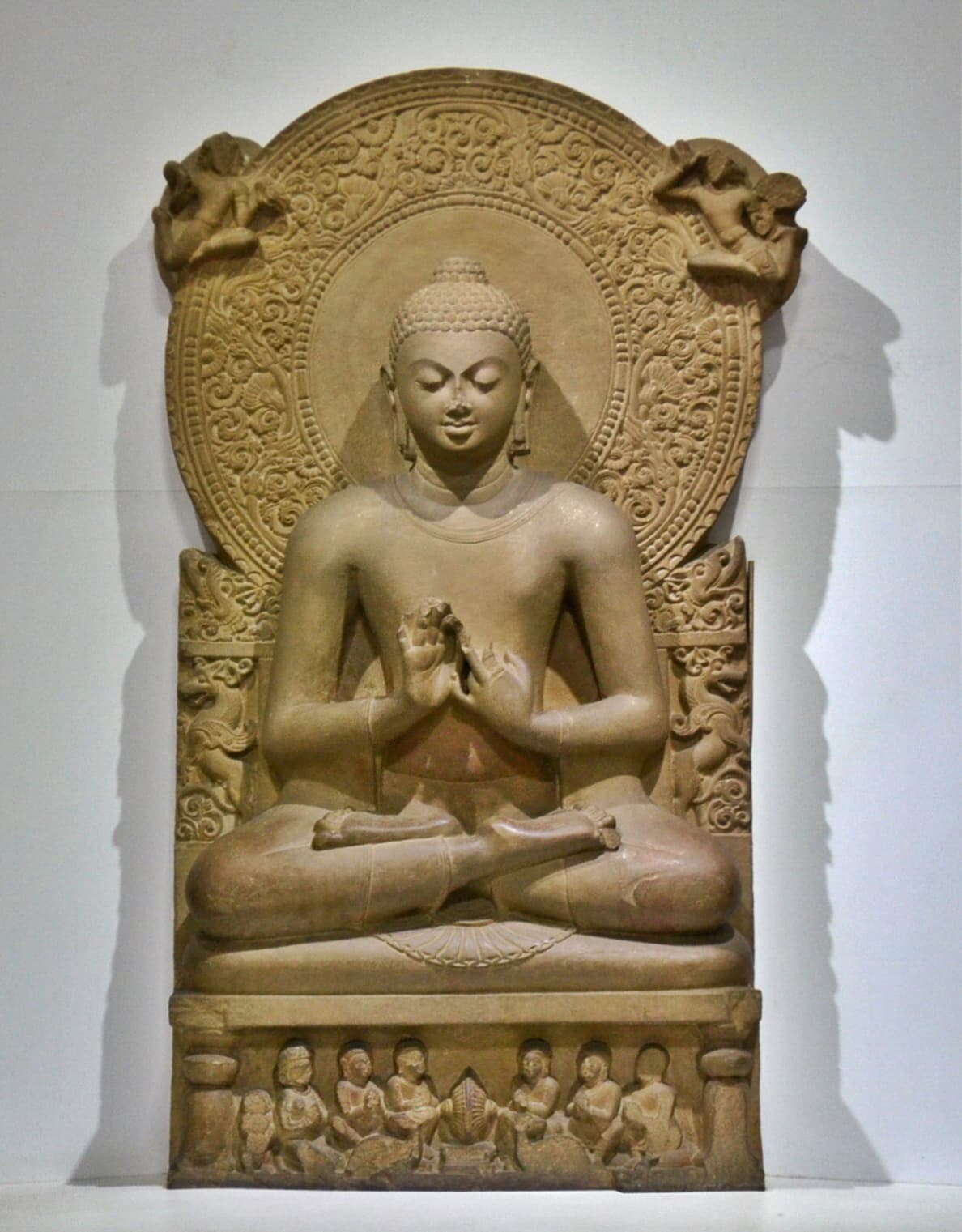
Shakyamuni Buddha, born Siddhartha Gautama, was a wandering ascetic and spiritual teacher who lived in the eastern Indo-Gangetic Plains during the 6th or 5th century BCE. Born into the royal Shakya clan in Lumbini — in present-day Nepal — he renounced his privileged life to seek liberation from suffering, ultimately attaining enlightenment (nirvana) at Bodh Gaya in what is now Bihar, India. He is regarded as the founder of Buddhism and is venerated across its many traditions worldwide.
After his awakening, the Buddha spent decades traveling and teaching, gathering a community of monastics and laypeople known as the sangha. His core teachings center on the Four Noble Truths and the Noble Eightfold Path, a practical guide emphasizing ethical conduct, mental cultivation, and wisdom as the means to liberation from craving and rebirth. His instructions were later compiled into the Vinaya Piṭaka and Sūtra Piṭaka, forming the scriptural foundation of Buddhist practice.
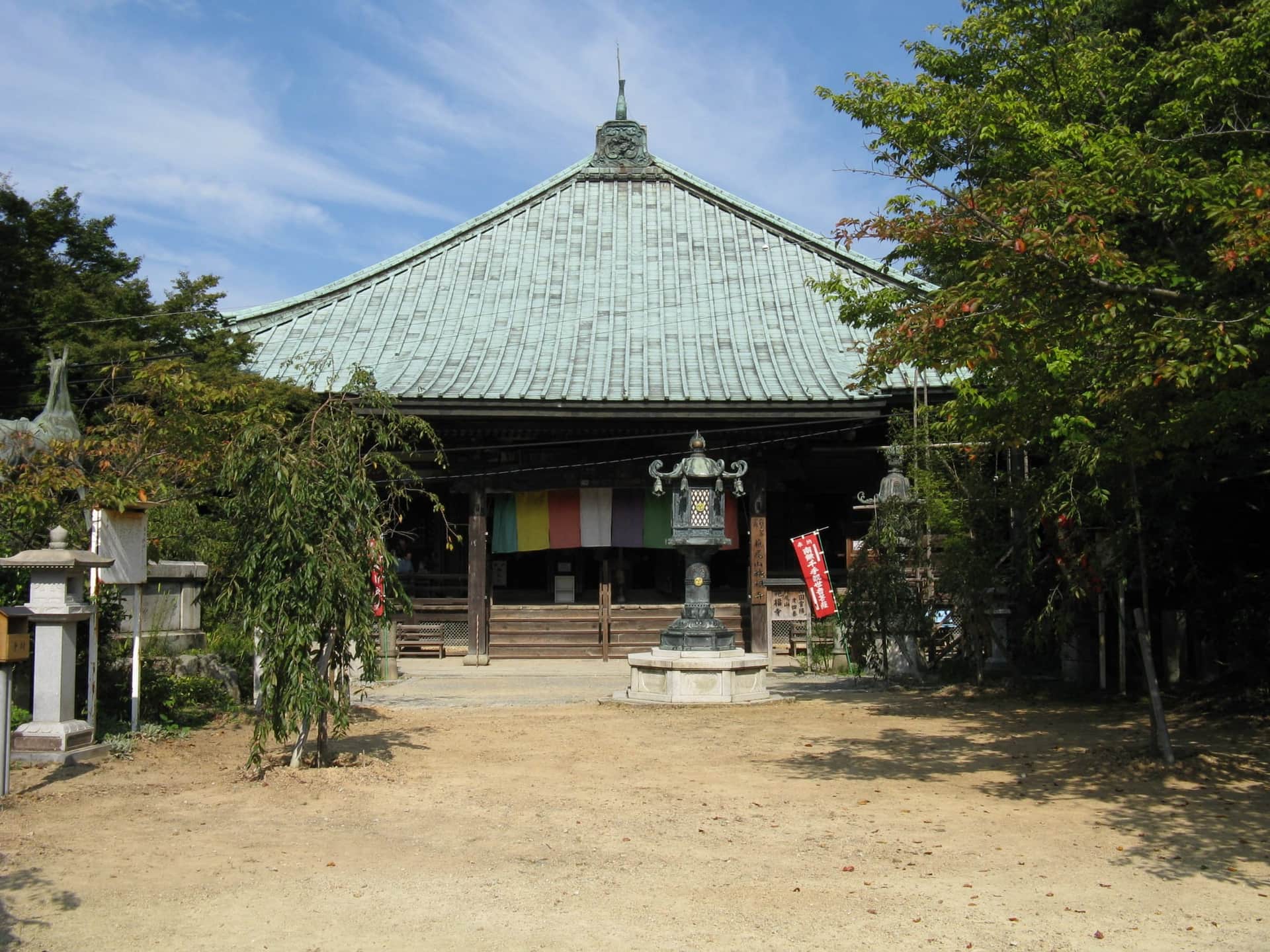
In Japanese Buddhism, Shakyamuni — known simply as Shaka — is revered as the historical Buddha and the supreme teacher of the Dharma. His sacred relics, called busshari, are enshrined at numerous temples throughout Japan and continue to be objects of deep veneration. His teachings gave rise to diverse traditions including Theravāda, Mahāyāna, and Vajrayāna, which spread across Asia and eventually the entire world.
1 place