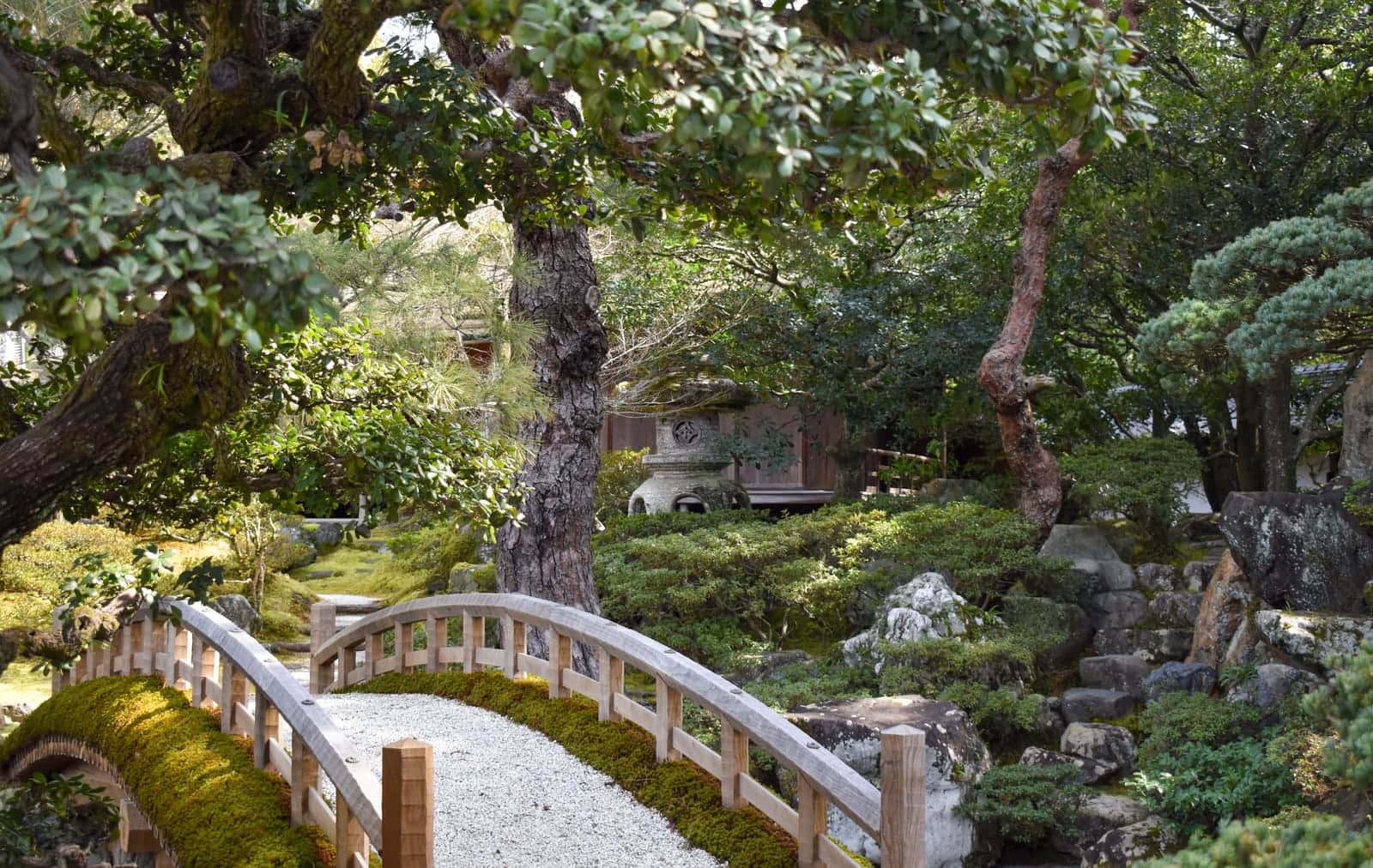
Visit during bellflower season to see the Genji Garden at its most distinctive, with white sand, moss, and purple kikyo blooms.
At a Glance
The temple moved to its current Teramachi Street site in 1573 during Toyotomi Hideyoshi's reorganization of Kyoto.
Rozan-ji was moved to its current Teramachi Street site in 1573 during Toyotomi Hideyoshi's reorganization of Kyoto.
This temple offers 4 different goshuin designs
Same as opening hours
Regular
Regular
Regular
Regular
Facilities
Visit during bellflower season to see the Genji Garden at its most distinctive, with white sand, moss, and purple kikyo blooms.
Visit during bellflower season to see the Genji Garden at its most distinctive, with white sand, moss, and purple kikyo blooms.
If you're interested in festival culture, plan your visit for Setsubun to catch Rozan-ji's demon dance ceremony.
If you're interested in festival culture, plan your visit for Setsubun to catch Rozan-ji's demon dance ceremony.
Seasonal celebrations and special occasions
Kyoto, Kyoto Prefecture
1 recent posts
Share how your visit was to help other travelers.
Aaron Weber checked in
Rozan-ji
Kyoto, Kyoto
More ways to continue from this place.


Within 300 m Within 600 m
Renting needs the operator's app and a Japanese phone number. docomo day passes are sold at convenience stores. Data sources