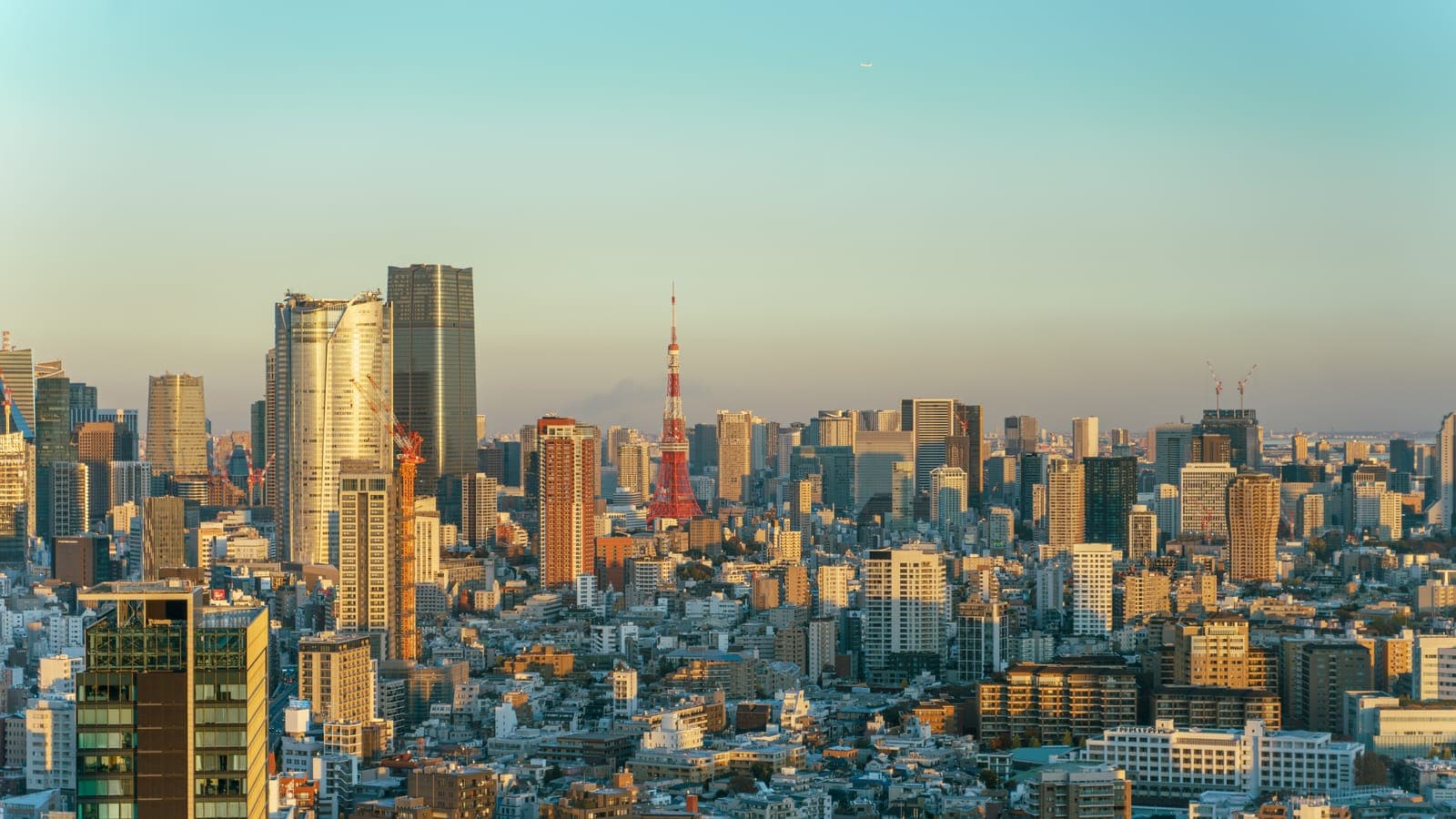
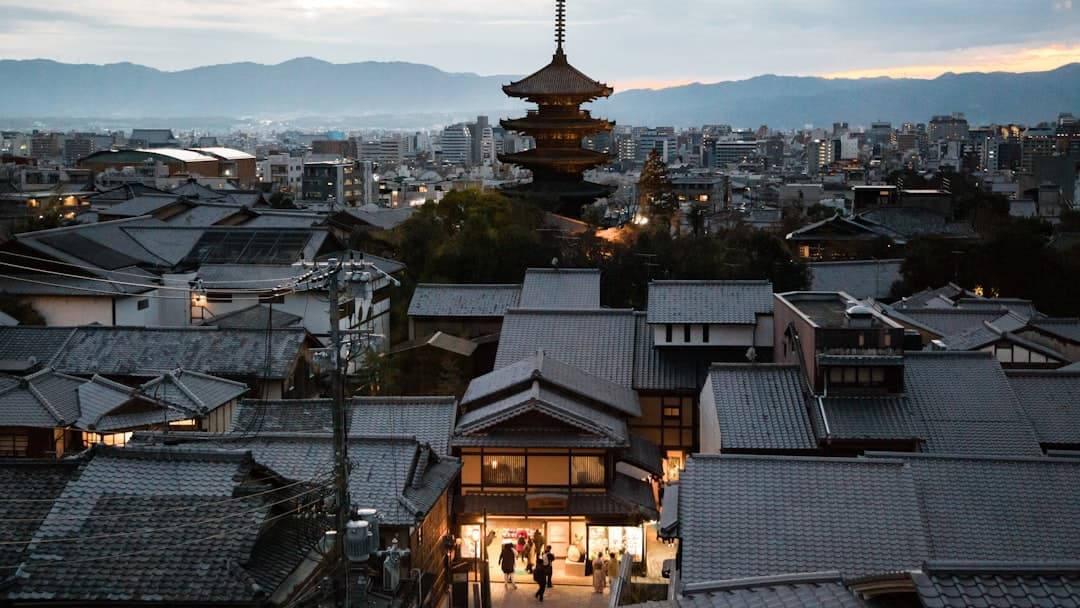
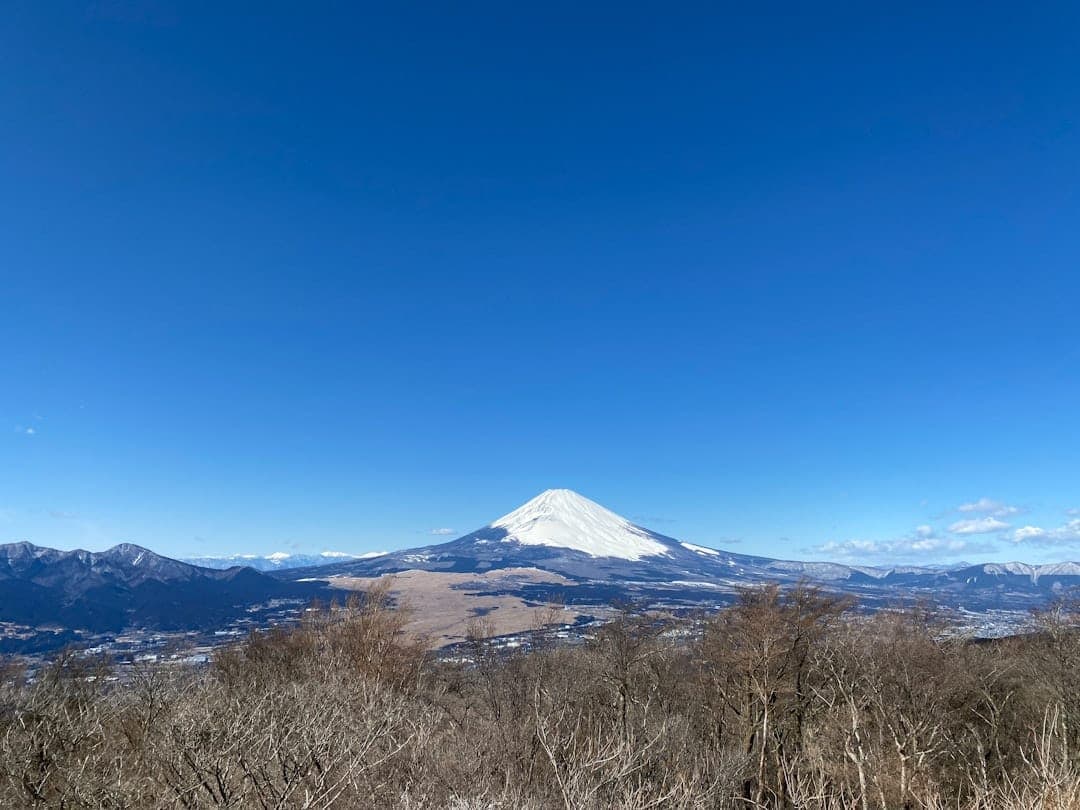
Saitama Prefecture (埼玉県) is in the Kanto region of central Japan, just north of Tokyo. It is known for historic towns such as Kawagoe, river and mountain scenery in the Chichibu area, and busy commuter cities that connect the capital with northern Japan.
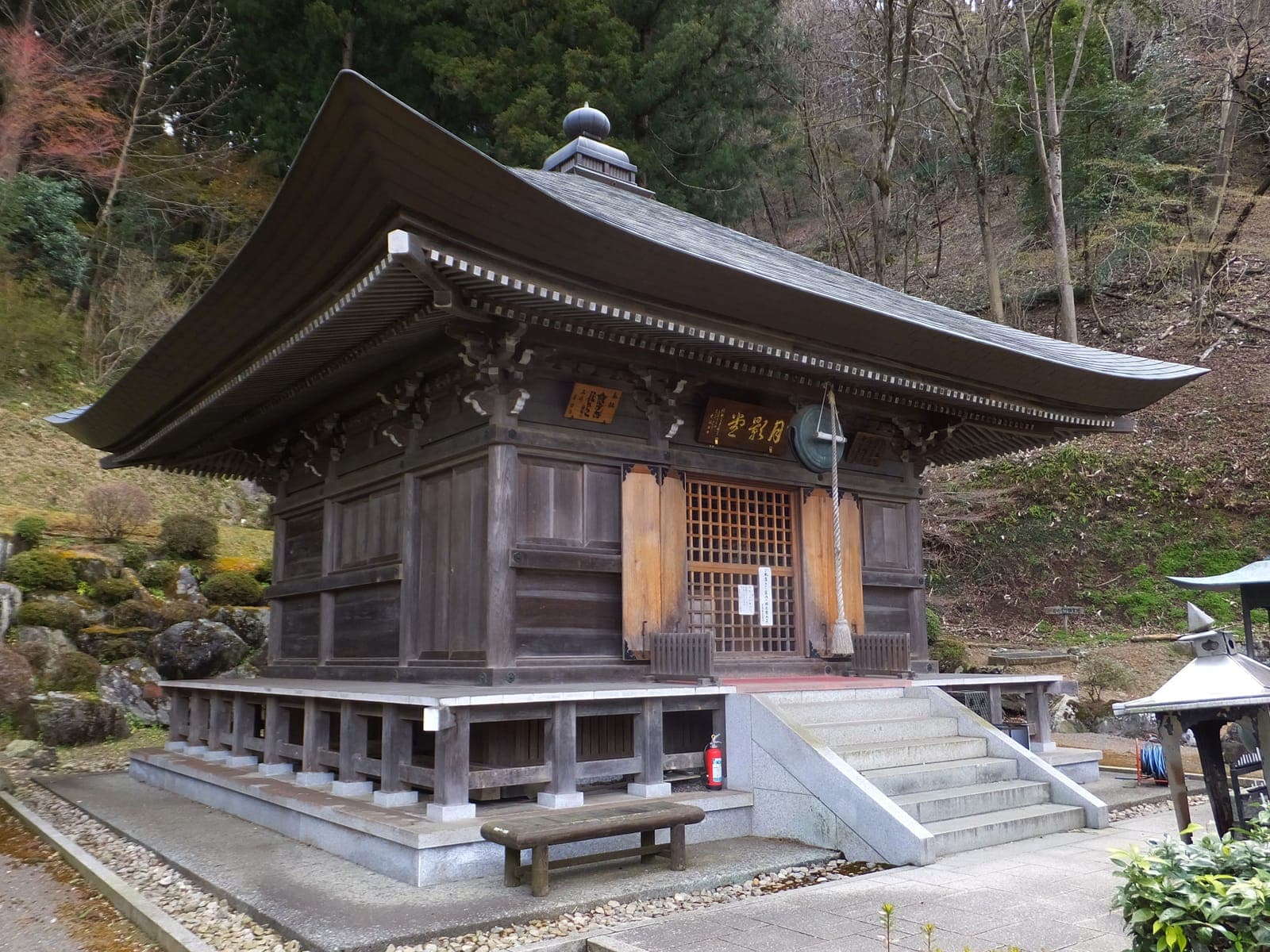
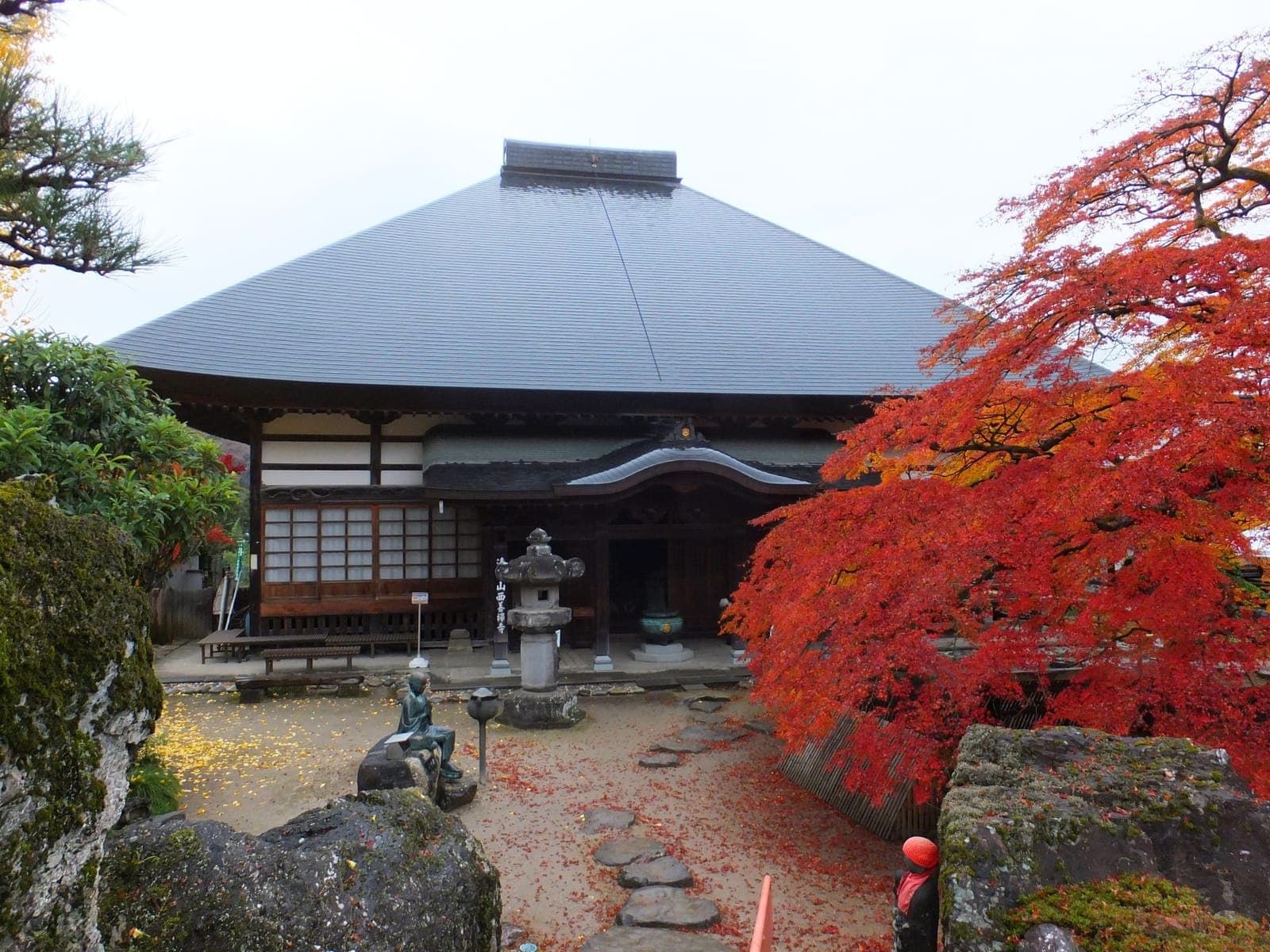
Saizenji is a Zen Rinza sect temple in Yokose, Saitama, at the foothills of the Chichibu range. It is known as the eighth temple of the Chichibu pilgrimage, giving it enduring religious significance as a stop for pilgrims and a local center of Buddhist...
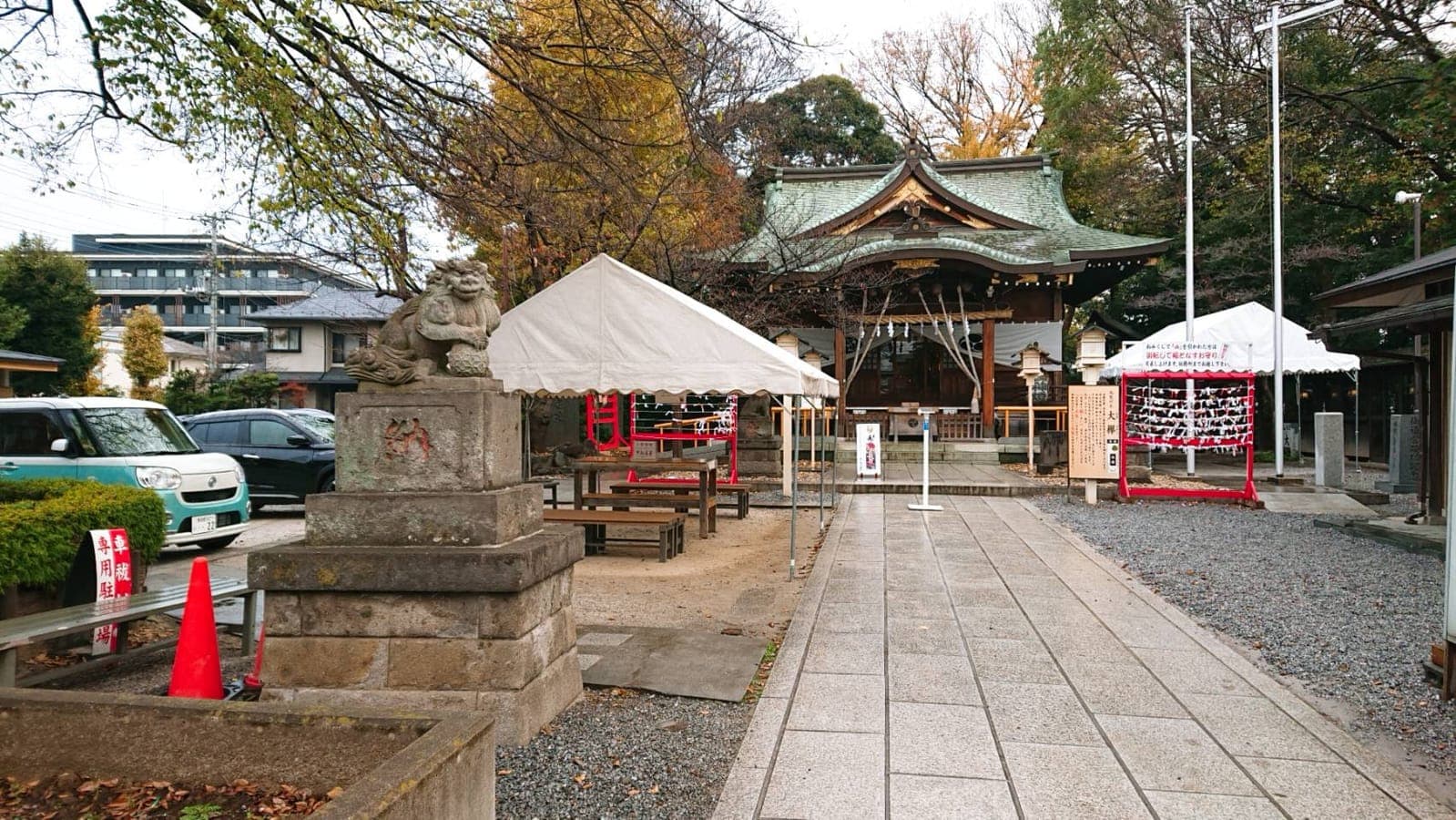
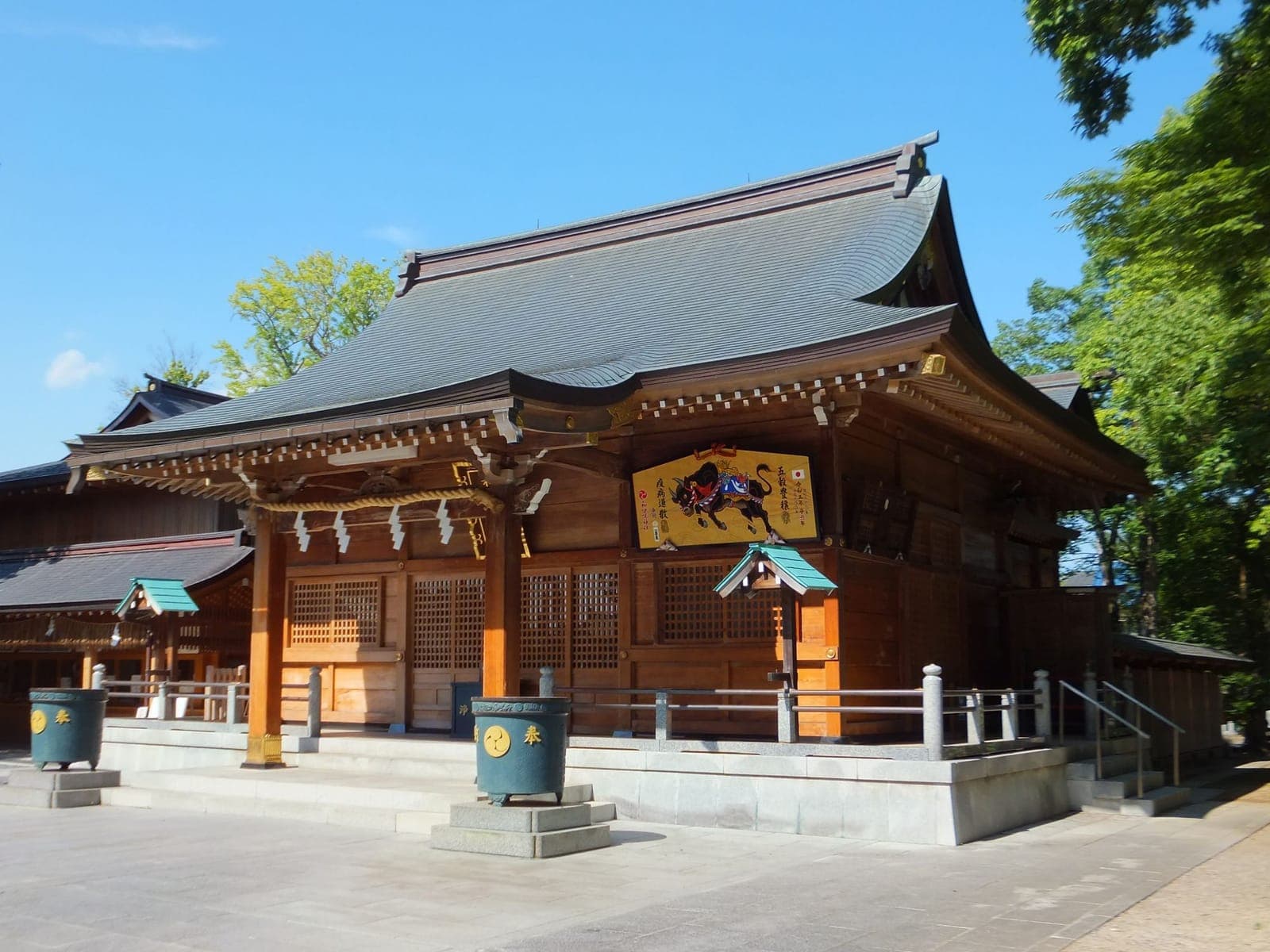
A Suwa shrine in the Kurotsubo district of Hidaka, on the old Koma post town. The Suwa shrine lion dance of Kurotsubo and Umehara, a Hidaka City intangible folk cultural property, is performed on the weekend closest to August 28.
Renkeiji is a Jodo Buddhist temple in central Kawagoe, founded during the Muromachi period. Once one of the Kanto region’s 18 official Jodo educational institutions, it is known for Donryu Hall, the healing statue Obinzurusama, and Fukurokuju, a stop on the...
Why you should go
Arrive during reception hours (10:00-16:00) if you need assistance or want to make a formal prayer, though the temple grounds are open 24 hours and you can view the statues and architecture freely outside these times.
Touch the bright red Obinzuru-sama statue in front of Donryu Hall by placing your hand on the same body part where you're experiencing discomfort, as locals believe this healing Buddha figure can cure illnesses when touched.
Visit on the 8th of any month to experience Donryu Day, when the temple grounds fill with street performers, traditional storytelling (nankingtamasudaré), and flea markets, but expect significantly larger crowds than usual days.
Warabi is a city in Saitama Prefecture, Japan, known for its very small land area and dense urban setting in the Tokyo metropolitan region. It has grown as a commuter city south of central Saitama, with a history shaped by postwar suburban development and...
Jionji is a Tendai Buddhist temple in the Iwatsuki district of Saitama, set amid a quiet residential landscape near the ruins of Iwatsuki Castle. Known by the temple name Jionji, it serves as a local place of worship and a reminder of the area’s long...
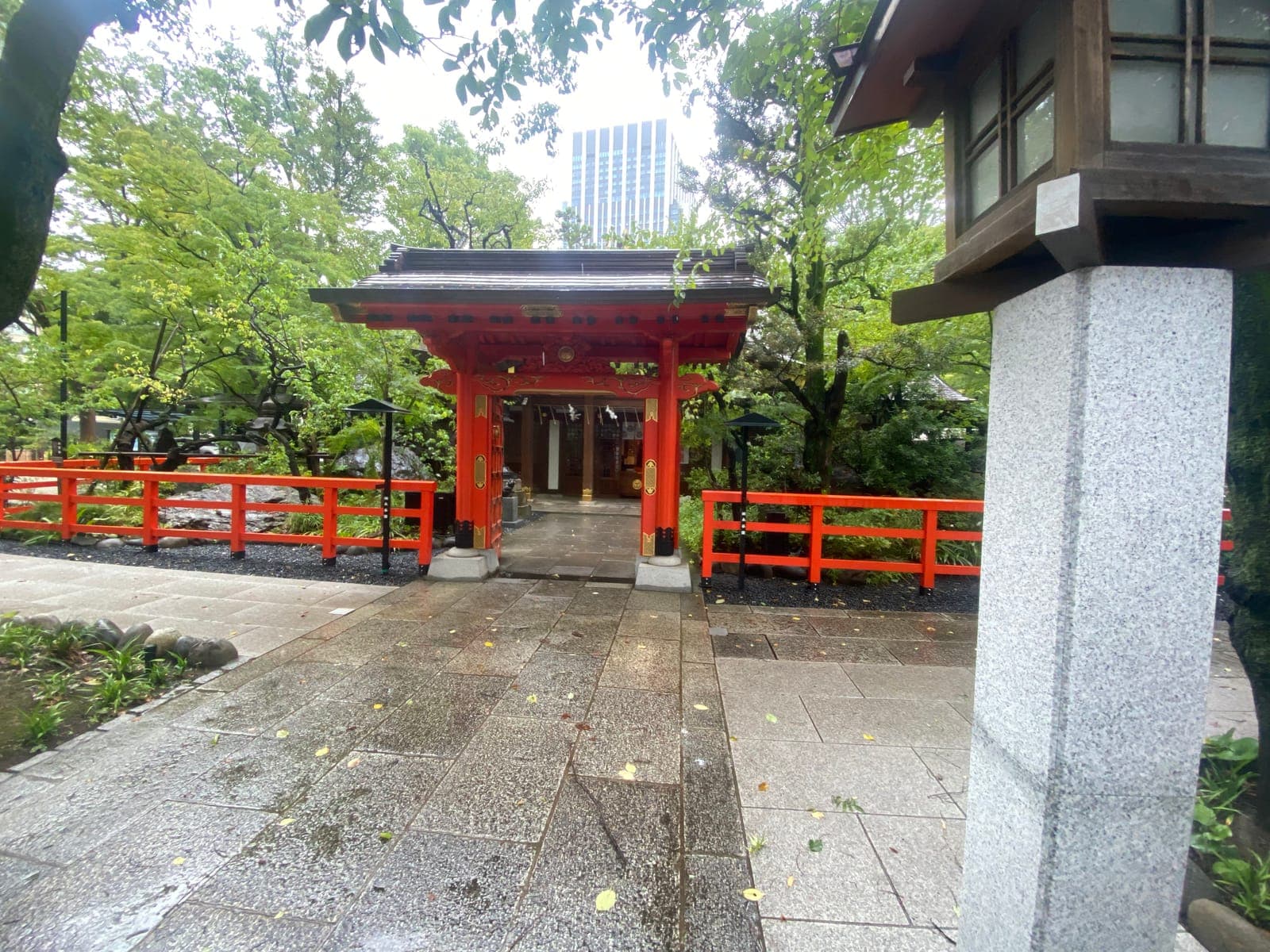
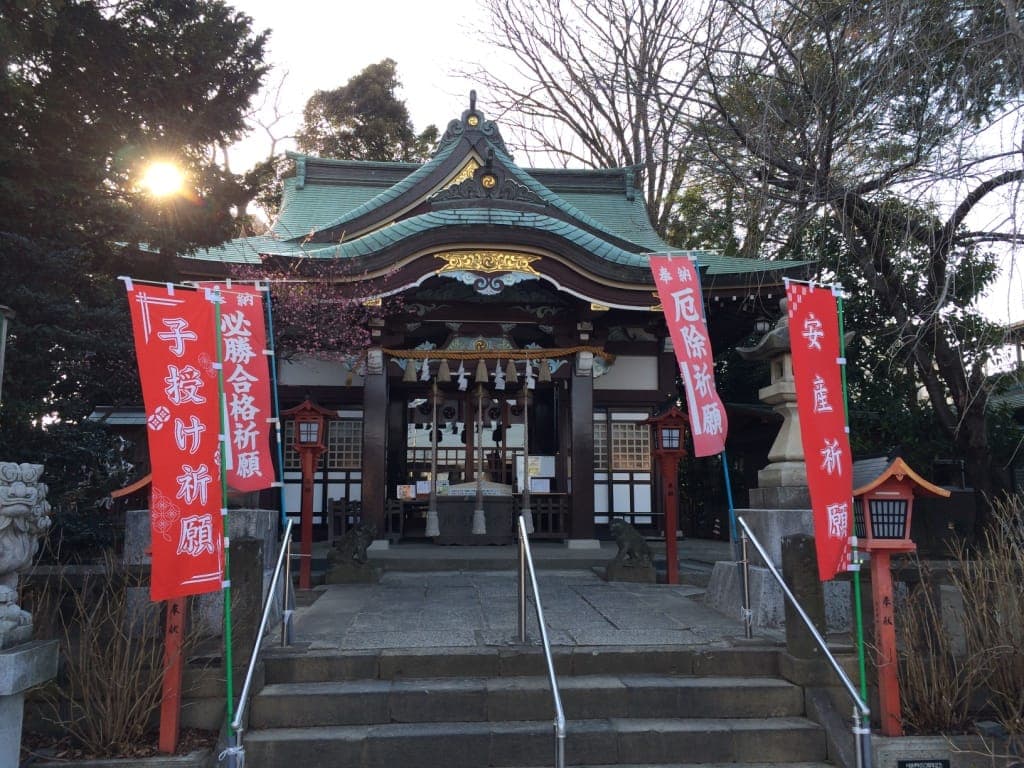
Founded in 1030 by Minamoto no Yorinobu, this historic shrine in Kawagoe, Saitama, is revered as a god of competition. Known for the 'married ginkgo' sacred tree, it attracts students, athletes, and couples seeking blessings for exams, sports, and...
Why you should go
Plan for 30 to 60 minutes to explore the main shrine and its sub-shrines (Senwatari Toshogu and Kawagoe Munakata Shrine are also on the grounds), and bring cash if you want to purchase ema (wooden prayer plaques) or omamori (protective amulets) since card payments are not accepted.
Arrive by 9 AM on weekdays if you want to photograph the shrine's red-painted lanterns and approach (recognized as an Urban Landscape Point Award site) without crowds, since students and athletes flock here during lunch breaks and after school for exam and sports success prayers.
Touch the married ginkgo tree (two ginkgos merged into one since 1933) if you're seeking blessings for relationships or good fortune, as this is a beloved ritual among visitors and especially popular with young women praying for romantic connections.
Naritasan Kawagoe Betsuin is the Kawagoe branch of Naritasan Shinshōji, opened in 1853 when the abandoned Hongyōin was revived around a Fudō Myōō image. Known as Kawagoe no OFudōsama, it holds daily goma rites and the Ebisu seat of the Koedo Kawagoe...
Why you should go
Goma fire rituals are held daily at 9:00, 11:00 and 14:00; arrive a few minutes early if you want to sit inside the main hall.
Seasonal kirie (paper-cut) goshuin are issued in limited runs; check the temple's notices before visiting.
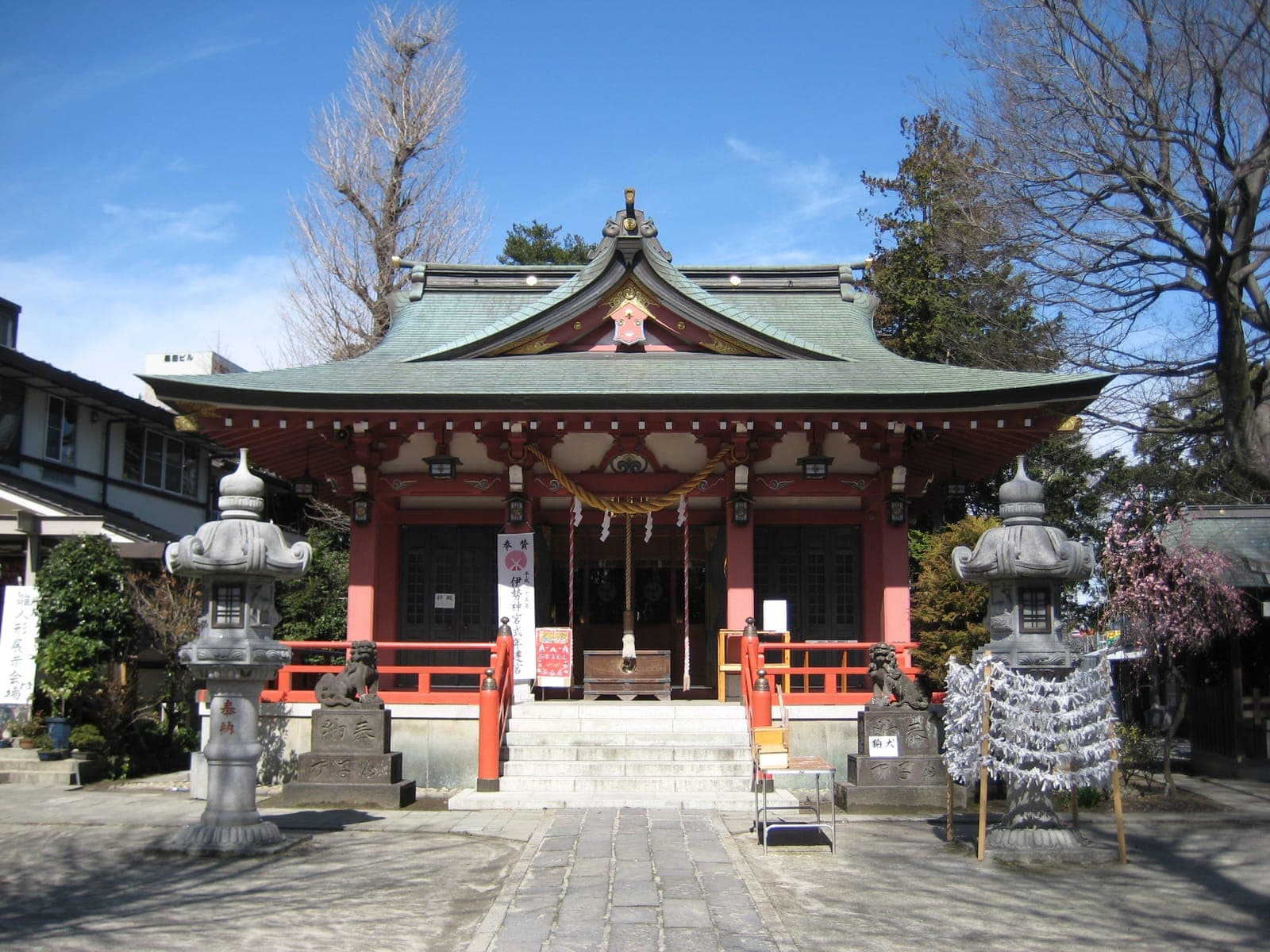
Mitsuwa Hikawa (三ツ和氷川神社) is a Shinto shrine. Set within an urban neighborhood, it serves as a local place of Shinto worship and a useful cultural stop for visitors exploring the area's community shrines and everyday religious landscape.