
The temple's five-story pagoda and main hall have separate admission fees, so plan to spend about 300-500 yen per person to visit the inner Gokuraku-jodo (Paradise Garden) and treasure house. The outer grounds and stone torii gate are free to
At a Glance
Founded by Prince Shotoku in 593, Shitenno-ji is regarded as Japan’s first state-sponsored Buddhist temple. Its reconstructed central precinct preserves one of the country’s earliest formal temple layouts.
Shitenno-ji, founded in 593 CE by Prince Shotoku, is Japan's oldest officially administered temple and predates even the famous Horyuji Temple, making it a cornerstone of Japanese Buddhism's introduction from Korea.
Despite being destroyed by war and natural disasters multiple times throughout history, Shitenno-ji has been faithfully rebuilt in its original 6th-century style each time, with the most recent reconstruction following World War II bombing in 1945.
This temple offers 2 different goshuin designs
Same as opening hours
Regular
Regular
Facilities
The temple's five-story pagoda and main hall have separate admission fees, so plan to spend about 300-500 yen per person to visit the inner Gokuraku-jodo (Paradise Garden) and treasure house. The outer grounds and stone torii gate are free to
Visit Shitenno-ji on the 21st or 22nd of each month for its large flea market (Daishi-e), featuring hundreds of vendors selling antiques, crafts, and street food. Arrive by 8 AM for the best selection before crowds peak at noon.
Visit early around 8:30 AM to see monks perform daily rituals and chanting in the main hall for a more authentic spiritual experience before tour groups arrive. The temple grounds open at 8:30 AM in summer and 8:00 AM in winter.
Bring small coins (5 or 10 yen) for offerings at the various halls in Shitenno-ji, which includes separate areas for Kannon, Taishi-den, and the main Kondo hall. Each area has its own offering box for donations and prayers.
When entering temple buildings, remove your shoes and carry them in plastic bags. Avoid pointing your feet at Buddhist statues while sitting. Photography is usually not allowed inside the main hall and treasure house, but is permitted in the gardens
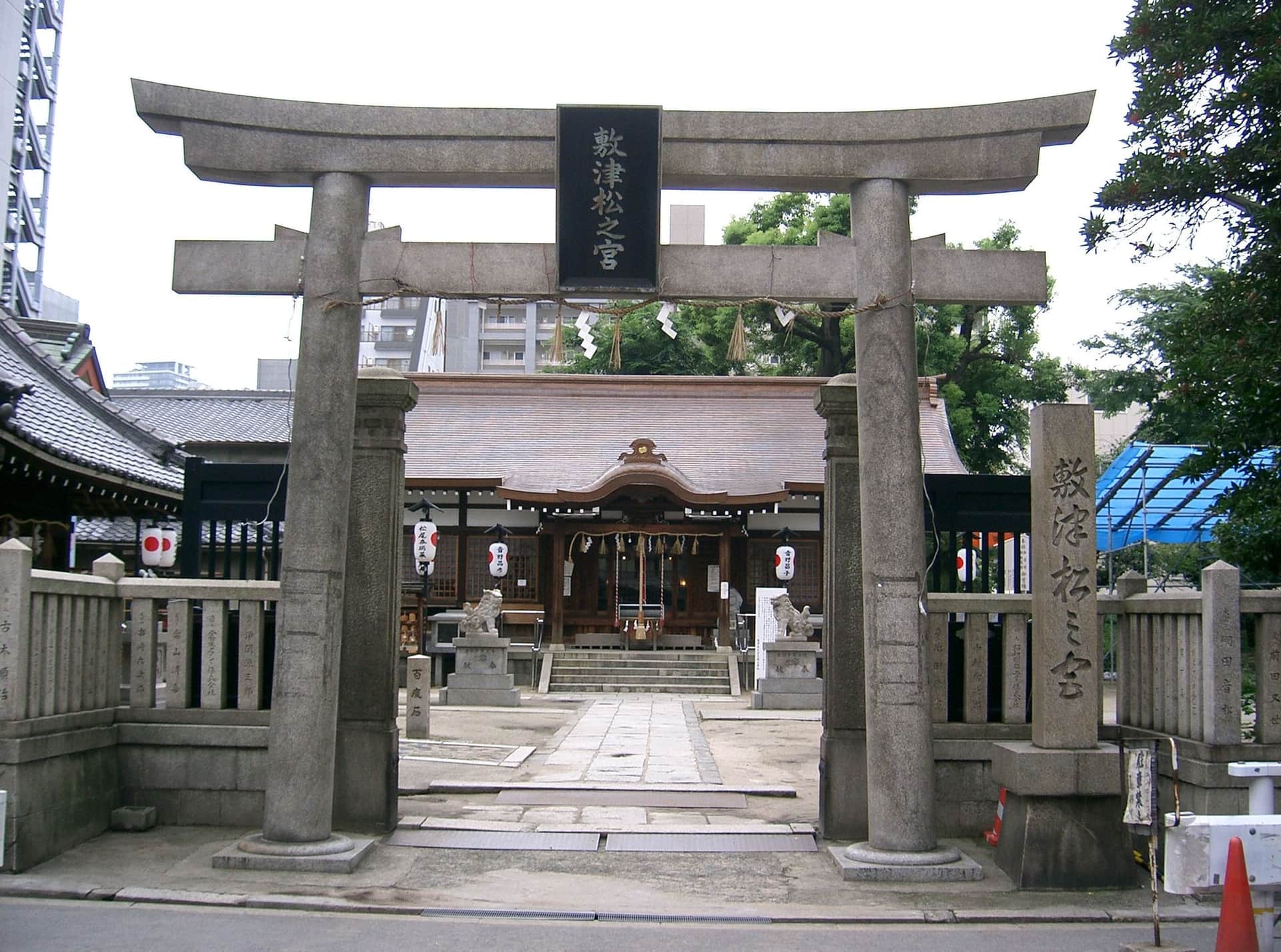
Explore the temple's unique stone torii gate at the western entrance, an unusual Shinto feature at this Buddhist site that reflects Japan's blended religious traditions. This gate marks the traditional entrance for pilgrims approaching from the
The divine spirits venerated at this sacred place
8 structures on the grounds
Hall that houses pictorial narratives of Prince Shotoku’s life (eden).
Seasonal celebrations and special occasions
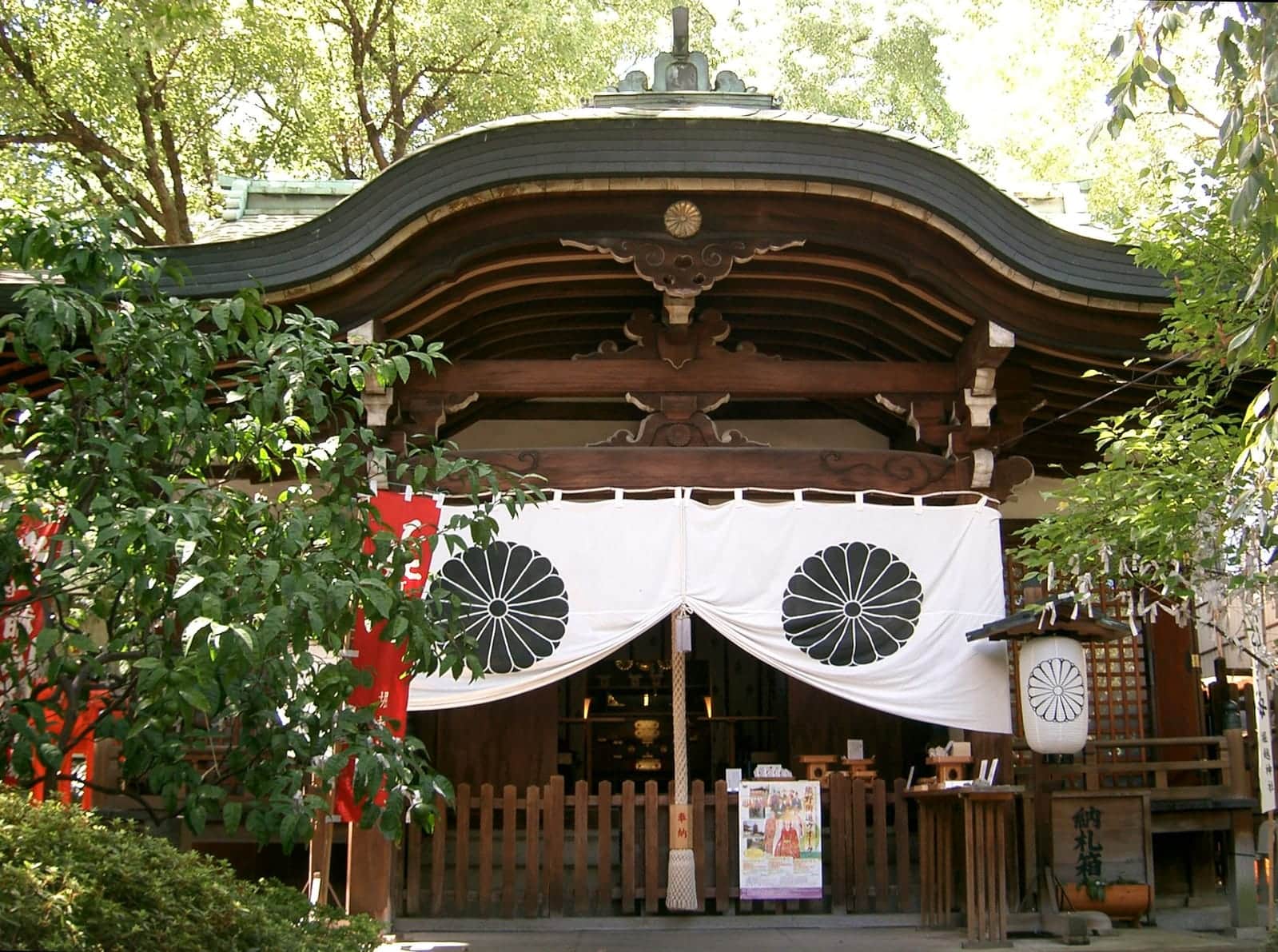
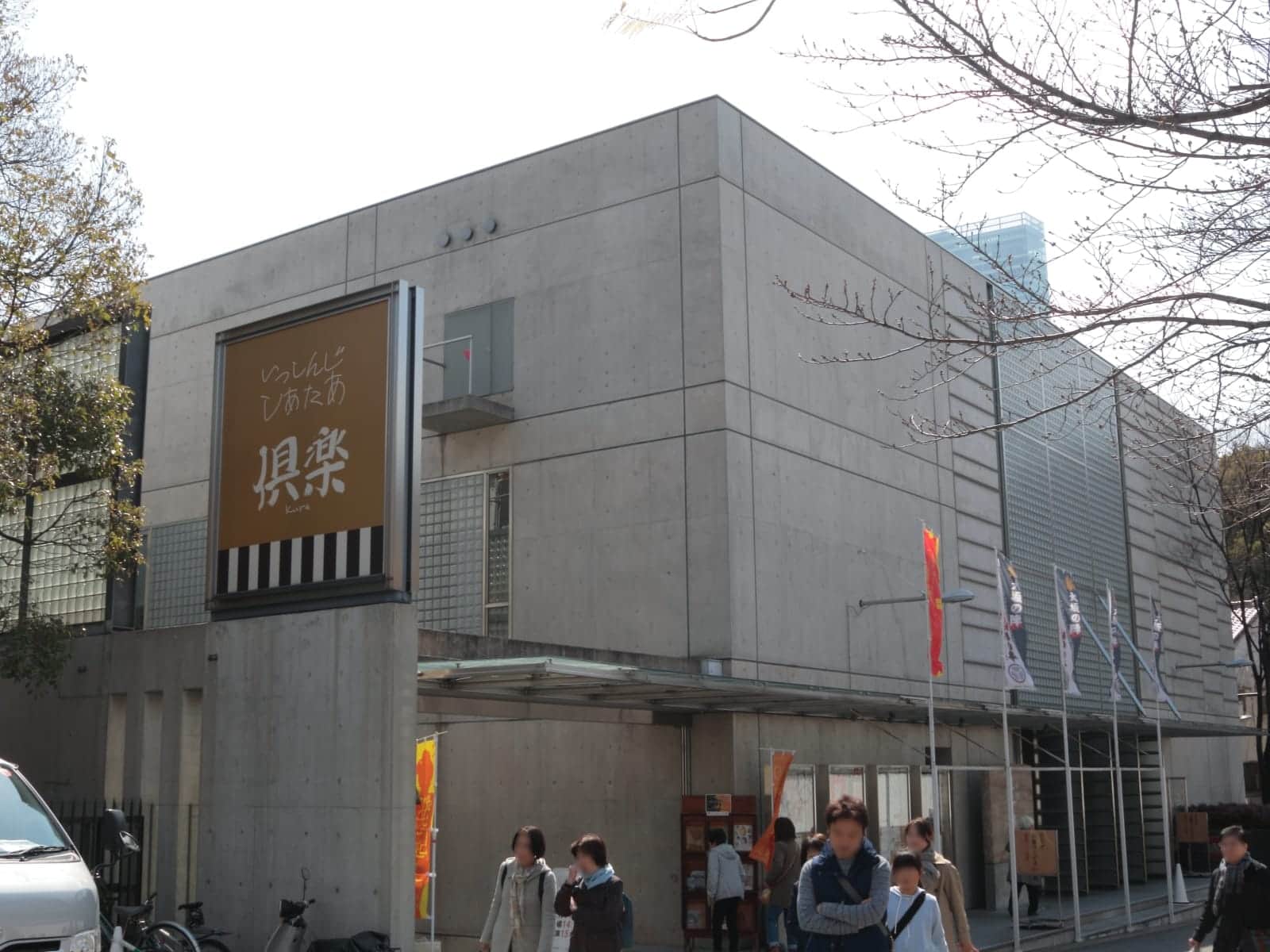
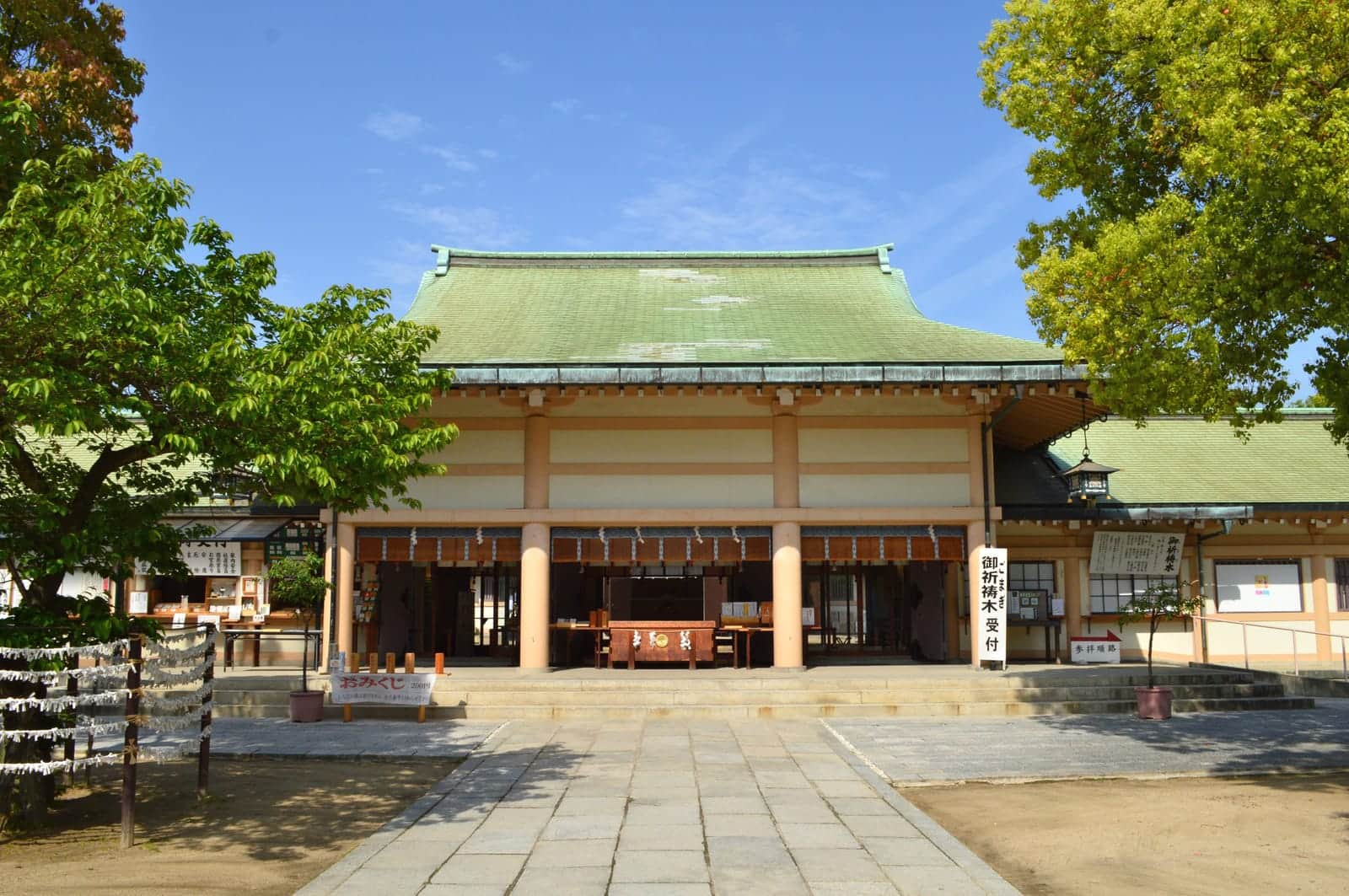
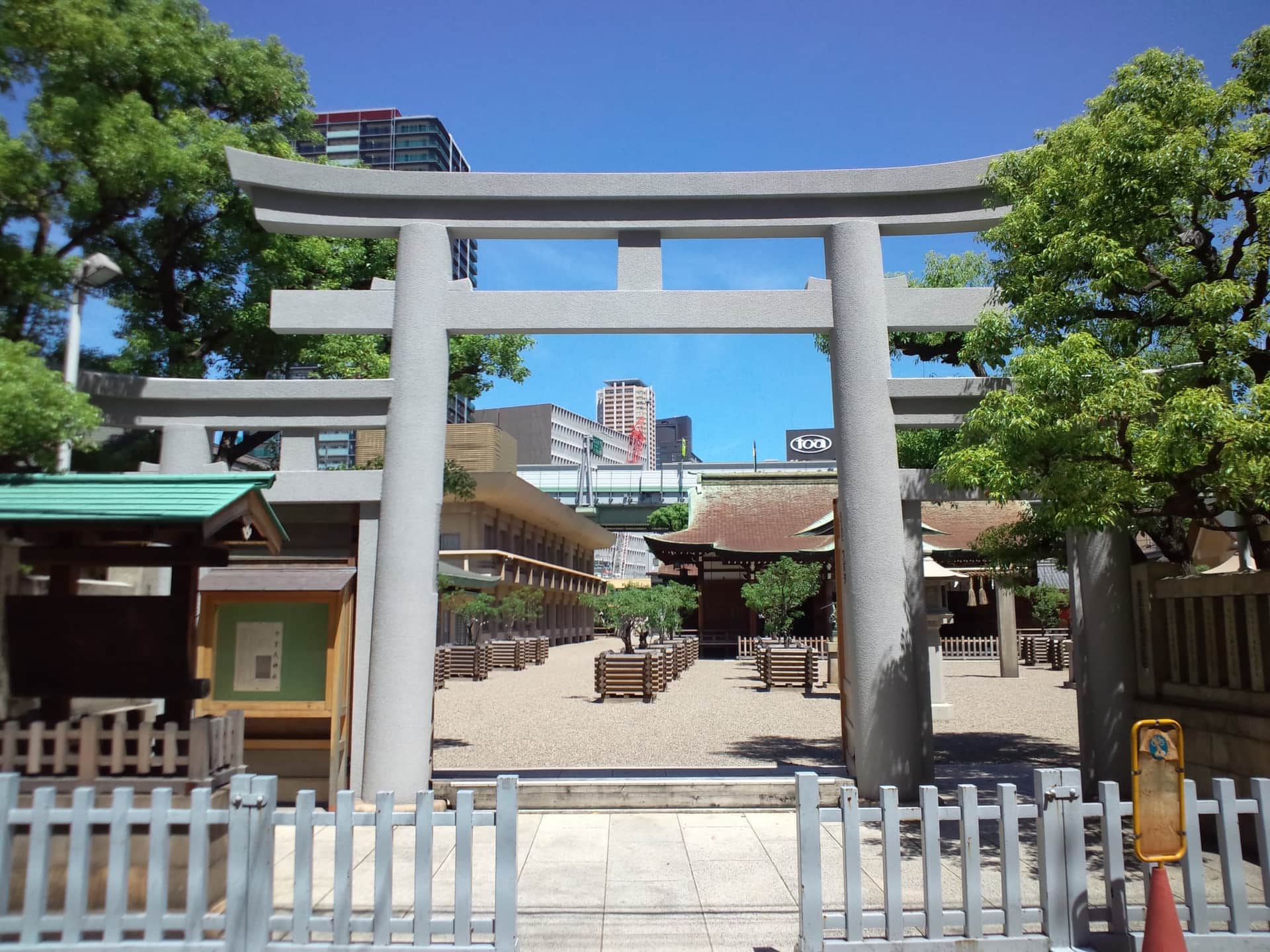
Typical Crowds
Bustling
Visit Duration
90+ minutes
Tennoji, Osaka Prefecture
What this place is believed to grant
More ways to continue from this place.
Within 300 m Within 600 m

F-16.キングレジデンス四天王寺夕陽丘
docomo bike share

パークジャパン 大阪天王寺逢阪第1
HELLO CYCLING
F-08.シーンズ天王寺フロントマークス
docomo bike share
Renting needs the operator's app and a Japanese phone number. docomo day passes are sold at convenience stores. Data sources
8 recent posts
5.0
1 review
Plan to arrive when the grounds open, either 8:00 AM in winter or 8:30 AM in summer, to catch monks performing morning rituals and chanting in the main hall before tour groups show up. If you visit on the 21st or 22nd of the month, a large flea market fills the grounds with antique and craft vendors; get there by 8 AM for the best picks before it peaks around noon.
The outer grounds and stone torii gate at the western entrance are free. Paid areas, including the inner Paradise Garden, main hall, and treasure house, run roughly 300 to 500 yen per person.
 IN
INIsabel Nijhuis checked in
Shitenno-ji
Tennoji, Osaka
 ME
MEMarina Estrella checked in
Shitenno-ji
Tennoji, Osaka


