
Goshuin
Ritual objects御朱印 ・ Reading: ごしゅいん
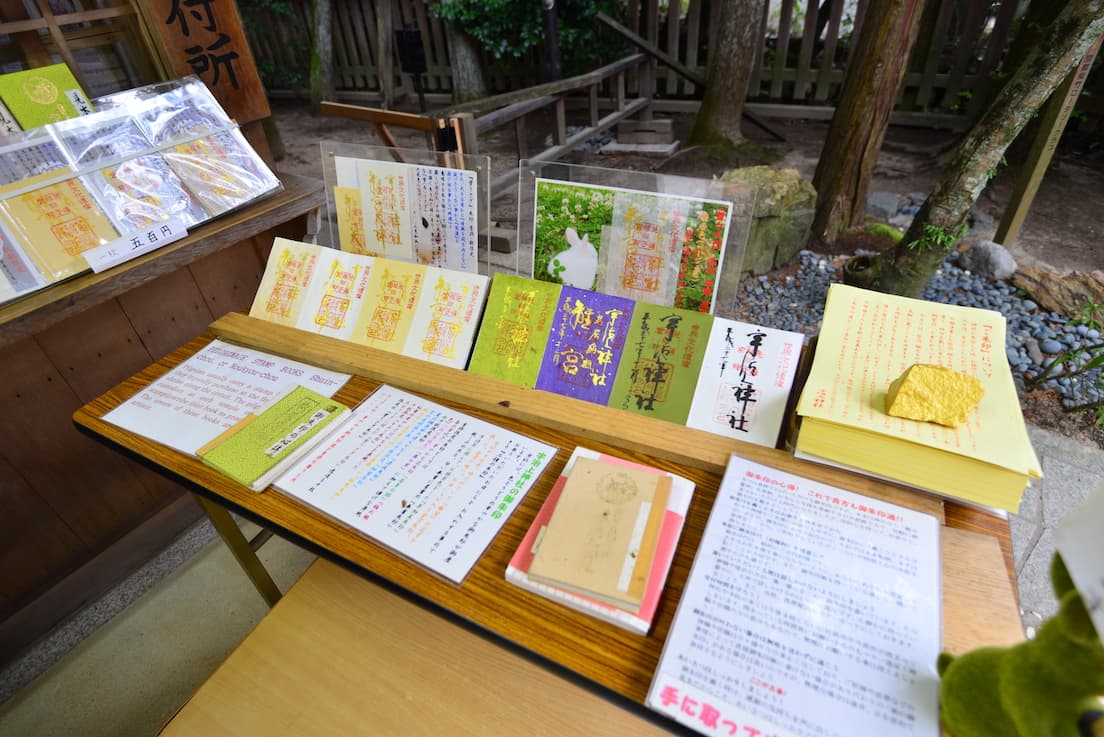
Definition
A goshuin is a hand-brushed seal stamp given at Japanese temples and shrines as proof of a visit, combining red ink stamps with calligraphy. It usually records the name of the site and the date.
What you receive
A goshuin is brushed by hand at the temple or shrine office while you wait. The calligrapher writes the name of the site and the date in flowing sumi ink, then presses one or more red seals over the writing. No two are ever quite the same, which is part of why people collect them.
How to receive one
Pay your respects first, then bring your goshuincho to the office and hand it over open to a fresh page. There is normally a small fee of 300 to 500 yen, so keep coins ready and avoid asking staff to rush.
A record, not a souvenir
A goshuin marks a genuine visit rather than a sightseeing stamp. Collect one only after actually praying, keep the book clean, and never haggle over the fee.
Common questions
- How much does a goshuin cost?
A goshuin usually costs 300 to 500 yen, and it helps to bring small change since many temples and shrines prefer the exact amount.
- Do I need a goshuincho to receive a goshuin?
You normally receive a goshuin directly in a goshuincho, the folding stamp book made for this purpose, though some places also offer a pre-written version on loose paper that you can paste in later.
- What is the difference between a goshuin and a tourist stamp?
A goshuin is a hand-brushed record of a genuine visit given after you pay your respects, while the free self-inking stamps found at stations and attractions are simply souvenirs and are not treated with the same reverence.
Related articles
- A History of Pilgrimage in Japan: From Sacred Mountains to Public RoutesHow ascetic landscapes, institutions, route books, Edo travel, transport, and local hospitality shaped Japanese pilgrimage.
- Best Goshuin in Kyoto: Practical Area RoutesBuild respectful Kyoto goshuin days by district with Goshuin Atlas place records, access planning, and clear last-minute caveats.
- Best Goshuin in Tokyo: Ten Temple and Shrine StopsPlan respectful Tokyo goshuin routes through Asakusa, Harajuku, Setagaya, Shiba, Kanda, and Bunkyo with official verification guidance.
- Cash, Cards, and Payments at Japanese Shrines and TemplesHow offerings, admission, goshuin, sacred-item counters, parking, and cashless acceptance differ within one visit.
- Digital Goshuincho, Visit Photos and Richer MapsOur first update letter brought together Digital Goshuincho, visit photos, collection milestones, and more useful maps on goshuin.com.
- Golden Week 2026 Shrine and Temple GuideUse the official 2026 holiday calendar to plan shrine, temple, transport, accessibility, and goshuin visits during Golden Week crowds.
- Goshuin Atlas 2.2: Audio Guides and Daily OmikujiThe June release introduced audio guides, Daily Omikuji, blessing-based discovery, bulk photo import, and a clearer Explore map.
- Goshuin Atlas 2.3: Private Notes, Glossary and GuidesThe July release added private notes, explanations you can open while reading, curated travel guides, and improvements to everyday use.
- Goshuin Atlas in ChatGPT: Explore the CatalogueSearch the public Goshuin Atlas catalogue in ChatGPT, discover nearby temples and shrines, and explore documented goshuin designs.
- Goshuin Atlas: iPad, Atlas Points and TransportationOur September update brings iPad and Mac support, Atlas Points, train and bus information, Safety Alerts, and more ways to record your visits.
- Goshuin Book Guide: Where to Buy and How to Use a GoshuinchoChoose a goshuin book, find where to buy one in Japan, and learn how to present it at temples and shrines, carry loose sheets, and protect fresh ink.
- Goshuin: Collecting Japan's Temple and Shrine StampsWhat goshuin (御朱印) are, what they cost, how to ask for one politely, and where to start collecting Japan's hand-brushed temple and shrine stamps.
- How to Read Shinto Shrine ArchitectureLearn to read shrine architecture through building roles, roof structure, documented styles, and official case studies from Ise Jingu and Sumiyoshi Taisha.
- How to Visit a Buddhist Temple in JapanFollow Buddhist temple etiquette from the gate through incense, prayer, hall entry, photography, and receiving a goshuin.
- How to Visit a Shinto Shrine in JapanA practical shrine etiquette guide covering torii, temizu, offerings, prayer, goshuin, photography, accessibility, and local exceptions.
- Introducing the Goshuin Database: Records That LastA public catalogue built around individual goshuin designs, with permanent IDs, verification, citations, and room for deeper research.
- Japanese Matsuri Etiquette: How to Attend with RespectHow to attend shrine and temple festivals without obstructing processions, rituals, residents, or invited participants.
- Luggage, Restrooms, and Visitor Facilities at Japan’s Sacred SitesHow to plan storage, toilets, office hours, food, connectivity, and family facilities without assuming every sacred site offers them.
- Photography at Japanese Shrines and Temples: A Respectful GuideHow to photograph sacred sites respectfully, from changing no-photo zones and ceremony privacy to tripods, drones, and sacred objects.
- Planning an Accessible Shrine or Temple Visit in JapanA route-based approach to mobility, toilets, surfaces, staff-assisted access, sensory load, and dignified trip planning.
- Sacred Items at Japan’s ShrinesLearn how ofuda, omamori, ema, and omikuji differ, what visitors do with each one, and why not every sacred object is an offering.
- Seasonal Goshuin and Kakioki: What ChangesDistinguish seasonal goshuin, direct writing, separate-paper kakioki, and decorative formats while checking current official availability.
- Seven Lucky Gods Pilgrimages in JapanChoose a local Shichifukujin pilgrimage, verify its season and stops, worship at mixed shrines and temples, and record route seals.
- Shakyo and Shabutsu: Buddhist Tracing PracticeUnderstand sutra copying and Buddha-image tracing, choose a temple program, prepare respectfully, and follow its local rules.
- Shinbutsu Shugo: Why Shrines and Temples Share Japan’s Sacred LandscapesA history of the long relationship between kami and buddhas, Meiji separation, and the layered sacred landscapes visitors still encounter.
- Shoes, Thresholds, and Sacred Interiors in JapanA practical guide to removing shoes, crossing raised thresholds, using slippers, entering tatami rooms, and protecting historic interiors.
- Shrines and Temples in Japan: How to Tell Them ApartRecognize Shinto shrines and Buddhist temples using names, buildings, worship methods, and local guidance without relying on misleading visual shortcuts.
- Shukubo: How to Plan a Temple Stay in JapanPlan a respectful temple stay in Japan, from choosing a shukubo and understanding meals to joining services and checking current house rules.
- Temizu: Water Purification Before WorshipUse temizu respectfully at Japanese shrines, including ladle, running-water, suspended, and flower-basin arrangements, while following current local instructions.
- Why Japan Rebuilds Sacred Sites: Renewal, Reconstruction, and Living HeritageHow ritual renewal, disaster reconstruction, conservation, and craft transmission create different layers of authenticity.