
On this page
Key takeaways
- A history of the long relationship between kami and buddhas, Meiji separation, and the layered sacred landscapes visitors still encounter.
- The modern labels “Shinto shrine” and “Buddhist temple” are useful, but they can make Japan’s religious history look tidier than it was.
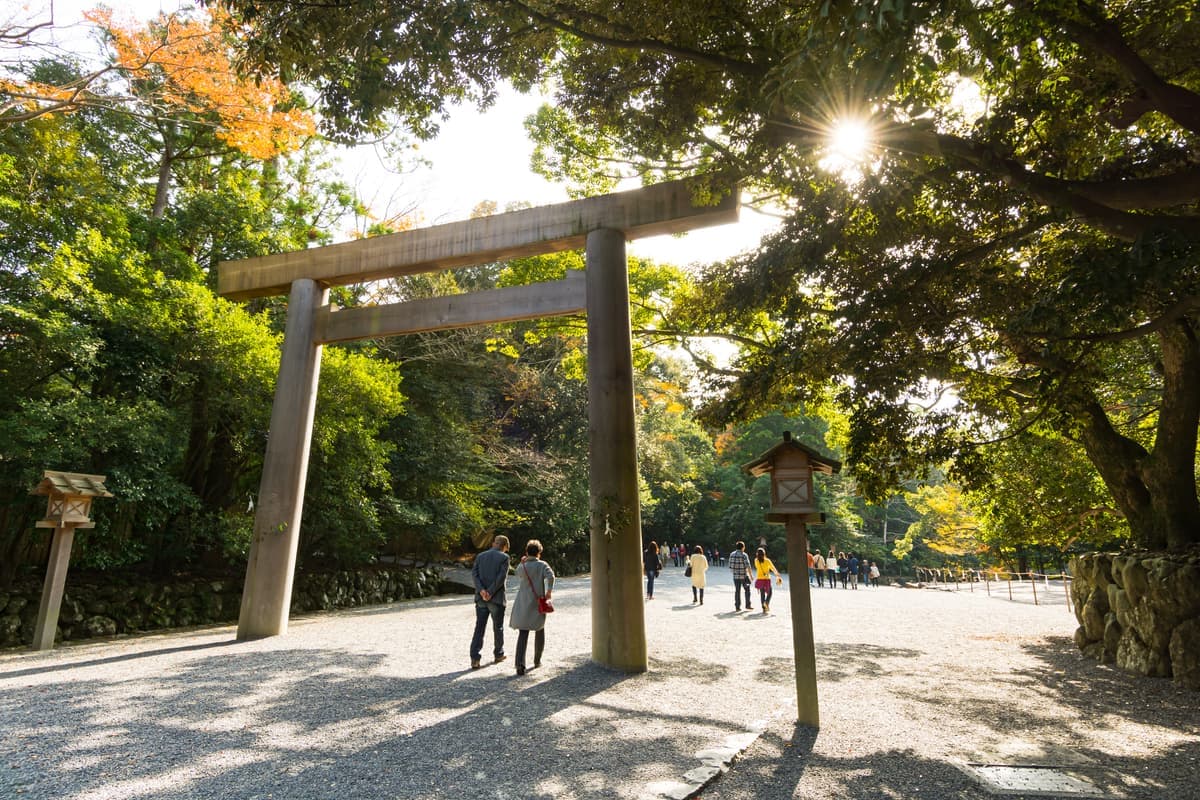
- Understanding that history explains why a torii may stand near a Buddhist hall and why a temple story may include a local kami.
Shinbutsu Shugo: Why Shrines and Temples Share Japan’s Sacred Landscapes
The modern labels “Shinto shrine” and “Buddhist temple” are useful, but they can make Japan’s religious history look tidier than it was. For many centuries, kami and buddhas were worshipped in connected institutions and interpreted through shared ideas. They were also encountered on the same mountains and pilgrimage routes. This long history is called shinbutsu shūgō (神仏習合), the combination or interweaving of kami worship and Buddhism.
Understanding that history explains why a torii may stand near a Buddhist hall and why a temple story may include a local kami. It also explains why an institution separated in the nineteenth century can still occupy a landscape shaped by both traditions.
Buddhism entered a world that already honored kami
Buddhism reached Japan through the Asian continent in the sixth century. It did not simply replace local ritual life. Courts and clans gradually developed ways to relate Buddhist teachings to kami, and temple and shrine communities contributed to that process as well. Those kami were associated with place and ancestry, and also with protection, harvest, and political authority.
One early model treated kami as beings who could receive Buddhist teaching or benefit from Buddhist rites. Shrine-temple complexes developed, and Buddhist monks performed ceremonies connected to kami. Over time, more elaborate interpretations identified particular kami with buddhas or bodhisattvas appearing in local form.
The result was not one uniform combined religion. Relationships differed by school and region, and also varied by patron and period. The shrine and temple recognition guide can identify present-day institutions, but a historical site may preserve evidence that resists a simple checklist.
Sacred mountains made combination visible
Mountain worship brought Buddhist cosmology and ascetic practice into especially close contact with local sacred geography. At places such as Kumano and Dewa Sanzan, routes and deities developed together over centuries. Mount Fuji followed a similar pattern. Buddhist figures and practices were part of that same long development.
The Agency for Cultural Affairs nomination materials for Mount Fuji note that the Meiji government’s 1868 separation decree changed institutions that had combined Shinto and Buddhism. Shikoku pilgrimage materials likewise describe temples and shrines as parts of one long history, with ascetic training woven throughout. That history also encompasses Kōbō Daishi devotion and later government separation.
A sacred landscape is therefore more than a collection of independent buildings. The approach and waterfall can belong to a historical system of practice even when administrative boundaries are now separate. The mountain peak may belong to that same system. The same is true of a subsidiary shrine or hall within that landscape, as well as any route connecting them.
Honji suijaku gave the relationship a theory
A major medieval framework is called honji suijaku (本地垂迹). In simplified terms, a buddha or bodhisattva could be understood as the original ground, while a kami was its local manifestation. This did not reduce every kami to the same status or produce one fixed chart. It offered a powerful way to explain how Buddhist salvation and local divine presence could coexist.
Other interpretations reversed or challenged that hierarchy, and some complicated it further. Religious history changed through debate as well as combination. It is safer to say that kami and buddhas were connected through multiple theories than to claim that Shinto and Buddhism “became one religion.”
This nuance matters when reading temple legends. A story that identifies a kami with a Buddhist figure records a historical way of understanding sacred power. It is not necessarily the institution’s current official teaching.
The Meiji government ordered separation
In 1868, the new Meiji government issued measures to distinguish kami and buddhas and reorganize religious institutions. This process is commonly called shinbutsu bunri (神仏分離), the separation of Shinto and Buddhism. Images and clergy were reassigned or removed in many places, and buildings were affected as well. Names and ritual roles were subject to the same process.
Separation also contributed to haibutsu kishaku (廃仏毀釈), anti-Buddhist destruction and suppression that varied by region. Temples lost property and images were damaged or dispersed. Practices also changed as a result. These consequences should not be described as an orderly correction of two traditions that had always been separate.
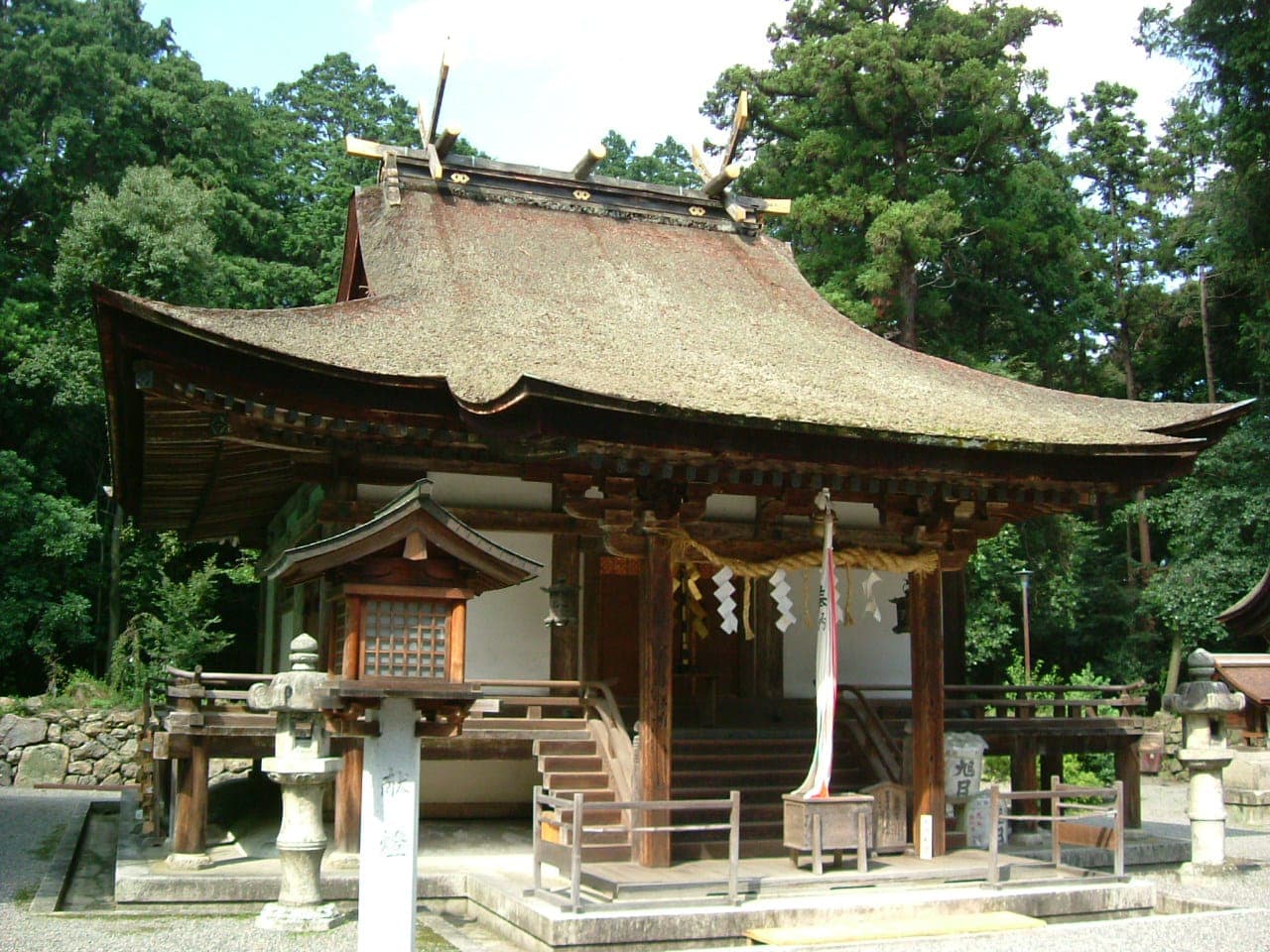
The state’s categories had lasting effects, but they did not erase a millennium of local memory. A shrine and temple standing side by side today may be the survivors or successors of a previously integrated complex.
Read present-day sites without collapsing their identities
Historical combination does not mean visitors should mix current worship procedures. At a present-day Shinto shrine, follow its shrine guidance. At a Buddhist temple, pray according to its temple guidance and normally do not clap. The Shinto etiquette guide and Buddhist etiquette guide keep those contemporary practices clear.
At the same time, look beyond one gate or icon. Ask whether a subsidiary building or festival preserves an older connection, and consider whether a pilgrimage route does the same. A mountain name or local legend may do the same. The glossary entry for shinbutsu shūgō can anchor unfamiliar terminology while you explore individual place histories.
Treat official institutional accounts as the best source for current identity. Use cultural-property records and museum research to understand earlier layers. Historical scholarship is equally valuable for that purpose. A travel article should never turn a complex site into a visual guessing game.
What this history changes for a Goshuin Atlas visitor
Shinbutsu shūgō changes the questions worth asking. Instead of only “Is this a shrine or a temple?”, consider:
- What was the larger sacred complex before Meiji separation?
- Which mountain, kami, buddha, or bodhisattva connected its institutions?
- Did a pilgrimage route preserve relationships that administration later divided?
- Were buildings or images moved, renamed, or lost?
- Which practices continue locally today?
Those questions reveal why Japanese sacred geography often feels layered. The overlap is not an error in the map. It is evidence of history.
Sources
- Agency for Cultural Affairs: Mount Fuji World Heritage nomination materials
- Shikoku Pilgrimage Information Center: Glossary and Trivia
- Shikoku Pilgrimage Information Center: History of the Shikoku Pilgrimage
- Agency for Cultural Affairs: Introduction to Cultural Properties
Historical terminology and institutional references were reviewed on July 29, 2026.