

On this page
Key takeaways
- Recognize Shinto shrines and Buddhist temples using names, buildings, worship methods, and local guidance without relying on misleading visual shortcuts.
Recognize Shinto shrines and Buddhist temples using names, buildings, worship methods, and local guidance without relying on misleading visual shortcuts.
Japan's Shinto shrines and Buddhist temples are distinct religious institutions, even when history and neighborhood life place them beside one another alongside shared architecture. A torii often points to a shrine. A roofed gate, Buddhist images, or incense often points to a temple. The presence of a cemetery can also be a strong indicator. None of those clues should replace the place's official name and signs.
The practical difference is worship. At many shrines, visitors bow twice and clap twice before praying, then close with a final bow. At Buddhist temples, visitors normally bring their palms together without clapping. Local instructions take priority because famous institutions and individual traditions may use a different sequence.
Before decoding architecture, read the entrance sign. An official map or place page can also clarify the institution. A Shinto shrine is commonly called jinja (神社) or jingū (神宮). Other titles include taisha (大社) and additional shrine designations. A Buddhist temple commonly uses tera or dera (寺) in its name. The suffix ji (寺) or in (院) also appears frequently.
Names can still be difficult for a visitor who does not read Japanese, so use several clues together:
| Question | Shrine clue | Temple clue |
|---|---|---|
| What is the place called? | Jinja, jingū, taisha | Tera, dera, ji, in |
| What marks the approach? | Often a torii | Often a roofed gate such as a sanmon |
| What is visibly enshrined? | The sacred focus may not be displayed | Buddhist images may be visible in halls |
| What is used in worship? | Offering box, sometimes a bell, bows and claps | Incense, bell, palms together without clapping |
| What other spaces appear? | Haiden, honden, subsidiary shrines | Hondō, pagoda, lecture halls, cemetery |
This table is orientation, not a legal definition. Some shrine precincts contain Buddhist traces and some temples contain small shrines. Modern gates or reconstruction can further complicate the view.
Shinto worship centers on kami (神), sacred presences connected with places and natural forces. Communities, ancestors, and particular traditions are also part of that relationship. Jinja Honcho's official materials describe a shrine as a place for venerating kami, supported by ritual and festivals as well as community life.
A torii marks entry into shrine space, but torii vary in material and color. They can be unfinished wood or stone. Metal and painted vermilion are also found. Do not expect every shrine to begin with a bright red gate.
Inside, the haiden (拝殿) is the worship hall visitors commonly approach. The honden (本殿) is the sanctuary connected with the kami and is normally not open as a general visitor room. The sacred object or goshintai (御神体) may not be visible or publicly identified.
Architecture varies far beyond “natural wood and straight roofs.The Shinto shrine architecture guide explains honden and haiden alongside chigi, katsuogi, shinmei-zukuri, and sumiyoshi-zukuri without turning visual clues into universal rules.
Buddhist temples support worship, teaching, and monastic or clerical practice. Memorial rites and the care of Buddhist images and texts are also central functions. Japan contains many Buddhist schools, so a single visitor sequence cannot describe every temple.
A substantial roofed gate may be called a sanmon (山門), but temples use several gate names and forms. Beyond it, the main hall is often called a hondō (本堂). Buddhist images, incense burners, and pagodas are common clues; bells, lecture halls, and cemeteries may also be present. Not every temple has all of them.
Incense is associated with Buddhist worship at many temples. Follow the local method for offering it and avoid breathing smoke directly from another person's stick. When praying, bring the palms together quietly. Do not clap unless the temple explicitly instructs visitors to do so.
Senso-ji in Tokyo and Kiyomizu-dera in Kyoto are prominent temple examples. Their crowds and architecture differ, which is another reason to use the individual institution rather than a generic visual stereotype.
For centuries, kami worship and Buddhism interacted through a history often discussed as shinbutsu-shūgō (神仏習合), the combination or coordination of kami and Buddhist traditions. Religious sites could contain institutions and explanations connected with both.
Government policy in the early Meiji period formally separated kami and buddhas, and many complexes and objects were reorganized along with their associated practices. The earlier relationship did not vanish from landscape or memory. A temple may still stand near a shrine, and a shrine precinct may preserve a feature that makes more sense in that longer history.
Do not conclude that shrines and temples are therefore “the same religion.” Shared history is not interchangeability. Use the correct institution's worship method and terminology. Photography rules also vary by institution and should be followed accordingly.
The detailed Shinto shrine visit guide explains each step. A practical outline is:
The “center is for the kami” explanation is common etiquette, but safety and local routing matter. Do not step into vehicle traffic or obstruct a procession to perform it perfectly.
At a temple, enter through the visitor route and follow any gate or hall instructions. Some visitors bow lightly at the gate. If a purification basin is provided for public use, follow its current arrangement.
At the main hall:
Photography permission can change from the grounds to the hall interior. A camera icon crossed out at a doorway applies even when outdoor photography is allowed. Never photograph worshippers or clergy at close range without consent.
Both shrines and many temples may bestow goshuin, but not every institution does. A goshuin is connected with worship, not proof that shrine and temple practice are identical.
Pray first and find the reception point before presenting a proper goshuincho. Some Buddhist schools or institutions do not issue goshuin, and a closed office is not an invitation to search private buildings. The complete goshuin guide covers reception signs and loose-sheet goshuin as well as current offering amounts.
Visitors often worry about saying “temple” when they mean “shrine.” Correct terminology is worthwhile, but behavior carries more weight.
When uncertain, pause and read the available signage. Then follow the people responsible for the site.
It is a strong shrine clue, but site history and mixed precincts can complicate the picture. Confirm the official name.
Normally no. Buddhist worship commonly uses palms together without clapping. Follow a temple's own instructions if they differ.
No. Color does not identify the religion. Buddhist temples can also use vermilion, and many shrines use unpainted wood or stone.
Yes, mixing them is generally acceptable, though an individual institution can set its own policy.
Shrines and temples can appear intertwined because they developed together for centuries. In 1868, the new Meiji government began policies that formally separated Shinto and Buddhism. More than 150 years later, older layouts and shared place histories still preserve evidence of the earlier relationship often called shinbutsu shugo. Small subsidiary structures contribute to that evidence as well.
This is why one gate or color should never overrule the institution's official name and signs. A single statue is equally insufficient as a determining factor.
Use the shrine and temple examples below as orientation, then open the matching Goshuin Atlas place record to confirm its type and map position as well as its official website and visitor information. Saving the verified record also prevents a translated spelling from becoming a duplicate place.
A torii is a strong shrine clue, but the official name remains decisive.
Temple halls, Buddhist images, and incense are useful clues when read together.
When you build a Journey, keep the place type visible in the plan. That small distinction helps you switch worship etiquette correctly and makes the resulting route more educational than a list of photo stops.
Institutional guidance was checked on July 30, 2026. Follow current signs and official pages at the place you visit.
Goshuin guides follow our cultural accuracy and source-review standards. Editorial standards
Reviewed by David Dias on July 29, 2026
Choose a goshuin book, find where to buy one in Japan, and learn how to present it at temples and shrines, carry loose sheets, and protect fresh ink.
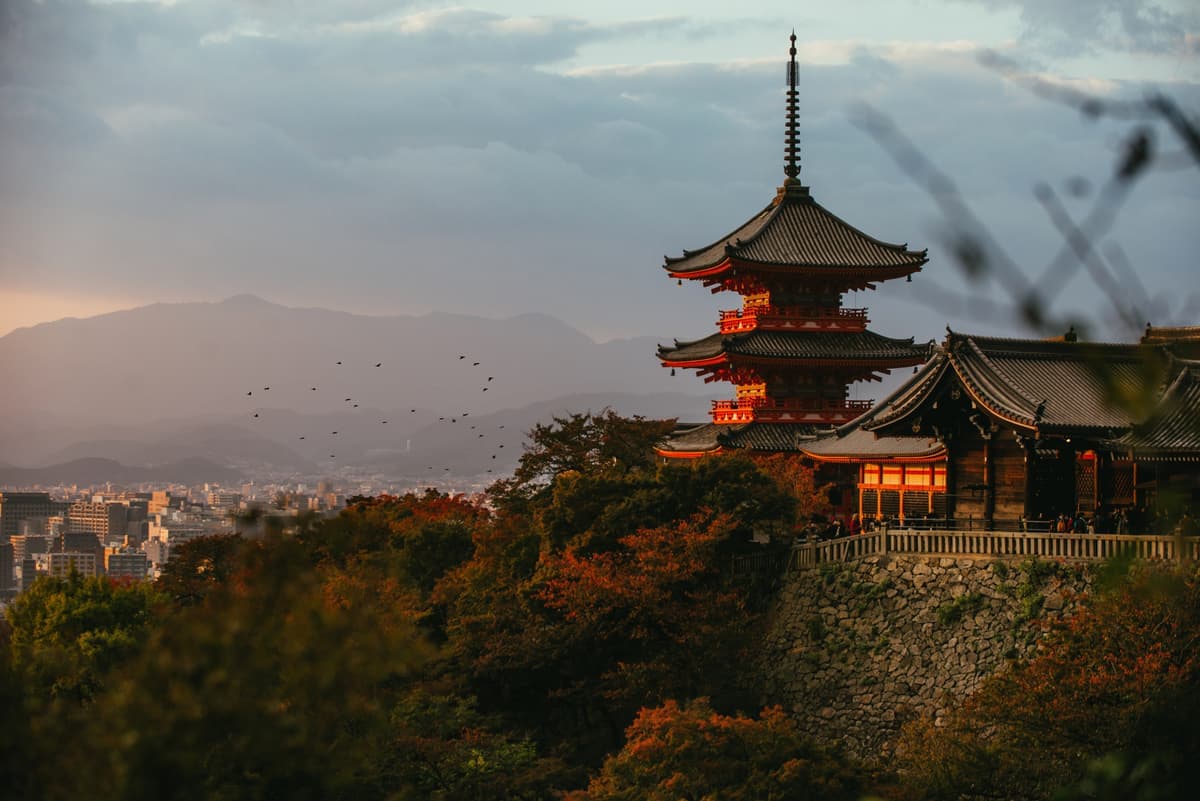
Build respectful Kyoto goshuin days by district with Goshuin Atlas place records, access planning, and clear last-minute caveats.
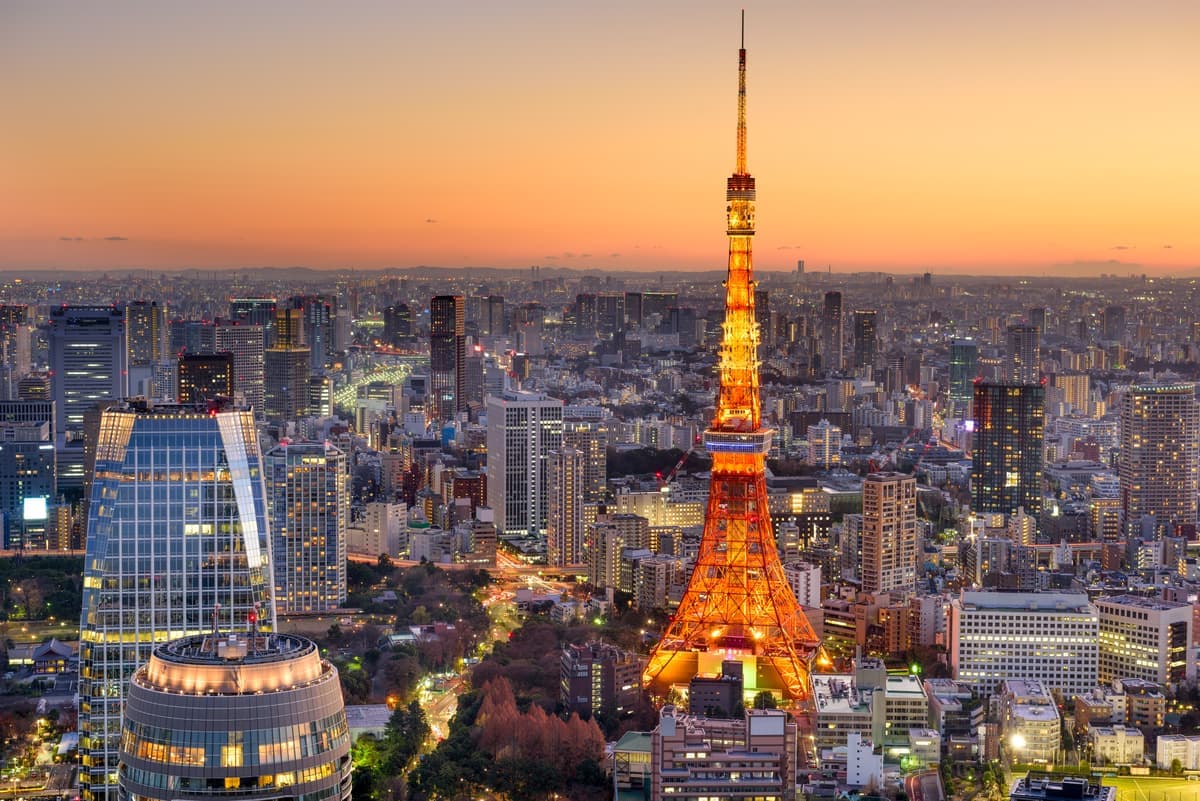
Plan respectful Tokyo goshuin routes through Asakusa, Harajuku, Setagaya, Shiba, Kanda, and Bunkyo with official verification guidance.