
On this page
Key takeaways
- Plan respectful Tokyo goshuin routes through Asakusa, Harajuku, Setagaya, Shiba, Kanda, and Bunkyo with official verification guidance.
Plan respectful Tokyo goshuin routes through Asakusa, Harajuku, Setagaya, Shiba, Kanda, and Bunkyo with official verification guidance.
Tokyo is unusually good for collecting goshuin because major religious sites sit inside distinct neighborhoods connected by dense rail networks. The useful way to plan is not to chase a fixed ranking. Choose one or two areas, worship at each place, and verify the goshuin offered that day through the institution's official notice.
The ten stops below combine important temples and shrines with routes that make geographic sense. “Best” here means valuable for understanding Tokyo's religious landscape, not a guarantee of a rare design or direct calligraphy.
A goshuin (御朱印) is received after worship at many Buddhist temples and Shinto shrines. Office hours and offerings can change, as can whether an entry is written directly or supplied as kakioki. A precinct may remain open after its goshuin office closes.
Bring a goshuincho and small cash unless another payment method is posted. A rigid folder for separate sheets is also recommended. Start with the complete goshuin guide if you need the receiving sequence, and use the shrine etiquette guide before mixing shrine and temple visits.
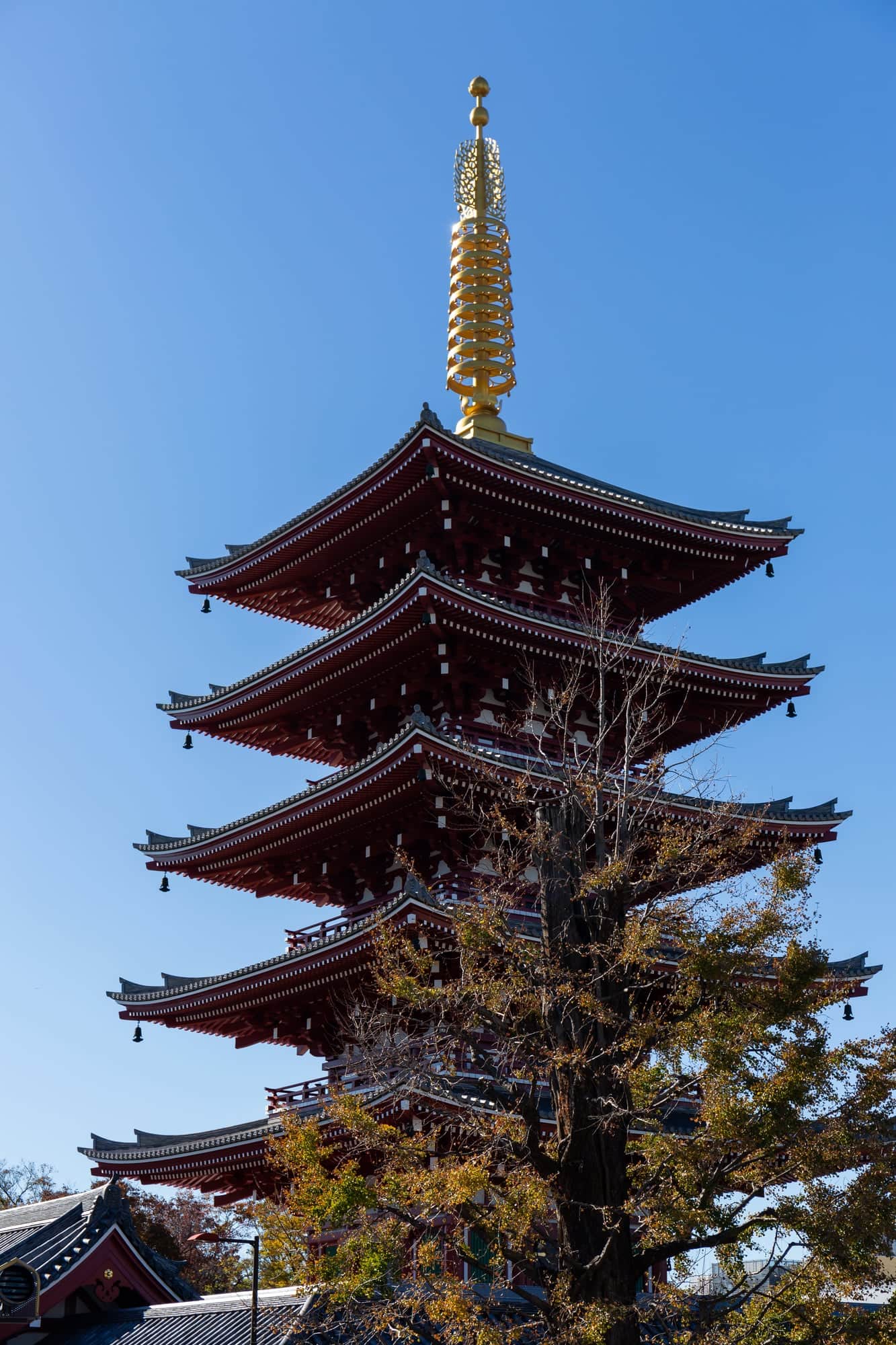
Senso-ji is a Buddhist temple centered on Kannon and one of Tokyo's most visited sacred places. The Kaminarimon approach, Nakamise, and Hozomon reward a visit even when the office is crowded, as do the main hall and subsidiary buildings.
Go early if you want time to read the precinct before tour groups fill the approach. Do not confuse the commercial stamps found around tourist districts with a temple goshuin. The Senso-ji guide on Goshuin Atlas brings together the halls, annual observances, and access information alongside collector context. Check the temple's latest notice only for short-notice changes such as office closures or temporary issue limits.
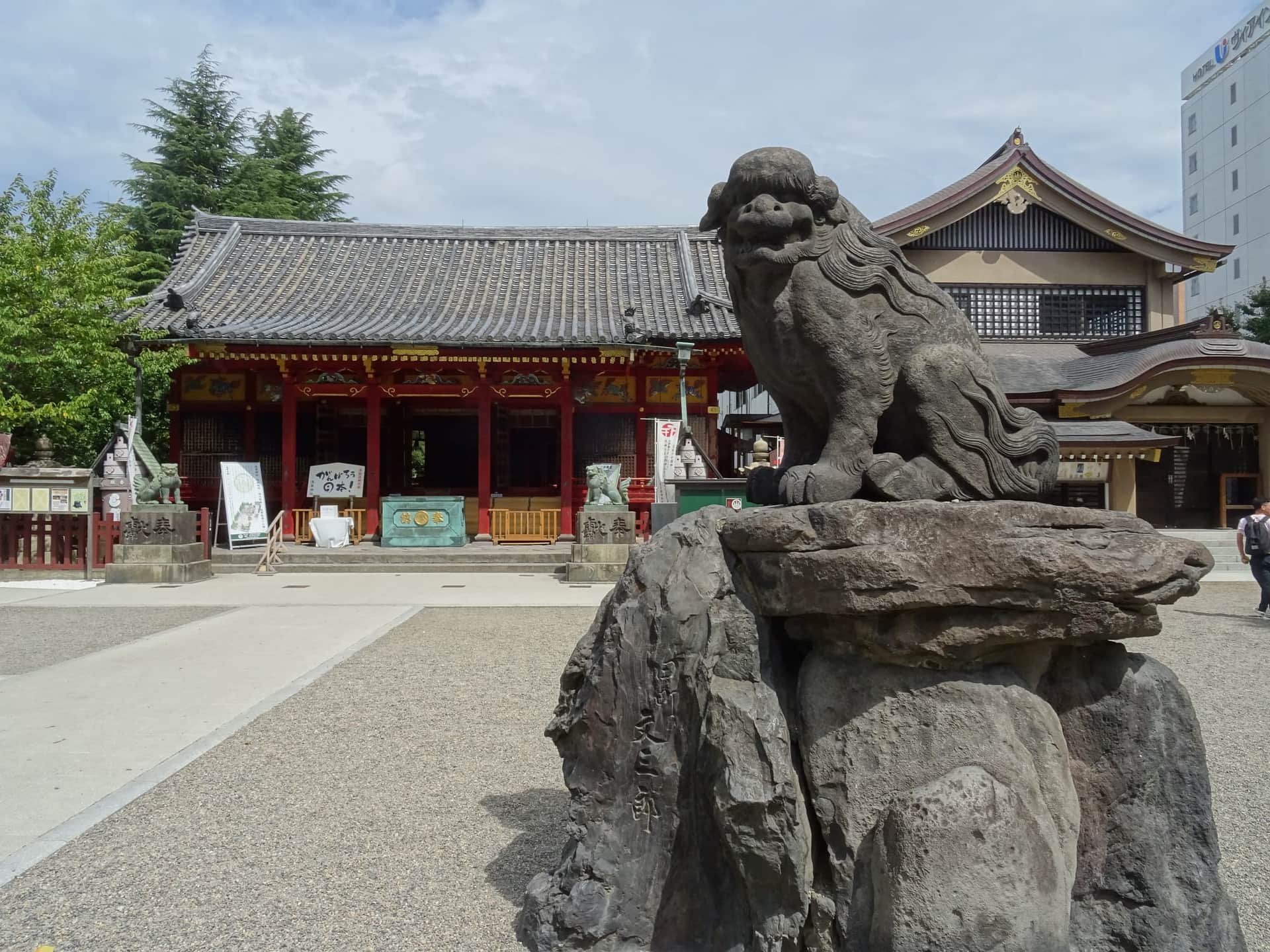
Asakusa Jinja is a Shinto shrine immediately beside Senso-ji. Visiting both is a useful lesson in recognizing two traditions that share an urban landscape without collapsing them into one institution.
Worship at the shrine using its local sequence and check the official goshuin page for regular or event-related availability. The proximity makes this an efficient pairing, but allow separate time for each place rather than treating the shrine as an add-on counter.
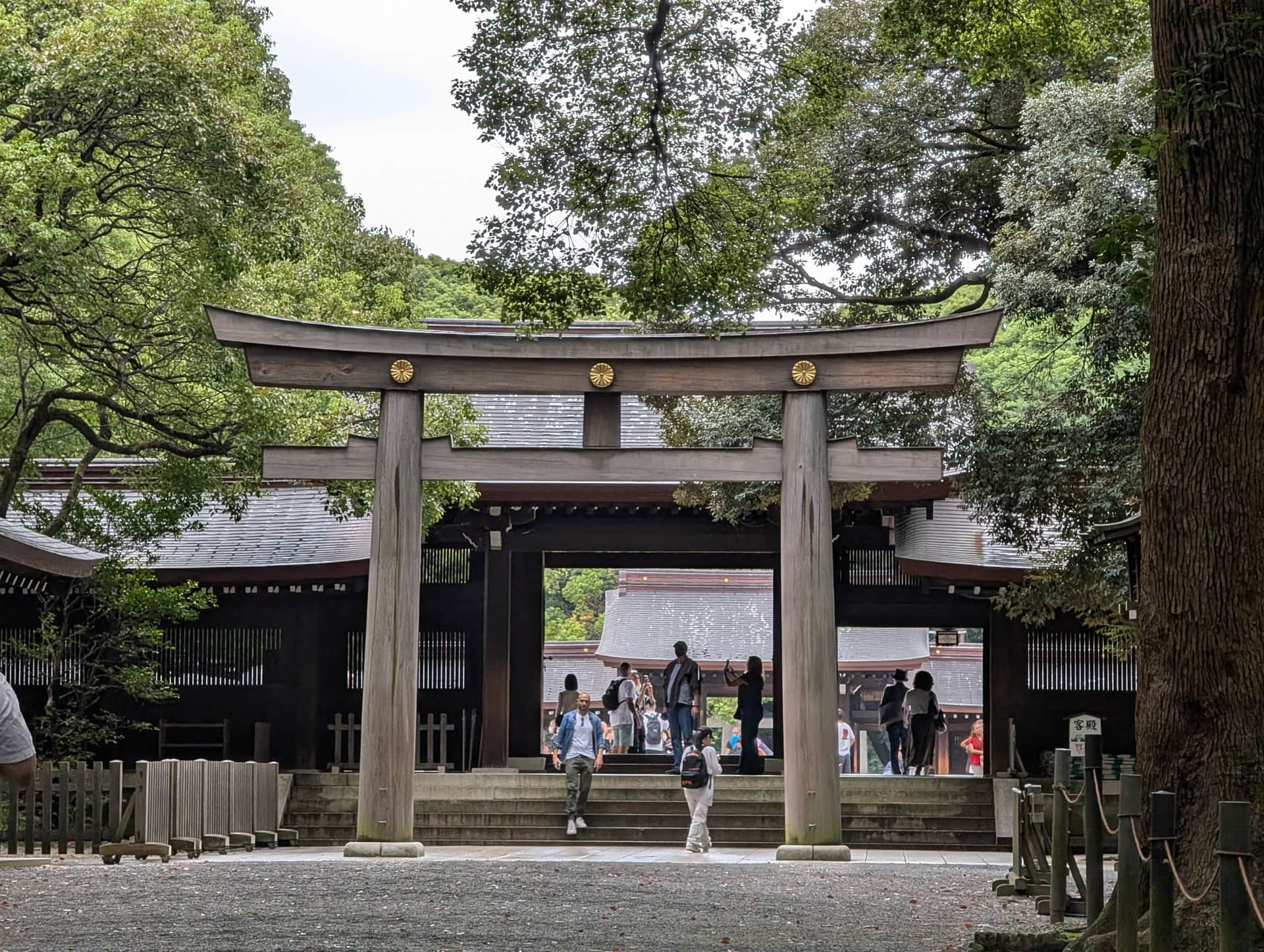
Meiji Jingu offers a different Tokyo scale: a long forested approach leads away from the city into a large shrine precinct. The walk itself is part of the experience, so arrive with enough time to reach the worship area and return before gates or offices close.
The main entrance and shrine office are not interchangeable with every gate on the grounds. Use the official access map and follow event controls. Harajuku Station makes the site easy to reach, yet weekends and national holidays can be extremely busy.

Gotoku-ji is a Soto Zen temple widely associated with maneki-neko figures. The cats are only one part of a functioning temple that includes graves, halls, and worshippers.
Residential Setagaya streets are quieter than central sightseeing corridors. Keep voices down and avoid blocking neighbors. Obey all rules around figure placement and photography. Confirm the current temple-office information rather than assuming that a social-media image represents a goshuin still offered.
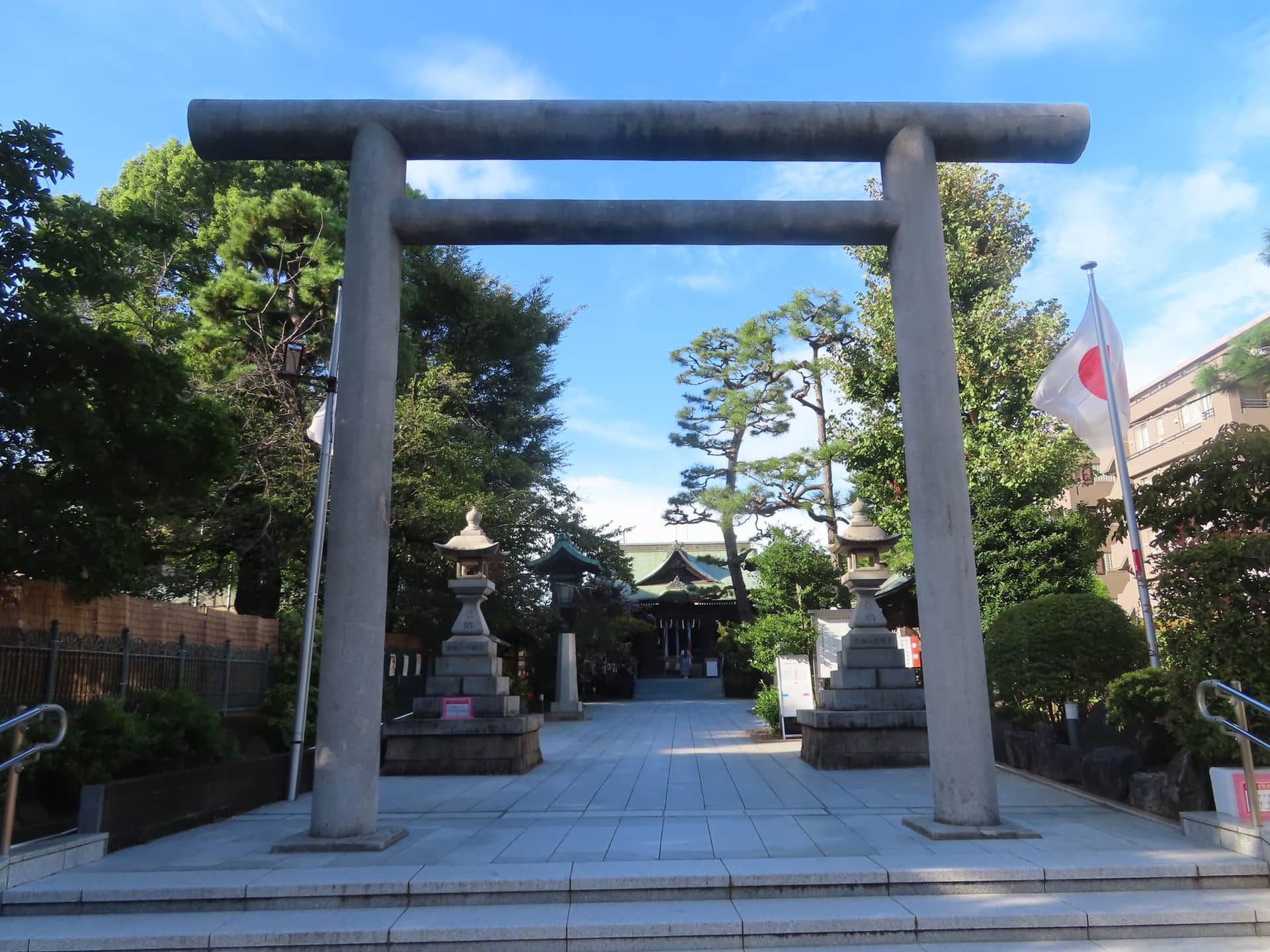
Sakura Jingu is known among collectors for announcements tied to seasonal and monthly designs. That popularity makes first-party verification especially important: issue dates, quantities, and formats can change, and so can queue conditions.
Read the shrine's news page before traveling across the city. If a design has ended, worship and explore the precinct without pressuring staff for an exception. Seasonal goshuin are explained more fully in the kakioki and limited goshuin guide.
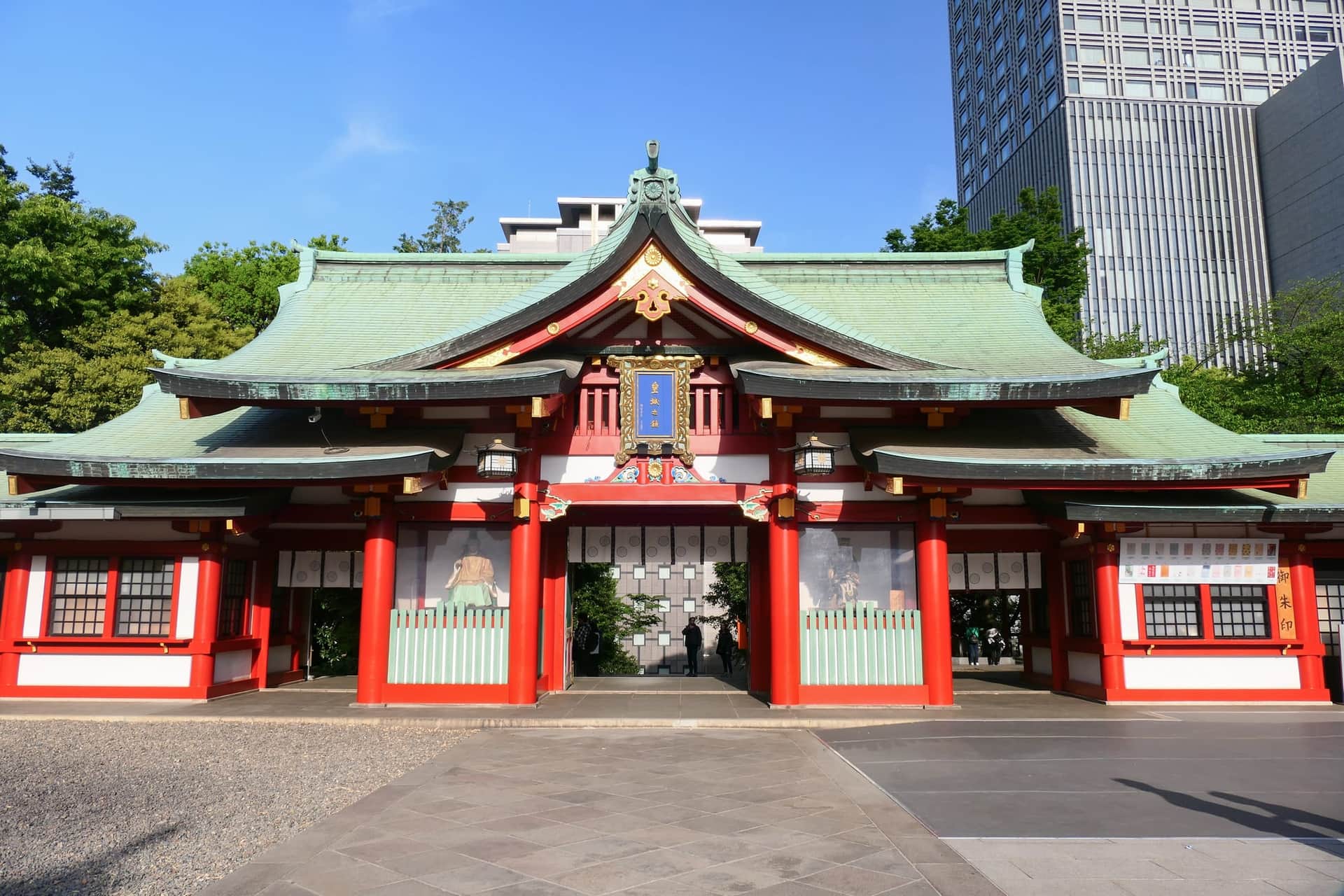
Hie Jinja occupies a wooded rise near Nagatacho and Akasaka. Its urban setting and stair approaches create a strong contrast with nearby government and business districts, and the torii reinforce that contrast further.
Check which entrance suits your mobility needs; the most photogenic route may not be the easiest route. Worship before going to the office, and keep the principal approach clear when photographing the torii.
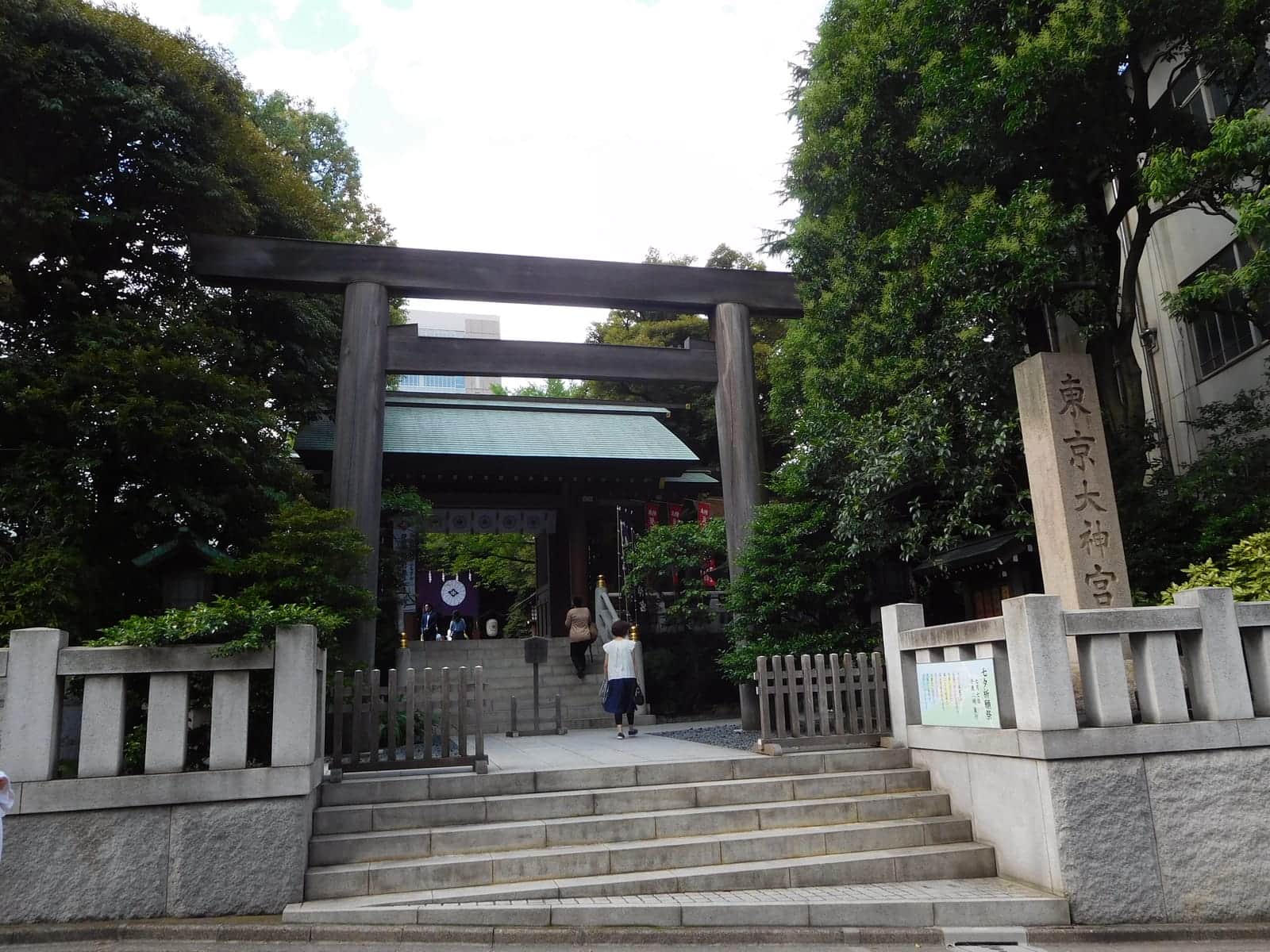
Tokyo Daijingu is historically connected with forms of worship associated with Ise Jingu and is often discussed in relation to en-musubi (縁結び), meaningful bonds between people.
The compact precinct can become congested. Prepare before reaching the front of the queue and do not treat prayer or an omamori as a guaranteed relationship outcome. Use the shrine's official information for ceremonies and office notices.
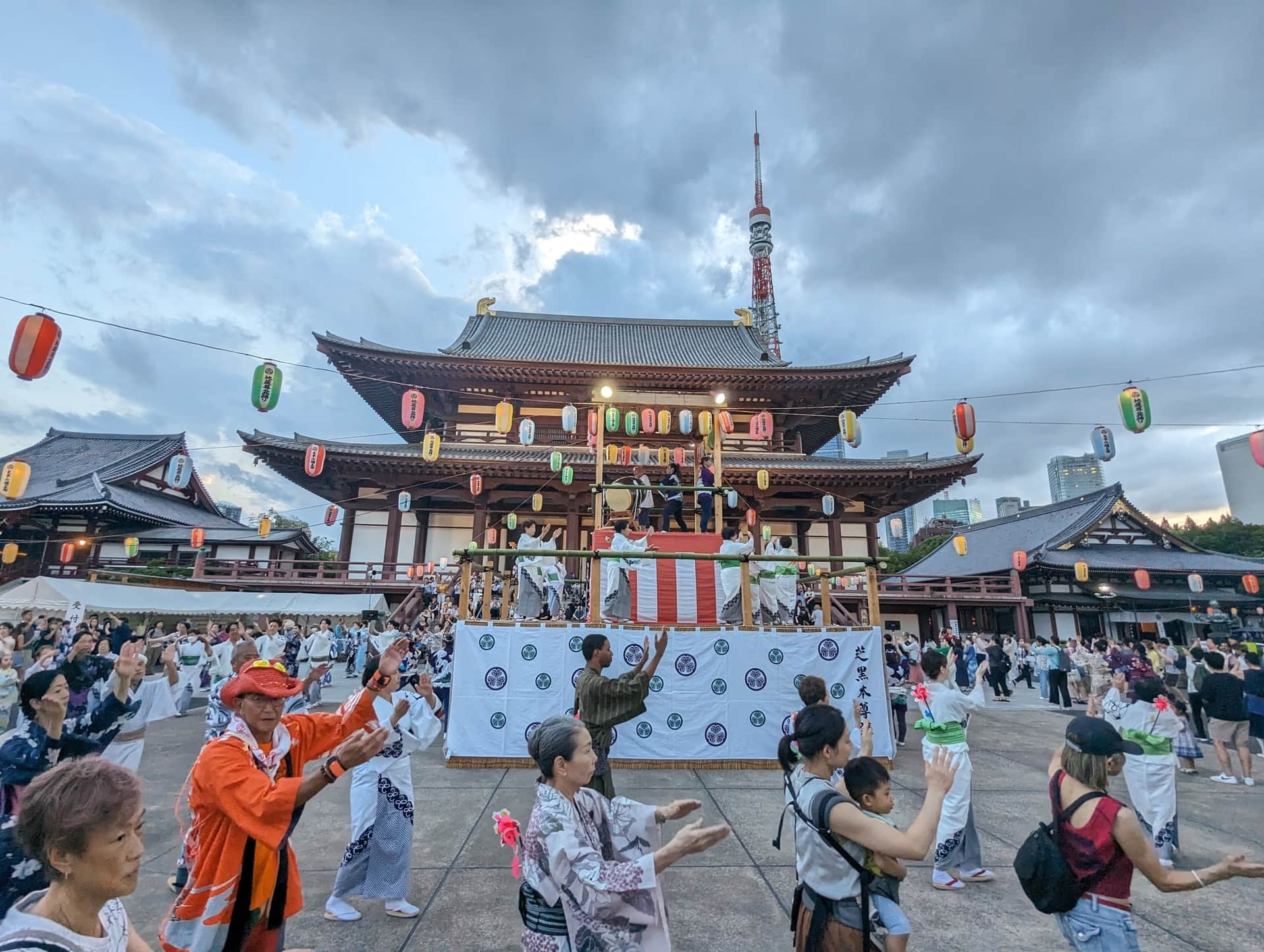
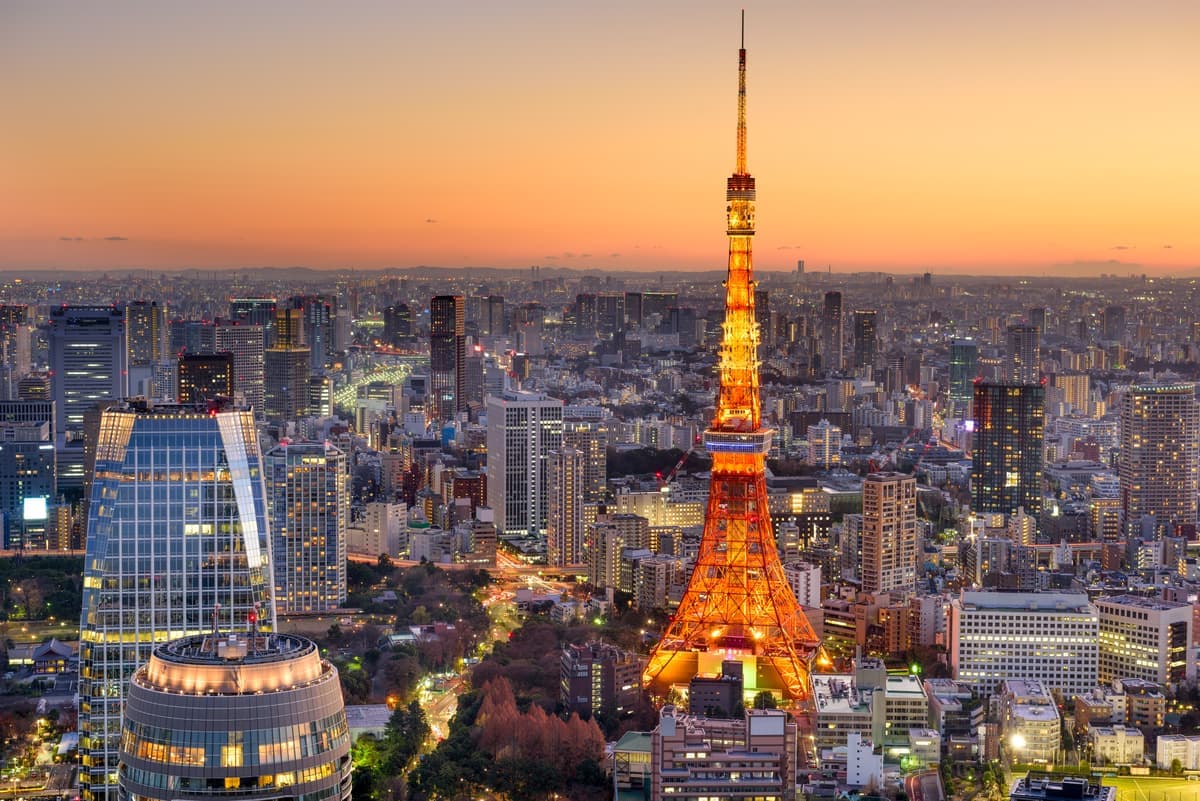
Zojo-ji is a major Jodo Buddhist temple associated with the Tokugawa family, now visually paired with Tokyo Tower. Its main gate, halls, and memorial areas may have different access and photography rules, and the same applies to museum-related spaces.
Allow time to distinguish worship areas from sightseeing viewpoints. At a Buddhist temple, pray with palms together without the clapping used in a typical shrine sequence.
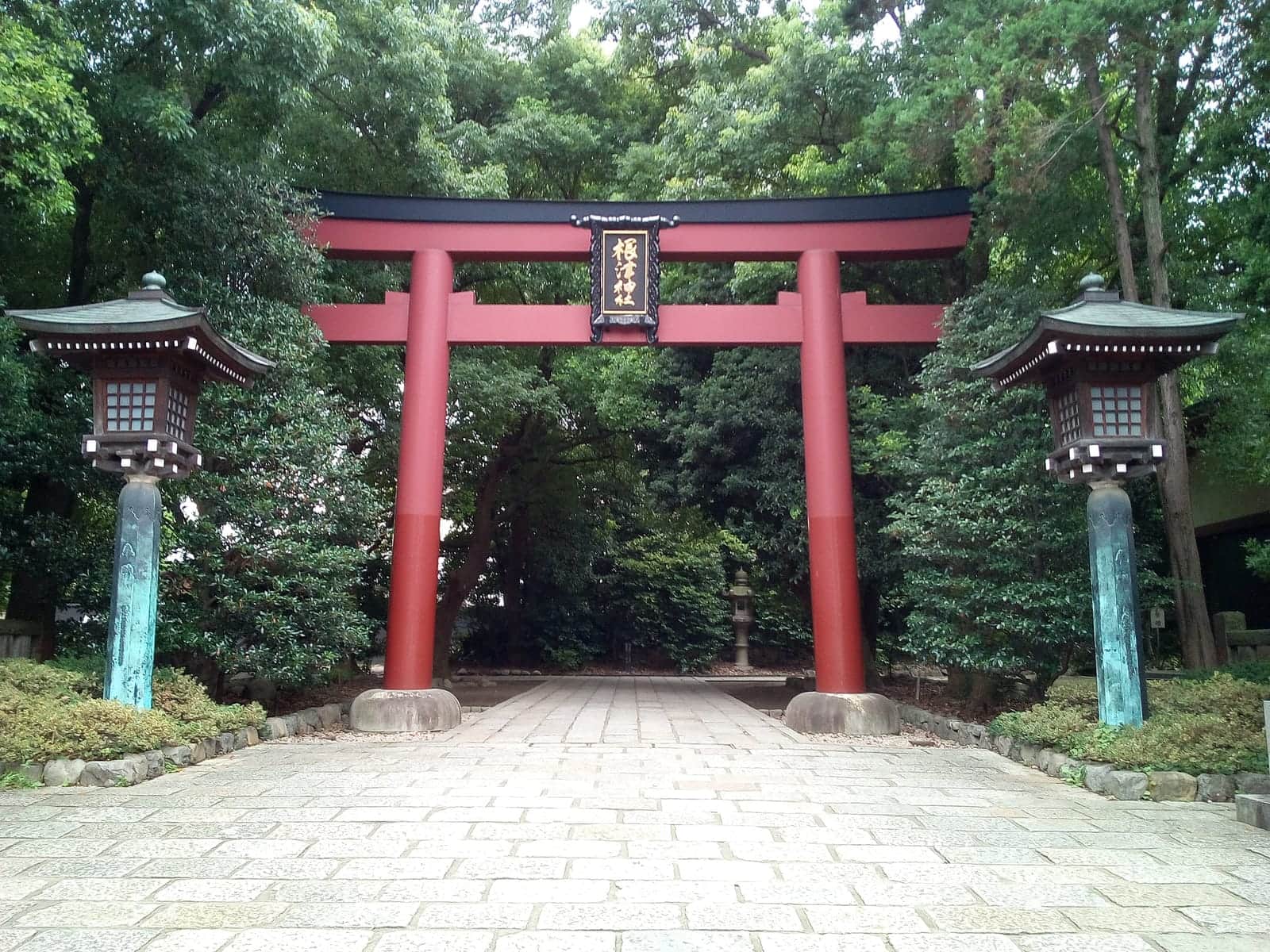
Nezu Jinja is valued for its historic shrine architecture and landscaped grounds, as well as a torii-lined path. The azalea season is beautiful but substantially changes crowd levels and circulation.
Visit outside the main bloom period for a calmer architectural reading, or plan for event controls when flowers draw visitors. Do not stop inside a narrow torii passage for an extended photo session.
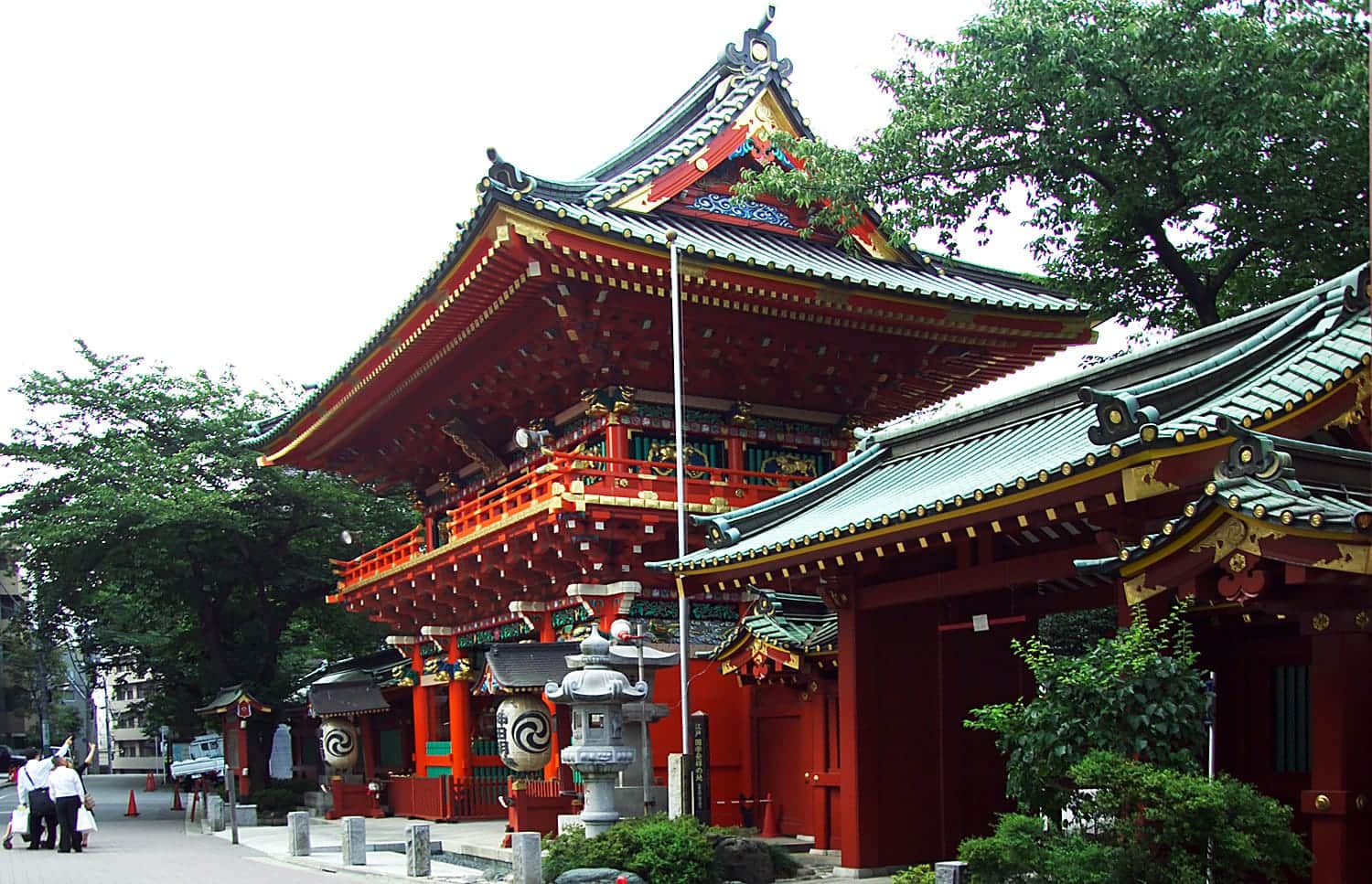
Kanda Jinja connects an old Edo shrine history with the modern neighborhoods of Kanda and Akihabara. Its festivals and urban community role make it different from a shrine preserved only as a historical monument, and its contemporary collaborations add to that distinction.
Event-related items and goshuin should be confirmed through the shrine's own announcements. On crowded days, separate collecting time from photography and let worship queues move.
Start at Senso-ji early, following the approach through the gates to the main hall. Then move to Asakusa Jinja and consciously change from Buddhist temple etiquette to shrine worship. If you still have time, walk the surrounding district rather than adding a distant third stop.
This compact route is suitable for a first goshuin day because transit is simple and the contrast between temple and shrine is visible. It is not necessarily quick. Ceremonies, queues, and time spent understanding the precinct should determine the pace.
Visit Meiji Jingu in the morning, then travel to Hie Jinja or Tokyo Daijingu. Add only one unless current hours and your energy make a second visit realistic. These shrines differ in landscape and scale, giving the route more meaning than collecting three similar pages as fast as possible.
Use the rail route shown on the day of travel. Tokyo station transfers and exits change the real walking effort, especially for someone using an accessible path.
Zojo-ji pairs naturally with the Shiba area, while Kanda Jinja can anchor Kanda and Akihabara. Nezu Jinja works well with a slower Bunkyo walk. Choose one anchor and explore nearby streets instead of crossing the metropolis repeatedly.
For a collector, a smaller route reduces the risk of reaching an office after service ends. For the places themselves, it leaves room for worship and observation.
Start with Goshuin Atlas, then verify same-day availability at the source:
Goshuin Atlas is the starting point for planning and identifying the correct place; the issuing temple or shrine remains the authority for what is available that day. Third-party photos can provide inspiration, but they may show a past event or private prayer. They may also depict an edition no longer available.
Avoid opening several books at the counter or asking staff to copy a composition from an old image. Do not hold up a queue while deciding. Keep loose sheets protected and let ink dry. Record the visit in the app after leaving the worship area.
Goshuin Atlas can save each place and group stops into a Journey. It also shows nearby alternatives and keeps your personal visit notes connected to canonical temple and shrine records. It complements the physical goshuin without replacing it.
Tokyo's sacred landscape is not one historical layer. Senso-ji's official history dates the discovery of its Kannon image to March 18, 628. Zojo-ji was founded in 1393, while Meiji Jingu was completed on November 1, 1920. Seeing those dates together turns the route into a passage through more than thirteen centuries of religious life rather than a checklist of popular stops.
Use the dates as context, not as a ranking. The quieter observation at a small subsidiary shrine can matter as much as the famous architecture at a major temple.
Save the places that genuinely interest you, then compare their positions in Discover before choosing a neighborhood. A short list makes it easier to notice whether two attractive names are actually across the city from one another.
Use Discover to compare real place records before committing to a route.
Open Explore next to check the wider geography and official links, along with railway context. Move the final sequence into Journey so travel time and worship time share the same plan, with breaks included as well. If an office closes early or a goshuin is unavailable, the saved map gives you a nearby alternative without creating a duplicate place entry.
Explore the city geographically, then keep only a manageable route in Journey.
Goshuin guides follow our cultural accuracy and source-review standards. Editorial standards
Reviewed by David Dias on October 23, 2026
Choose a goshuin book, find where to buy one in Japan, and learn how to present it at temples and shrines, carry loose sheets, and protect fresh ink.
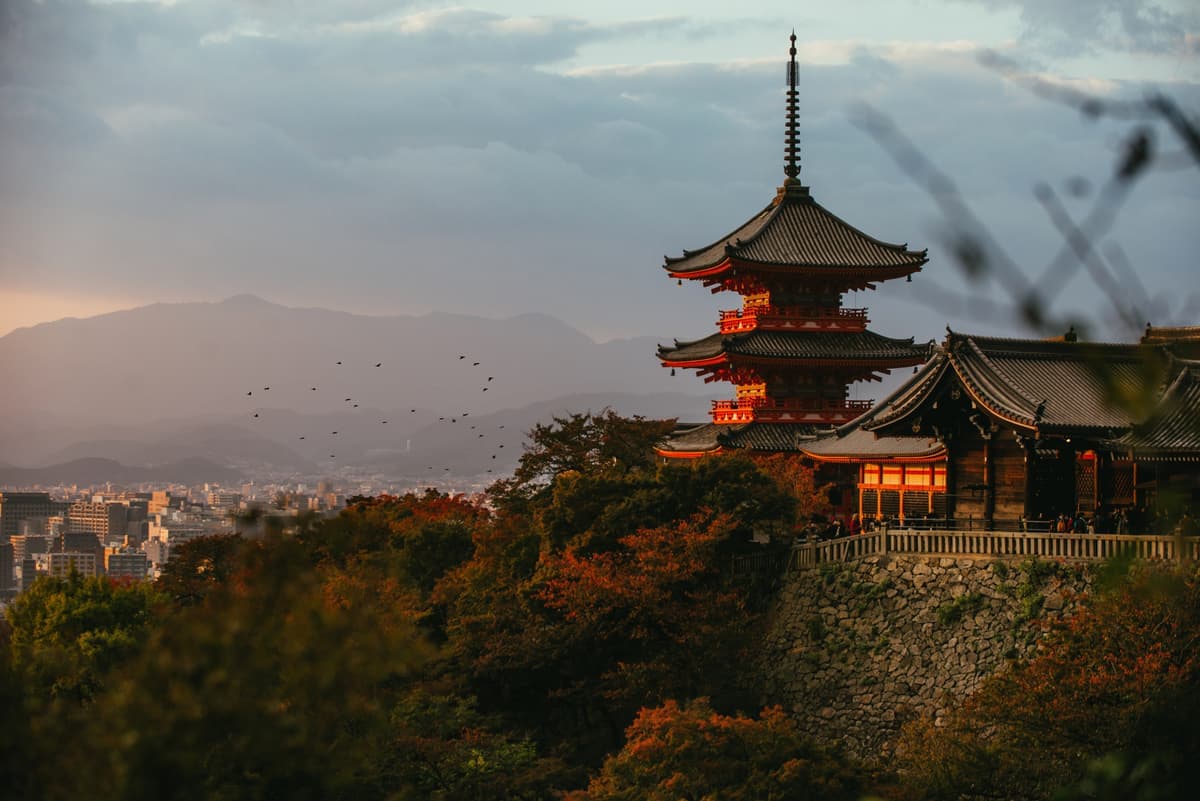
Build respectful Kyoto goshuin days by district with Goshuin Atlas place records, access planning, and clear last-minute caveats.
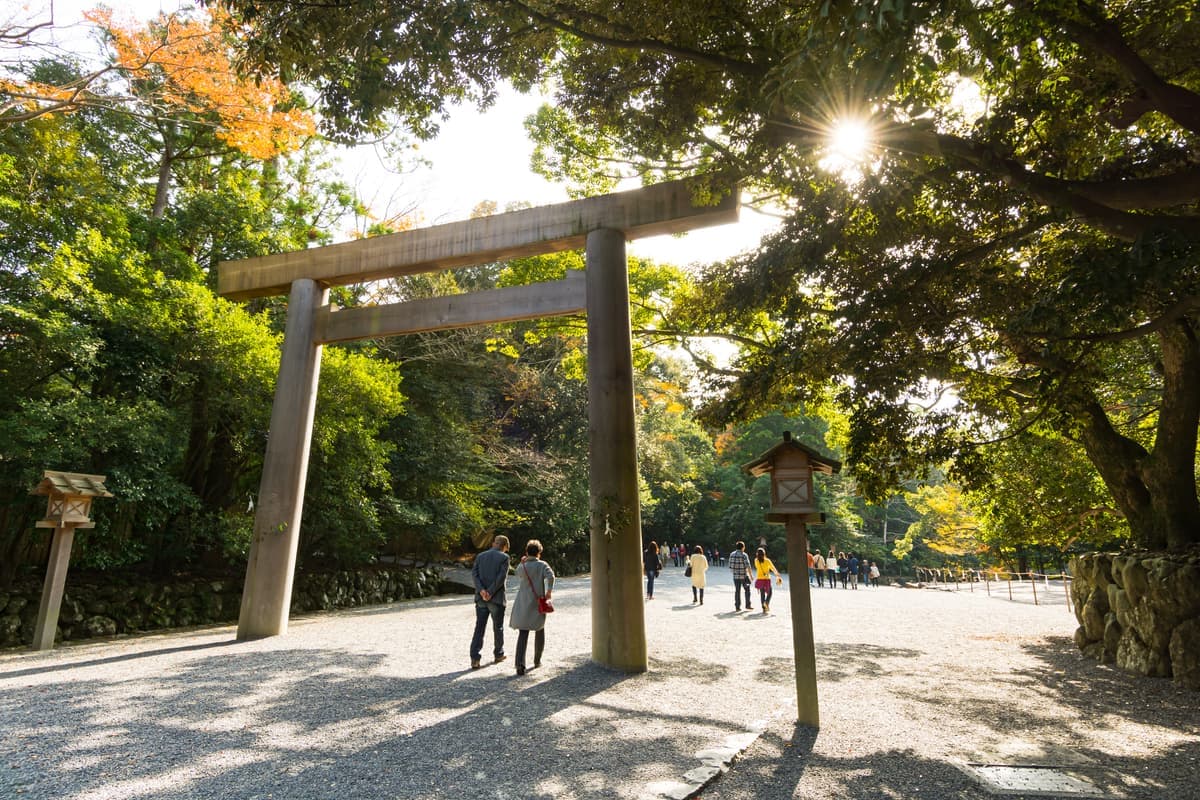
Use the official 2026 holiday calendar to plan shrine, temple, transport, accessibility, and goshuin visits during Golden Week crowds.