Admission
Not confirmed
At a Glance
During the annual Azalea Festival, over 3,000 azalea bushes of various species bloom across the shrine's sloped grounds, with flowers timed to bloom throughout April in waves of color.
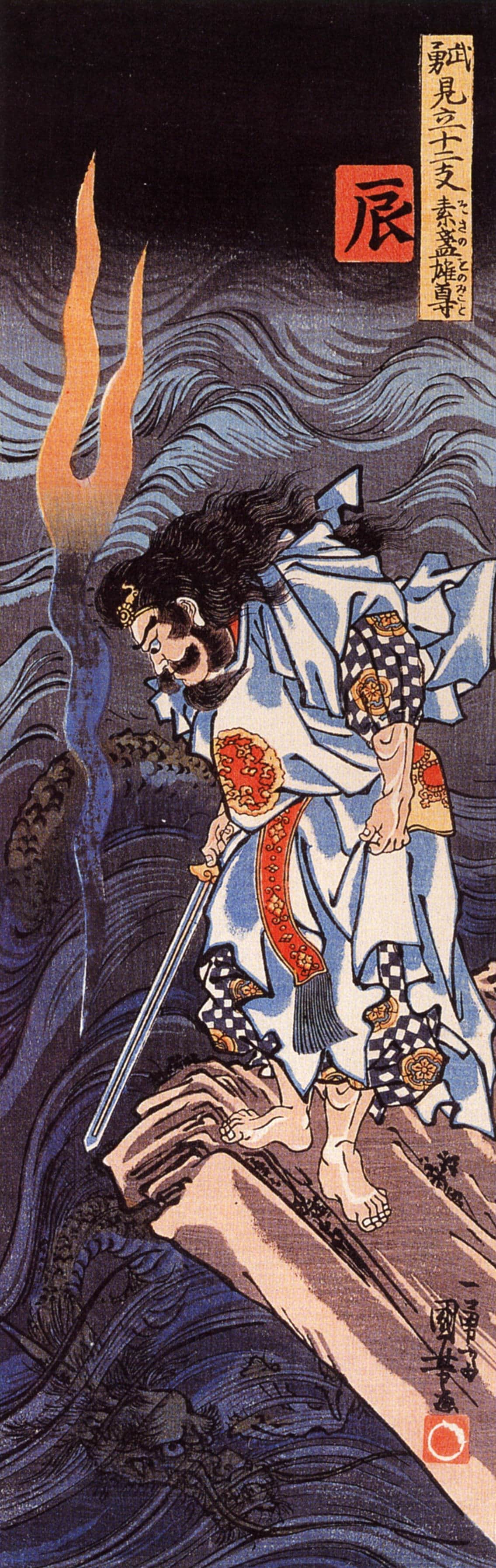
The shrine's founding legend traces back to the mythical hero Yamato Takeru, making it one of Tokyo's oldest sacred sites despite its current Edo-era buildings.
This shrine offers 4 different goshuin designs
Seasonal
¥1,000
Festival
¥500
Regular
¥1,000
Regular
Facilities
The divine spirits venerated at this sacred place
Seasonal celebrations and special occasions
Not confirmed
Visit Duration
45-60 minutes
Also called Nezu
Bunkyo, Tokyo Prefecture
What this place is believed to grant
More ways to continue from this place.
Within 300 m Within 600 m
Timetable data: Public Transportation Open Data Center

E5-23.ビレッジ千駄木
docomo bike share
E5-17.Village藍染
docomo bike share
E5-02.不忍通りふれあい館
docomo bike share
Renting needs the operator's app and a Japanese phone number. docomo day passes are sold at convenience stores. Data sources
15 recent posts
5.0
2 reviews
You can reach the shrine easily on foot from either Sendagi or Nezu Station on the Chiyoda line, both a short walk away. That makes it a natural stop on a stroll through the Yanesen neighborhood. Note that there are no food stalls or shops on the grounds, so pick up snacks along the surrounding shopping streets before or after.
Once inside, take a few minutes at the pond. Koi and turtles share the water, and on a calm day the turtles pile up along the banks to sun themselves. It feels quieter than you'd expect for central Tokyo.
Megan Smith checked in
Nezu Jinja
Bunkyo, Tokyo
AJPro shared a goshuin