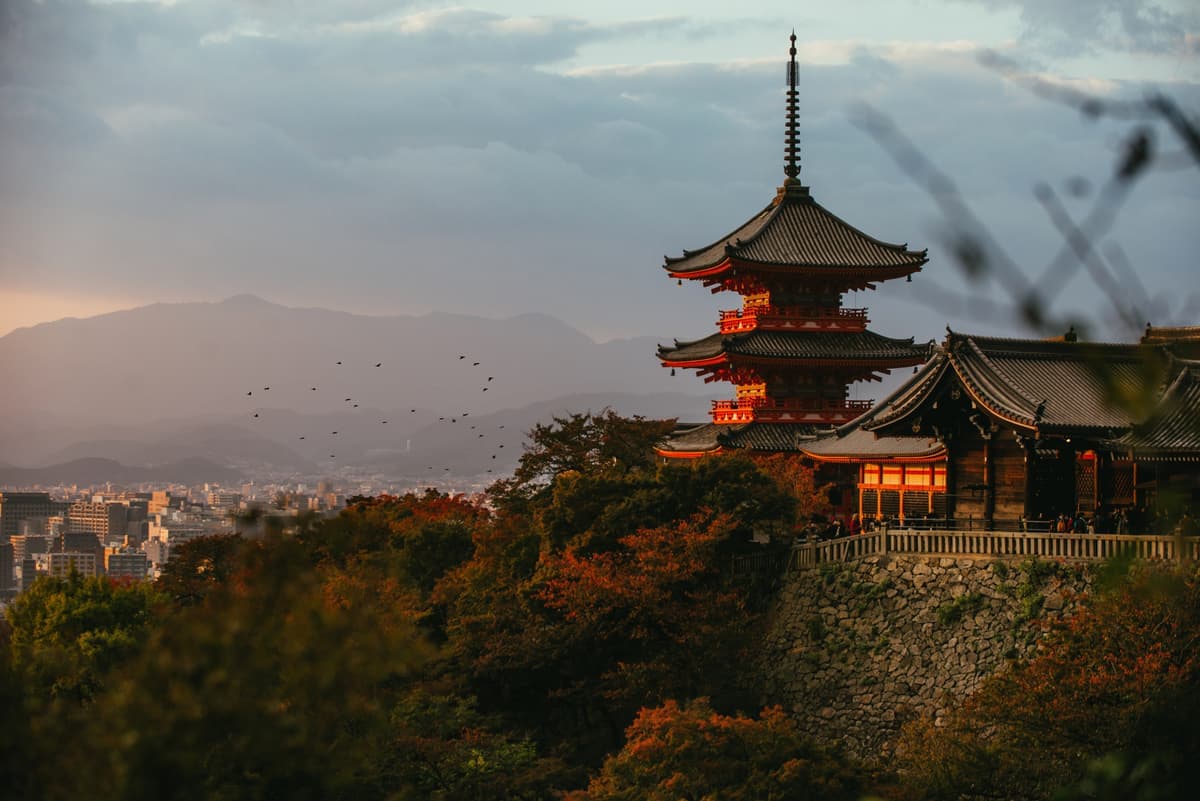
A practical shrine etiquette guide covering torii, temizu, offerings, prayer, goshuin, photography, accessibility, and local exceptions.
GuideDavid Dias7 min read
On this page
Key takeaways
A practical shrine etiquette guide covering torii, temizu, offerings, prayer, goshuin, photography, accessibility, and local exceptions.
Visiting a Shinto shrine is not a performance test. The useful sequence is simple: recognize that you are entering an active religious place and follow the shrine's own signs.
A jinja (神社), or Shinto shrine, is commonly marked by a torii (鳥居). The gate signals an approach to sacred ground, but shrine precincts vary enormously: a city shrine may begin beside a road, while a mountain shrine may…
Visiting a Shinto shrine is not a performance test. The useful sequence is simple: recognize that you are entering an active religious place and follow the shrine's own signs. Purify when the facility is available, and worship without obstructing other visitors. The familiar pattern below is a general guide, while local instructions always take priority.
Before entering: identify the shrine and its approach
A jinja (神社), or Shinto shrine, is commonly marked by a torii (鳥居). The gate signals an approach to sacred ground, but shrine precincts vary enormously: a city shrine may begin beside a road, while a mountain shrine may have several gates and a long sando (参道), the worship approach.
Pause where it is safe and make a small bow if that is the local custom. Pass without blocking the gate. At many shrines, visitors avoid the exact center of the approach out of respect for the kami. This is a courtesy, not permission to step into traffic or ignore a marked accessible route. Follow barriers and crowd directions during festivals and New Year visits.
Use the shrine and temple guide when you are unsure which kind of place you are entering. A Buddhist temple may have a roofed gate and incense, along with a main hall where visitors pray without clapping; mixed or historically connected precincts can contain features from both traditions.
Purify at the temizuya when it is available
Many shrines provide a temizuya or chozuya (手水舎), a water pavilion for symbolic purification. Some now use flowing-water arrangements, and some close the basin temporarily. If no facility or instructions are available, continue respectfully; do not improvise with a fountain or drinking tap.
With a traditional ladle, a common sequence is:
Take the ladle in your right hand and rinse your left hand over the drainage area.
Move the ladle to your left hand and rinse your right hand.
Hold it again in your right hand, pour a little water into your cupped left palm, and bring that water toward your mouth. Never touch the ladle to your lips.
Let the used water fall into the drainage area, not into the basin.
Rinse your left hand once more.
If the facility's design allows it, tip the ladle so clean remaining water runs down the handle, then return it neatly.
One scoop is normally enough. The purpose is ritual cleansing, not washing with soap or drinking. For the full explanation, see the temizu purification guide.
Approach the worship hall
The principal worship building may be labelled haiden (拝殿), while the innermost sanctuary is the honden (本殿). Visitors normally worship from the designated public area. A rope, railing, or curtain is not an invitation to look behind it. Neither is a closed door.
Before joining a queue, prepare a small offering if you wish to make one and silence your phone. Keep bags and tripods out of the path. Umbrellas should also be kept clear. Photography rules can change between the outdoor precinct and the worship space; they may differ again for ceremonies and treasure halls. A camera icon or local notice matters more than a general travel rule.
Make a monetary offering without treating it as a fee
At the saisenbako (賽銭箱), place a monetary offering calmly. Osaisen (御賽銭) accompanies worship; it is not an admission fee or a price for a wish, and it is not a measure of sincerity. There is no universally required amount.
The five-yen coin is popular because go-en can sound like a fortunate connection, but that wordplay is a custom, not a religious requirement. Use an amount within your means. Do not throw coins at sacred buildings or at people standing near the box.
Some shrines have a bell and rope while others do not. The order of bell and offering may be shown locally. Ring gently when permitted. During ceremonies or busy periods, a shrine may secure the rope or change the flow; accept that adjustment rather than trying to reproduce a sequence from memory.
Bow, clap, pray, and bow again
The best-known shrine worship pattern is two bows, two claps, one bow:
Stand in the marked worship position and settle yourself.
Bow deeply twice.
Bring your hands together and clap twice.
Keep your hands together while offering your silent prayer or thanks.
Lower your hands and bow deeply once more.
This sequence is widely taught by Jinja Honcho, but it is not universal. Izumo Taisha and some other shrines preserve different numbers of bows or claps. Follow the institution's notice or the officiant. The people managing the ceremony are also a reliable guide. The exception is part of the tradition, not an error to correct.
Move away from the worship position before organizing belongings or taking a photo. If you do not know a prayer, a quiet expression of gratitude is appropriate; visitors are not required to recite a Japanese formula.
Visit subsidiary shrines without rushing the precinct
Larger grounds may include sessha and massha, subsidiary shrines connected to the principal kami, as well as sacred trees and stages. Storehouses and festival buildings may also be present. A smaller structure is not automatically decorative. Read the map and signs before approaching it.
The shamusho or shrine office may issue goshuin and prayers. Ofuda and omamori are also commonly available there. Worship before requesting a goshuin. Present your book open to the desired page and pay the stated offering. Then wait where directed. If the shrine provides a pre-written kakioki sheet, receive it as the form offered that day rather than demanding direct calligraphy.
Shrine offices have service hours even when outdoor grounds remain accessible. A late arrival, a ceremony, or a staff shortage may suspend goshuin issuance. A crowded event can also cause issuance to pause. Check the shrine's official notice rather than assuming yesterday's schedule still applies.
Photography, clothing, and behavior
Ordinary travel clothing is usually acceptable, but clean, practical dress is considerate. Remove hats when worshipping if you can do so safely. Covering shoulders is not a universal Shinto rule, yet special prayer halls and formal ceremonies may publish their own dress requirements.
Do not photograph worshippers closely without consent, cross a barrier for a better angle, or fly a drone. Do not touch sacred objects or stage props in front of the offering area. Food and drinks belong outside restricted worship spaces. Children are welcome at many shrines; adults should help them participate without climbing on lanterns or gates. Sacred trees should also be left unclimbed.
Accessibility differs. Historic steps and gravel can be difficult, but some shrines provide a side entrance or ramp. A lift or vehicle approach may also be available. Check the official accessibility information or ask staff. Using the accessible route is not disrespectful.
Leaving the shrine
Return along the designated route, keeping the exit clear. If you bowed at the torii on entry, you may turn toward the shrine and bow once after passing through. In crowded precincts, prioritize safety and local flow over stopping in the gateway.
Sacred items should be carried respectfully. An omamori does not need to be hidden, but it should not be treated as a disposable novelty. Many shrines accept old items for respectful return; use the instructions of the issuing shrine or another shrine that explicitly accepts them.
A compact visitor checklist
Confirm that the place is a shrine and check local notices.
Keep the gate and approach clear; avoid the center where the shrine requests it.
Use the temizuya only as designed.
Prepare the offering before reaching the front of the queue.
Follow the locally posted bow-and-clap sequence.
Ask before photographing ceremonies or interiors.
Worship before requesting a goshuin.
Check office hours separately from grounds access.
Use the marked accessible route when needed.
Leave without stopping in the gate.
Goshuin Atlas place pages connect this general etiquette to a specific shrine's official website and opening information. Worship notes and community corrections are included as well. Save the shrine to your trip, then verify current notices shortly before visiting.