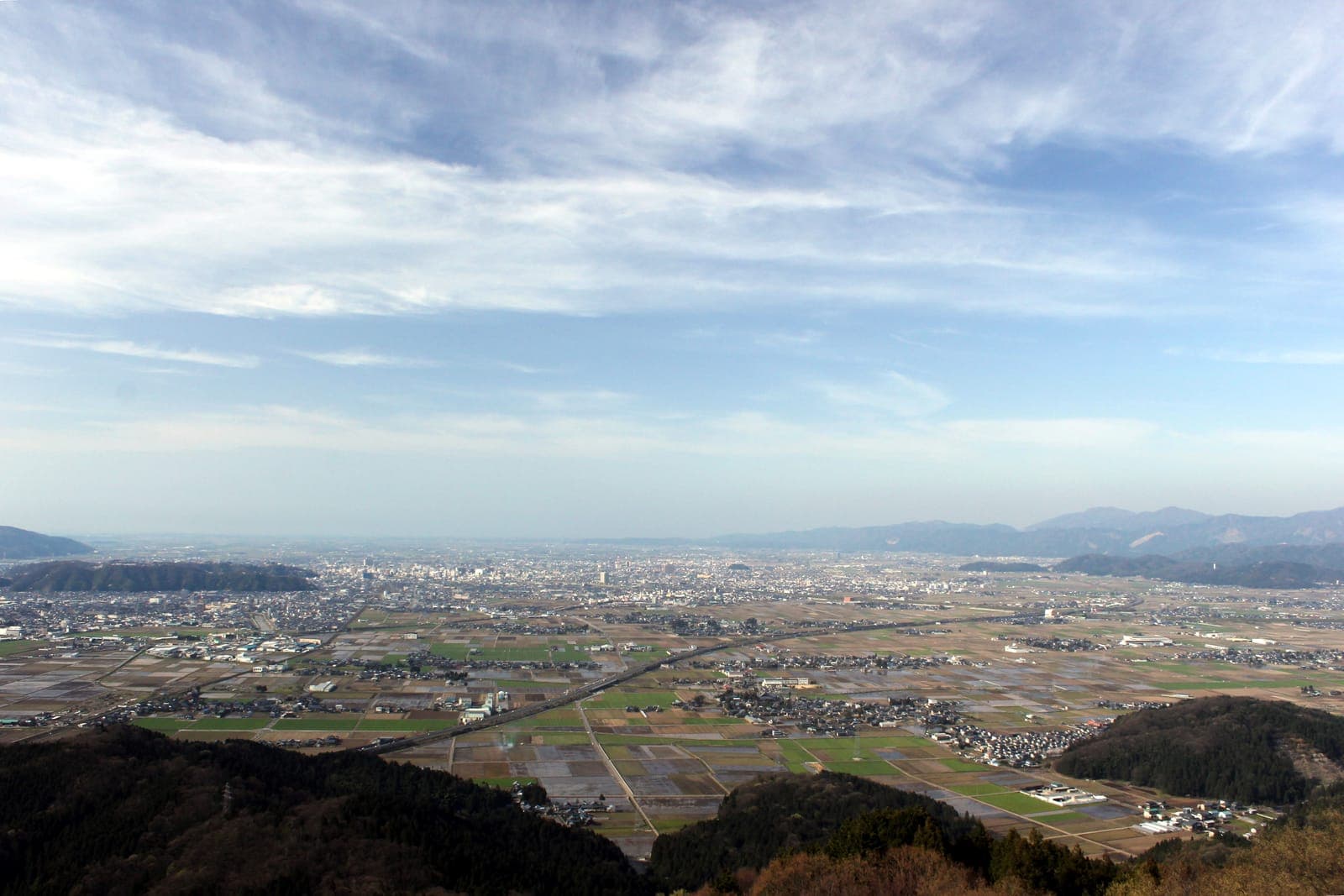
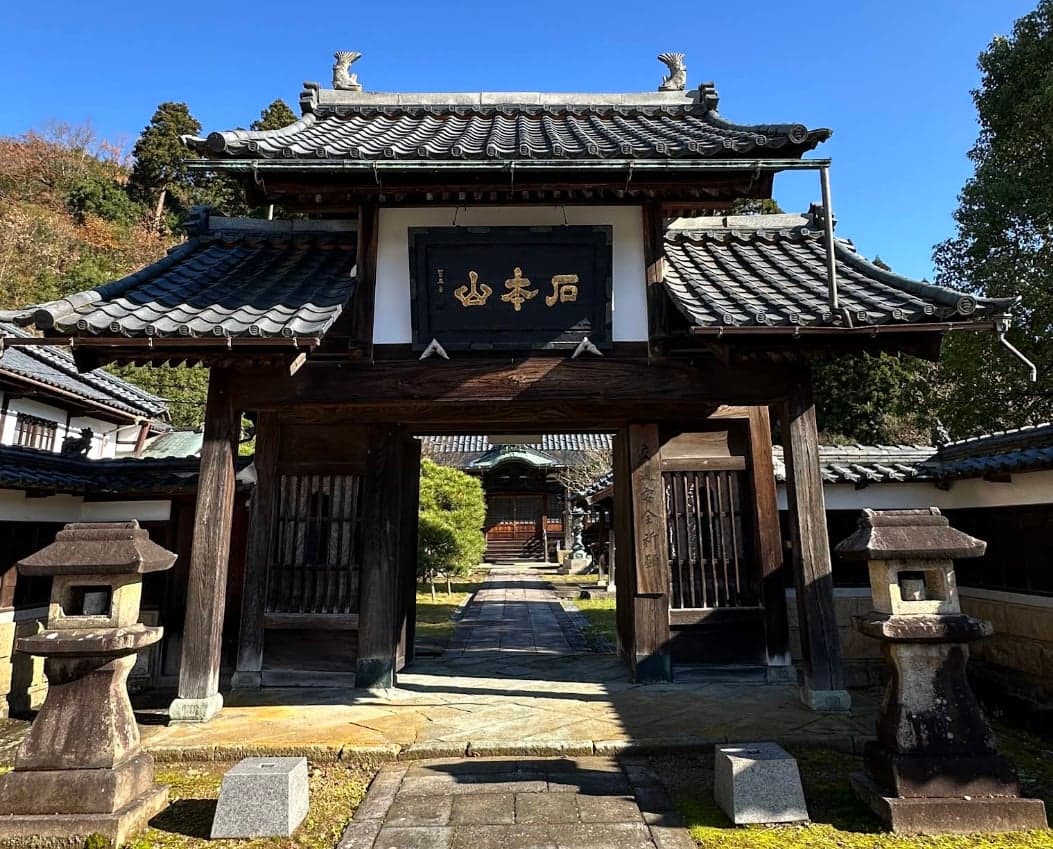
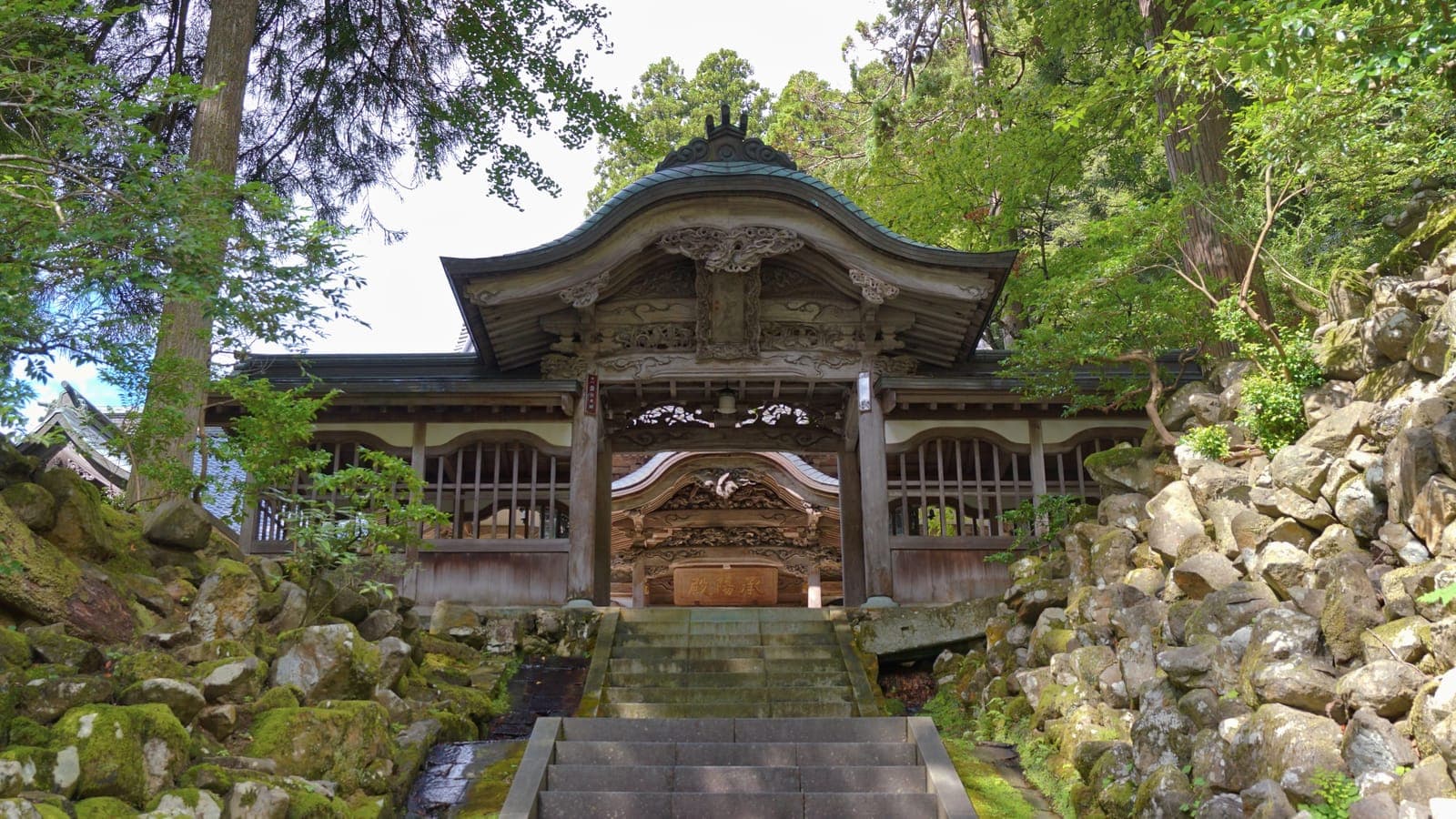
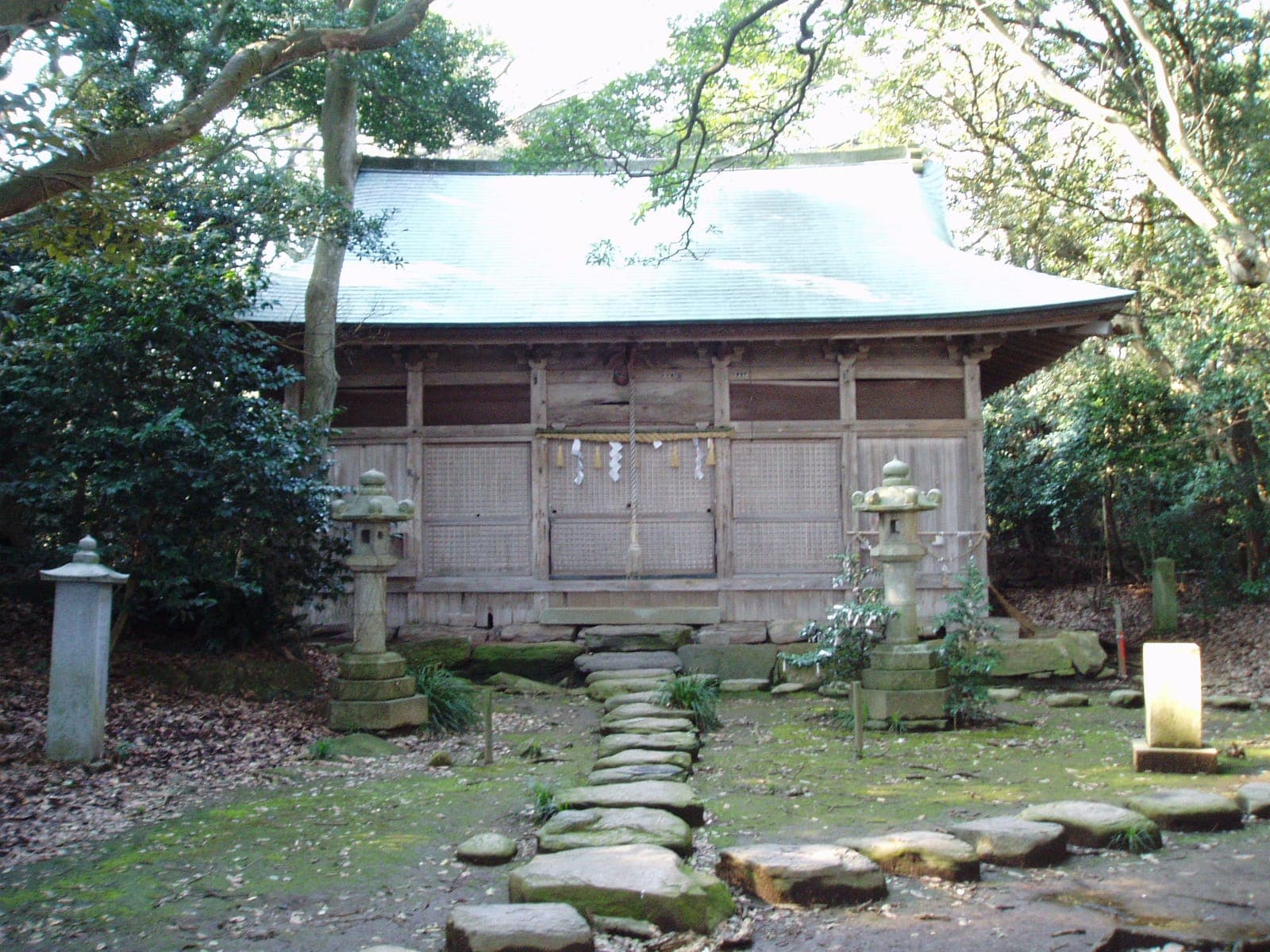
In Fukui Prefecture, start with sacred sites such as Jogan-ji, Heisenji Hakusan, and Eihei-ji, with 5 highlighted cities and wards to start from. Use the listings below to compare temple and shrine clusters, check goshuin details, and plan visits by area.
Heisenji Hakusan Shrine is a historic Shinto shrine in Katsuyama, Fukui, founded in 717 and known for its mosscovered grounds, cedarlined approach, and serene mountain setting at the base of Mount Hakusan. It preserves traces of a once vast religious complex.
Why you should go
If you're coming by public transport without a car, check the community bus schedule in advance since the Heisenji Line runs only every 3 to 4 hours.
Plan for at least 90 minutes to walk the full grounds, including the 600-meter moss-lined approach to the prayer hall and the additional 400 meters into the forest to reach the Sannomiya inner shrine.
Wear waterproof or sturdy shoes with good grip because the stone pathways and moss-covered ground can be slippery, especially after rain or in damp conditions. The moss is part of the shrine's beauty, but it makes footing unpredictable.
Eiheiji is a major Sōtō Zen training monastery in Fukui Prefecture, founded in 1244 by Dōgen. Set on a cedarcovered mountainside, it is one of Japan’s two head temples of Sōtō Zen and is known for its historic halls, covered walkways, and active monastic...
Why you should go
Eihei-ji was founded in 1244 by Dōgen, the monk who brought Sōtō Zen from China to Japan.
Take the direct hourly bus from Fukui Station which reaches Eiheiji in 30 minutes for 750 yen, rather than the two-step train and bus combination that costs more and takes longer.
If you want a Zen practice experience, arrange in advance; participation is limited to visitors with prior Zen experience.
Otaki / Okamoto is a historic Shinto shrine in Echizen, Fukui, known for its elaborate Edoperiod architecture, including one of Japan’s most intricate roofs. It is closely tied to the local papermaking tradition and enshrines Kawakami Gozen.
Why you should go
If you want a goshuin (shrine stamp), visit Ishikawa Paper Manufacturing located 250 meters down the hill to the west from the torii gate rather than expecting to get one at the shrine itself.
Plan your visit between April and November to see the shrine without protective tarping. The main building is covered with a tarp from December through late March each year to prevent snow damage, which significantly obscures the architectural details you came to see.
Study the intricate roof carvings and architectural details of the 1843 main hall before major restoration work begins in 2026.
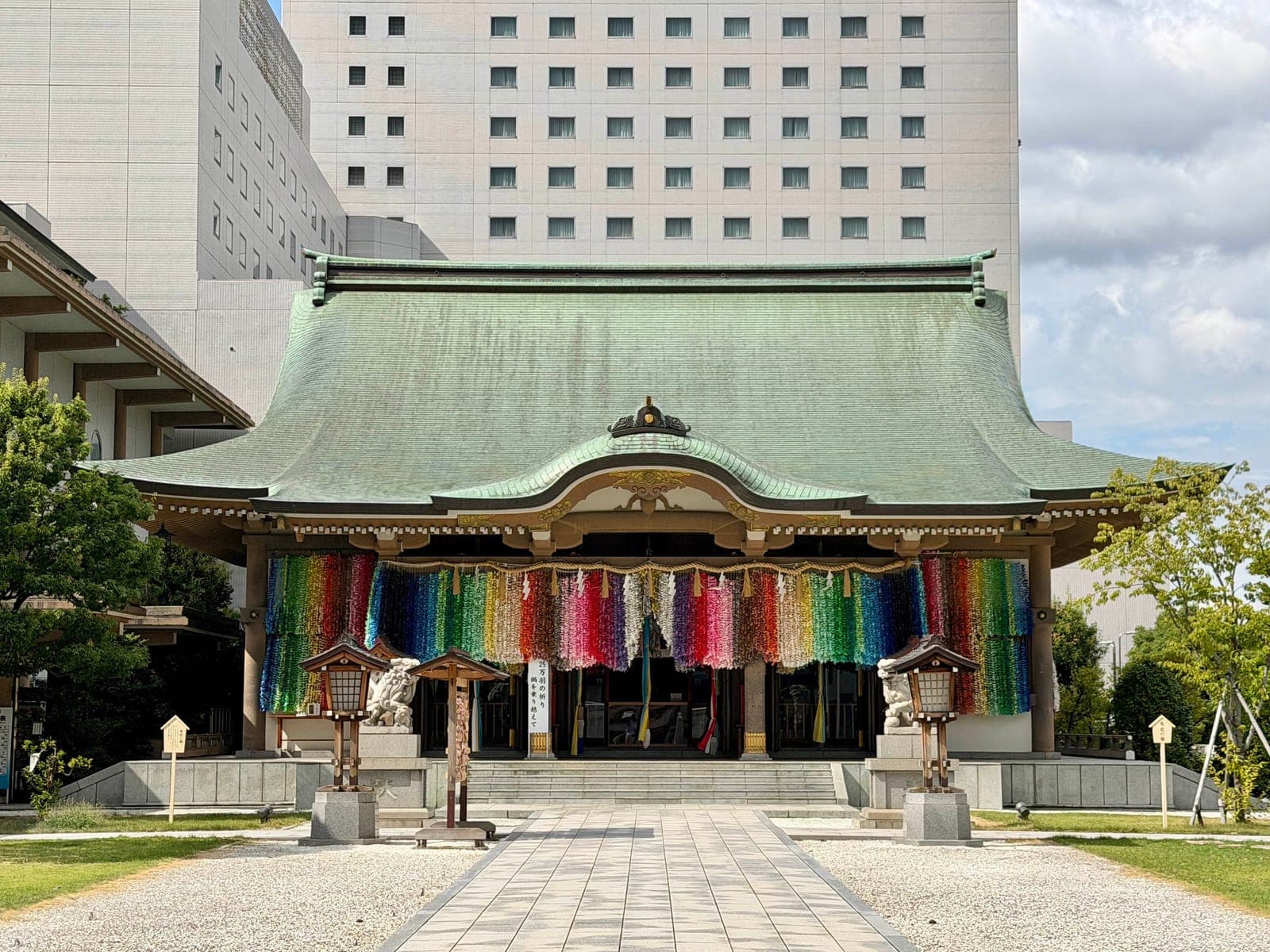
A major Shinto shrine in central Fukui City, founded in 1628 within Fukui Castle to enshrine Tokugawa Ieyasu. Named by Matsudaira Shungaku in 1873. Famous for 250,000 origami cranes at its entrance and hosts numerous annual festivals including ShichiGoSan...
Why you should go
Arrive between 9 AM and 4:30 PM on weekdays if you want to participate in a blessing ceremony (御祈祷), as the shrine accepts walk-in prayers during these hours with no reservation needed and a typical 30-minute duration.
If you plan to collect a goshuin (shrine stamp), bring a dedicated goshuin book or blank notebook, as the shrine office offers this service while you wait.
Visit during the Tanabata Festival (early July) or Obon season (mid-August) to see limited-edition goshuin stamps and participate in seasonal traditions like hanging wish tags on the grounds.
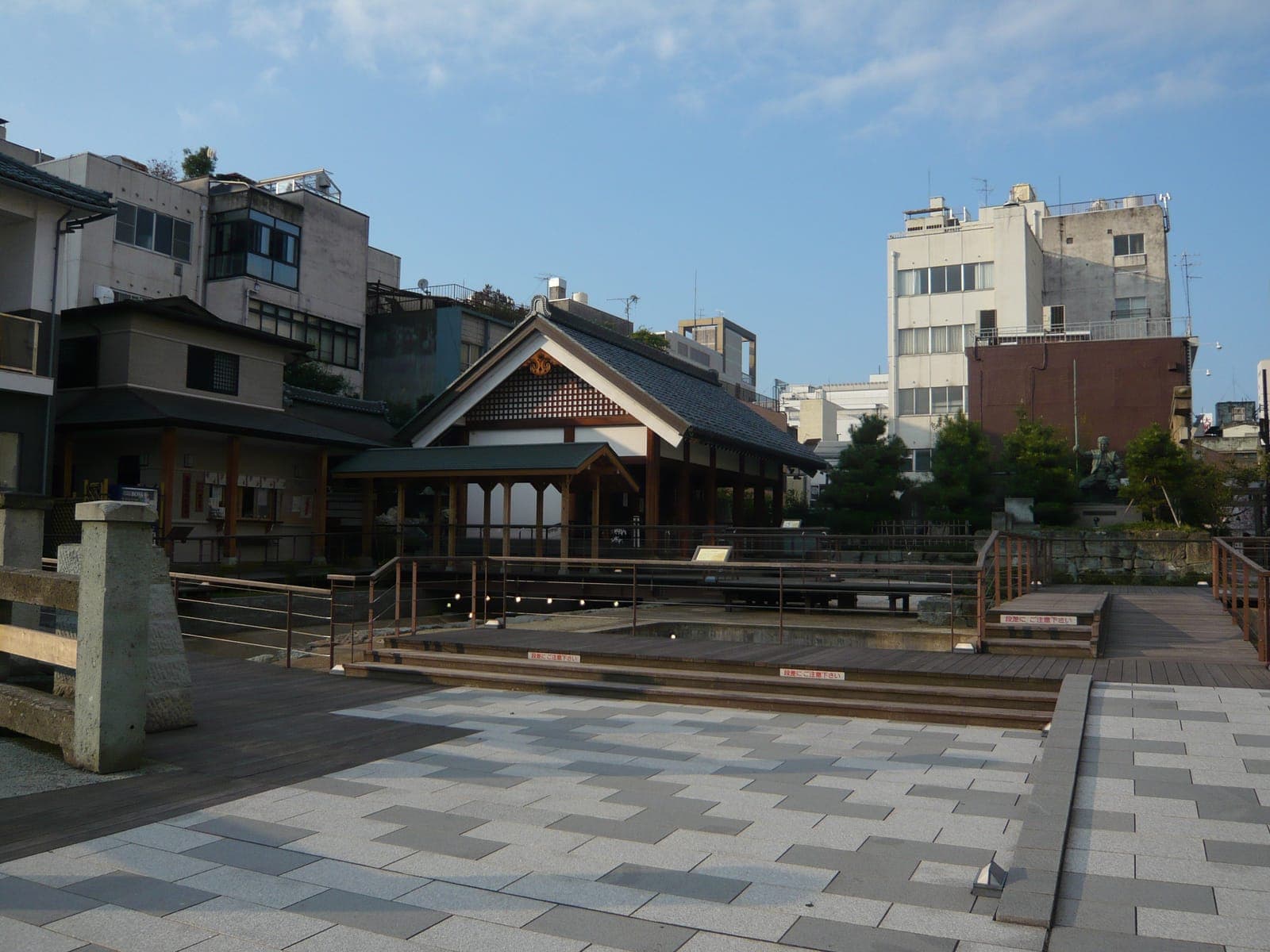
Shibata Shrine in central Fukui honors Shibata Katsuie and Oichi, and is known as the “Shrine of Bonds.” It stands near Fukui Station and originated from a small memorial shrine built by local residents to console their spirits after the downfall of...
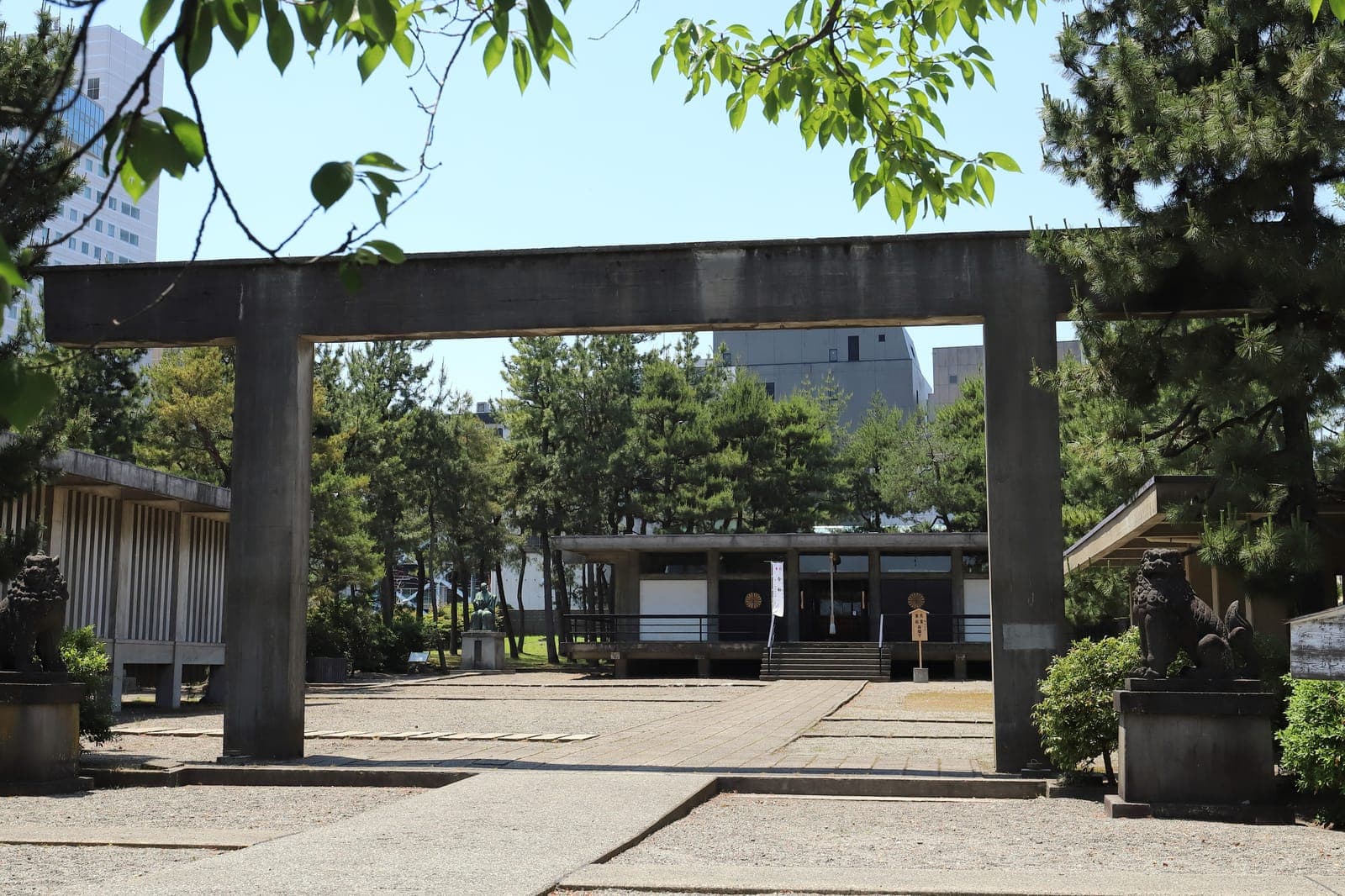
Fukui Shrine is a modern Shinto shrine in central Fukui, within the former Fukui Castle grounds. It enshrines Matsudaira Shungaku and was founded in 1943. The shrine was rebuilt after wartime destruction and features notable structures including a torii,...
Why you should go
The shrine sits within the former Fukui Castle grounds in the city center, so combine your visit with exploration of the surrounding historic area.
Check if the shrine has special events or festivals scheduled, as the site hosts important annual ceremonies and式年大祭 (formal anniversary festivals) with imperial offerings.
Visit the temizuya water pavilion near the entrance to purify your hands and mouth before approaching the altar. Use the provided ladle to rinse your left hand first, then your right hand, and finally rinse your mouth with water cupped in your left hand, spitting to the side rather than back into the fountain.
A historic Shinto shrine in Mikunicho Anto, Sakai, Fukui, revered for maritime protection, archery rites, and deep regional ties. Its origins are ancient, with traditions linking it to early imperial patronage and local coastal worship.
Why you should go
Take the bus from Shingu Station (about 1 hour 20 minutes) or from Kii-Tanabe and Shirahama stations (around 2 hours) and get off at Hongu-Taisha-Mae for direct access, or choose Hosshinmon Oji to experience a beautiful 2-hour hike along the historic pilgrimage approach.
If you visit in April, arrive on the 13th or 15th to witness the Kumano Hongu Taisha Spring Festival, where fathers carry their sons in traditional costume along part of the pilgrimage route after a purification ritual at the nearby Yunomine Onsen.
Plan to climb the 158 stone steps leading to the shrine's main gate early in your visit, as the cypress-lined stairway becomes more crowded as the day progresses and the afternoon light can create harsh shadows for photography.