Arrive between 9 AM and 4:30 PM on weekdays if you want to participate in a blessing ceremony (御祈祷), as the shrine accepts walk-in prayers during these hours with no reservation needed and a typical 30-minute duration.
At a Glance
Over 250,000 origami cranes (senbazuru) decorate the shrine's entrance in rainbow waves, creating a striking contrast to the serene spiritual atmosphere inside.
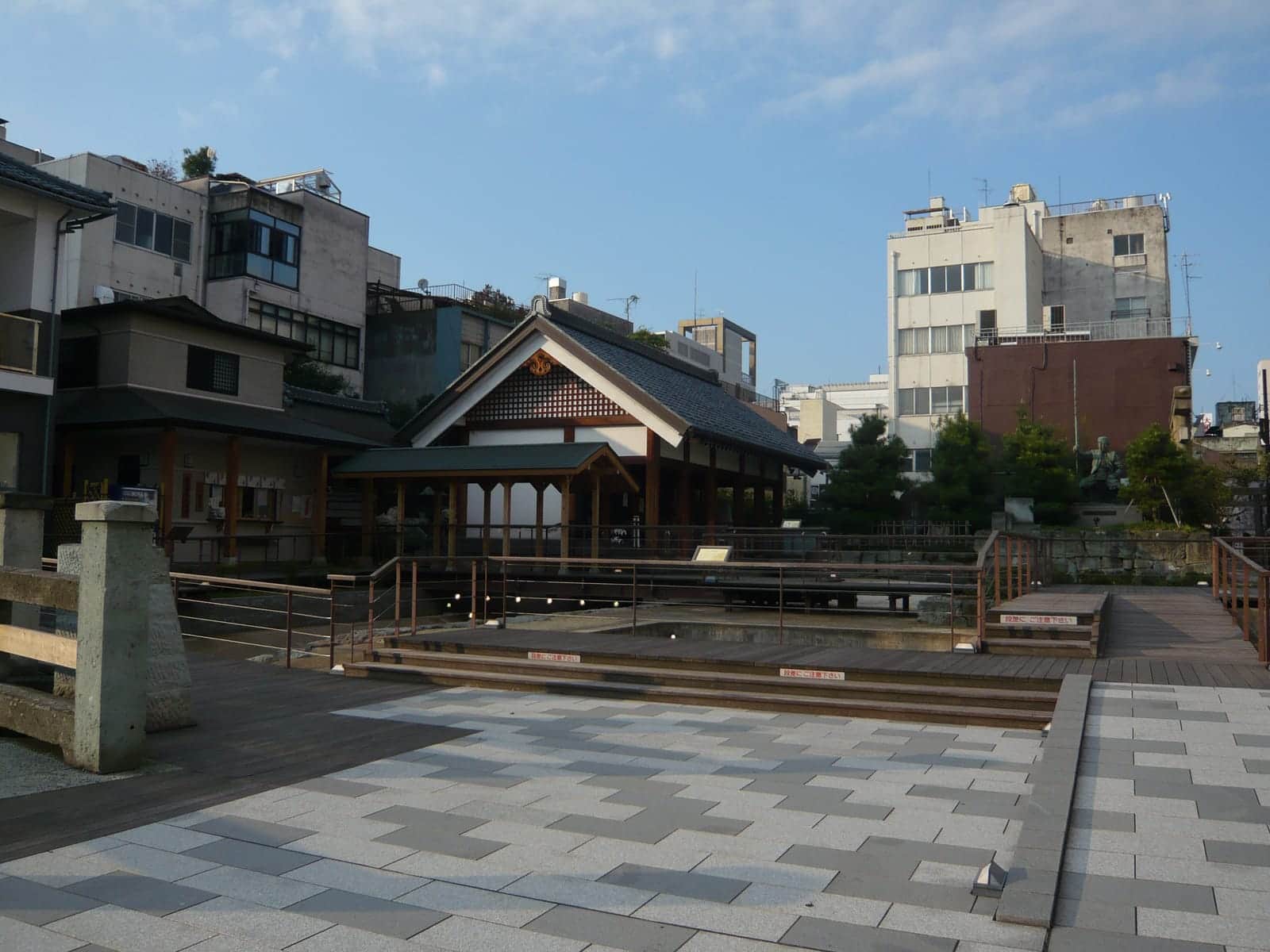
Founded in 1628 inside Fukui Castle to enshrine Tokugawa Ieyasu, the shrine sits adjacent to the castle ruins in the heart of modern Fukui City, just a 7-minute walk from the station.
This shrine offers 1 different goshuin designs
Same as opening hours
Regular
¥500
Facilities
Arrive between 9 AM and 4:30 PM on weekdays if you want to participate in a blessing ceremony (御祈祷), as the shrine accepts walk-in prayers during these hours with no reservation needed and a typical 30-minute duration.
If you plan to collect a goshuin (shrine stamp), bring a dedicated goshuin book or blank notebook, as the shrine office offers this service while you wait.
Visit during the Tanabata Festival (early July) or Obon season (mid-August) to see limited-edition goshuin stamps and participate in seasonal traditions like hanging wish tags on the grounds.
The shrine sits directly adjacent to Fukui Castle ruins on the west side of Chuo Park, so plan a combined visit to explore both sites in one outing.
The 250,000 origami cranes at the entrance create an intensely colorful display best photographed in natural morning light before crowds arrive.
When making a wish or prayer at the shrine, take a moment to observe how other visitors interact with the sacred spaces before approaching the main hall.
The divine spirits venerated at this sacred place
Not confirmed
Fukui, Fukui Prefecture
More ways to continue from this place.
What this place is believed to grant
2 recent posts
4.0
1 review
If you want to join a blessing ceremony, go on a weekday between 9:00 a.m. and 4:30 p.m. Walk-ins are accepted, and the ceremony usually takes about 30 minutes. If you plan to get a goshuin stamp, bring a dedicated goshuin book or a blank notebook, since the shrine office can do it while you wait.
The shrine sits next to the Fukui Castle ruins on the west side of Chuo Park, so it works well as part of the same outing. The entrance is especially striking for its mass of origami cranes, which look best in morning light before the area gets busy. In July and around Obon, you may also find seasonal goshuin and wish-tag traditions.
 OSPro member
OSKSupporter left a review
OSPro memberOSKSupporter shared a goshuin
Sakae no Yashiro Shrine 佐佳枝廼社
Within 300 m Within 600 m
Renting needs the operator's app and a Japanese phone number. docomo day passes are sold at convenience stores. Data sources