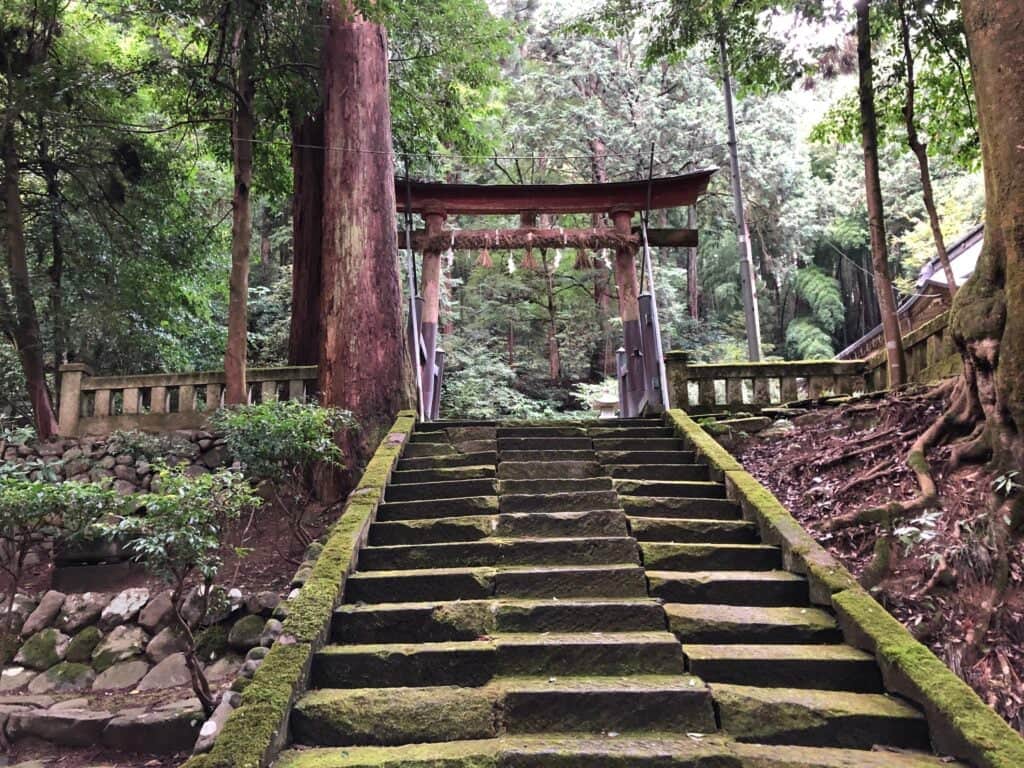

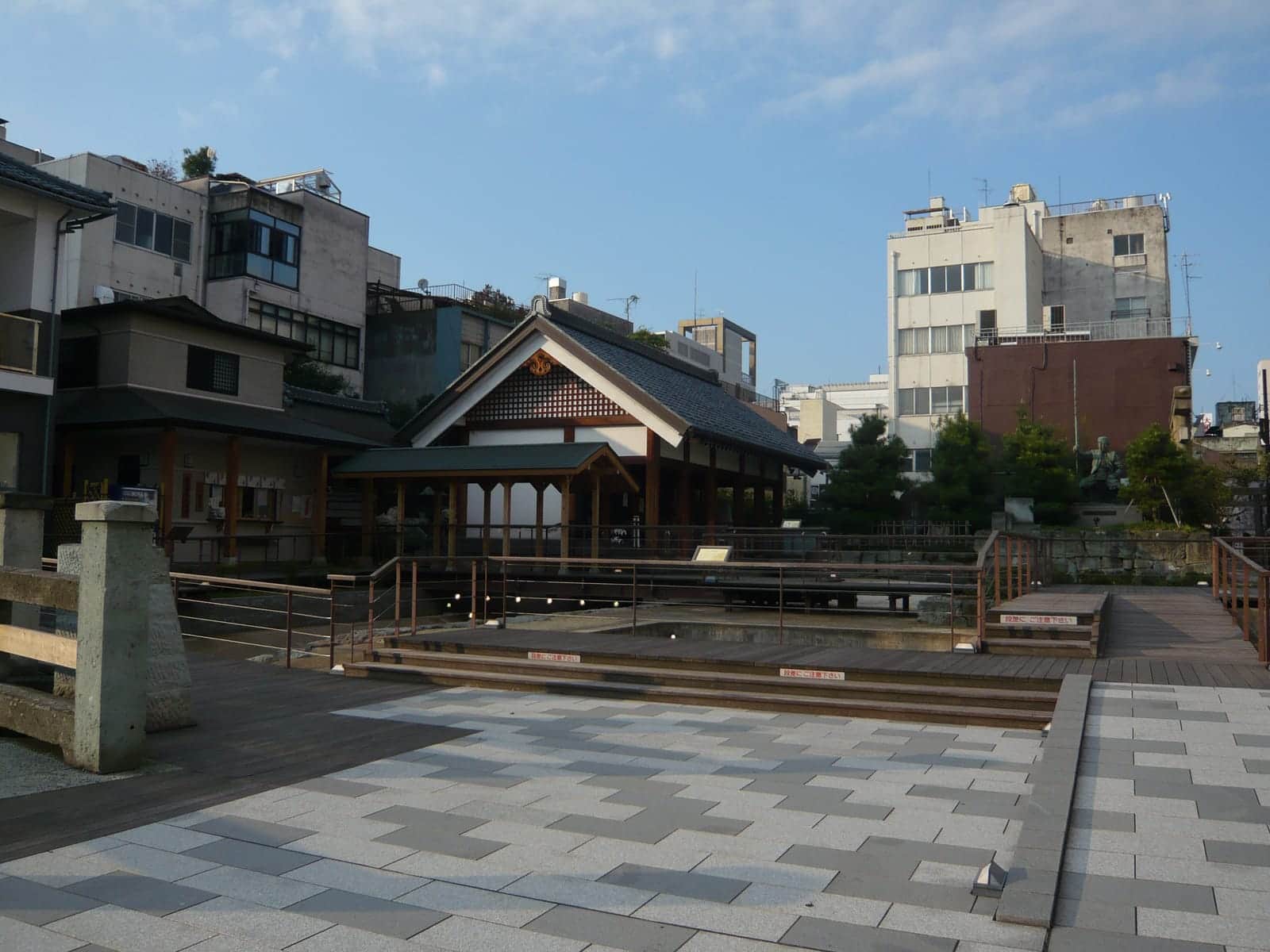
Shrine
Shibata
Fukui•951m(12 min walk)
Number of goshuin available: 1
At a Glance
The shrine serves as one of Fukui's most representative jinja, widely revered by local citizens who have turned to it as a spiritual center through the city's dramatic rebirth after WWII devastation and the 1948 earthquake.
The Asuwa district where the shrine resides was once part of territory ruled by the Asakura clan, whose fortified valley at Ichijōdani housed over 10,000 people during its 16th century peak.
This shrine offers 3 different goshuin designs
Same as opening hours
Regular
Regular
Regular
The divine spirits venerated at this sacred place
Not confirmed
More ways to continue from this place.
Within 300 m Within 600 m
Renting needs the operator's app and a Japanese phone number. docomo day passes are sold at convenience stores. Data sources
What this place is believed to grant
Fukui, Fukui Prefecture
0 recent posts
Share how your visit was to help other travelers.
No public community posts yet.