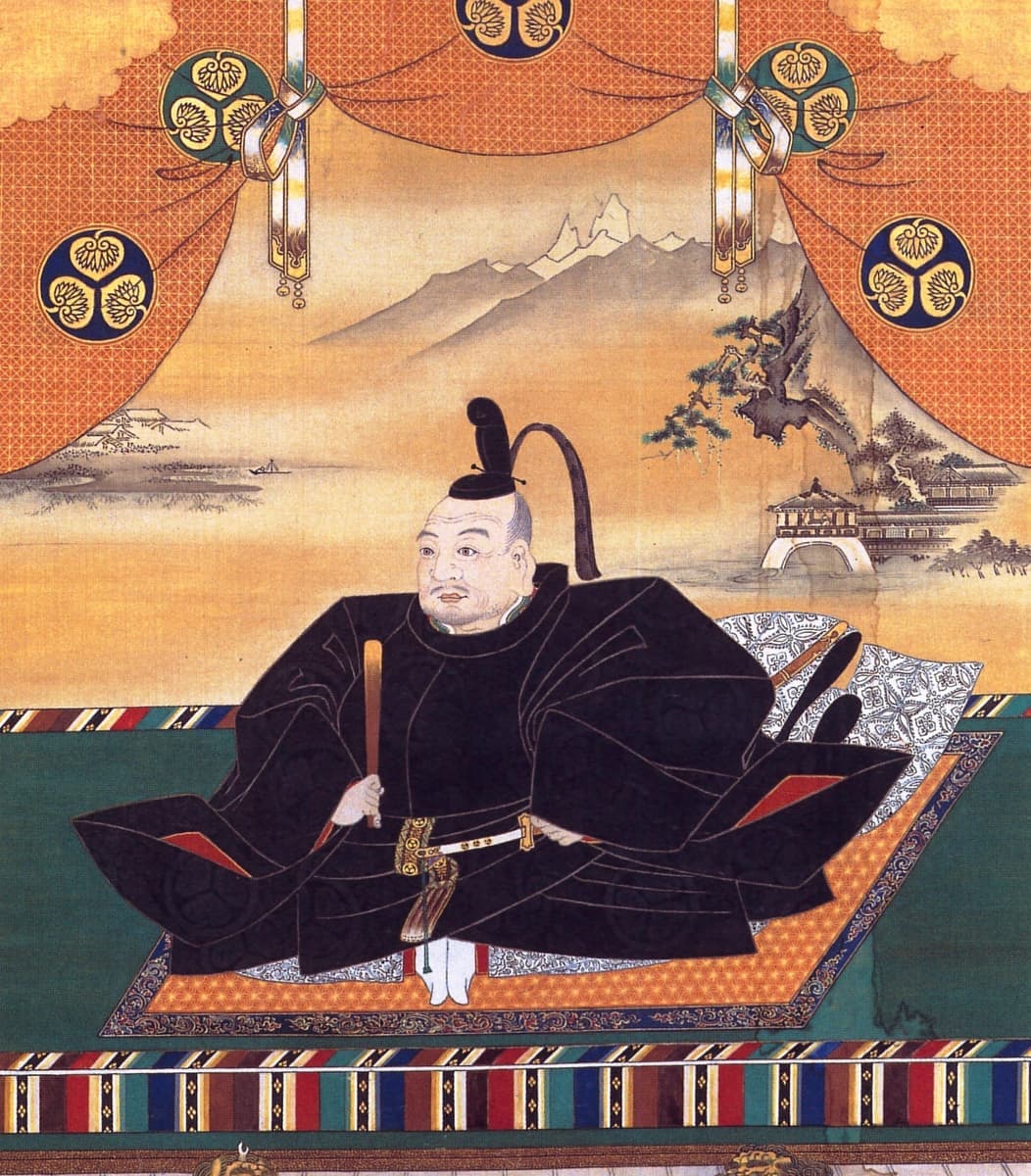
God of governance, stability, and martial authority
Tokugawa Ieyasu was a powerful warlord and statesman of the Sengoku period who became the founder and first shogun of the Tokugawa shogunate, which governed Japan from 1603 to the Meiji Restoration in 1868. Regarded as one of the three Great Unifiers of Japan alongside Oda Nobunaga and Toyotomi Hideyoshi, he rose from modest origins — spending part of his youth as a political hostage — to unify the realm after victory at the Battle of Sekigahara in 1600.
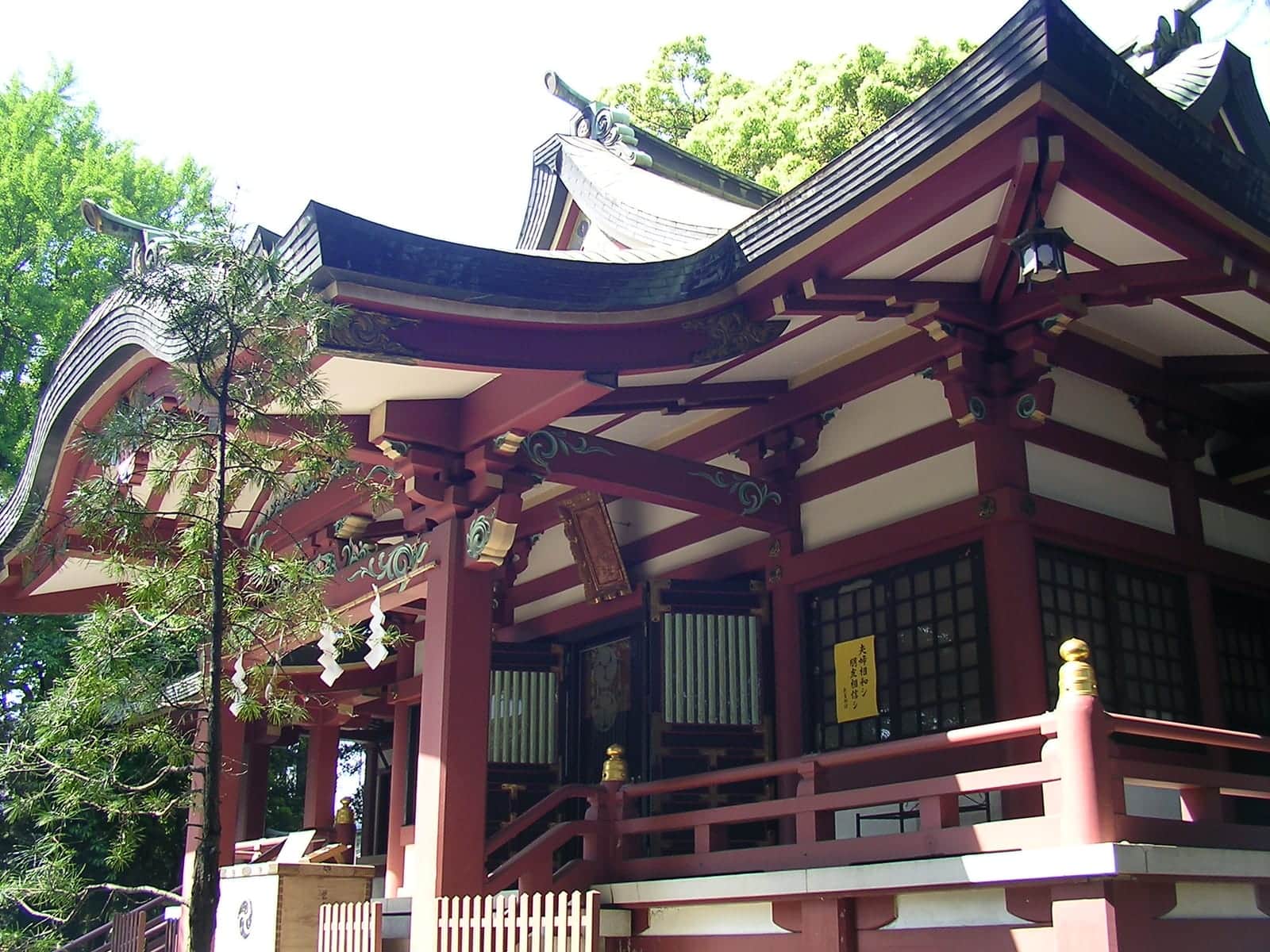
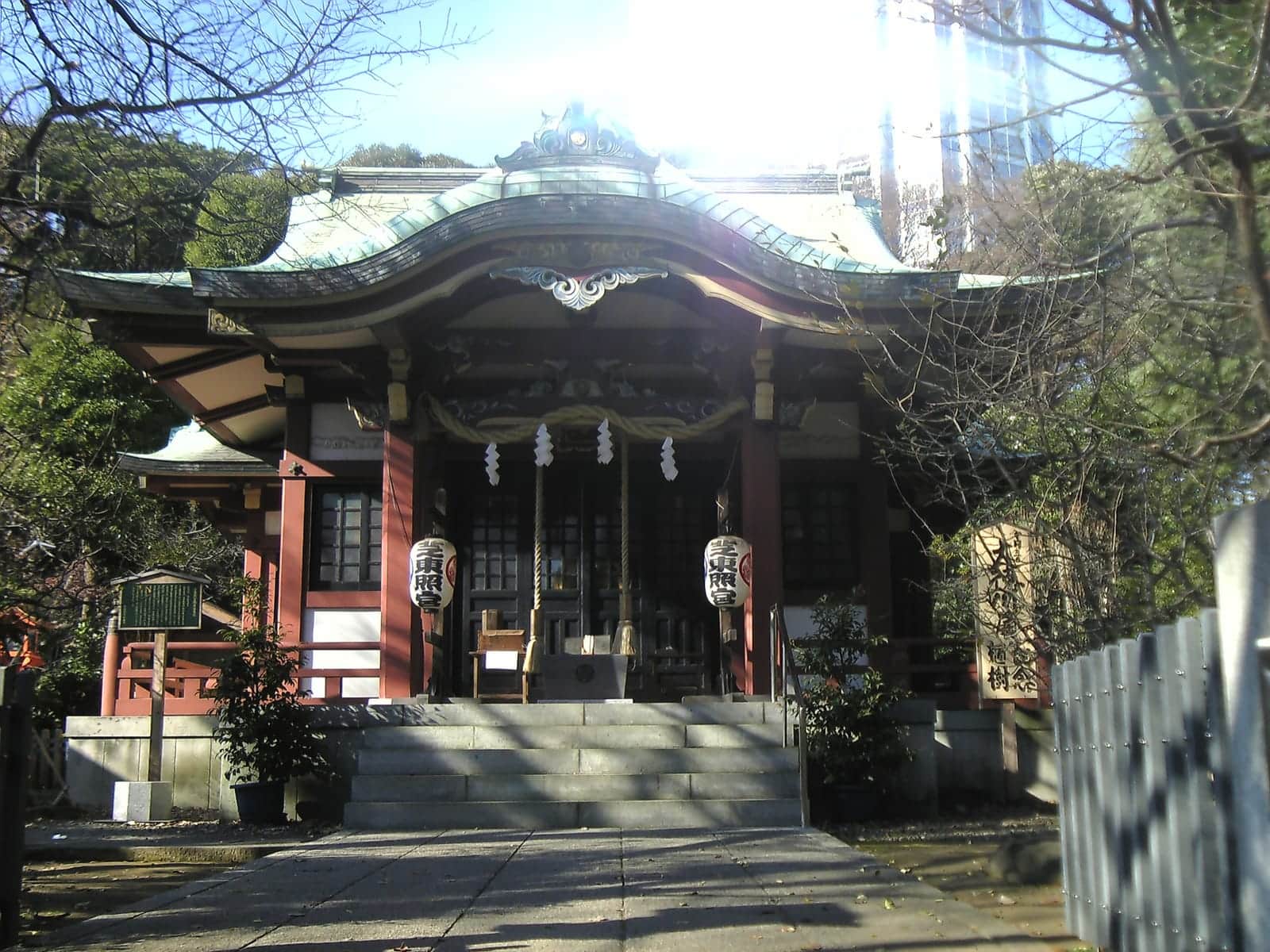
Following his death in 1616, Ieyasu was deified as a Shinto kami under the name Tōshō Daigongen, meaning the Great Incarnation Illuminating the East, and enshrined primarily at Nikkō Tōshō-gū in Tochigi Prefecture. His apotheosis blended Shinto and Buddhist traditions, reflecting the syncretic religious thought of the era. Veneration of Ieyasu as a divine protector of peace and stable rule spread across Japan through the many Tōshō-gū shrines built during the Edo period.
As a deified figure, Ieyasu is associated with governance, the preservation of social order, and martial authority. His legacy — the centuries-long peace maintained by the Tokugawa shogunate — reinforced his divine reputation as a guardian of the realm. Worshippers have traditionally sought his blessing for protection, prosperity, and the stability of institutions.