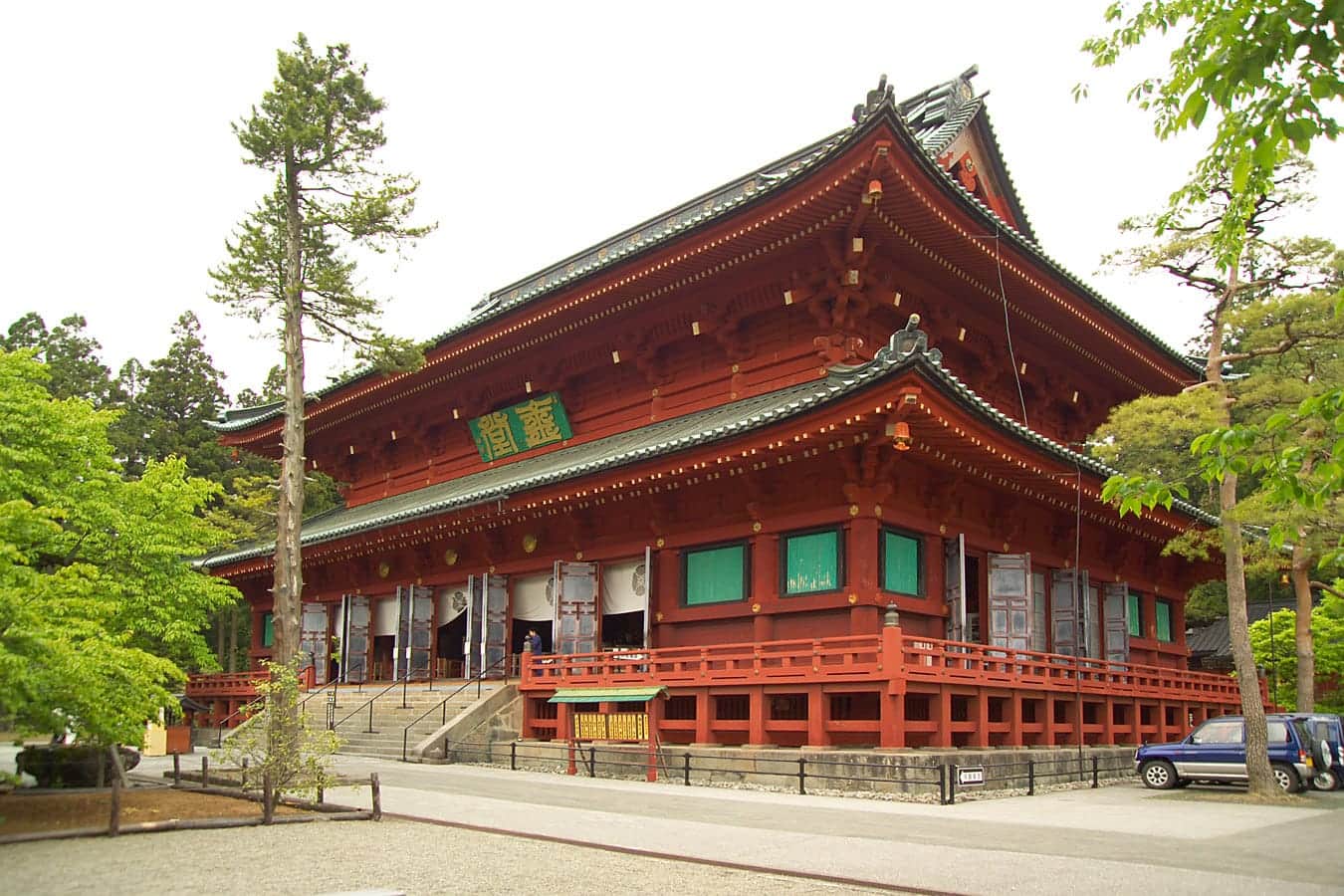
Temple
Yakushi-do
Nikko•66m(1 min walk)
Number of goshuin available: 3
At a Glance
The first thing that grabs you here is not quiet simplicity, but abundance, Nikkō Tōshō-gū is a shrine where every surface seems to shimmer with carving, lacquer, and color, a place where architecture becomes political memorial, religious devotion, and theatrical display all at once. Located in Nikkō, Tochigi Prefecture, this Shinto shrine enshrines Tokugawa Ieyasu, the founder of the Tokugawa shogunate, and it was originally built in 1617 as his mausoleum before being expanded in the 17th century into the celebrated complex seen today. It is also one of the core sites of the Shrines and Temples of Nikkō UNESCO World Heritage Site, alongside Futarasan Shrine and Rinnō-ji, with 42 structures included in the nomination, 5 designated as National Treasures and 3 more as Important Cultural Properties.
The shrine’s origins are inseparable from the rise of the Tokugawa regime. Tokugawa Ieyasu died in 1616, and the following year his memorial site took shape at Nikkō, a mountain setting already associated with sacred power. In its earliest form, Nikkō Tōshō-gū was not merely a shrine in the ordinary sense, but a dynastic monument. It enshrined the founder of the military government that brought national stability after the long years of civil conflict, and it helped transform Ieyasu into a deified guardian figure, worshiped through the Tōshō-gū cult.
That role gave the shrine a special place in early modern Japan. It was both a sacred site and an expression of authority. The Tokugawa shogunate could honor its founder while also creating a pilgrimage destination that projected legitimacy. Over time, the shrine became one of the most important Tokugawa-era religious sites in Japan, and its expanded form preserved the grandeur of the early Edo period in unusually complete fashion.
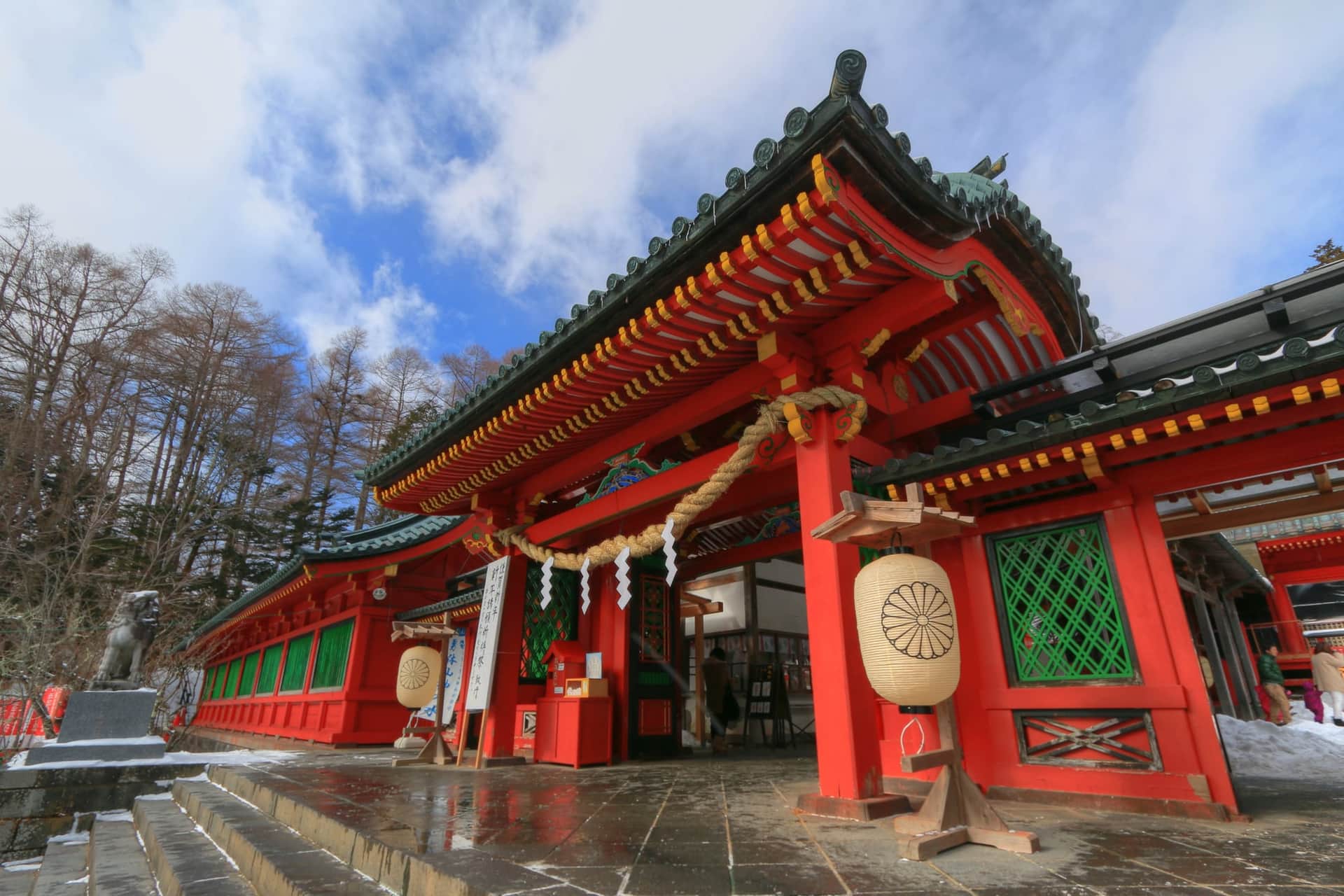
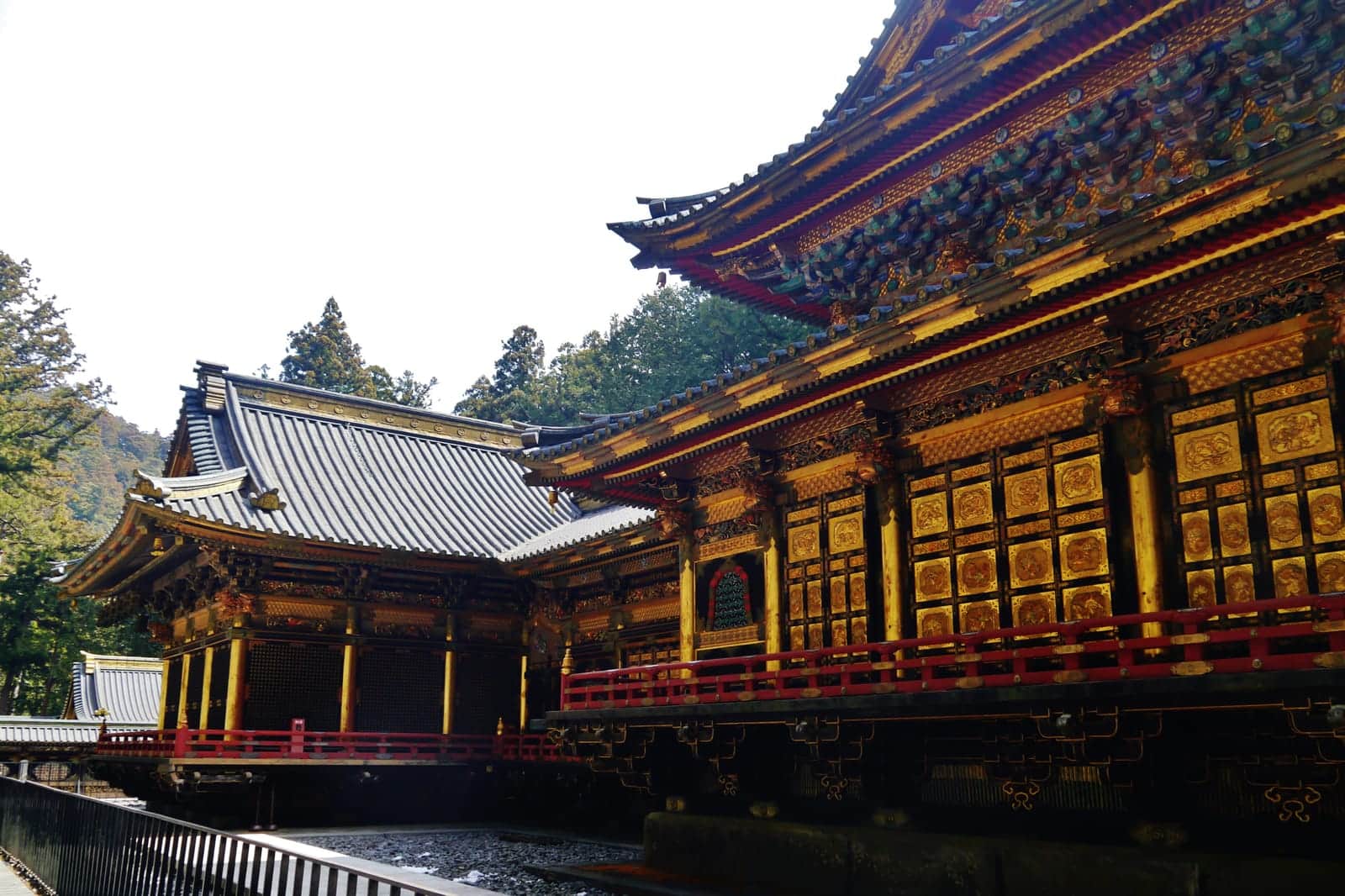
What makes the shrine unforgettable is the density of craftsmanship. The approach leads visitors through a sequence of gates and halls that build anticipation piece by piece. Among the most celebrated elements is the Yōmeimon Gate, one of the shrine’s great landmarks and one of the most lavishly decorated gates in Japan. Every inch seems worked over by sculptors and artisans, with elaborate ornamentation that rewards close looking. It is the kind of structure where you do not just glance upward, you slow down.
Another highlight is the Karamon, a gate known for its elegant curved roofline and refined detail. Together with the main worship hall and sanctuary, these structures form the ceremonial heart of the complex. The shrine’s design combines grandeur with precision, balancing heavy visual richness against careful architectural order. This is early Edo-period craftsmanship at its finest, surviving in forms that still communicate the confidence of the age.
The decorative program is not limited to the major gates. The shrine is famous for its intricate relief carvings, including the world-famous Three Wise Monkeys carving, the pictorial maxim of see no evil, hear no evil, speak no evil. That single image has become one of the most recognizable symbols of Japanese visual culture, yet here it is part of a much larger field of ornament. The carvings, lacquer, gilding, and structural detailing all work together, turning the shrine into a kind of open-air gallery of 17th-century religious art.
As a Shinto shrine, Nikkō Tōshō-gū is devoted to the deified spirit of Tokugawa Ieyasu, who is honored here as a protector and ancestral power. This is not simply a memorial site, but a place where political memory and sacred practice meet. The shrine reflects the way early modern Japan could merge statecraft, ritual, and reverence for a founder figure into a single religious landscape.
The surrounding sacred environment deepens that meaning. Because the shrine is part of the broader Shrines and Temples of Nikkō complex, it exists in conversation with Futarasan Shrine and Rinnō-ji, creating a layered religious setting where Shinto and Buddhist traditions historically coexisted in close proximity. For visitors, that means the site can be understood not just as a collection of ornate buildings, but as a focal point in a larger sacred geography.
The shrine also carries a strong cultural afterlife through its most famous images. The Three Wise Monkeys have entered global popular culture, but their presence here remains rooted in a moral and devotional setting. Their lesson of restraint and self-discipline suits the shrine’s broader identity well. The site is also tied to pilgrimage and heritage appreciation, drawing attention from visitors who come for history, architecture, religion, and the sheer force of craftsmanship.
Part of the shrine’s power comes from its location in Nikkō, a place known for wooded mountains, changing seasons, and a sense of elevation from ordinary life. The setting is not incidental. The shrine’s buildings sit within a landscape that enhances their atmosphere, giving the complex a feeling of ascent and enclosure. The surrounding environment helps shape the visitor’s experience, making the approach feel like a passage into a more charged, contemplative space.
The natural setting also softens the shrine’s opulence. The brilliantly decorated structures might feel overwhelming in another context, but here they are framed by forest, mountain air, and the slower rhythm of a historic pilgrimage area. That contrast between ornate human construction and the calm of the surrounding land is part of what makes the site memorable. You feel both the intention of the builders and the presence of the landscape that holds the shrine.
Today, visitors encounter a complex that is both famous and unusually well preserved. The shrine’s 42 nominated structures offer a dense sequence of visual and historical experiences, from major gates to worship spaces and auxiliary buildings. Among them, the 5 National Treasures and 3 Important Cultural Properties signal the exceptional value of the site within Japan’s heritage system.
The experience is cumulative. You begin with the visual shock of the ornamentation, then notice the storytelling in the carvings, then the ritual order of the buildings, and finally the historical weight of the place as a mausoleum for Tokugawa Ieyasu. It is a shrine that operates on several levels at once. It is a religious site, a political monument, a showcase of early Edo-period art, and a key piece of the UNESCO World Heritage landscape of Nikkō.
If you want to understand why Nikkō Tōshō-gū matters, it helps to think of it as an architecture of memory. It preserves the image of a shogun made sacred, but it also preserves the skills of the craftsmen who built its gates, halls, and sanctuaries. More than four centuries after its founding in 1617, it still commands attention not through restraint, but through extraordinary visual intensity. That intensity is exactly what makes it endure.
Nikkō Tōshō-gū enshrines Tokugawa Ieyasu, founder of the Tokugawa shogunate.
The UNESCO listing includes 42 shrine structures; 5 are National Treasures and 3 more are Important Cultural Properties.
This shrine offers 1 different goshuin designs
Same as opening hours
Regular
Facilities
The divine spirits venerated at this sacred place
Visit Duration
90+ minutes
Nikko, Tochigi Prefecture
What this place is believed to grant
2 recent posts
5.0
1 review
Nikko Toshogu is large, and you should plan extra time, especially if you want to see the main shrine and the inner mausoleum area. The grounds have many stairs and slopes, so comfortable walking shoes help. Weekends and peak seasons can get very crowded, and parking may fill early, so arriving before the morning rush makes things easier.
Expect highly detailed, colorful carvings and heavy use of gold throughout the buildings. The famous Three Monkeys and Sleeping Cat are small, so look carefully, and the ceiling dragon in the hall is another highlight. If you can, keep going to the inner area for a quieter, more solemn atmosphere.
More ways to continue from this place.
 MS
MSmassimo silvestrin checked in
Nikko Toshogu
Nikko, Tochigi
Josefína Pospíšilová shared a goshuin
Within 300 m Within 600 m
Renting needs the operator's app and a Japanese phone number. docomo day passes are sold at convenience stores. Data sources
Discount passes that cover getting here and around.
Unlimited buses between Nikko and Lake Chuzenji for 2 days. Sold at Tobu-Nikko Station.
Unlimited rides on Nikko World Heritage area buses for one day (single ride ¥350). For Toshogu, get off at the Omotesando stop.
Unlimited buses between Nikko and Yumoto Onsen for 2 days. Sold at Tobu-Nikko Station.
Round trip Asakusa to Nikko plus unlimited World Heritage area buses. The limited express supplement (¥1,450 to ¥2,140 each way) is not included. JR passes are not valid on Tobu trains.