The main worship grounds are free; the Shin’en garden has a separate admission fee. Check the current fee before visiting.
At a Glance
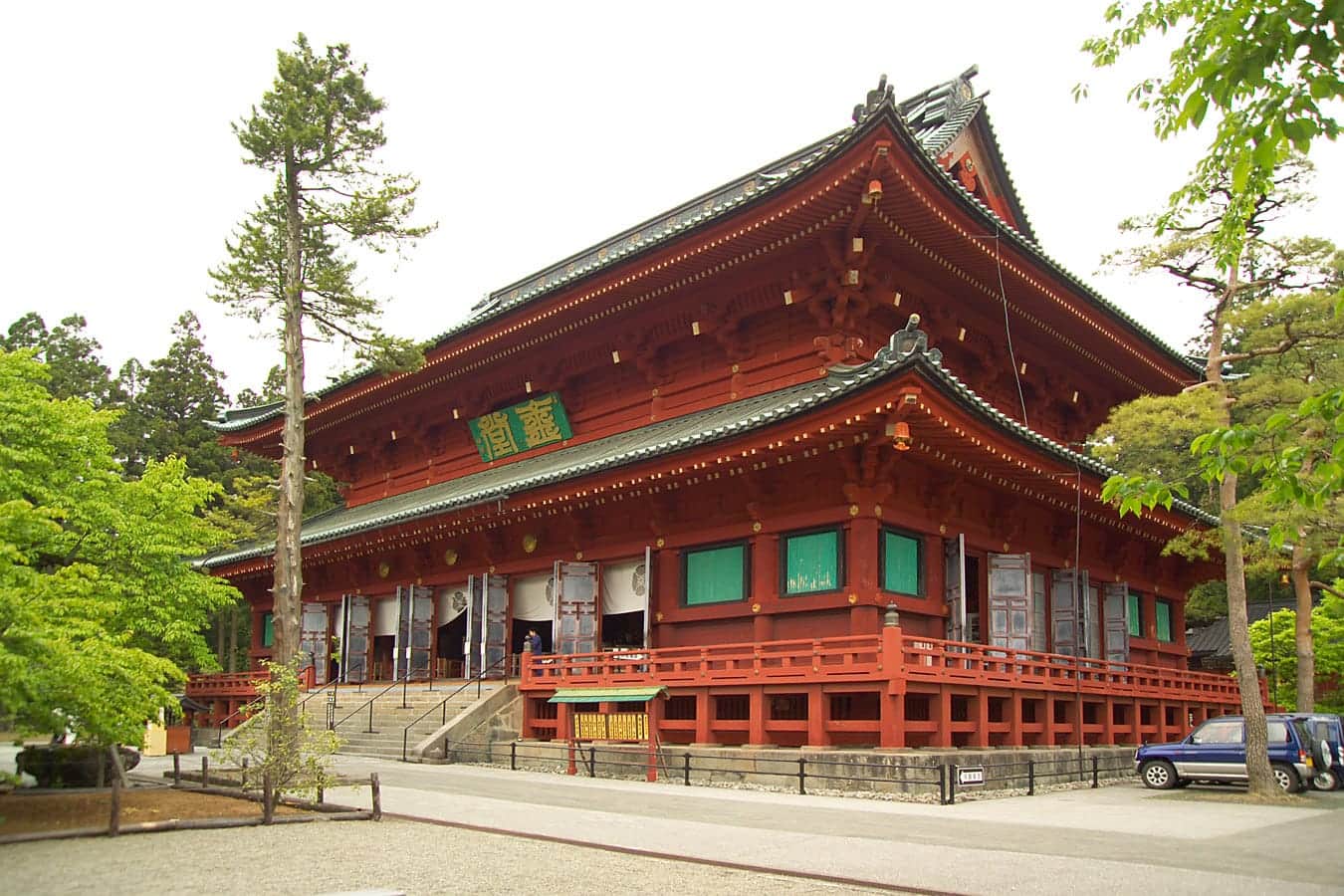
The shrine venerates the deities associated with Mount Nantai, Mount Nyoho and Mount Taro: Onamuchi, Tagorihime and Ajisukitakahikone.
This shrine offers 1 different goshuin designs
Same as opening hours
Regular
Facilities
The main worship grounds are free; the Shin’en garden has a separate admission fee. Check the current fee before visiting.
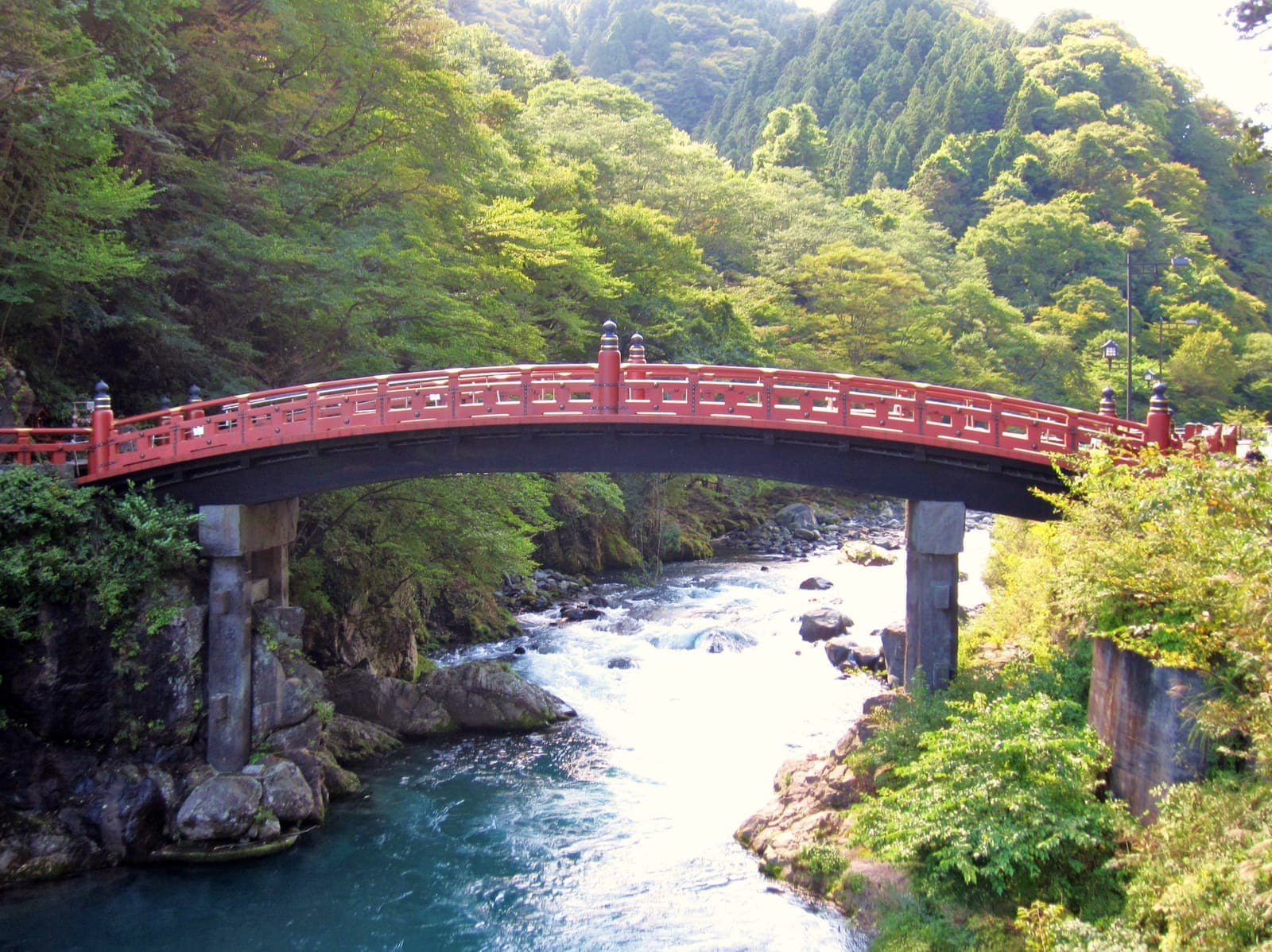
Shinkyo Bridge is part of the shrine complex, about 1 km from the main precinct, and has its own hours and admission.
The divine spirits venerated at this sacred place
Related places on the same temple or shrine grounds.
More ways to continue from this place.
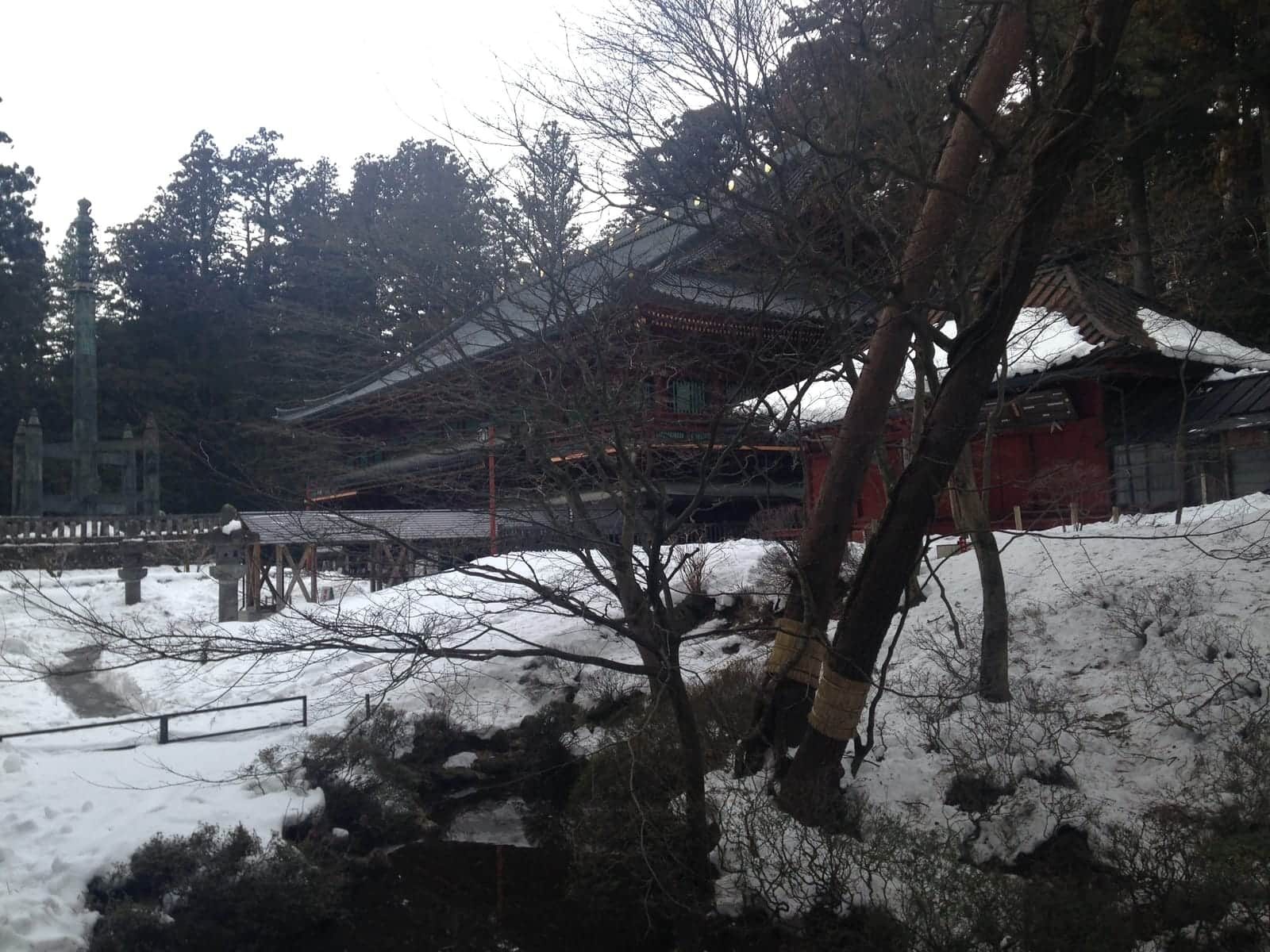
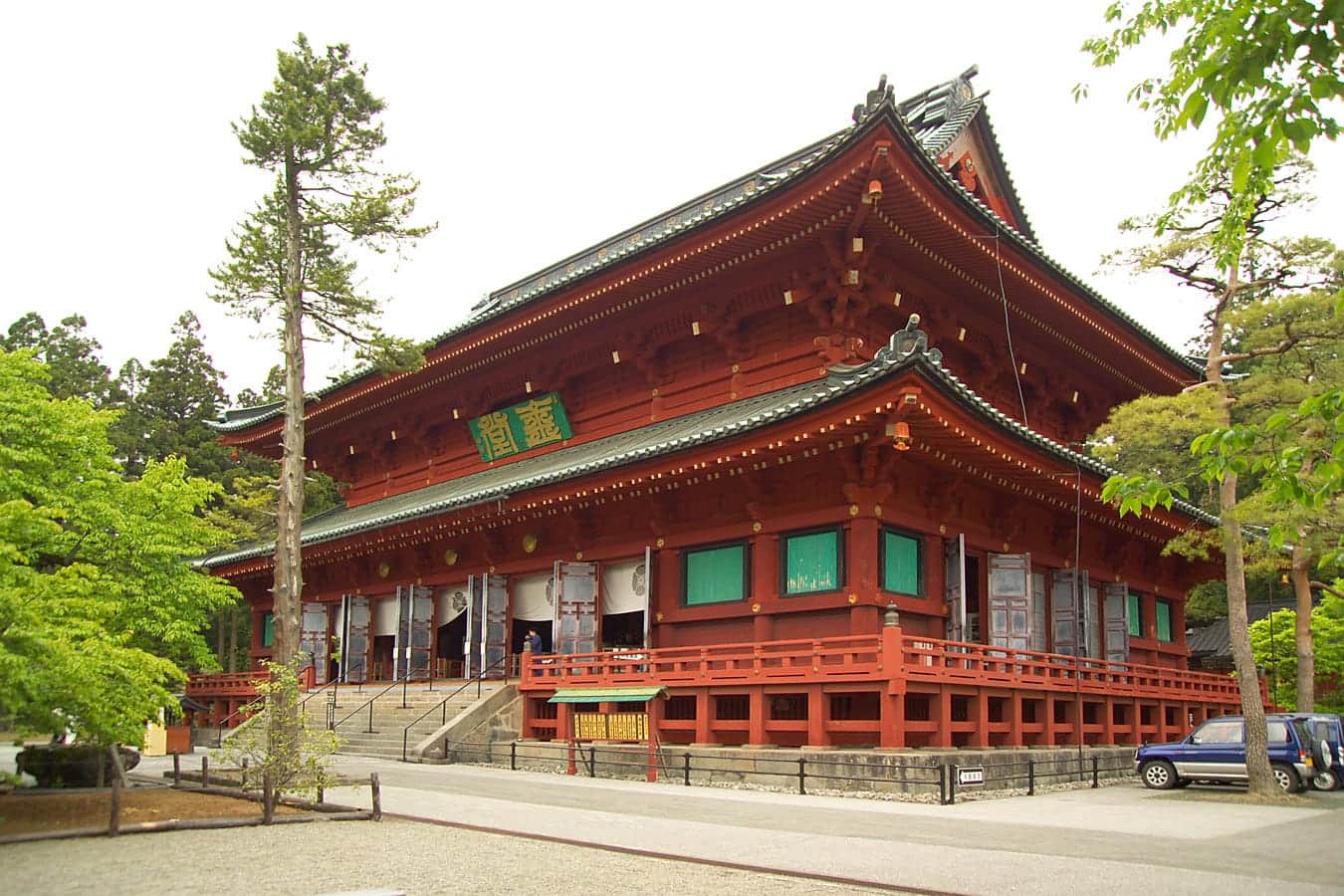
Also called Nikko Futarasan
Nikko, Tochigi Prefecture
What this place is believed to grant
3 recent posts
Share how your visit was to help other travelers.
Sedrick McCaskill checked inLocation matched
Nikko Futarasan Jinja
Nikko, Tochigi
Josefína Pospíšilová shared a goshuin
 HS
HSHaru Sakurai shared a goshuin