
Admission
Not confirmed
At a Glance
Though designated a Special Protected Building in 1915 (equivalent to Important Cultural Property), the original ornate shrine with its Chinese-style gate and transparent fence was completely destroyed in the 1945 Tokyo air raids.
Tokugawa Ieyasu carved his own life-sized statue at age 60 and worshipped it himself at Sunpu Castle before ordering it enshrined here upon his death, making this one of the few shrines housing a self-commissioned deity image.
This shrine offers 1 different goshuin designs
Regular
Not confirmed
Visit the shrine office on the left side of the main hall to get a goshuin stamp. You can also buy a unique wooden goshuin book made from Nikko cedar for 3,000 yen, which includes a handwritten stamp.
Look for the sacred ginkgo tree near the main hall, which is one of only two items that survived the devastating Tokyo air raids of May 25, 1945, along with the original wooden statue of Tokugawa Ieyasu that serves as the shrine's sacred object.
Try the unique warrior fortune draw (busho kuji) available at the shrine, which features rare fortunes including eight special figures, offering a distinctive experience compared to standard omikuji fortune slips.
Pick up the wooden travel safety amulet (dochu anneimamori) made from cedar wood at the shrine office, which serves as both a spiritual protection and a fragrant keepsake of your visit.
The divine spirits venerated at this sacred place
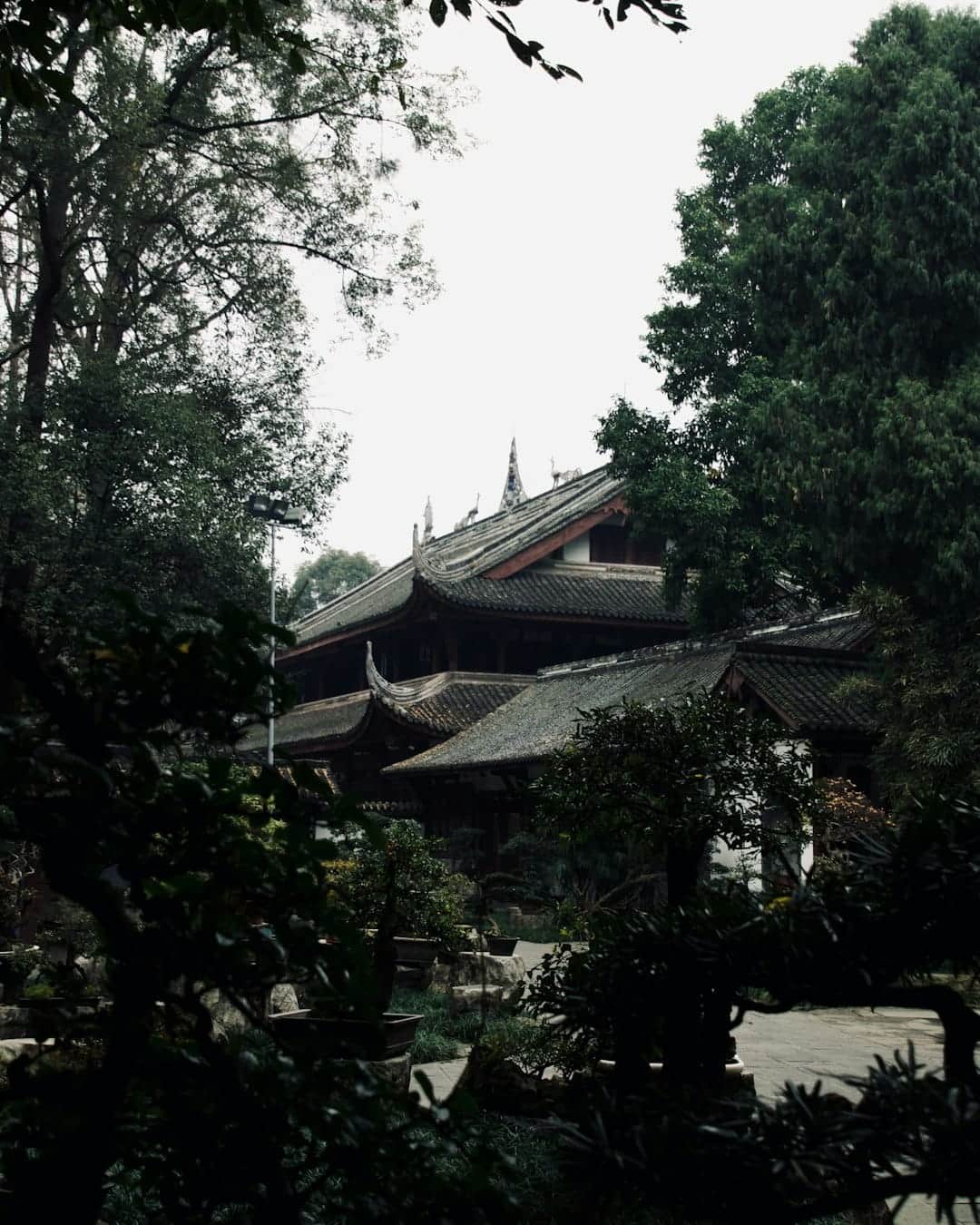
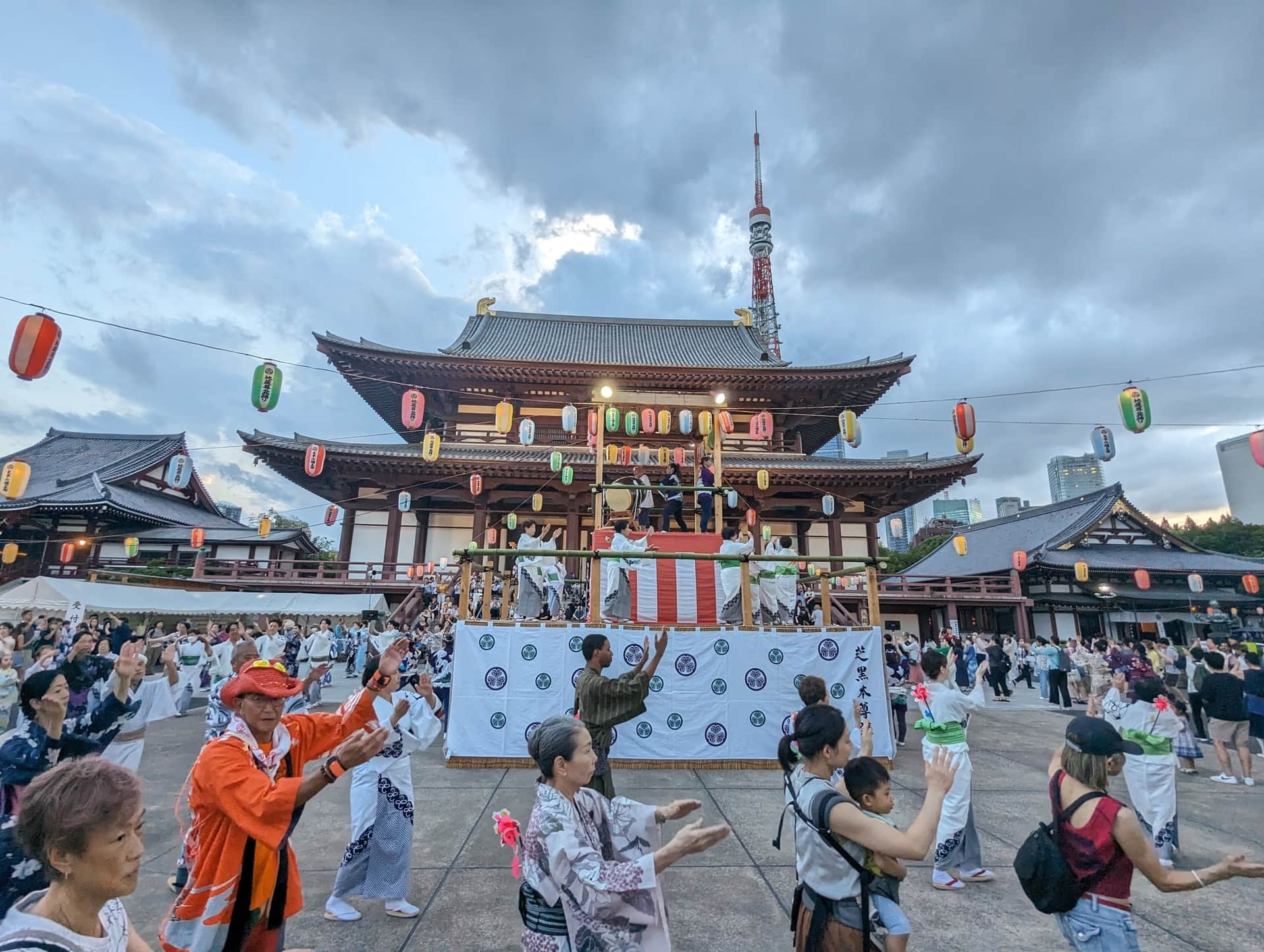
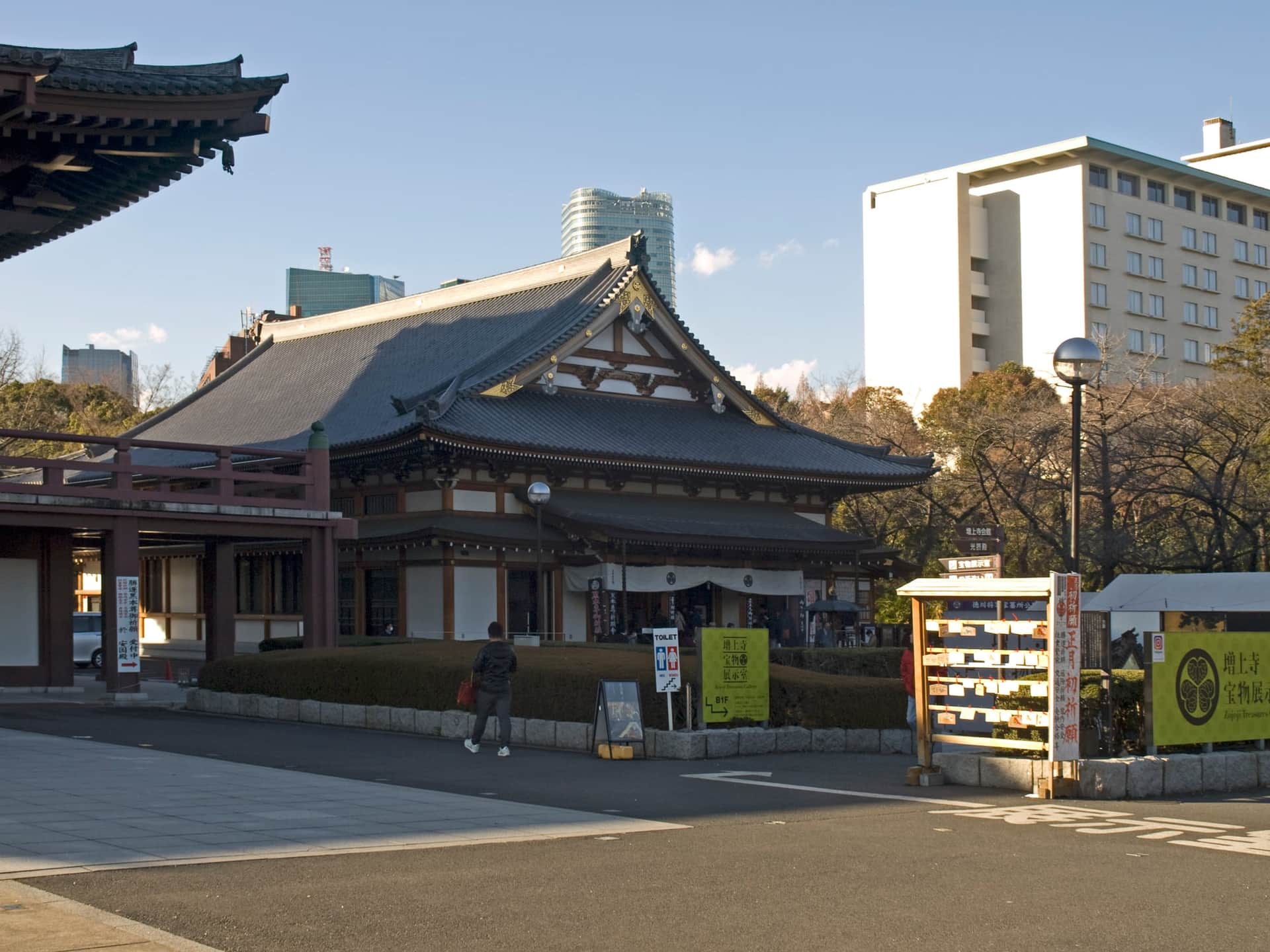
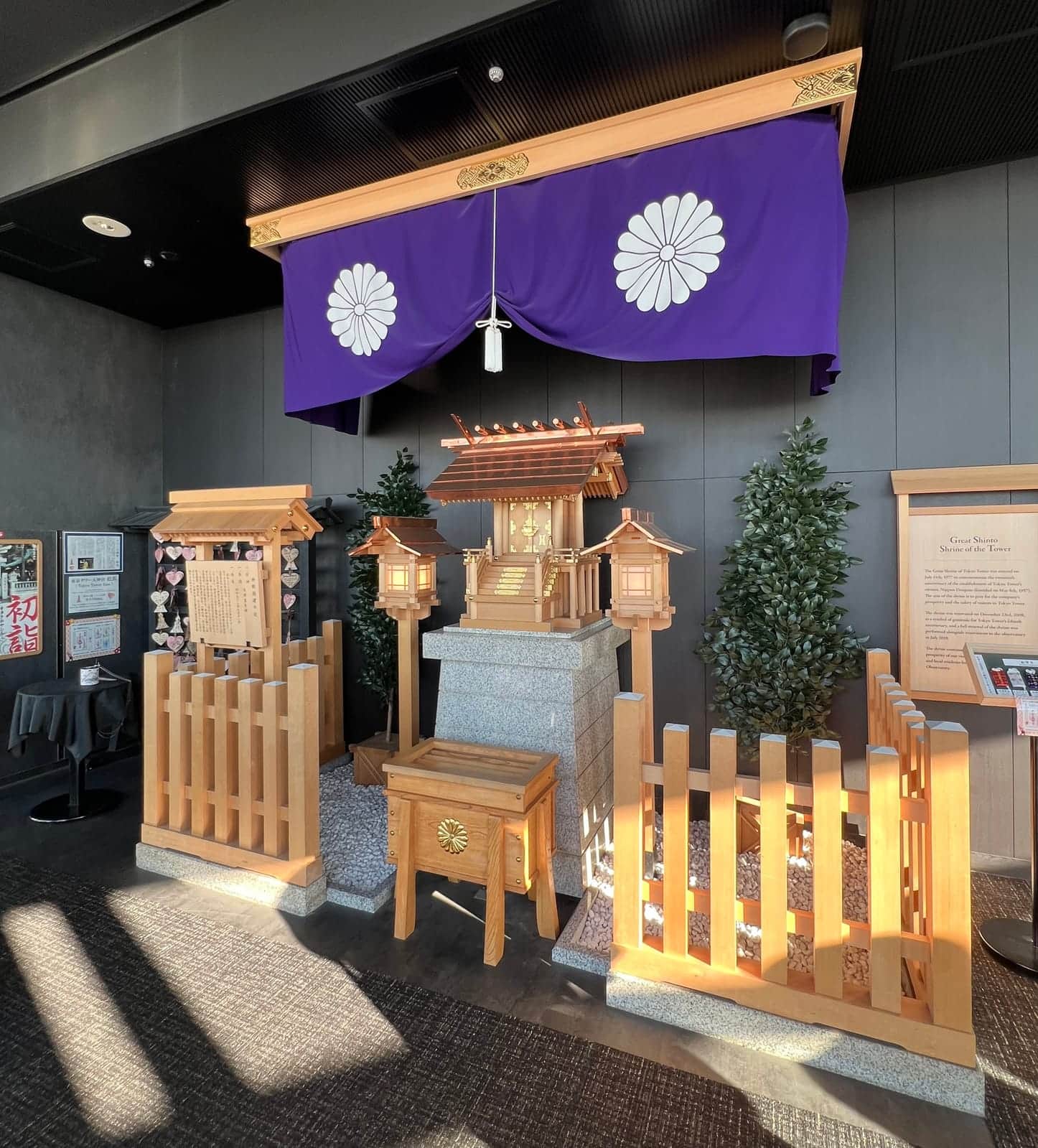
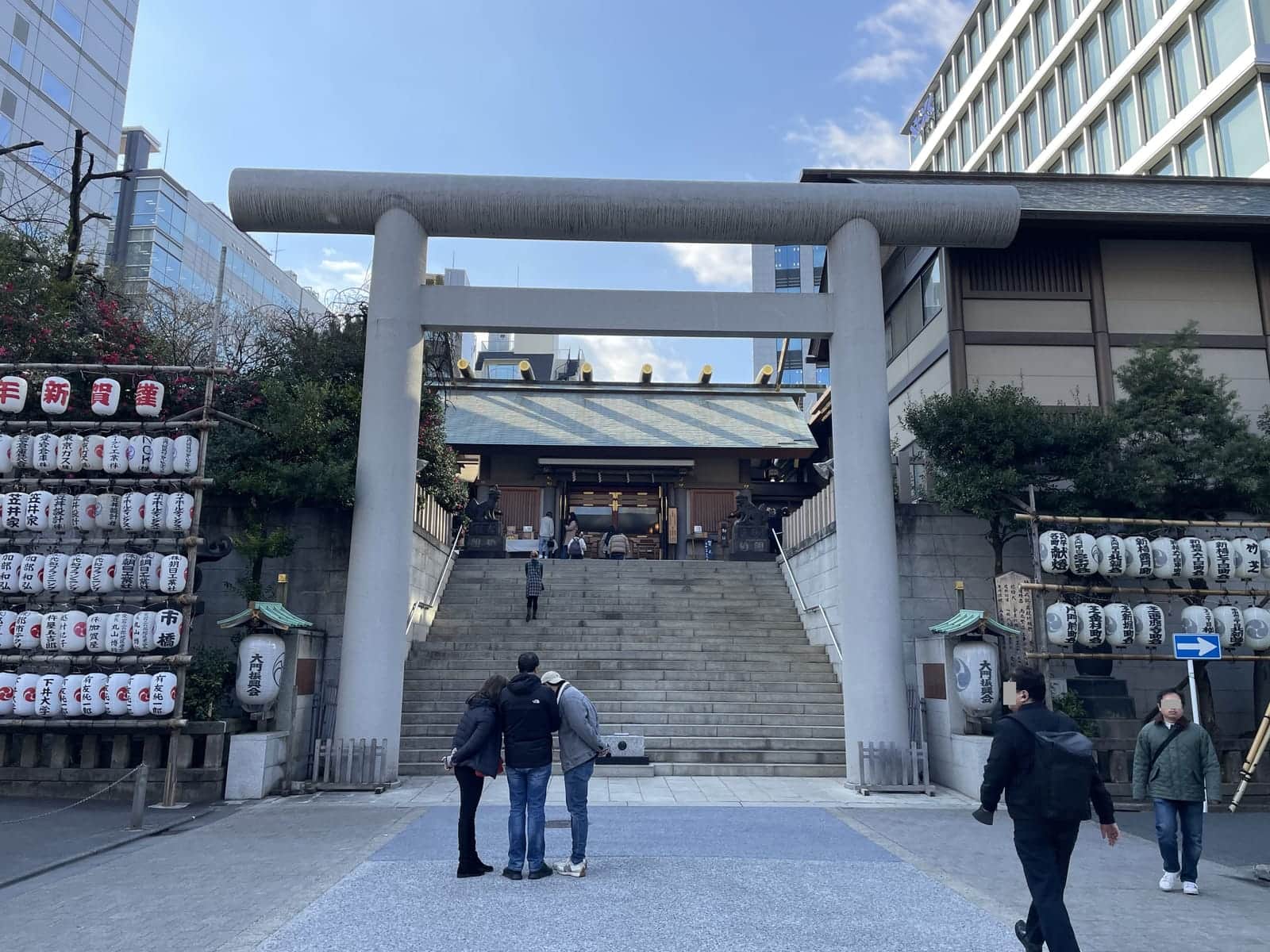
Minato, Tokyo Prefecture
What this place is believed to grant
More ways to continue from this place.
4 recent posts
4.5
2 reviews
Stop by the shrine office to the left of the main hall for a goshuin stamp. If you want something more distinctive, the office also sells a wooden goshuin book made from Nikko cedar for 3,000 yen, with a handwritten stamp included, plus a cedar travel safety amulet (dochu anneimamori) that doubles as a fragrant keepsake.
Before you leave, try the busho kuji, a warrior-themed fortune draw with eight rare special figures, quite different from a standard omikuji slip. Also look for the sacred ginkgo tree near the main hall. It and the original wooden statue of Tokugawa Ieyasu are the only two things that survived the Tokyo air raids of May 25, 1945.
 HTPro member
Hannah TaylorPro left a review
A calm escape
Within 300 m Within 600 m
Timetable data: Public Transportation Open Data Center

C1-77.芝公園
docomo bike share
C1-17.港区役所
docomo bike share
C2-24.Dash Living HigashiAzabu
docomo bike share
Renting needs the operator's app and a Japanese phone number. docomo day passes are sold at convenience stores. Data sources
Sacha GOUALIER checked inLocation matched
Shiba Toshogu
Minato, Tokyo
