Confirm which Hoshu-in you mean before visiting; the provided source indicates there are multiple temples with this title across Japan.
At a Glance
During the devastating Tokyo air raids of WWII, Hoshu-in miraculously survived almost unscathed while the surrounding area was engulfed in flames, making it a renowned power spot at the base of Tokyo Tower.
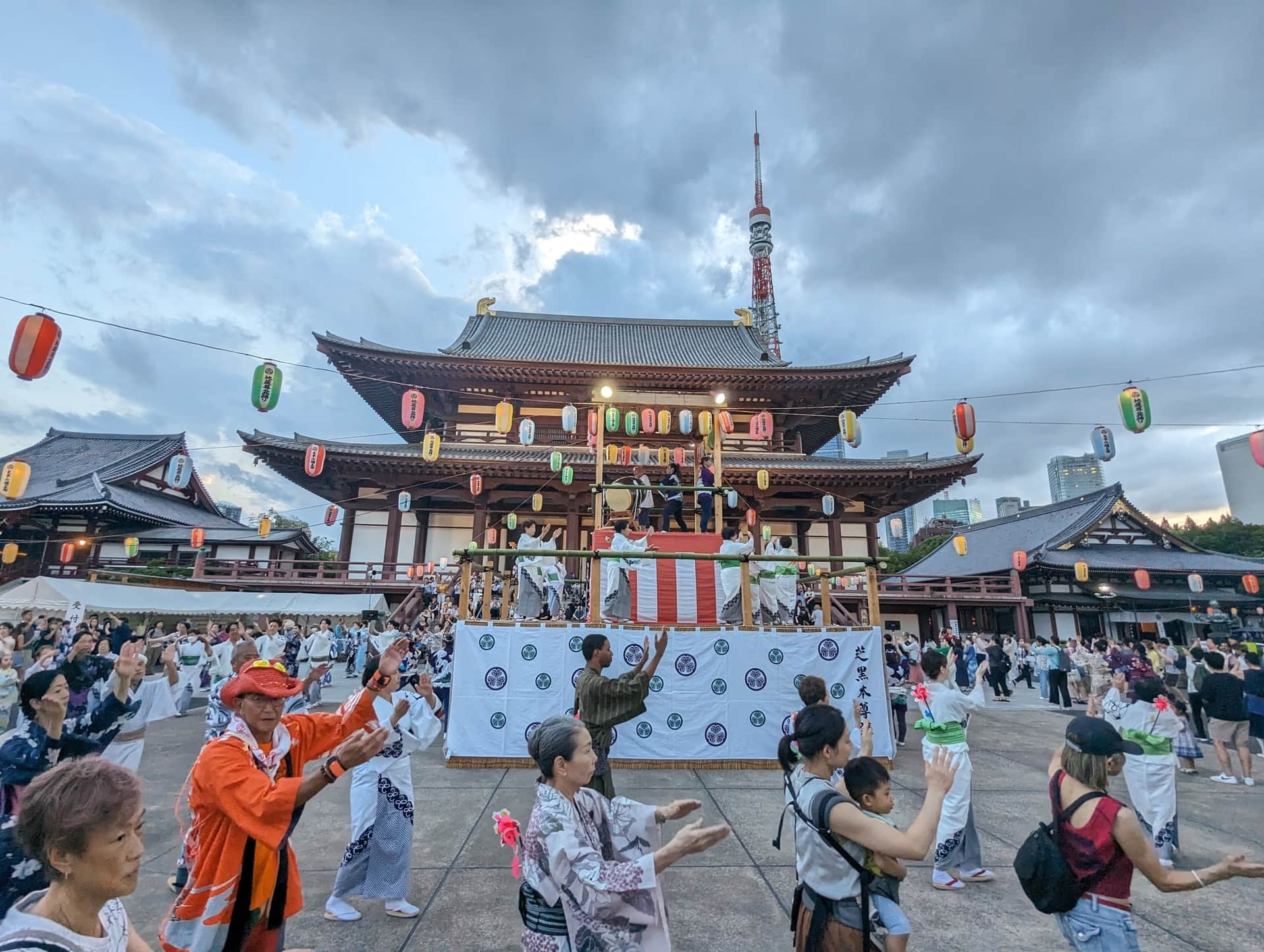
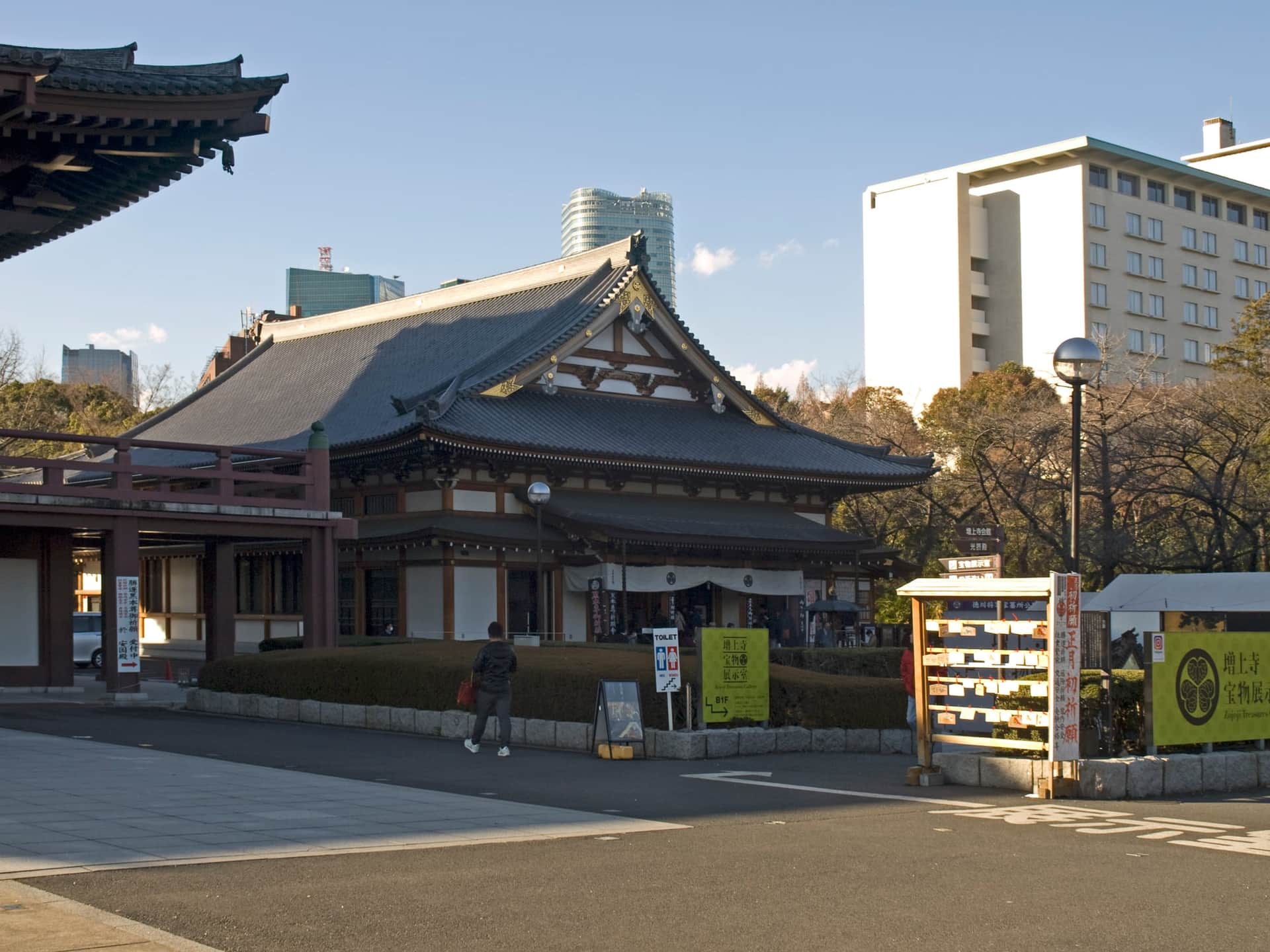
Despite being a temple, Hoshu-in's strikingly modern architecture resembles a contemporary gallery or civic building rather than a traditional Buddhist temple, often confusing first-time visitors.
This temple offers 1 different goshuin designs
Same as opening hours
Regular
¥500
Confirm which Hoshu-in you mean before visiting; the provided source indicates there are multiple temples with this title across Japan.
If you collect goshuin temple stamps, this is one of the rare temples that will write stamps in mini goshuin books, and they offer monthly changing designs along with seasonal limited editions.
Walk around the temple grounds to find the Benten Pond and explore the various statues including the impressive Enma (King of Hell) statue, the three-way standoff sculpture of snake, frog, and slug, and the Enma's Ear feature.
Don't be confused by the modern, contemporary building that looks more like a gallery or ceremony hall than a traditional temple.
Combine your visit with the Minato Seven Lucky Gods pilgrimage, as Hoshu-in enshrines Benzaiten (the goddess of fortune). You can collect a special stamp here as part of this popular temple circuit in the area.
This temple miraculously survived the Tokyo air raids nearly unscathed while surrounding areas burned, and it houses a lucky charm Buddha associated with Tokugawa Ieyasu.
The temple is located at the base of Tokyo Tower, just a 10-15 minute walk from Daimon Station. You can easily visit both landmarks in one trip and enjoy views of Tokyo Tower from the temple grounds, making it a unique combination of traditional and modern Tokyo.
Do not rely on the English source block for visitor planning: it explicitly says the text provided was not about Hoshu-in at all.
Skip the 'Japanese people in Germany' text when researching this temple; it is unrelated and contains no usable visitor details for Hoshu-in.
The divine spirits venerated at this sacred place

Not confirmed
Minato, Tokyo Prefecture
More ways to continue from this place.
6 recent posts
4.5
2 reviews
Hoshu-in sits right at the base of Tokyo Tower, about a 10 to 15 minute walk from Daimon Station, so it is easy to see both on one trip and you get tower views from the grounds.
The main hall is modern and looks more like a gallery than a temple, but this is a working temple that came through the Tokyo air raids almost untouched, and it keeps a lucky-charm Buddha tied to Tokugawa Ieyasu. Give yourself time to walk the grounds. You will find the Benten Pond and a set of statues, including a striking Enma (the King of Hell), the three-way standoff of snake, frog and slug, and the spot known as Enma's Ear.
It is also one of the few temples that will write a goshuin straight into a mini stamp book, with designs that change monthly and seasonal limited editions. Since it enshrines Benzaiten, you can pick up a stamp here on the Minato Seven Lucky Gods pilgrimage too.
 WP
WPWilliam Perez left a review
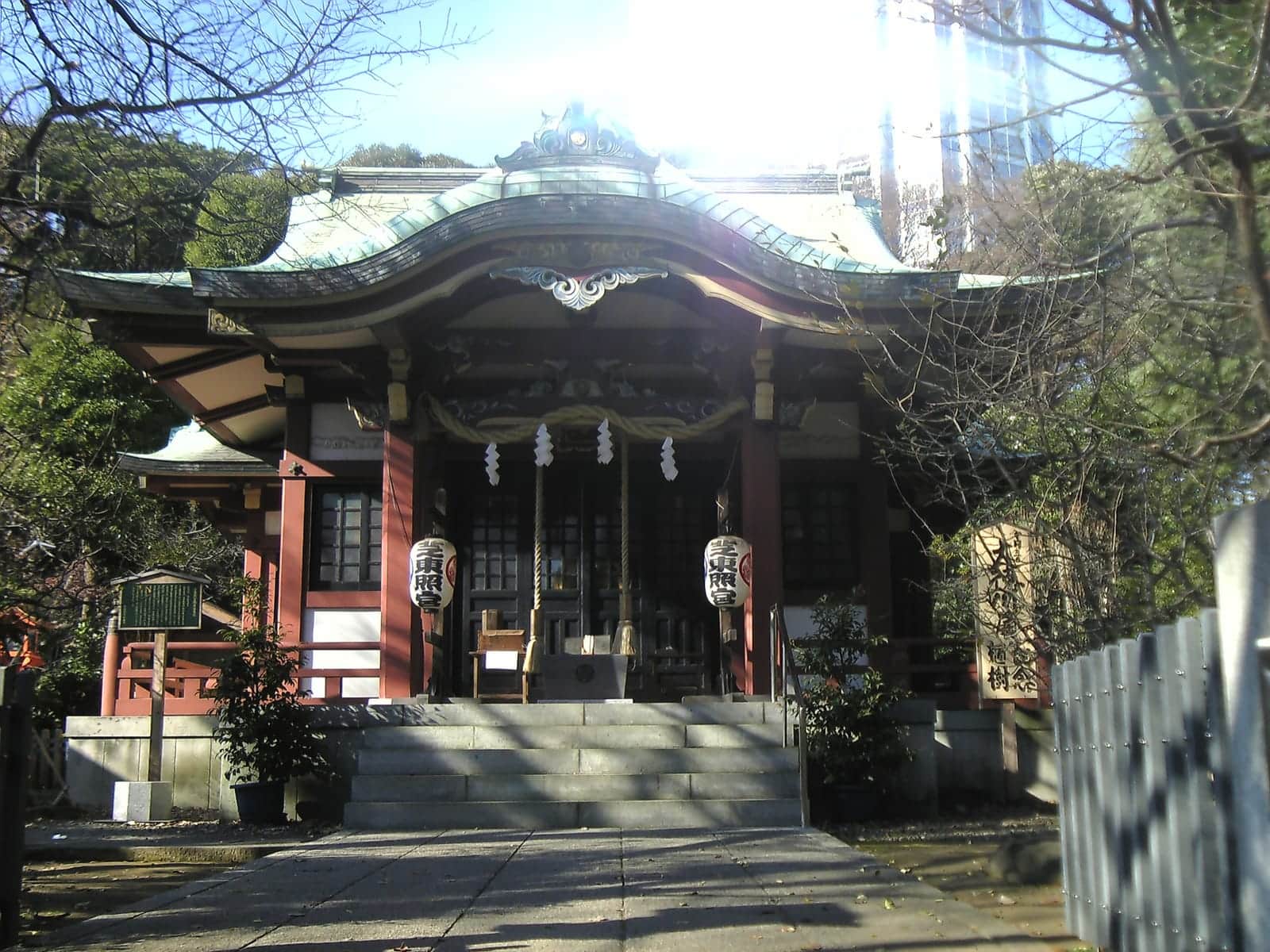
Small, and it has a strange architecture. Bhudda temple with enshrined Shinto Kami. LOTS of cool Goshuin to choose from. Next to a lovely pond and a nice park.
 HT
HTHannah Taylor checked inLocation matched
Hoshu-in
Minato, Tokyo
What this place is believed to grant
Within 300 m Within 600 m
Timetable data: Public Transportation Open Data Center

C2-22.飯倉公園
docomo bike share
C2-24.Dash Living HigashiAzabu
docomo bike share

アルティザ東麻布
HELLO CYCLING
Renting needs the operator's app and a Japanese phone number. docomo day passes are sold at convenience stores. Data sources