Bodhisattva of the Earth and Guardian of Souls
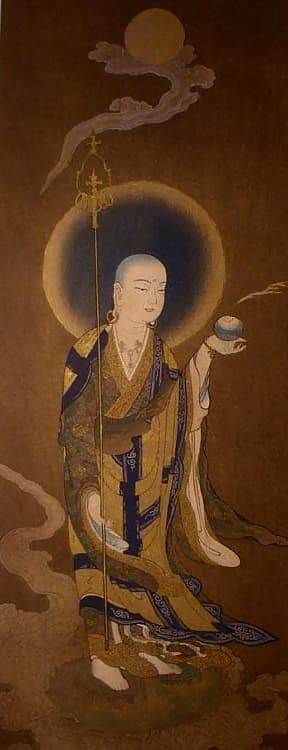
Jizō, known in Sanskrit as Kṣitigarbha, is a bodhisattva widely venerated throughout East Asian Buddhism. His name carries the meaning of "Earth Treasury" or "Earth Womb," reflecting his deep connection to the sustaining power of the ground beneath all living beings. He is most commonly depicted as a shaved-headed Buddhist monk, often carrying a ringed staff used to pry open the gates of hell and a wish-fulfilling jewel that illuminates the darkness.
Jizō made two renowned vows: to guide and instruct all beings across the six realms of existence during the long era between the passing of Shakyamuni Buddha and the future coming of Maitreya, and to delay his own attainment of Buddhahood until every last soul has been freed from hell. This makes him especially associated with compassion toward the suffering, and he is widely regarded as the guardian of those in hellish realms. In Japan, he is also deeply beloved as the protector of children, deceased infants, and the souls of unborn children.
In Japanese folk religion, Jizō occupies a uniquely intimate place in everyday life, often addressed affectionately as "O-Jizō-san." Stone statues of him are found at roadsides and crossroads throughout Japan, reflecting his role as a protective guide reminiscent of the traditional road deity. His gentle, approachable image and boundless compassion have made him one of the most cherished figures in Japanese Buddhist culture.
14 places