Climb the stairs to Hansobo shrine at the far end of the temple grounds for spectacular views over Kamakura and access to the Tenen Hiking Course, offering a rewarding extension to your temple visit beyond the main worship halls.
At a Glance
At its peak in the late Kamakura period, nearly 1,000 monks lived here and the temple consumed 450-600 tons of rice annually, requiring such wealth that it sent trade ships to China to fund reconstruction.
Kencho-ji is the birthplace of kenchin-jiru, the popular vegetable and tofu soup that bears the temple's name and has become a staple of Japanese home cooking.
This temple offers 3 different goshuin designs
Same as opening hours
Regular
¥300
Regular
¥500
Regular
¥500
Facilities
Climb the stairs to Hansobo shrine at the far end of the temple grounds for spectacular views over Kamakura and access to the Tenen Hiking Course, offering a rewarding extension to your temple visit beyond the main worship halls.
Walking from Kita-Kamakura Station past Engaku-ji and Meigetsu-in, be careful on the narrow path by the busy road to Kenchoji. It’s only wide for single-file walking and needs extra attention to traffic.
Take time to view the powerful ascetic Shakyamuni statue in the main hall, which depicts Buddha during his period of extreme fasting and serves as a striking reminder of spiritual discipline that differs from typical serene Buddha images.
The temple has a large parking lot directly in front of the main gate charging 600 yen for the first hour and 300 yen per 30 minutes thereafter, which is quite reasonable for a major Kamakura tourist site and more convenient than street parking.
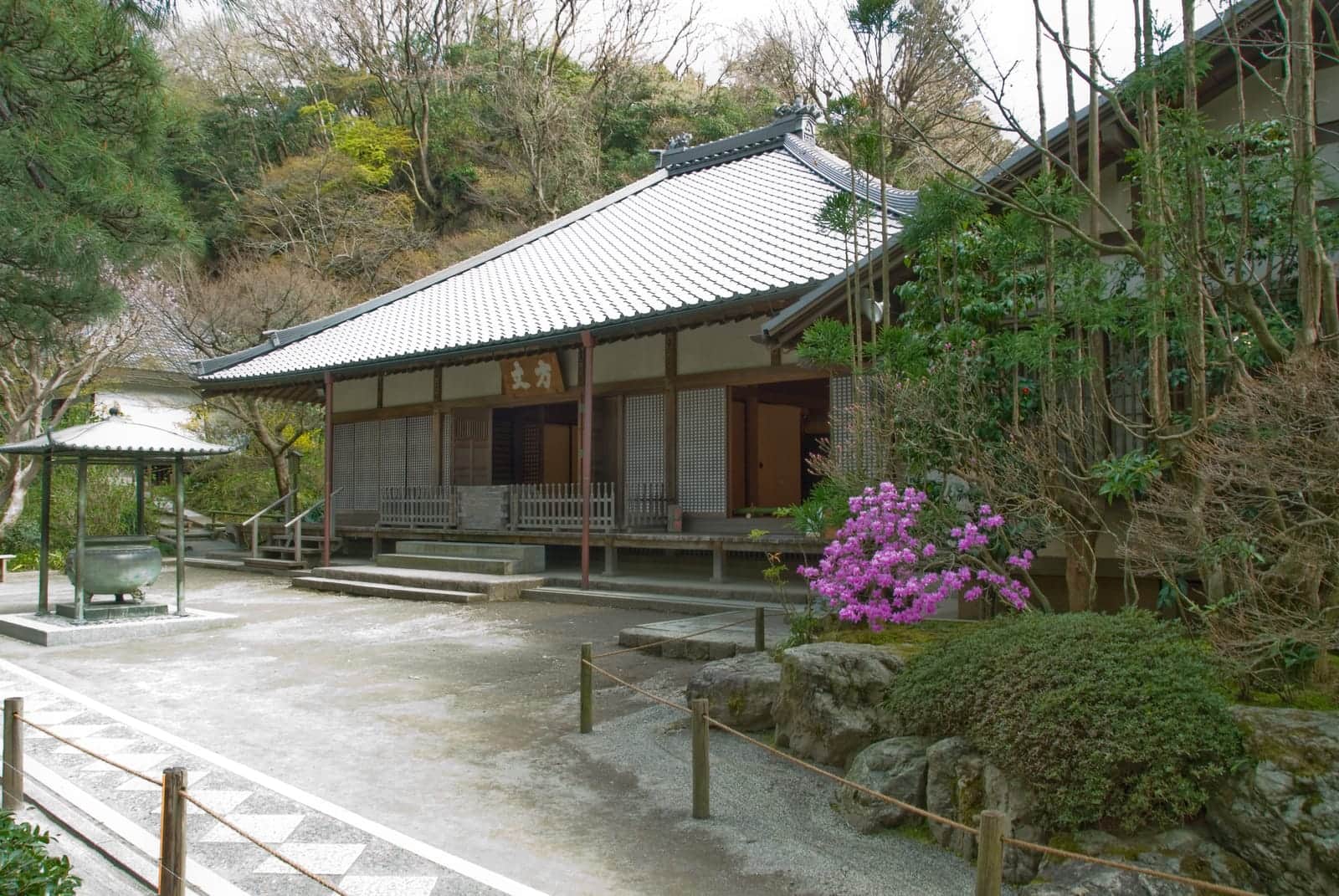
The main Buddha Hall (Butsuden) is under renovation with scaffolding until August 2027. You can still visit the Dharma Hall with its cloud-dragon ceiling painting, the ornate Karamon gate, and the garden behind the main hall.
When you arrive, drop off your goshuin book at the reception desk and get a numbered ticket. Pick it up after your visit to avoid waiting twice, there are multiple stamp options for 500 yen each.
The divine spirits venerated at this sacred place
6 structures on the grounds



Not confirmed
Kamakura, Kanagawa Prefecture
More ways to continue from this place.
What this place is believed to grant
10 recent posts
5.0
1 review
Plan to walk from Kita-Kamakura Station, passing Engaku-ji and Meigetsu-in on the way. The path alongside the road narrows to single file in stretches, so watch traffic carefully. If you're driving, a large parking lot sits right at the main gate (600 yen for the first hour, 300 yen per 30 minutes after).
The Butsuden is under scaffolding until August 2027, but the Dharma Hall, with its ceiling dragon painting, the Karamon gate, and the rear garden are all accessible.
Joshua M. EvansPro checked in
Kencho-ji
Kamakura, Kanagawa
Khayman Tatum left a review
Within 300 m Within 600 m
Timetable data: Public Transportation Open Data Center
Renting needs the operator's app and a Japanese phone number. docomo day passes are sold at convenience stores. Data sources