Admission
- Adult (18+)¥700
- Elementary/Junior High (6-14)¥300
At a Glance
Over 70 buildings are connected by covered walkways designed to protect monks from the region's heavy snowfall between December and March, allowing continuous practice year-round.
Even sightseers are treated as religious trainees, visitors must walk on the left side of corridors at all times, and photographing the monks is strictly prohibited to maintain the monastery's sacred atmosphere.
This temple offers 1 different goshuin designs
Same as opening hours
Regular
Facilities
Take the direct hourly bus from Fukui Station which reaches Eiheiji in 30 minutes for 750 yen, rather than the two-step train and bus combination that costs more and takes longer.
If you want a Zen practice experience, arrange in advance; participation is limited to visitors with prior Zen experience.
Wear neat, modest clothing suitable for a place of religious practice, as all visitors are received and expected to behave as participants in religious activities, not just tourists.
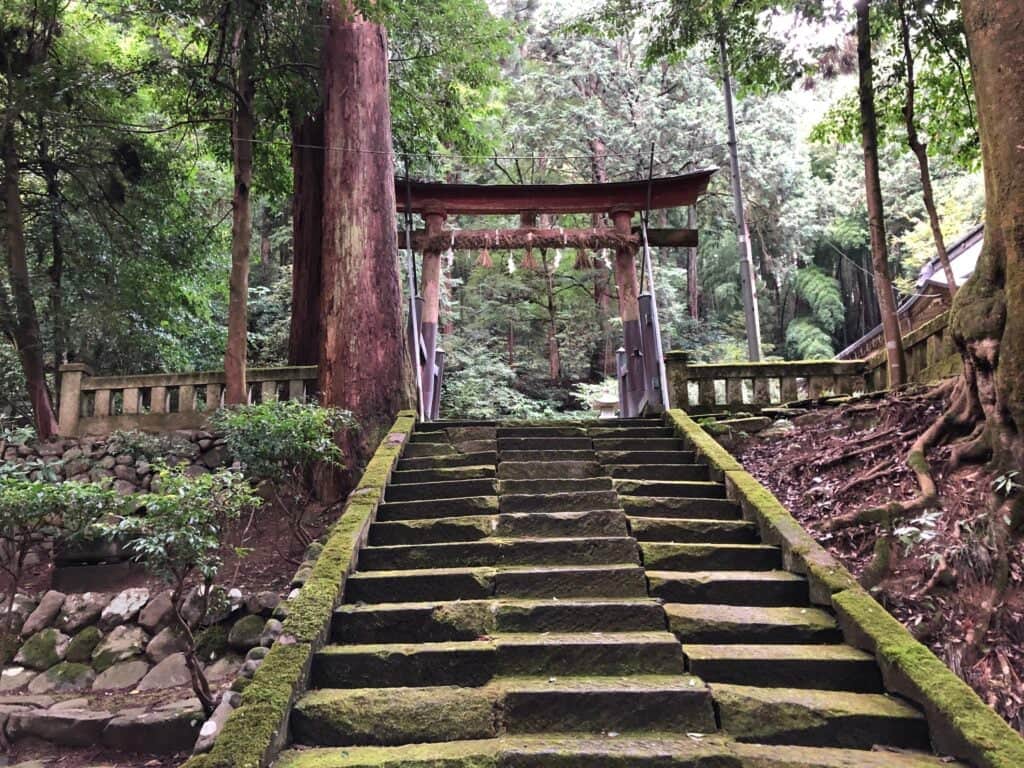
Wear shoes suitable for walking slopes and long corridors; the temple spreads across a cedar-covered mountainside linked by covered walkways.
Photography of the priests and monks is strictly prohibited, and you should not touch any bells, drums, instruments, or altar furnishings throughout the temple complex. Stay on the wooden corridors and do not step into the gardens during your visit.
When walking through the temple's covered walkways that connect over 70 buildings, always keep to the left whether indoors or outdoors. Maintain silence at all times, especially in the zazen meditation hall, lecture hall, and ceremony areas.
Plan for heavy snow from December to March when visiting this mountain temple, as the region receives significant snowfall, though covered walkways protect visitors between buildings.
Upon entering through the modern reception hall Kichijokaku, you will receive a short orientation about the temple in Japanese before exploring on your own, but excellent foreign language pamphlets are available that describe the various buildings and their significance. The temple is open from 8:30 to 16:30, giving you ample time to explore the historic buildings including the 1749 Sanmon Gate and the Founder's Hall containing Dogen's ashes.
The divine spirits venerated at this sacred place
Eiheiji, Fukui Prefecture
What this place is believed to grant
2 recent posts
5.0
1 review
Take the direct bus from Fukui Station, which runs hourly and reaches Eiheiji in about 30 minutes for 750 yen. It's simpler and cheaper than the train-and-bus alternative. The temple is open 8:30 to 16:30. Winter visits from December through March mean heavy snow, though the covered walkways between buildings keep you sheltered.
You enter through the modern reception hall Kichijokaku, where a brief Japanese-language orientation is given. Pick up a foreign-language pamphlet there; it explains the 70-plus buildings spread across a cedar-covered mountainside, including the 1749 Sanmon Gate and the Founder's Hall.
More ways to continue from this place.
 OSPro member
OSKSupporter shared a goshuin
OSPro memberOSKSupporter left a review