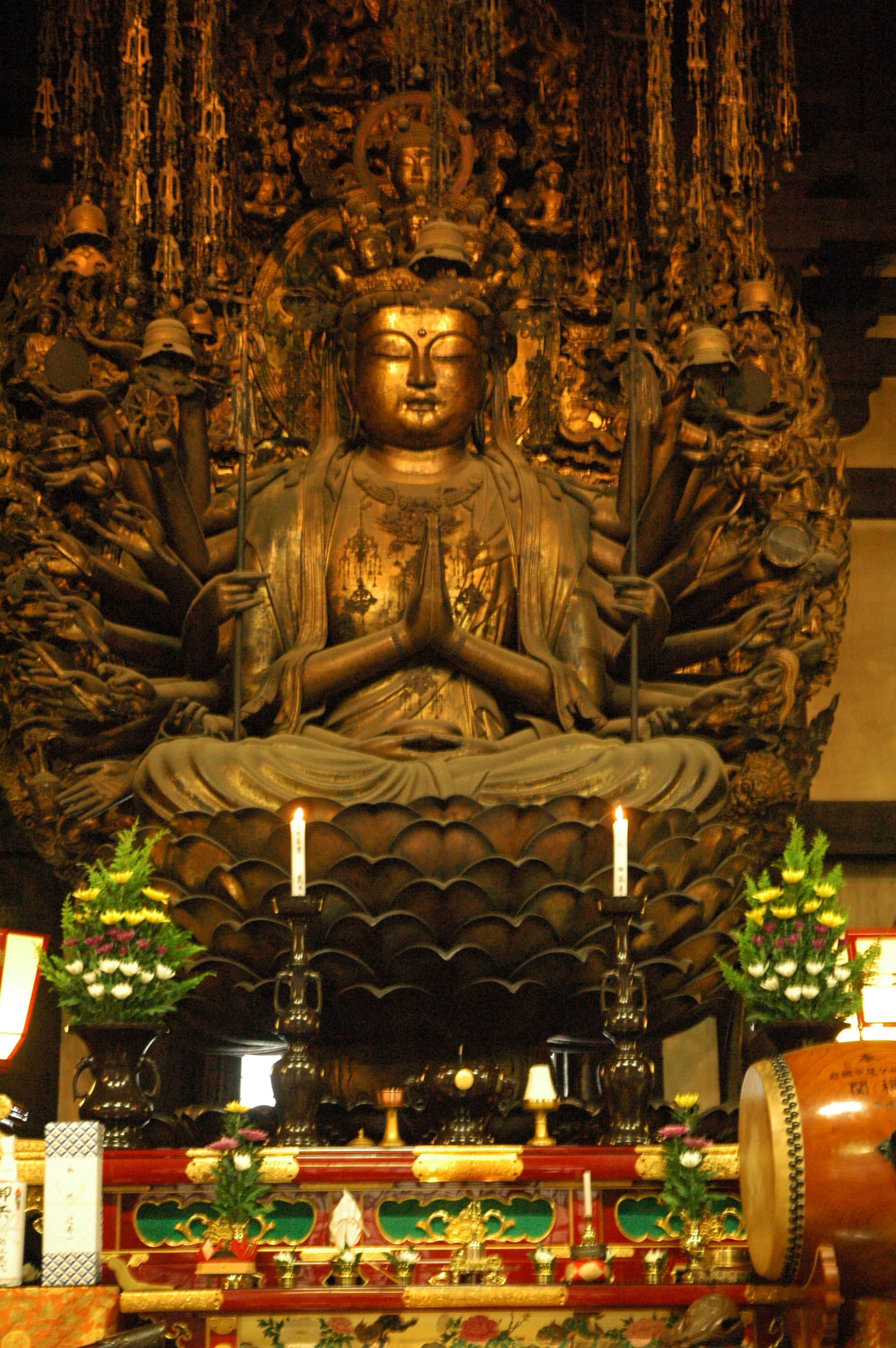
Get your goshuin (temple stamp) between 10am and 3pm if you want it handwritten by a monk; outside those hours only pre-printed versions are available. Plan your visit timing accordingly if collecting handwritten stamps is important to you.
At a Glance
During Japan's Meiji era persecution of Buddhism, this temple survived by claiming its main deity was Buddhist (Dakini-Shinten) rather than Shinto, a clever religious strategy that allowed it to thrive.
At the Yuzu Inari shrine here, visitors receive a 10-yen coin believed to bring financial luck; the tradition is to return a year later with added interest as gratitude if the wish comes true.
This temple offers 1 different goshuin designs
Same as opening hours
Regular
Facilities
Get your goshuin (temple stamp) between 10am and 3pm if you want it handwritten by a monk; outside those hours only pre-printed versions are available. Plan your visit timing accordingly if collecting handwritten stamps is important to you.
Expect the temple to be busier on weekends and during lunch hours, but it opens at 6am on all days including holidays. Arriving before 8am gives you a quieter experience with the fox statues and votive offerings without the crowds of singers and TV personalities who visit for entertainment industry blessings.
Visit the Yuzu Inari Sonten shrine and pick up a 10-yen coin said to bring financial luck when kept in your wallet. If your wish comes true, return the following year with the coin plus added interest as a token of gratitude, which is a meaningful local tradition.
Bring cash if you want to make offerings or purchase items like the lucky 10-yen coins and votive flags, as some smaller shrines and vendors on the grounds may not accept cards.
The divine spirits venerated at this sacred place

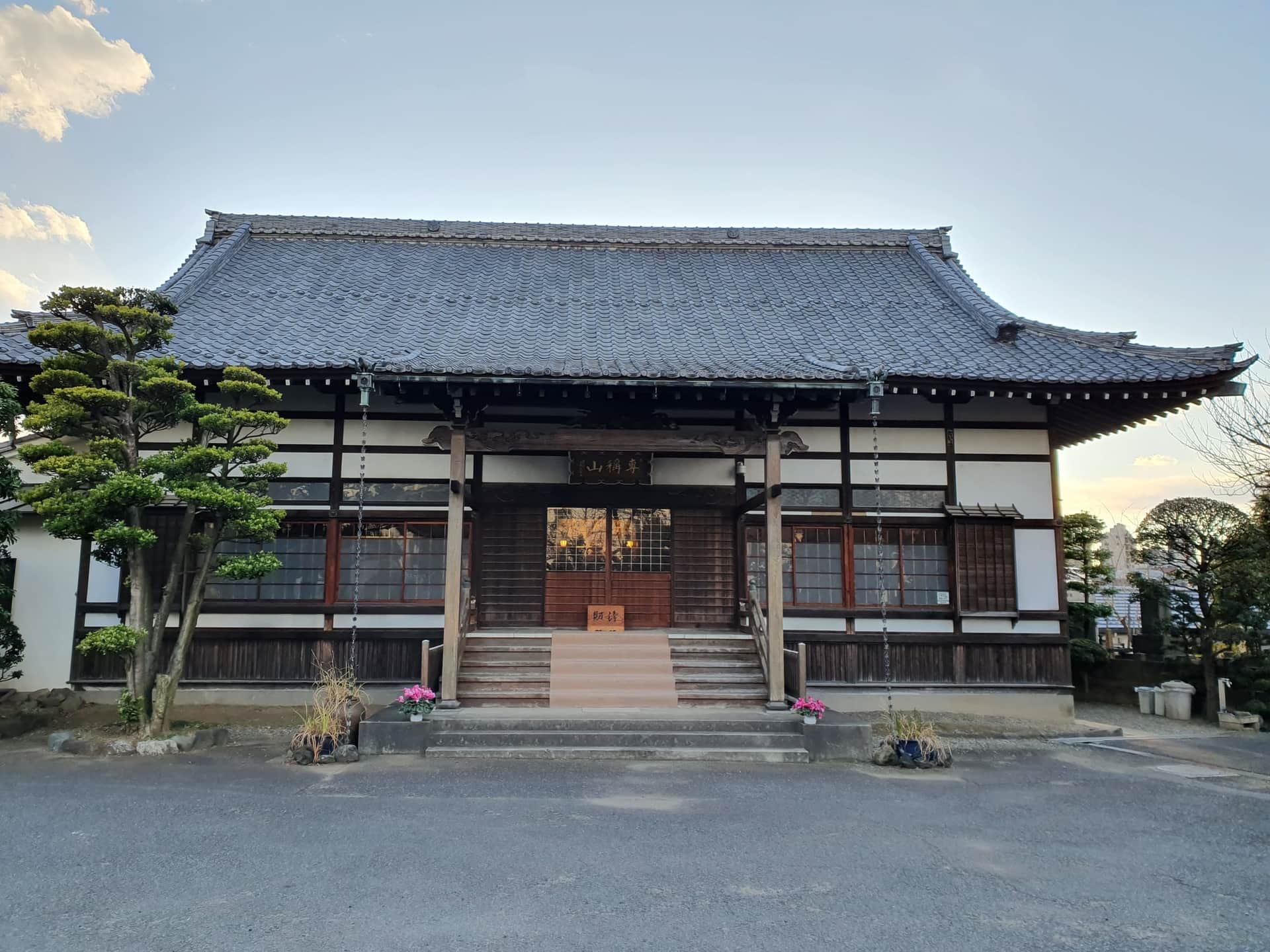

Not confirmed
Roppongi, Tokyo Prefecture
More ways to continue from this place.
What this place is believed to grant
0 recent posts
Share how your visit was to help other travelers.
No public community posts yet.
Within 300 m Within 600 m
Timetable data: Public Transportation Open Data Center
C3-12.赤坂センタービルディング前(青山通り)
docomo bike share
C3-02.赤坂地区総合支所
docomo bike share
C3-16.赤坂ガーデンシティ
docomo bike share
Renting needs the operator's app and a Japanese phone number. docomo day passes are sold at convenience stores. Data sources