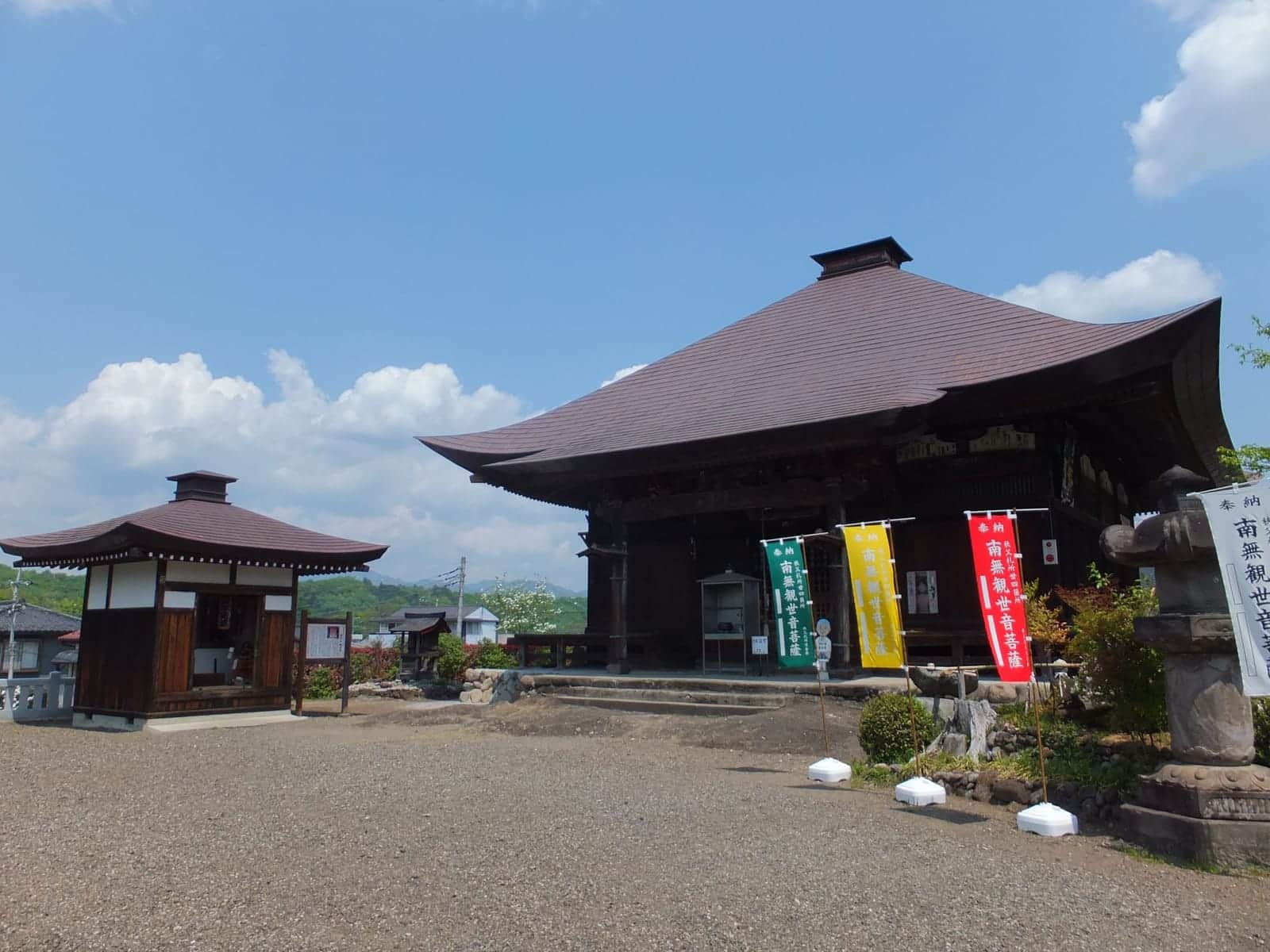
Bodhisattva of Compassion and Thousand Arms
Jūichimen Senjū Kannon is a composite manifestation of Avalokiteśvara — the bodhisattva of great compassion — combining two distinct iconographic forms: the Eleven-faced (Jūichimen) and the Thousand-armed (Senjū). As a bodhisattva, this deity embodies the boundless capacity to perceive and respond to the suffering of all beings, with each face surveying a different realm of existence and each arm extending aid in a unique way.
This form is one of the Six Kannon venerated in Japanese esoteric Buddhism and holds a prominent place in Mahayana devotional practice. Temples throughout Japan enshrine this deity, and worship is associated with healing, protection, and the salvation of sentient beings from cycles of suffering. The deity's twenty-eight attendant deities further amplify the scope of its compassionate power.
In iconography, Jūichimen Senjū Kannon is often depicted holding a fully bloomed lotus flower as a symbolic attribute, alongside a wish-fulfilling jewel. The Sanskrit name for this form, Sahasrabhuja, means "one who possesses a thousand hands," a title that also appears in Hinduism for deities such as Vishnu and Shiva, reflecting the deep cross-cultural roots of this figure's origins in India.
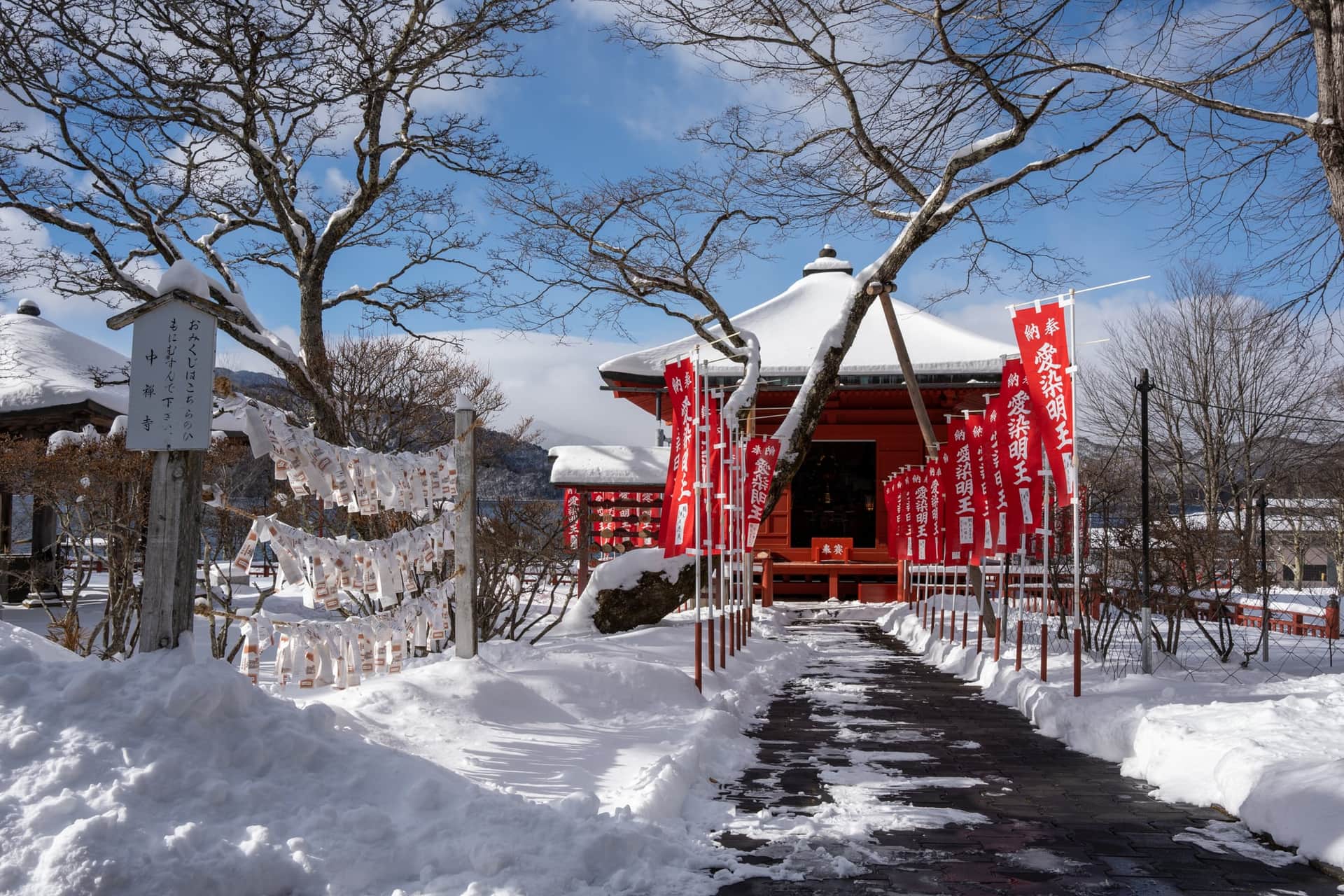
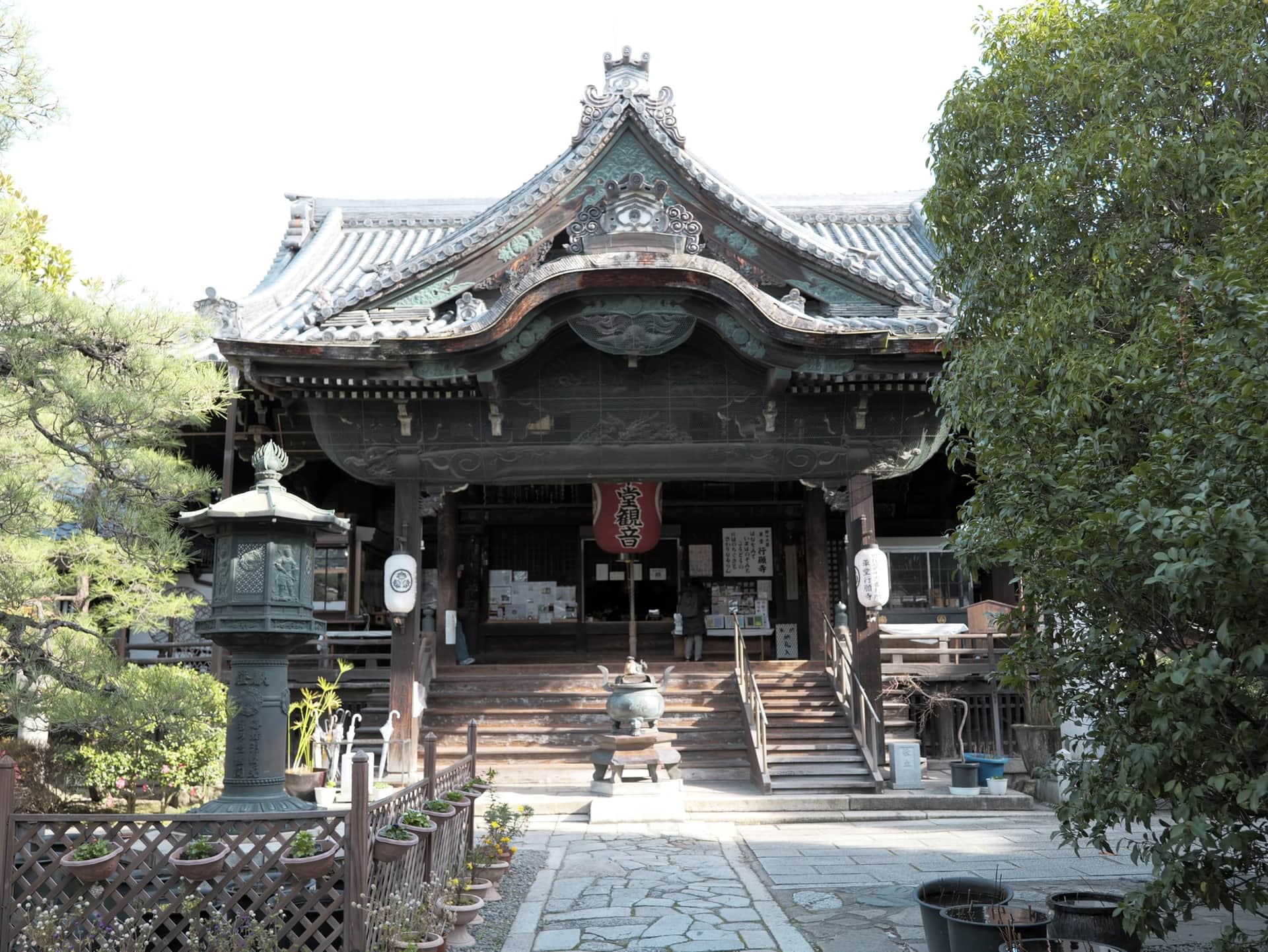
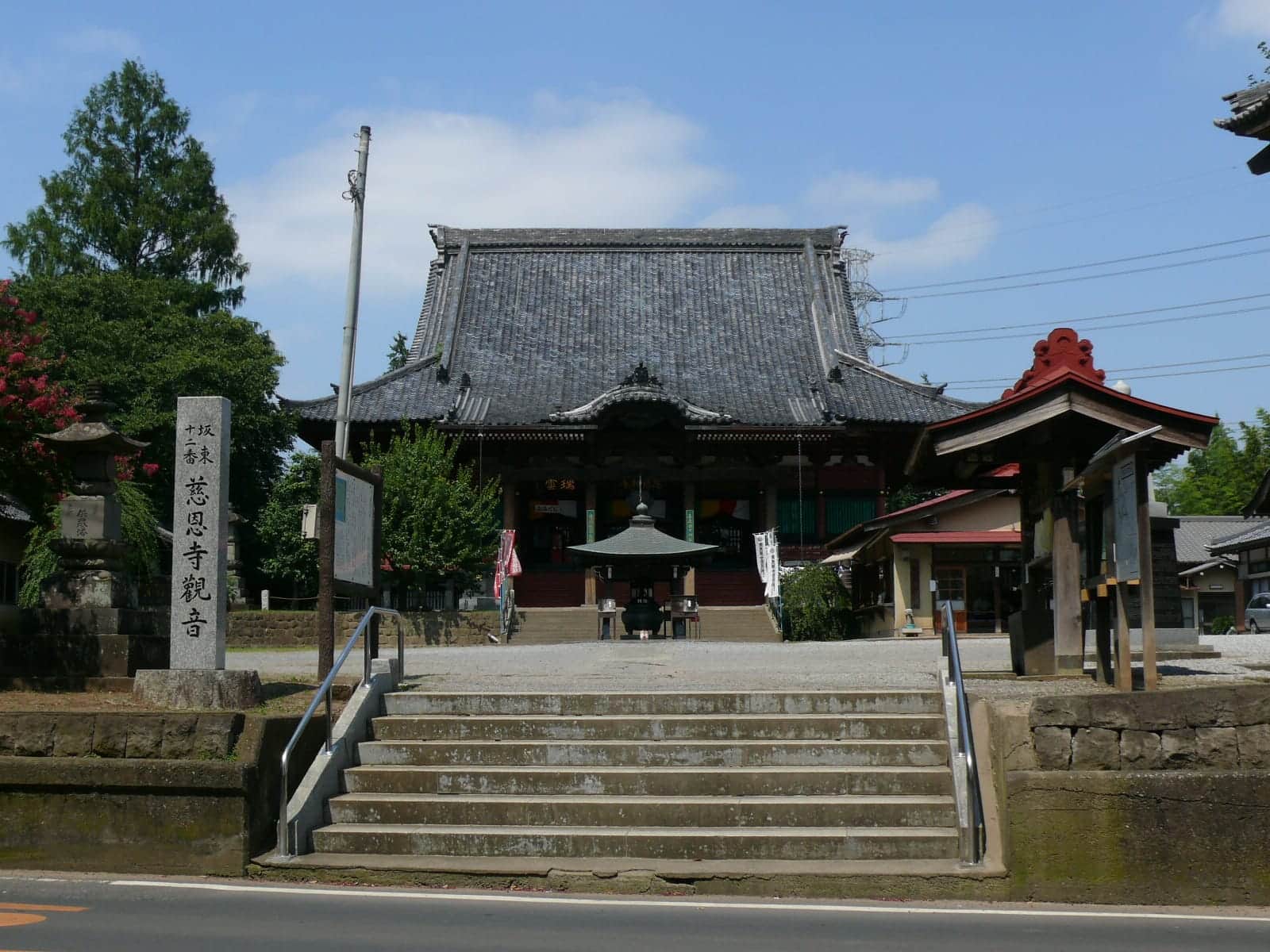
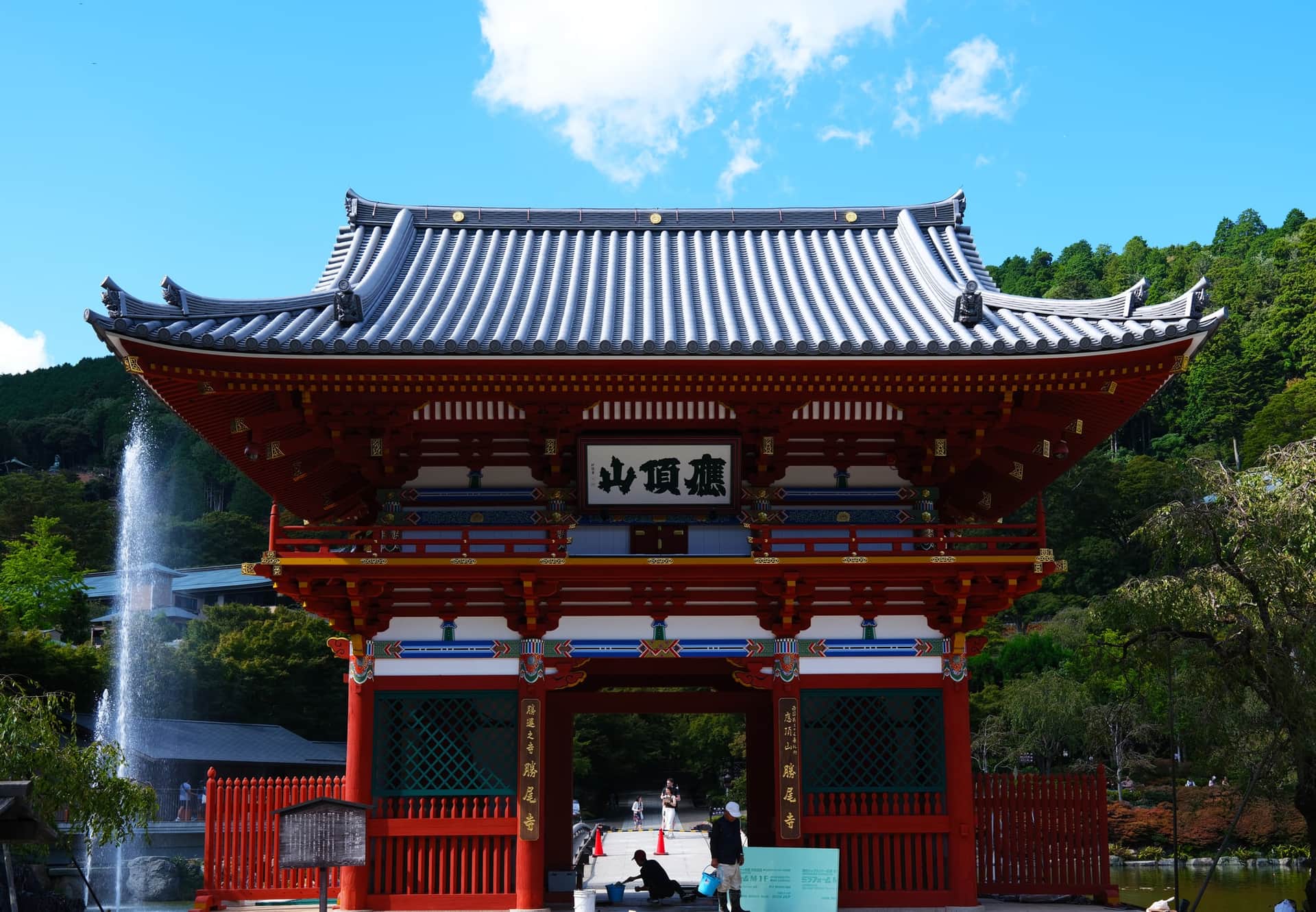
20 places