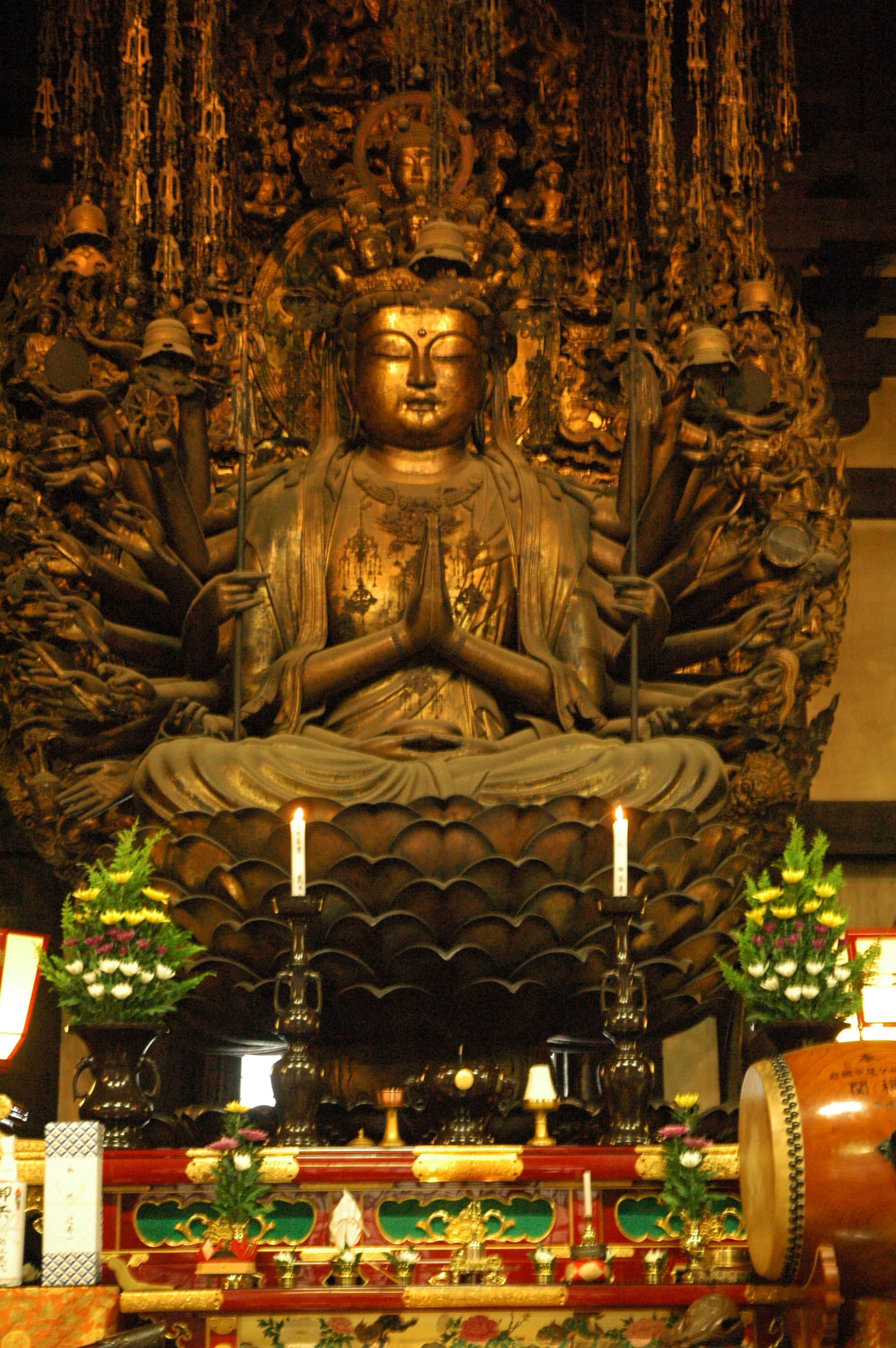
Take a taxi from JR Saga-Arashiyama Station (about 5 minutes) or catch bus 62, 72, 92, or 94 to Otagi Dera Mae stop, as the temple's remote hillside location makes it challenging to reach on foot from central Arashiyama.
At a Glance
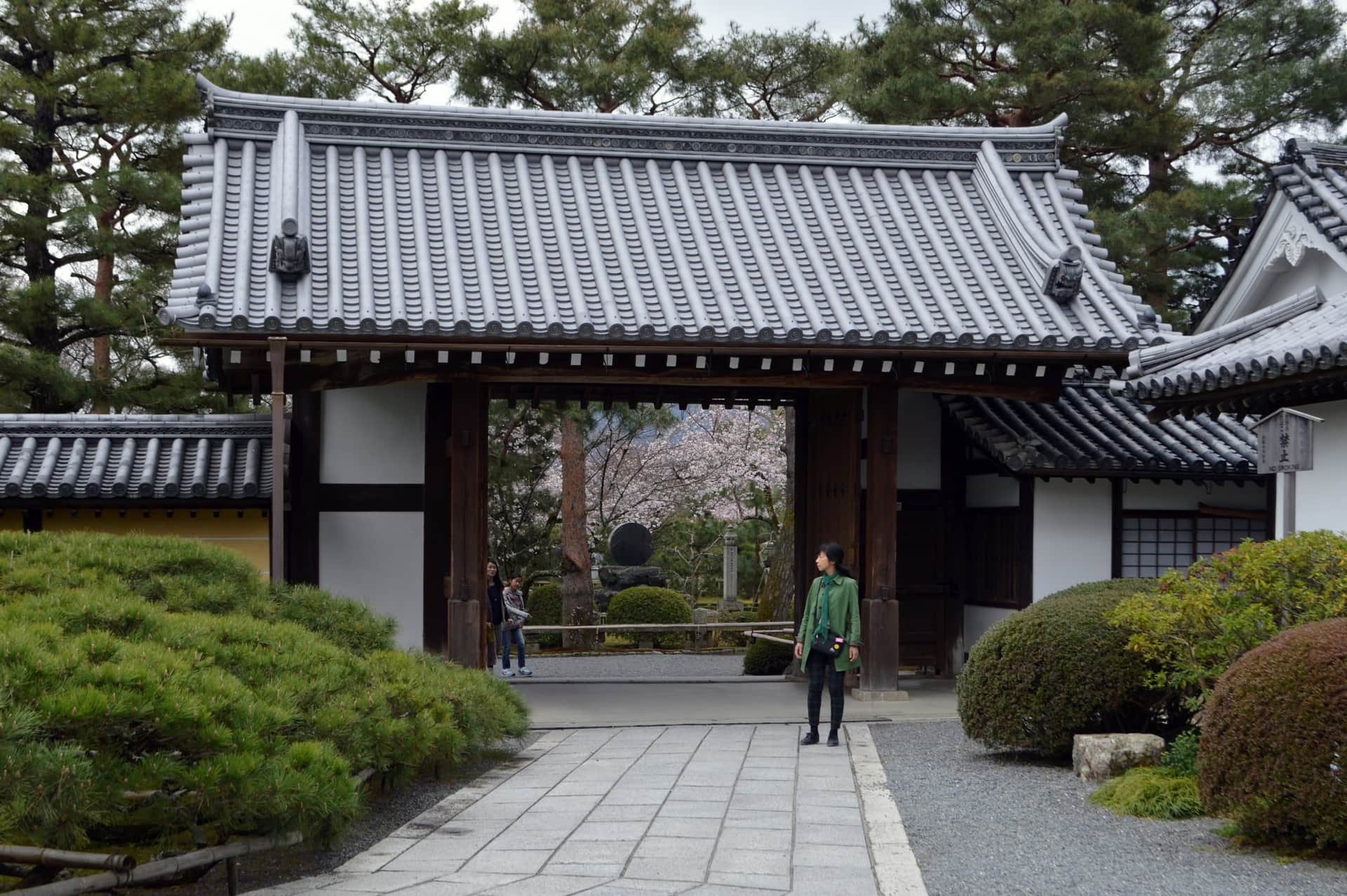
Otagi Nenbutsu-ji belongs to the Tendai school of Buddhism and sits in Kyoto's Arashiyama hills.
This temple has been destroyed and rebuilt multiple times, first washed away by the Kamo River flood in the 8th century, then destroyed in civil war, and finally damaged by a typhoon in 1950.
This temple offers 1 different goshuin designs
Same as opening hours
Regular
Take a taxi from JR Saga-Arashiyama Station (about 5 minutes) or catch bus 62, 72, 92, or 94 to Otagi Dera Mae stop, as the temple's remote hillside location makes it challenging to reach on foot from central Arashiyama.
Visit during weekday mornings or early afternoons to experience the temple in peaceful solitude, as this off-the-beaten-path location is rarely visited by tourists and you may have the entire grounds to yourself.
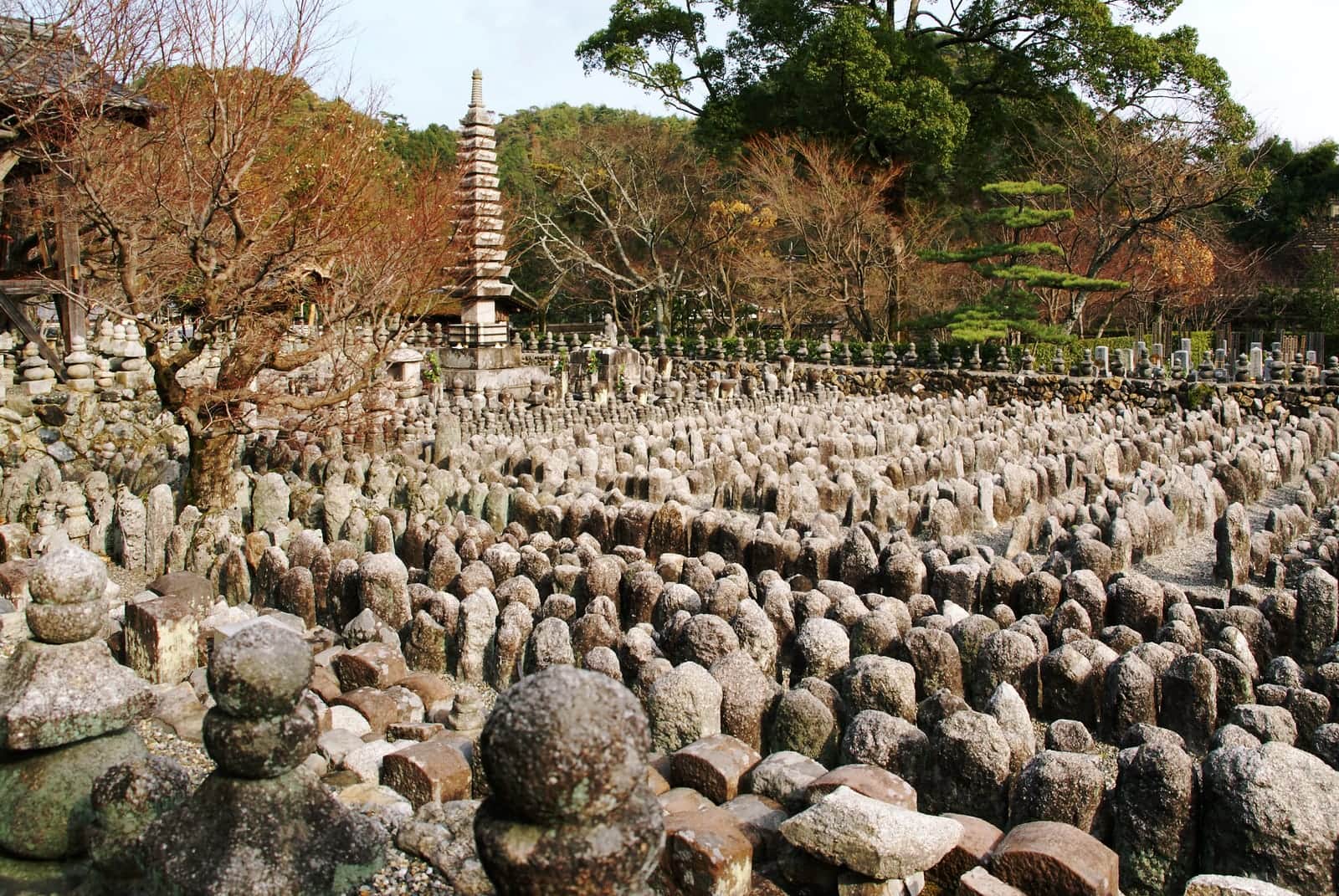
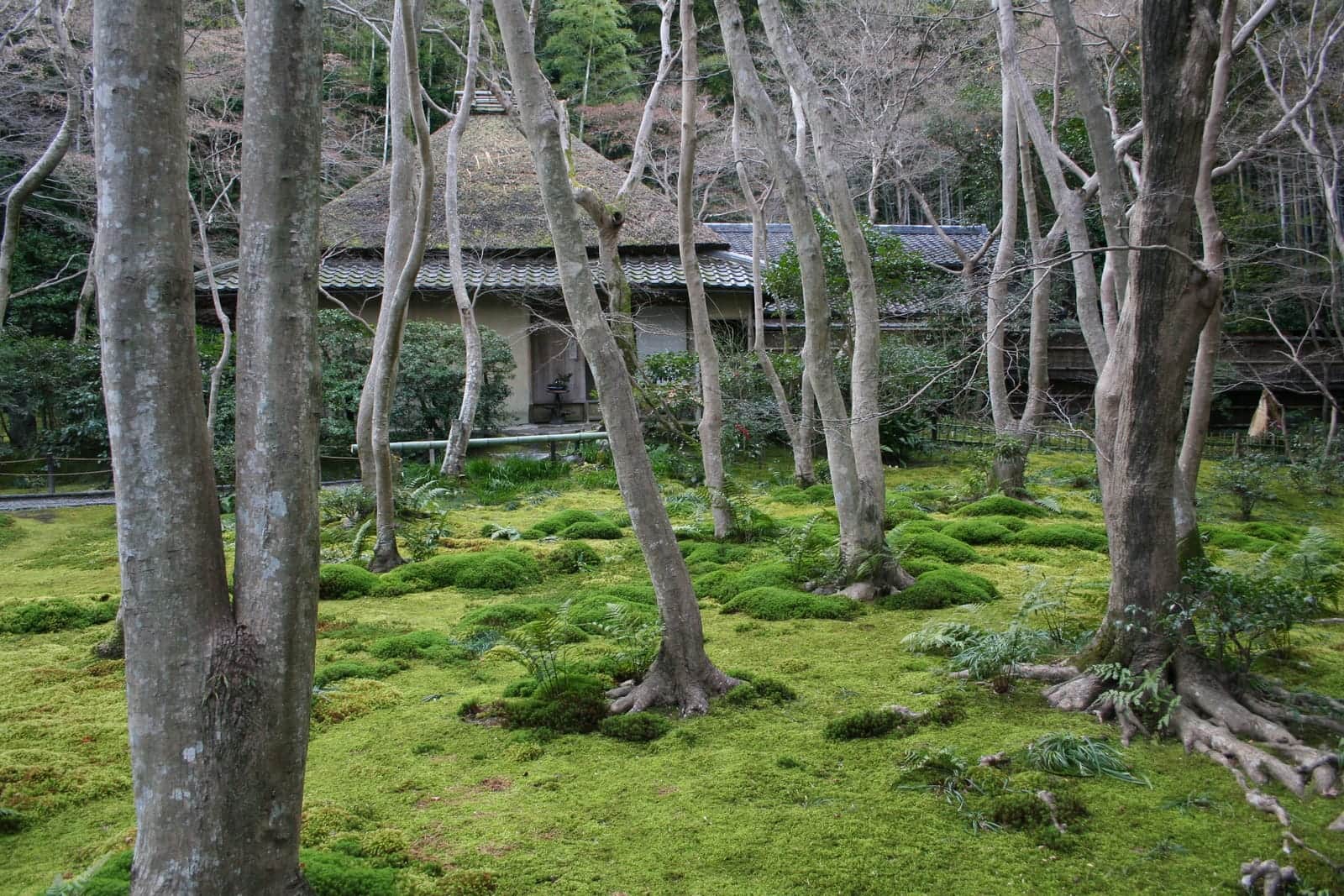
Expect uneven, mossy hillside paths around the 1,200 stone statues; wear sturdy walking shoes for better footing.
Plan to spend time finding your favorite among the 1,200 unique rakan statues, including whimsical figures holding tennis rackets, Sony Walkmans, sharing sake, or sticking out their tongues, as each was carved by a different amateur visitor between 1981 and 1991. A popular game among visitors is finding the statue that most resembles themselves.
Explore beyond the main temple buildings to discover the moss-covered statues scattered across the hillside, as the green patina makes these 1980s-era sculptures appear much older and adds to their charm.
Bring a camera to capture the whimsical and humorous expressions of the rakan statues, as this temple offers a refreshingly playful contrast to Kyoto's more solemn and serious Buddhist sites.
The divine spirits venerated at this sacred place
1 structures on the grounds

Ukyo, Kyoto Prefecture
More ways to continue from this place.
What this place is believed to grant
3 recent posts
5.0
1 review
To reach Otagi Nenbutsu-ji, take a taxi from JR Saga-Arashiyama Station (around 5 minutes) or bus 62, 72, 92, or 94 to the Otagi Dera Mae stop. The hillside location makes walking from central Arashiyama impractical. Weekday mornings are the best time to visit; the temple sees very few tourists and you may well have the grounds to yourself.
The 1,200 stone rakan statues are the main draw, each carved by a different amateur between 1981 and 1991. Look closely and you'll spot figures clutching tennis rackets, sharing sake, or sticking out their tongues. A running game among visitors is finding the one that looks most like them.
Tomas Llaneza checked in
Otagi Nenbutsu-ji
Ukyo, Kyoto
stefan van de Bilt checked in
Not too crowded. Simple and pretty. A quiet local gem. Felt very tranquil. Calm and uncrowded. Beautiful grounds. Well kept and clean
Otagi Nenbutsu-ji
Ukyo, Kyoto
Within 300 m Within 600 m Distance unavailable