Admission
- Adult (18+)Free
At a Glance
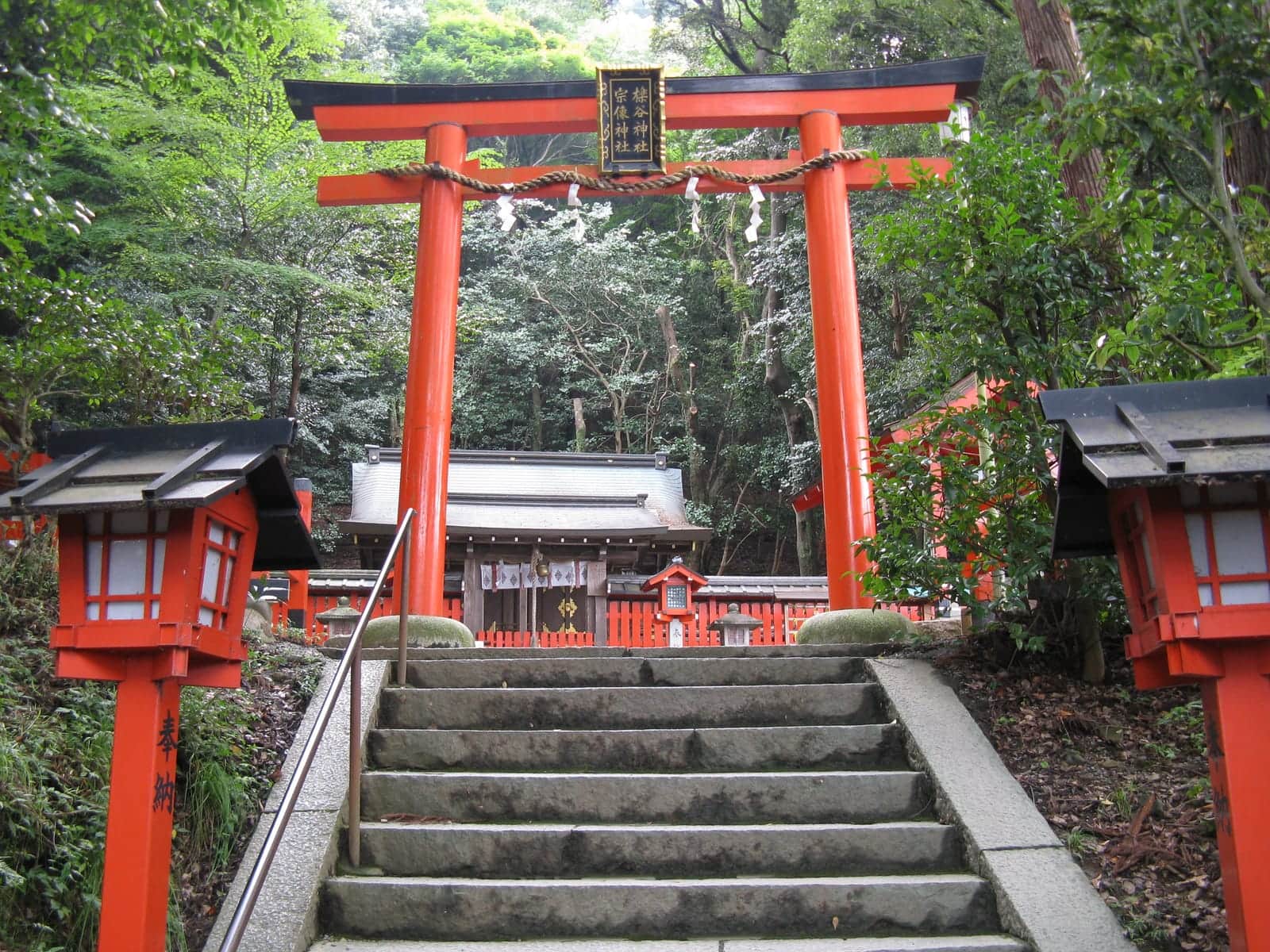
The shrine's black torii gate is made from unbarked timber, mimicking the oldest Shinto gates from ancient Japan rather than the iconic vermillion ones you'd expect.
A scene from the Tale of Genji, written in the 11th century, specifically describes this shrine's black torii gate and brushwood fences, making it one of Japan's oldest literary landmarks.
This shrine offers 1 different goshuin designs
Same as opening hours
Regular
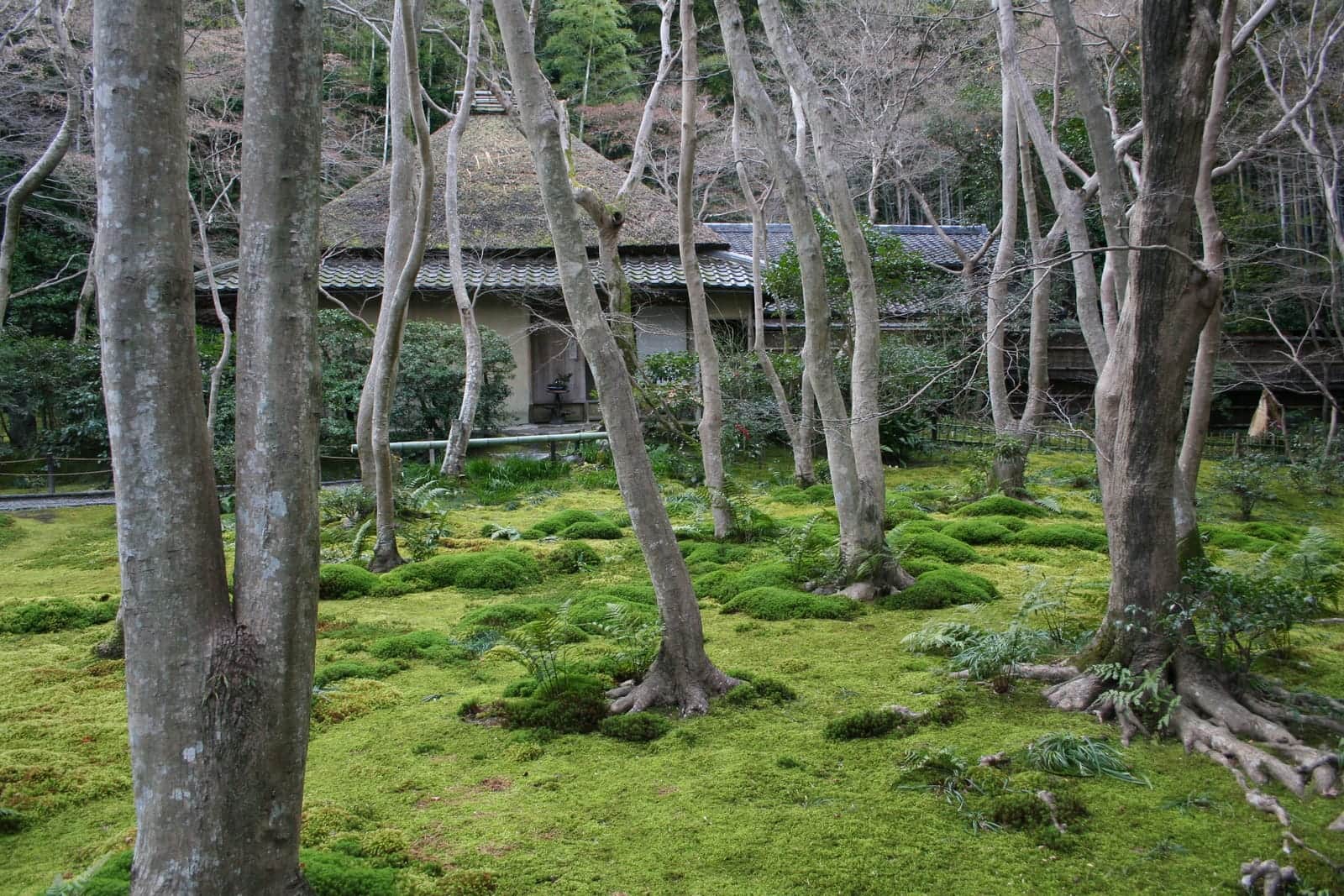
Visit on a weekday morning before 10 AM to experience the shrine's moss garden and sub-shrines without the crowds that build up during afternoon hours when tour groups arrive from nearby Tenryū-ji temple.
Plan to spend 20-30 minutes at the shrine itself, then continue on the Sagano walking path through the bamboo forest to Tenryū-ji or toward the foothills, as Nonomiya works best as part of a larger Arashiyama itinerary rather than a standalone destination.
If you're visiting for matchmaking or childbirth blessings, purchase an ema (wooden votive tablet) and hang it at the appropriate sub-shrine: Daikokuten for marriage or Shirafuku Inari for childbirth and easy labor, as these deities have specific roles in women's life transitions.
Photograph the distinctive black torii gate and brushwood fencing from multiple angles during your visit, as these unbarked timber elements are historically accurate to the Heian period and directly referenced in the Tale of Genji, making them the shrine's most photogenic features.
The divine spirits venerated at this sacred place
Seasonal celebrations and special occasions

More ways to continue from this place.
Within 300 m Within 600 m
Renting needs the operator's app and a Japanese phone number. docomo day passes are sold at convenience stores. Data sources
What this place is believed to grant
Ukyo, Kyoto Prefecture
5 recent posts
3.5
2 reviews
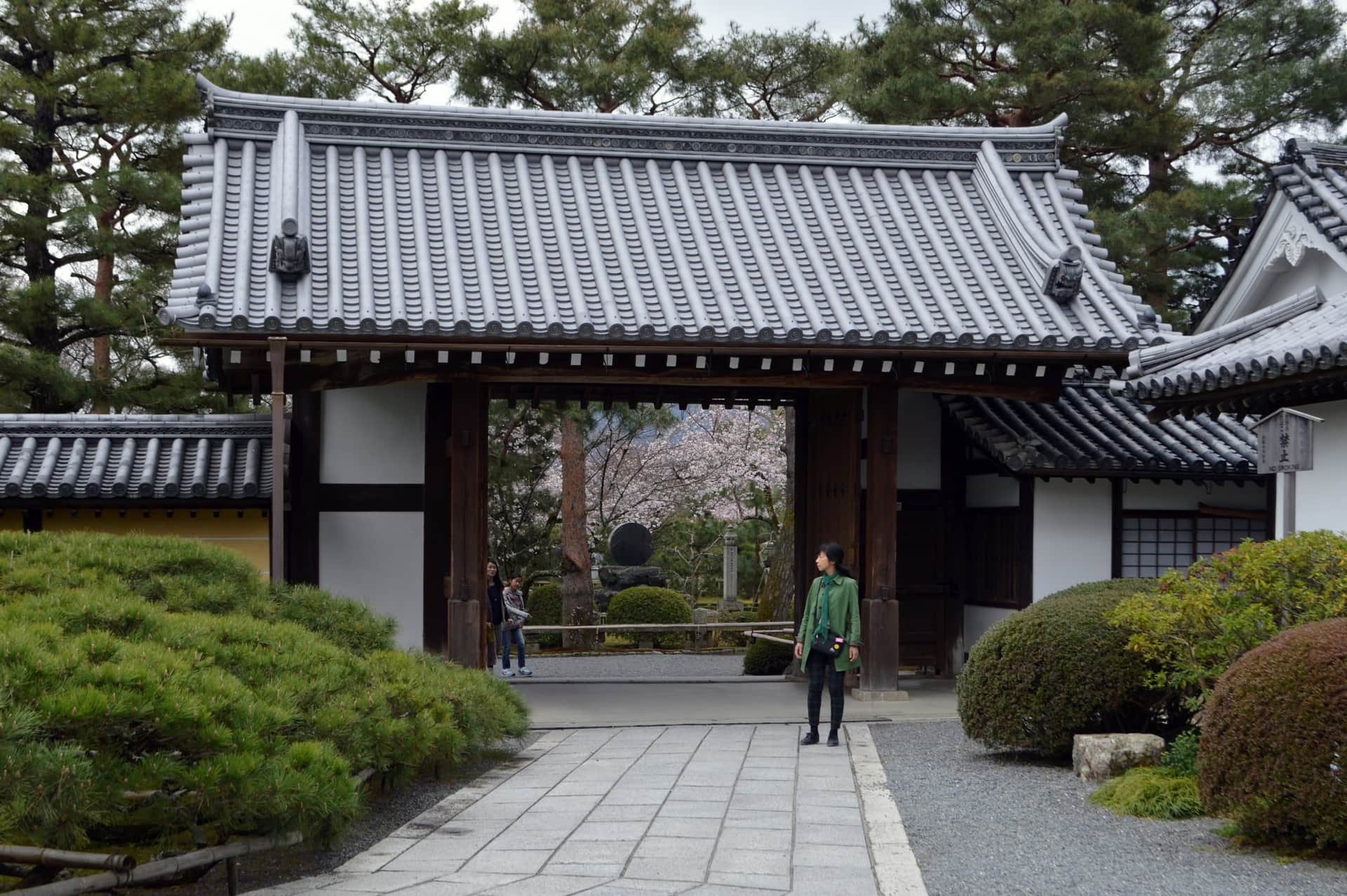
You can reach Nonomiya Shrine by walking about 15 minutes through Arashiyama’s bamboo grove, so it fits naturally into a sightseeing stop there. It is often crowded, especially with overseas visitors, so if you want a quieter visit, avoid peak times.
The shrine is known for matchmaking and for prayers related to childbearing and safe delivery. Visitors commonly stop at the black wooden torii, the small fence, and the sacred stone, which people gently touch while making a wish. The grounds are compact and calm, with bamboo and moss giving it a distinct, old Kyoto feel.