Admission
Not confirmed
At a Glance
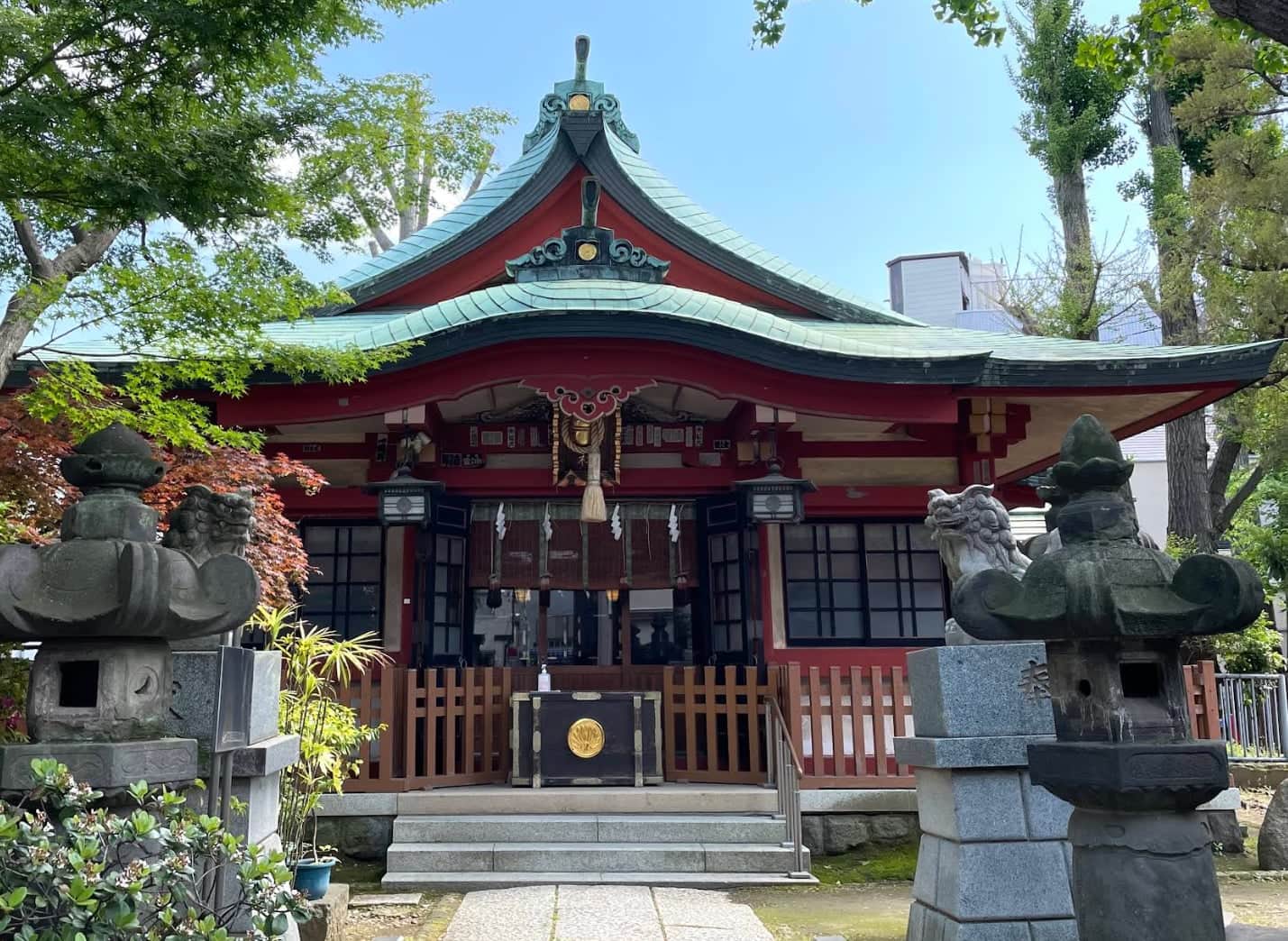
The shrine's sacred ginkgo tree became charred black after shielding the neighborhood from firebombs during the 1945 Tokyo air raids, yet survived and still thrives today, a story now taught in elementary school ethics textbooks.
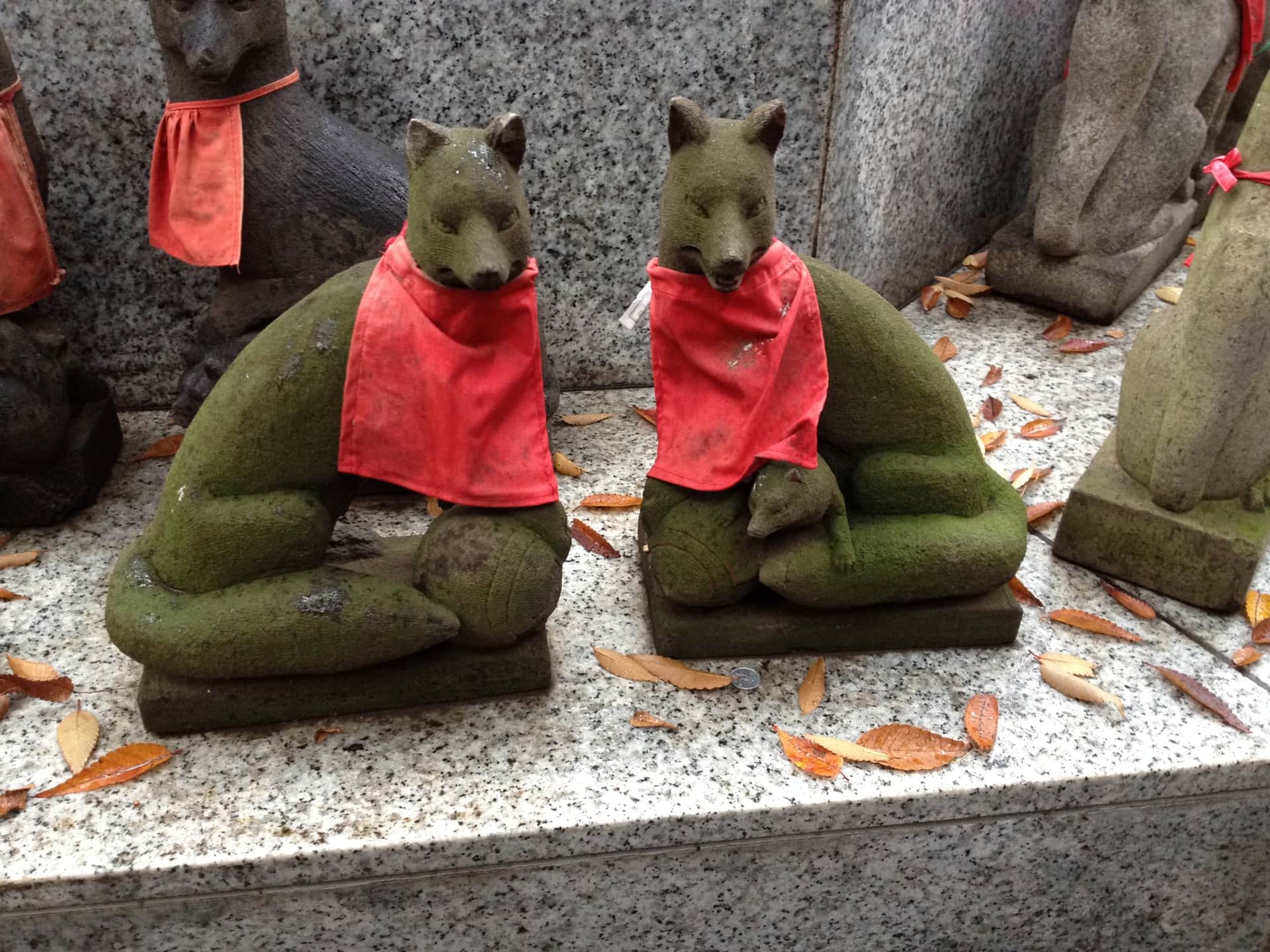
One of the trees burned in the Tokyo air raids naturally formed into the shape of a fox (kitsune), the messenger of Inari, locals call it the "hidden Inari" and visitors are challenged to find it among the trees.
This shrine offers 2 different goshuin designs
Same as opening hours
Regular
Regular
¥500
Not confirmed
Look for the hidden fox shape in one of the trees that was burned during the Tokyo air raids - the priest can point out which tree has the fox-shaped burn marks if you ask.
Take time to find the many small fox statues scattered throughout the compact shrine grounds, as discovering these hidden inari foxes is part of the visitor experience.
The shrine has no parking lot, so plan to use nearby coin parking or walk approximately 15 minutes from Oshiage Station to reach this residential area location.
The divine spirits venerated at this sacred place
More ways to continue from this place.
Within 300 m Within 600 m
Timetable data: Public Transportation Open Data Center

押上2丁目線路沿い
HELLO CYCLING

G2-04.ラ ステュディオ押上
docomo bike share
G2-17.レピュア押上レジデンス
docomo bike share
Renting needs the operator's app and a Japanese phone number. docomo day passes are sold at convenience stores. Data sources
What this place is believed to grant
Also called Tobiki Inari
Sumida, Tokyo Prefecture
4 recent posts
Share how your visit was to help other travelers.
Aaron Weber shared a goshuin
Aaron Weber checked in
Tobiki Inari Jinja
Sumida, Tokyo
Aibi Zabat shared 2 photos