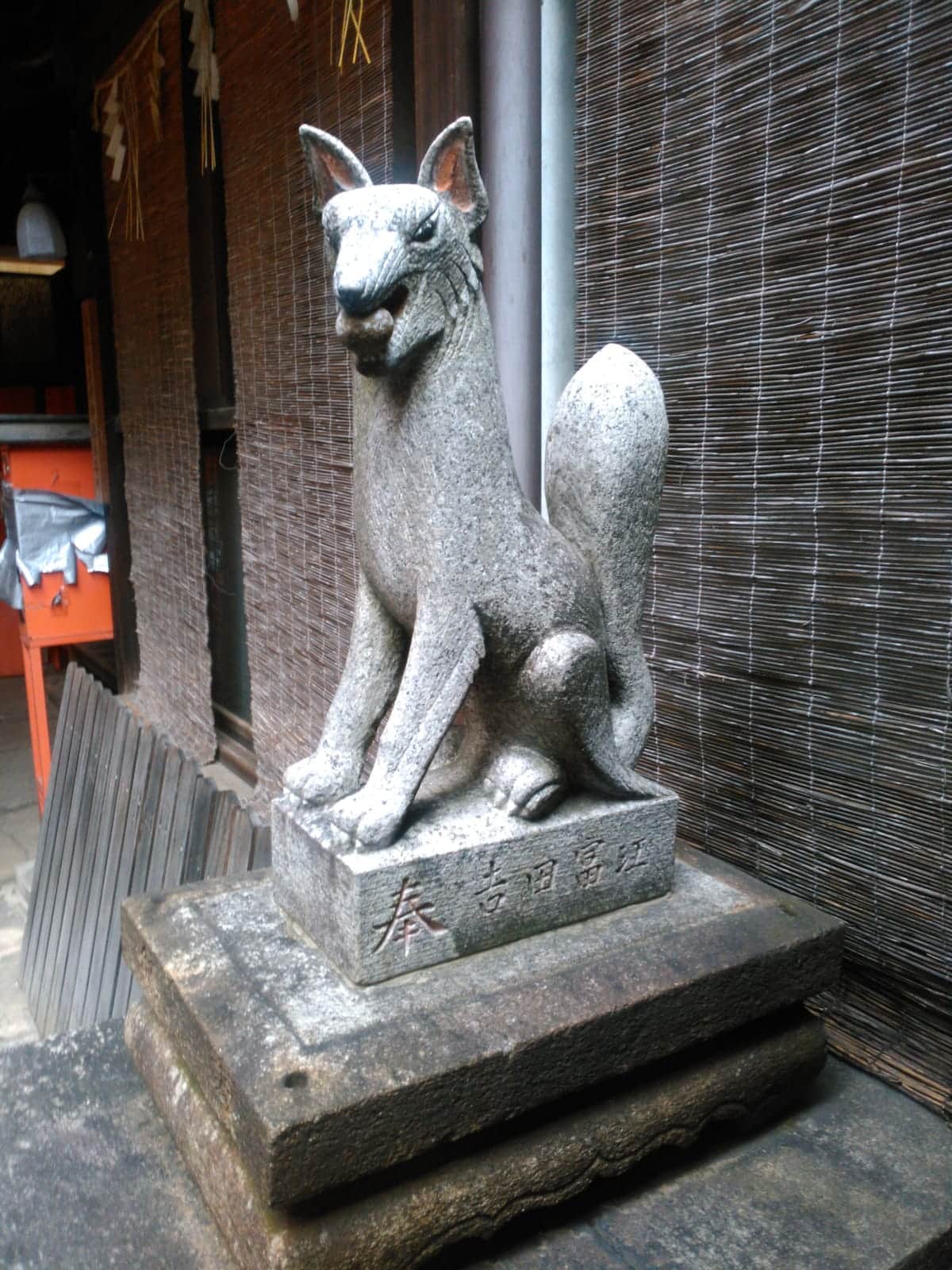
God of prosperity and agriculture
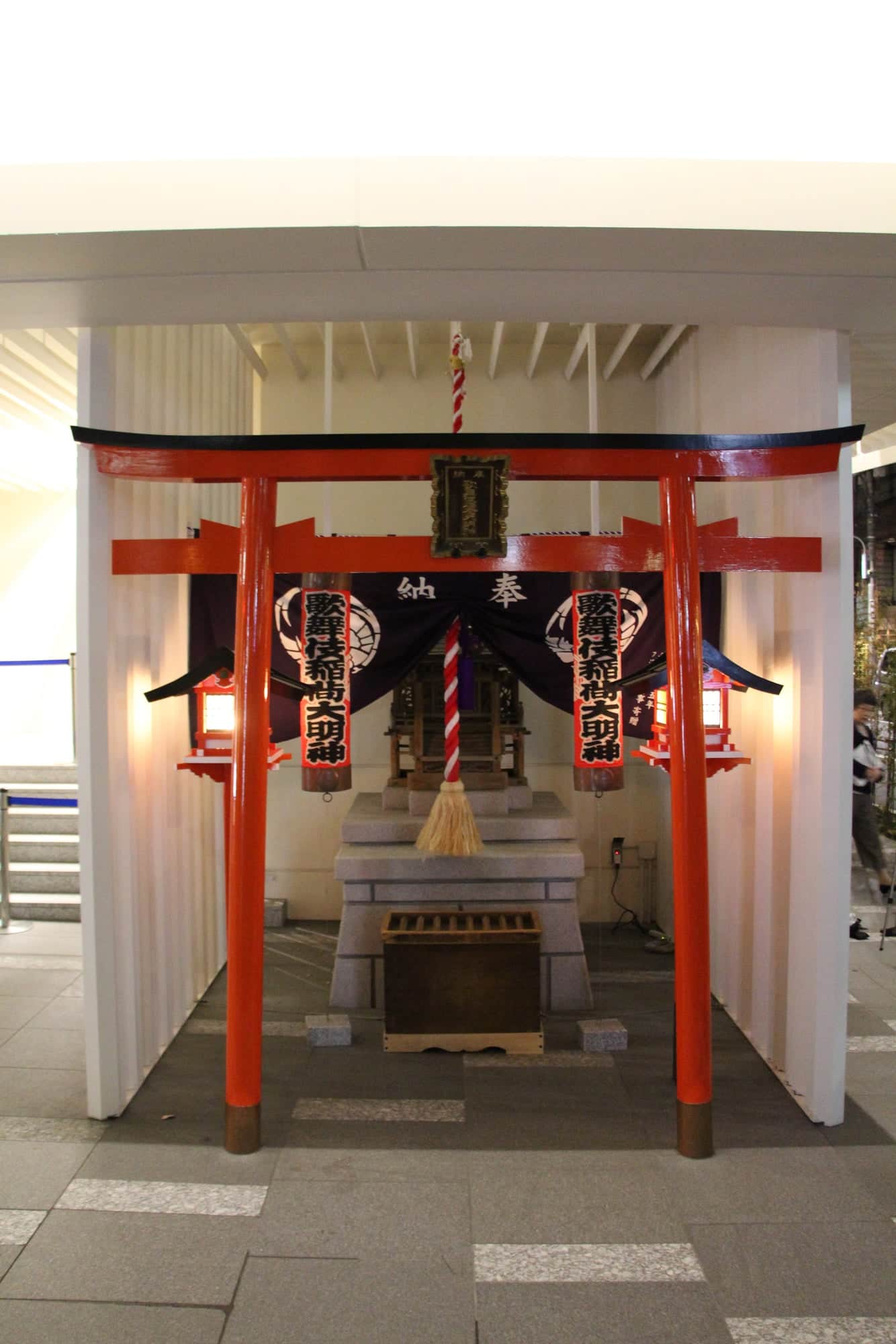
Inari Ōkami is one of the most widely venerated kami in the Shinto tradition, presiding over rice, agriculture, foxes, fertility, sake, tea, and general prosperity. The name Inari is often understood to mean "rice-bearer," reflecting the deity's deep connection to the harvest and the sustenance of life. Over time, Inari's domain expanded beyond farming to encompass commerce, industry, and worldly success.
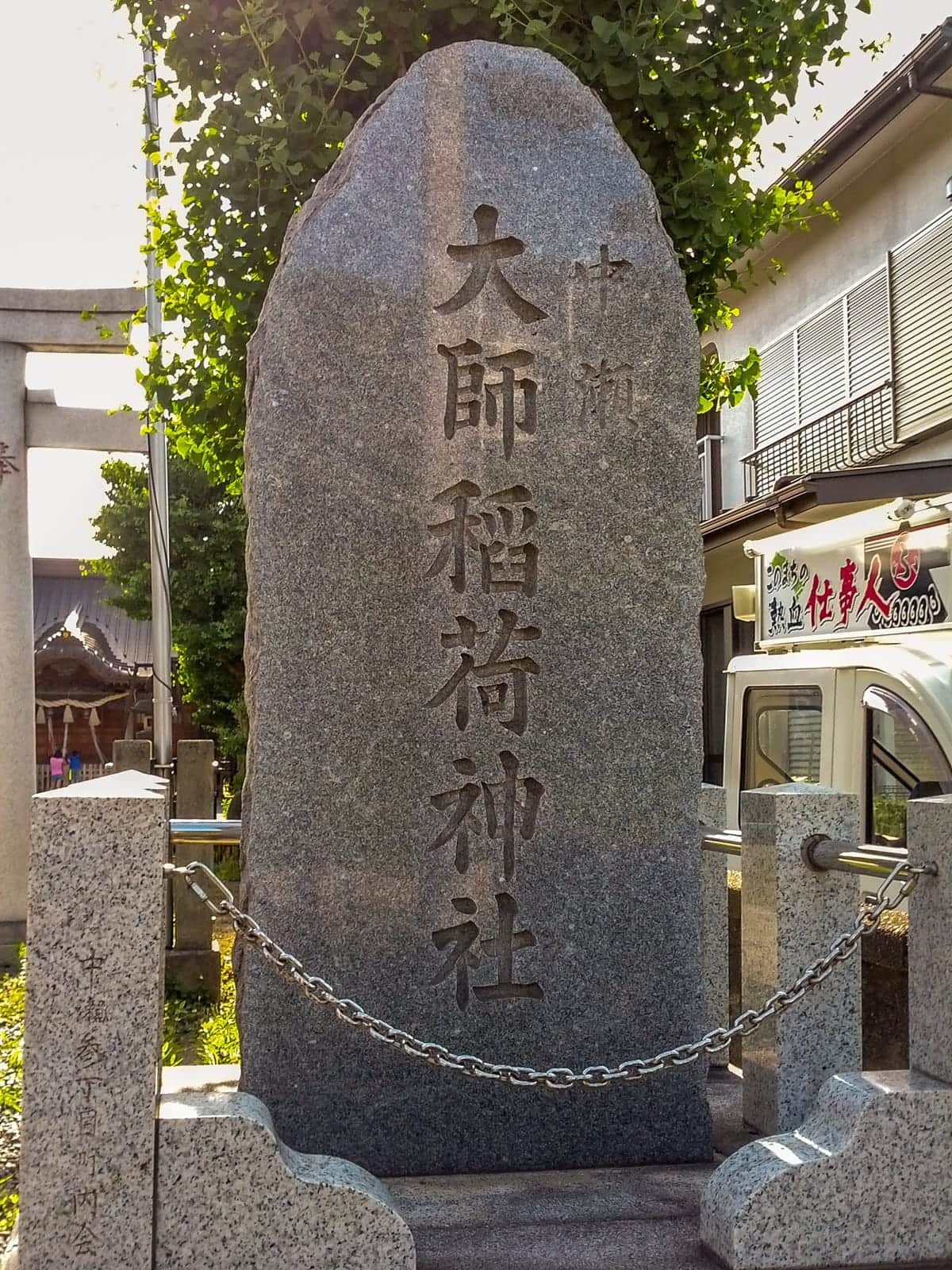
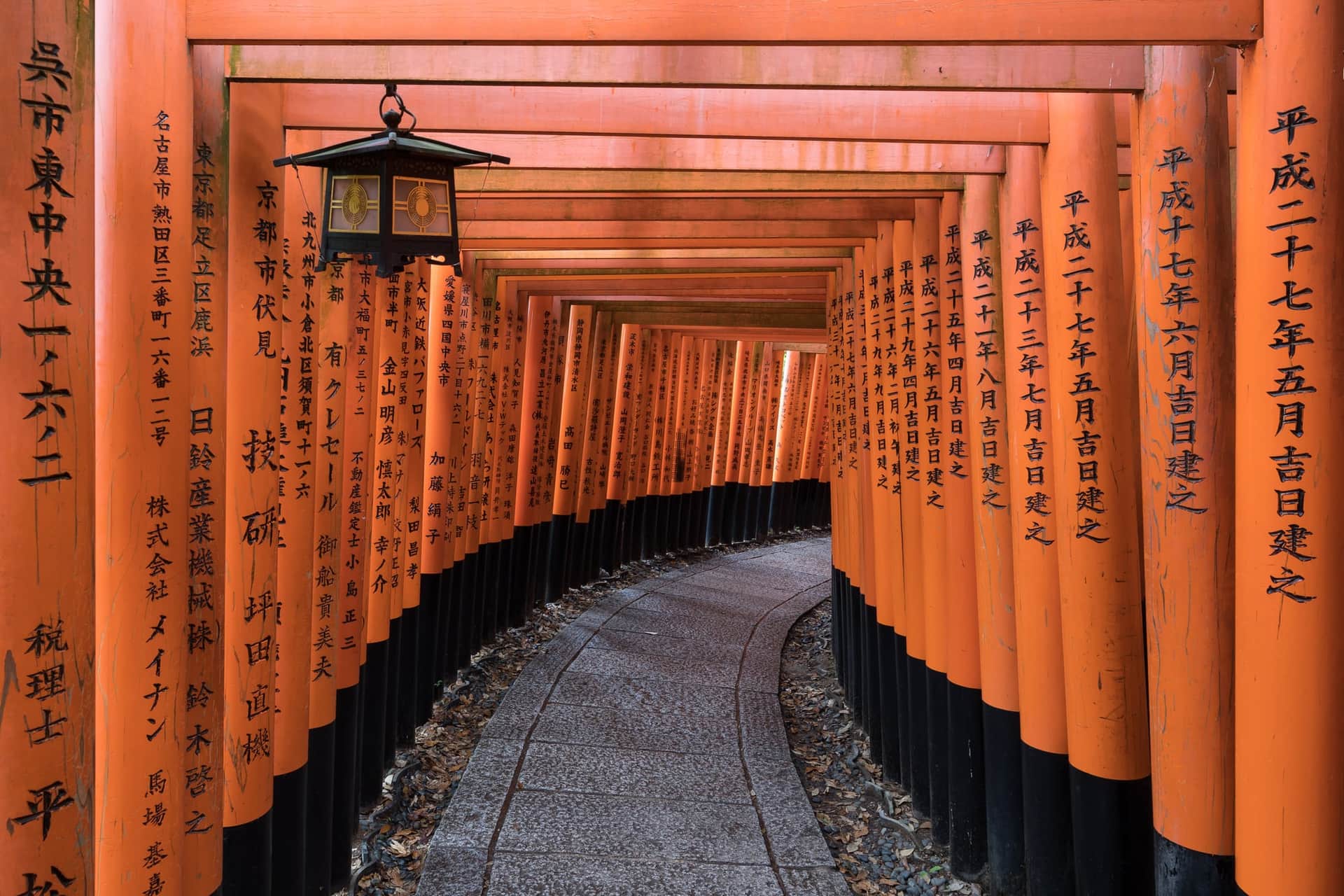
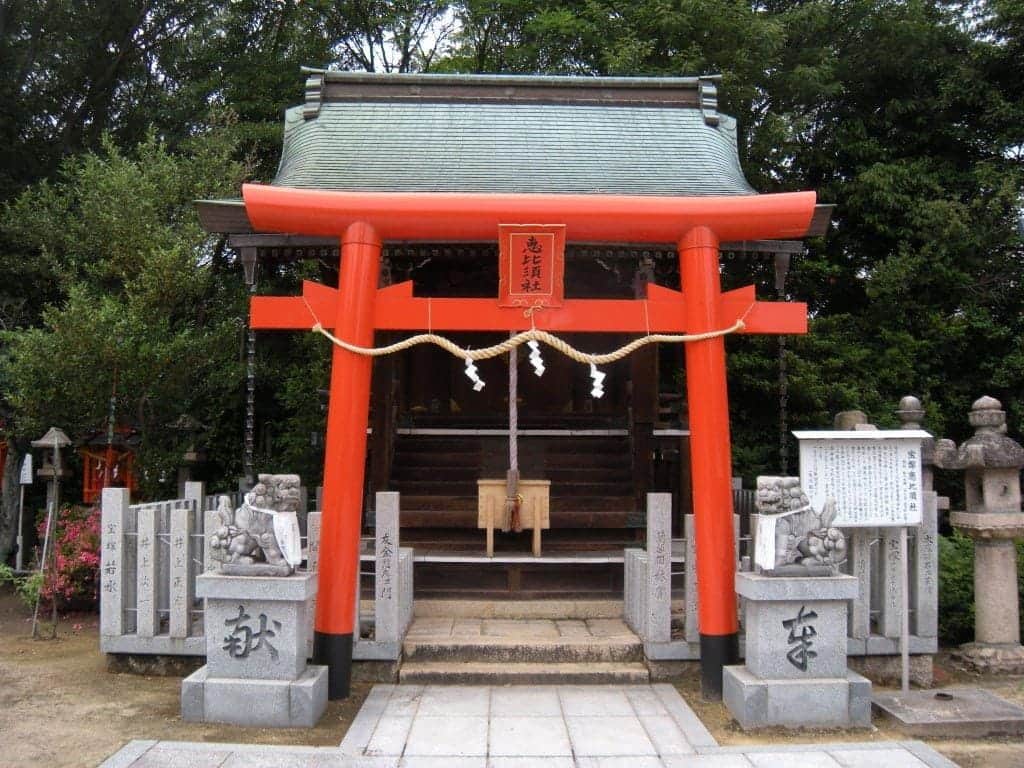
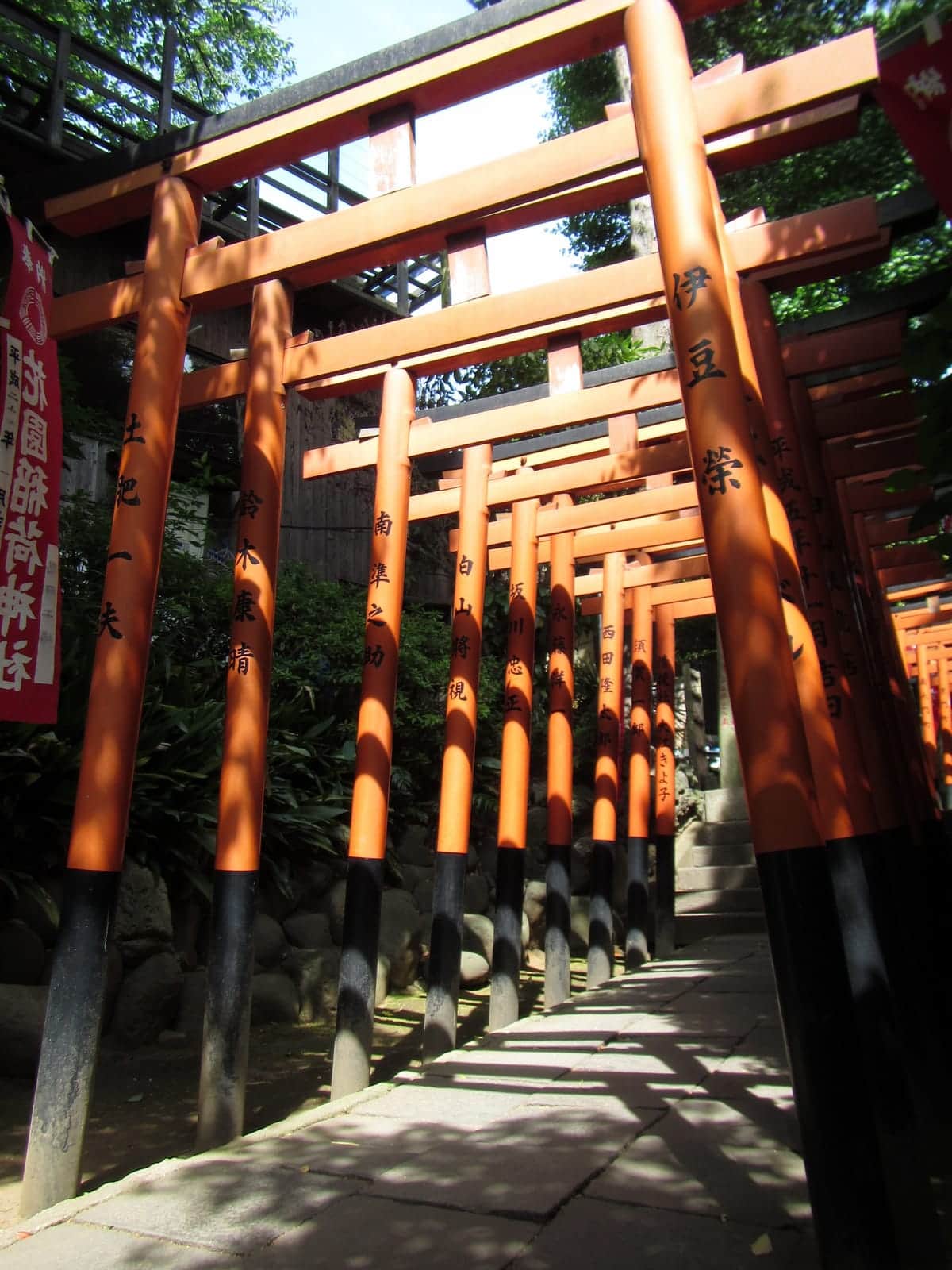
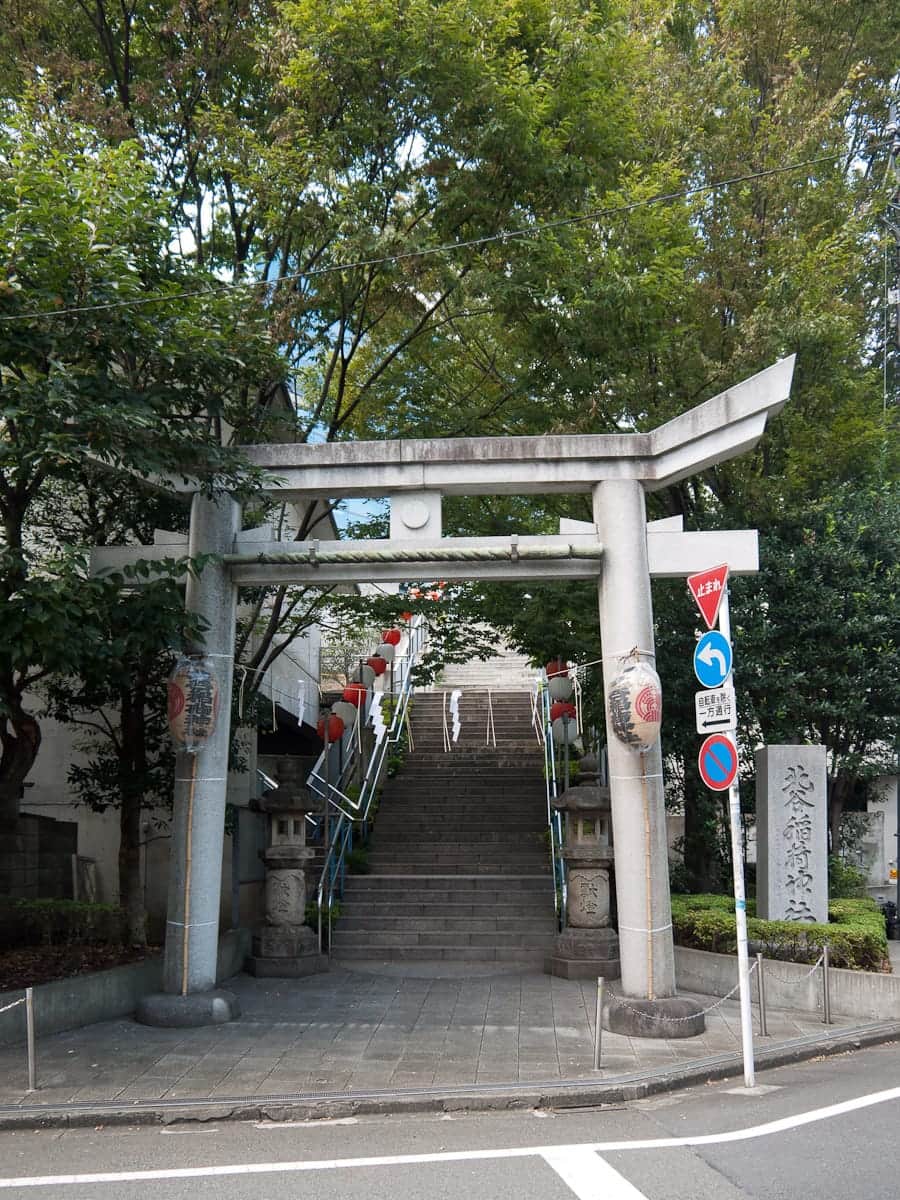
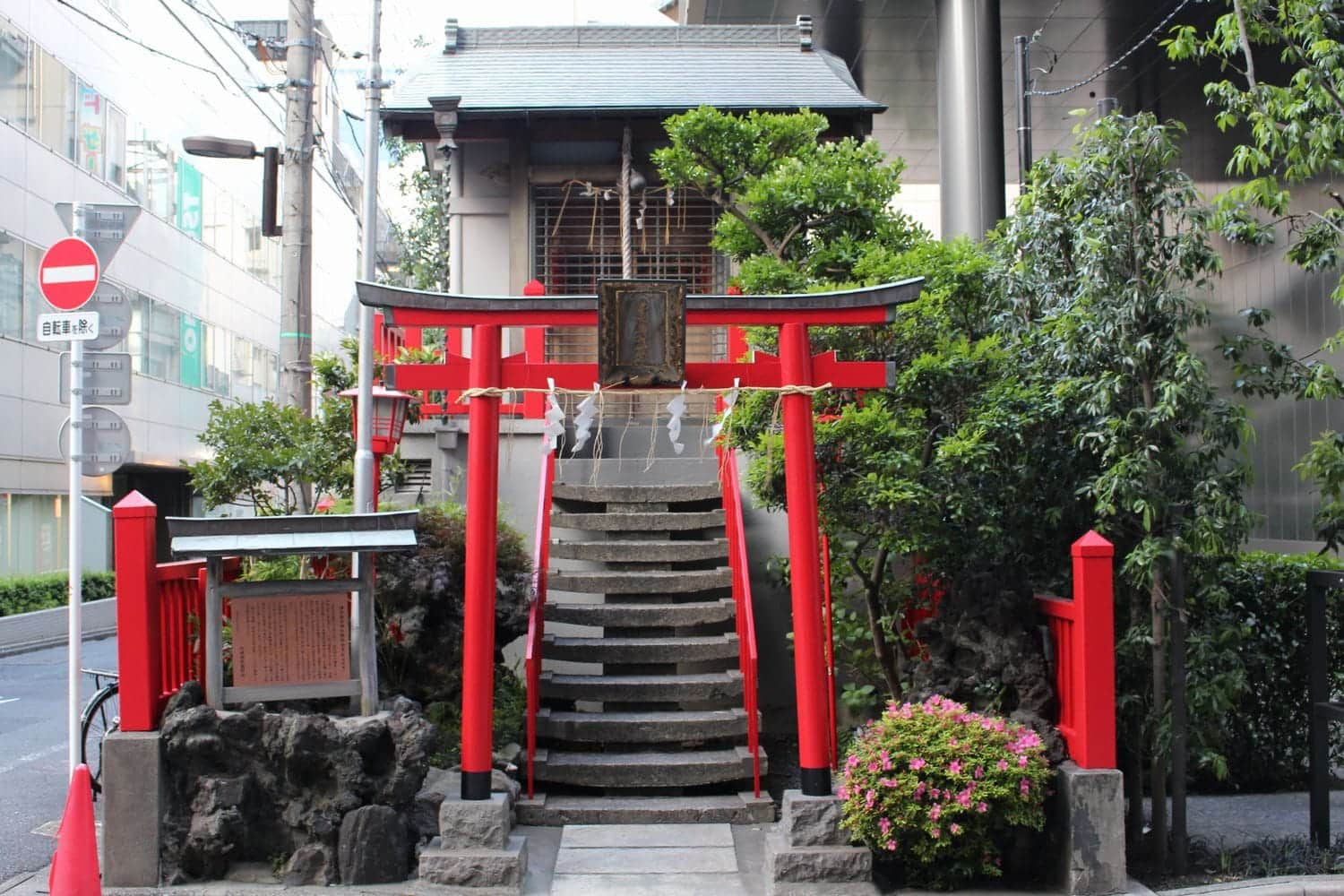
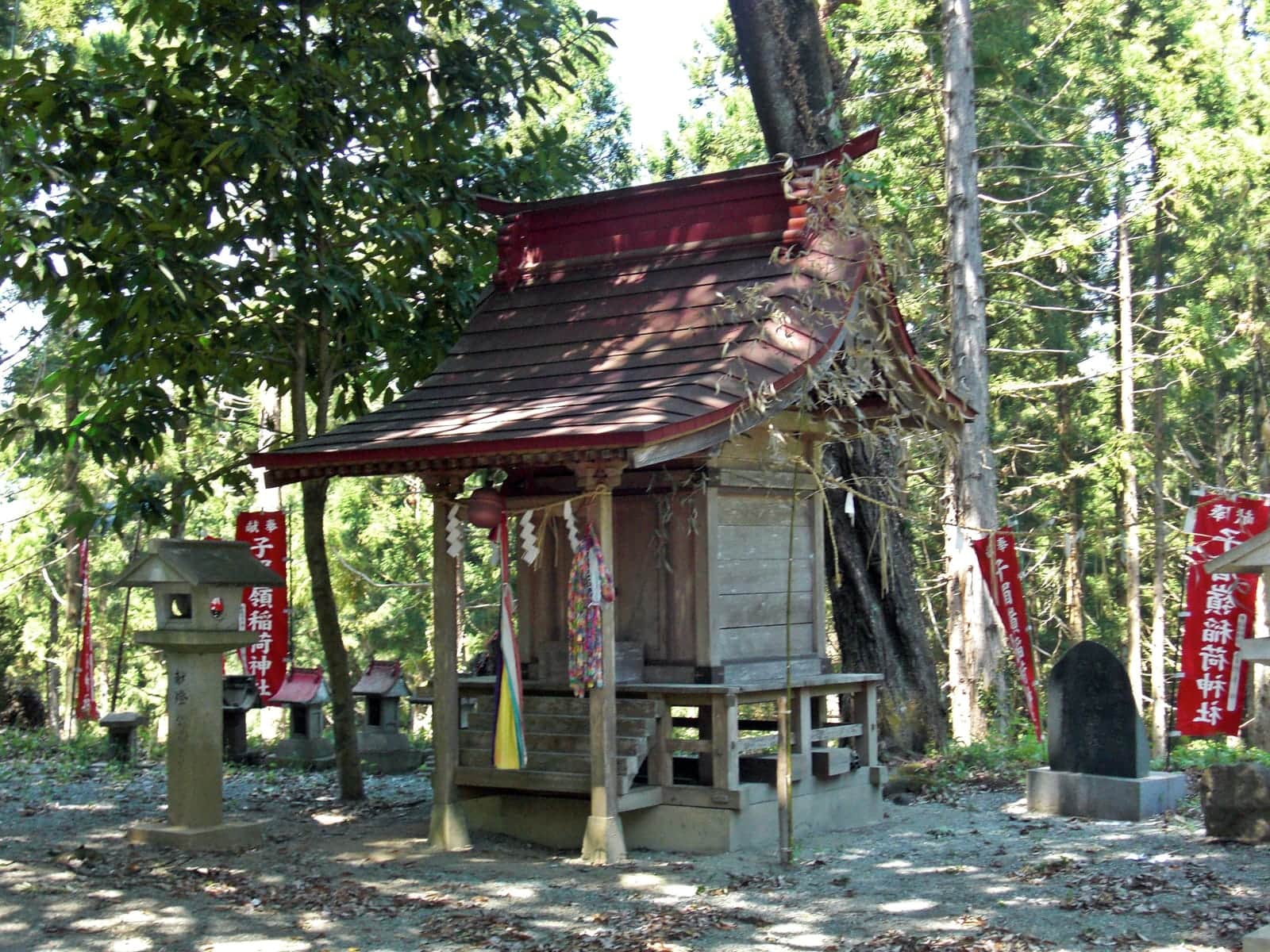
Inari is worshipped at more than 40,000 shrines across Japan — over a third of all Shinto shrines — with Fushimi Inari Taisha in Kyoto serving as the principal sanctuary. Worship is believed to date back to at least 711 CE, and possibly as far as the late 5th century. Inari's following spans both Shinto and Buddhist contexts, as the deity became syncretized with the Buddhist goddess Dakini-ten through the tradition of combinatory religion.
Inari is uniquely fluid in gender, appearing as male, female, or a group of three to five distinct kami depending on tradition. The fox, or kitsune, serves as Inari's sacred messenger and is depicted in pure white at shrine precincts throughout Japan. According to one myth, Inari descended from the heavens on a white fox during a great famine, carrying sheaves of grain to feed a suffering people.
20 places