Admission
Not confirmed
At a Glance
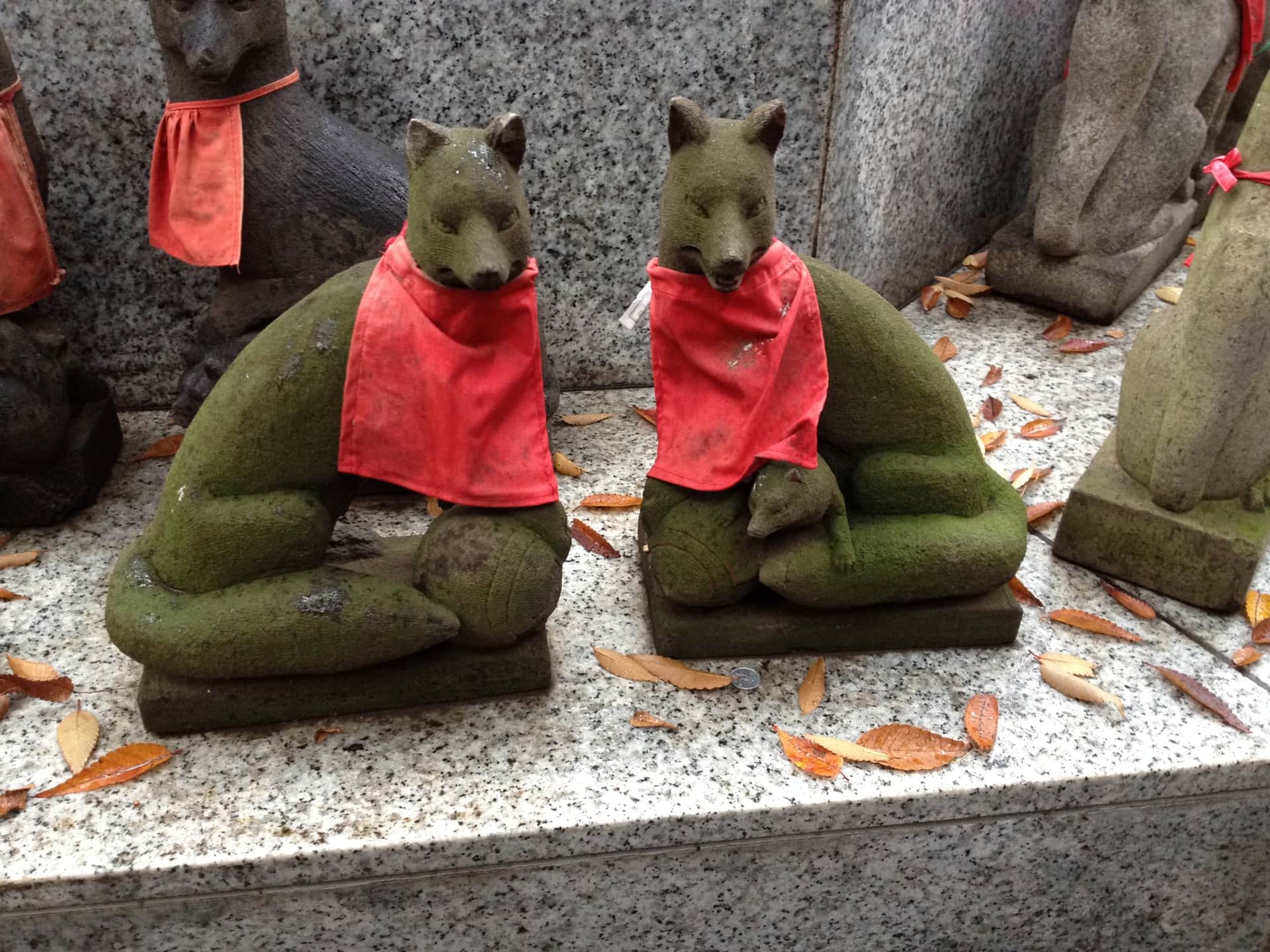
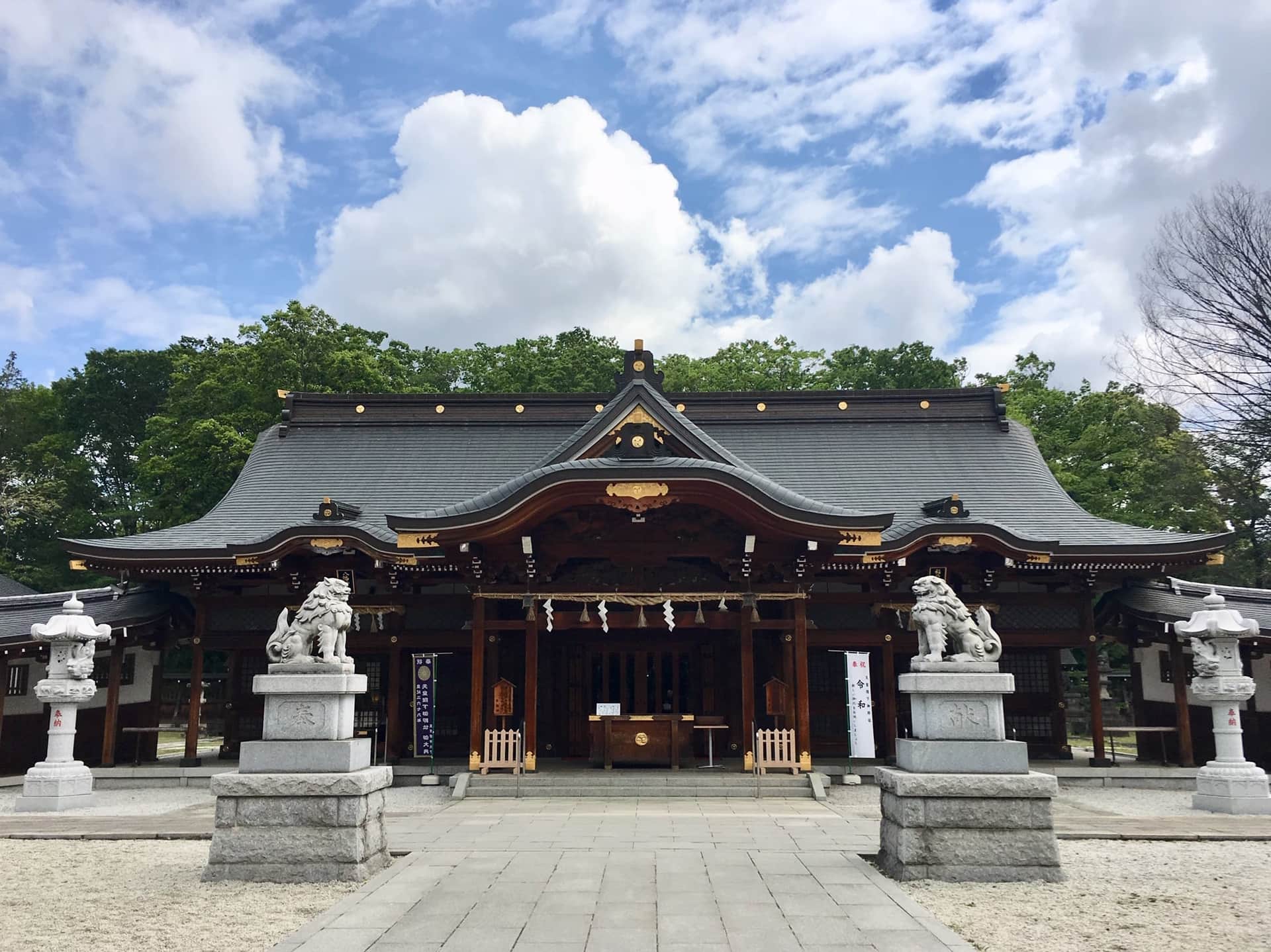
The fox statues here have an unusually stern, warrior-like intensity compared to typical graceful inari foxes, possibly reflecting the turbulent Bakumatsu era when Gakushuin was founded.
Just steps from Mejiro Station yet tucked in a quiet residential area, the shrine sits where natural spring water once flowed down Toyosaka slope in old Edo times.
This shrine offers goshuin, but we don't have photos yet. Be the first to share yours!
Not confirmed
Pair your visit with Ichigishi Shrine, which sits immediately next door, to create a two-shrine loop that takes about 20 minutes total. Most visitors miss this combination entirely, but locals treat them as a matched pair worth honoring together.
Plan to visit in early February or March for the Hatsu-Uma festival, or in July for the Sengen festival, when the shrine draws modest crowds and you can see how locals actually use the space rather than just passing through.
Bring a notebook or small sketchbook if you want to collect a goshuin (shrine stamp), as this modest shrine may not always have staff present during off-peak hours.
Go on a weekday morning for near-total solitude. The shrine is steps from Mejiro Station, but it sits in a quiet residential pocket, so you can see the stern fox statues without other visitors.
The divine spirits venerated at this sacred place


More ways to continue from this place.
Within 300 m Within 600 m
Timetable data: Public Transportation Open Data Center
Renting needs the operator's app and a Japanese phone number. docomo day passes are sold at convenience stores. Data sources
Toshima, Tokyo Prefecture
What this place is believed to grant
0 recent posts
Share how your visit was to help other travelers.
No public community posts yet.