Admission
Not confirmed
At a Glance
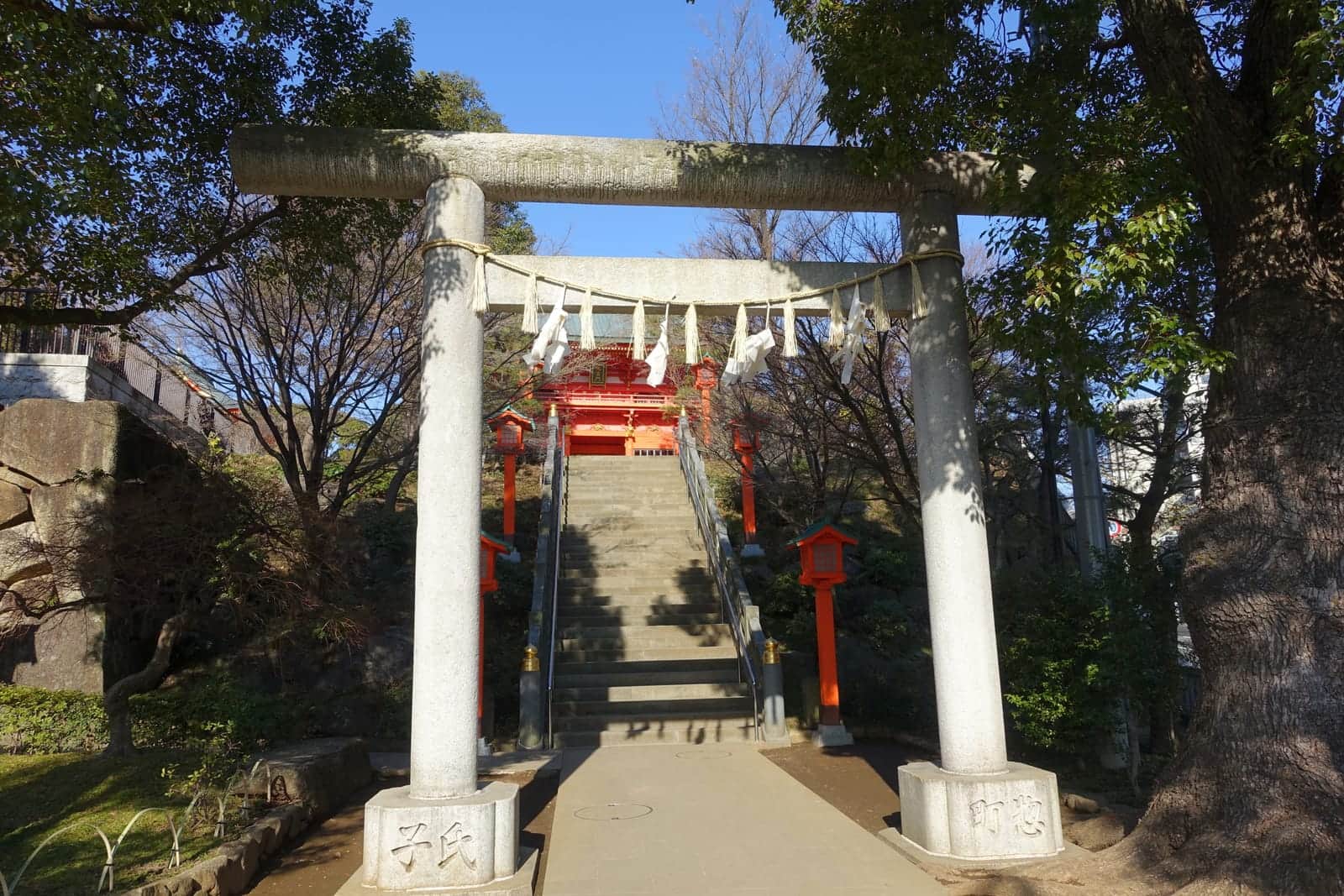
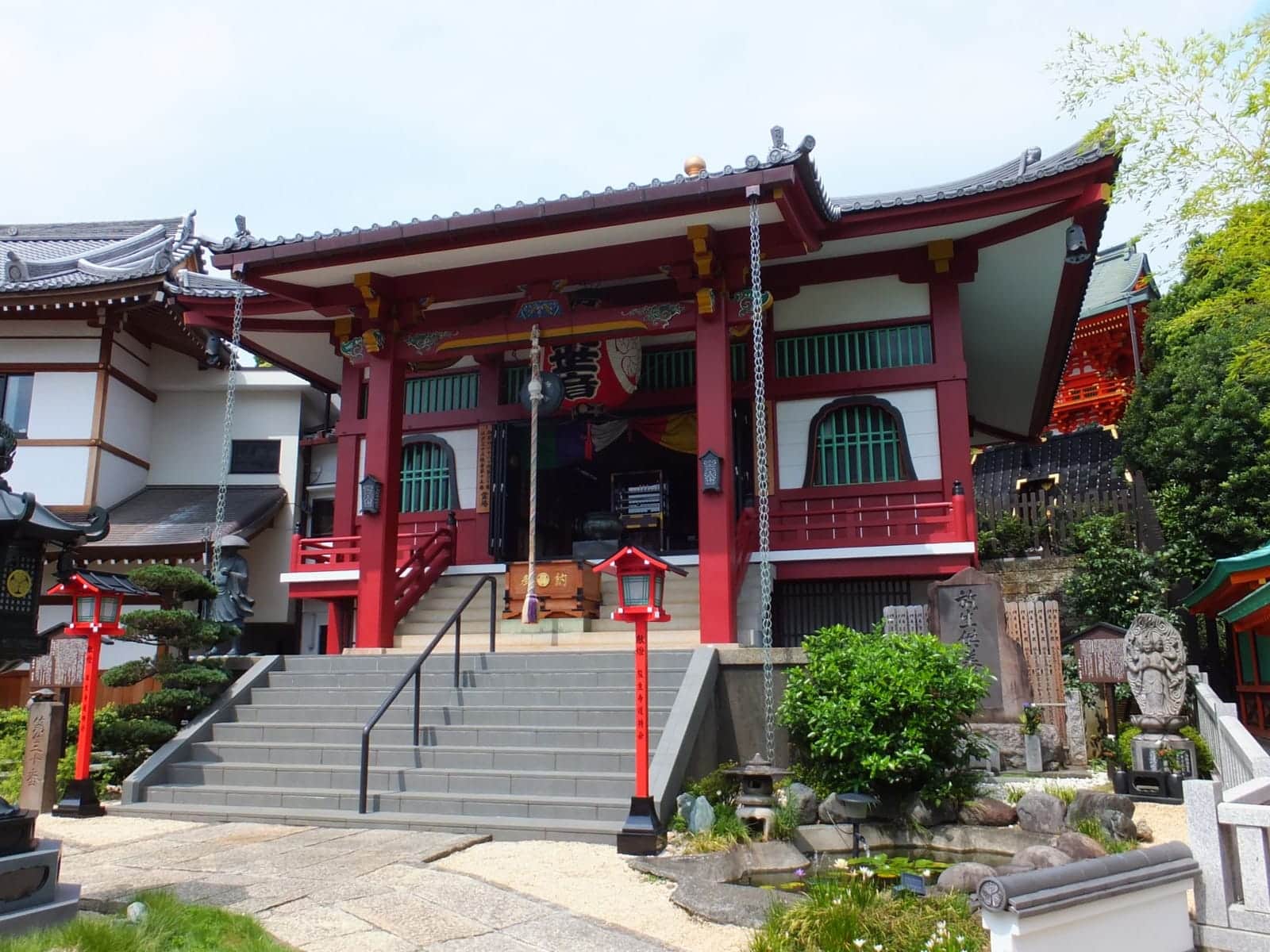
Shinjuku Suwa Shrine is the historic guardian shrine of the Takadanobaba and Okubo area. Dedicated to Takeminakata, it is associated with resolve and opening a path through difficult challenges.
Every five years during the August festival, the shrine's main mikoshi parades through Shinjuku's streets, transforming the quiet shrine into the center of neighborhood celebration.
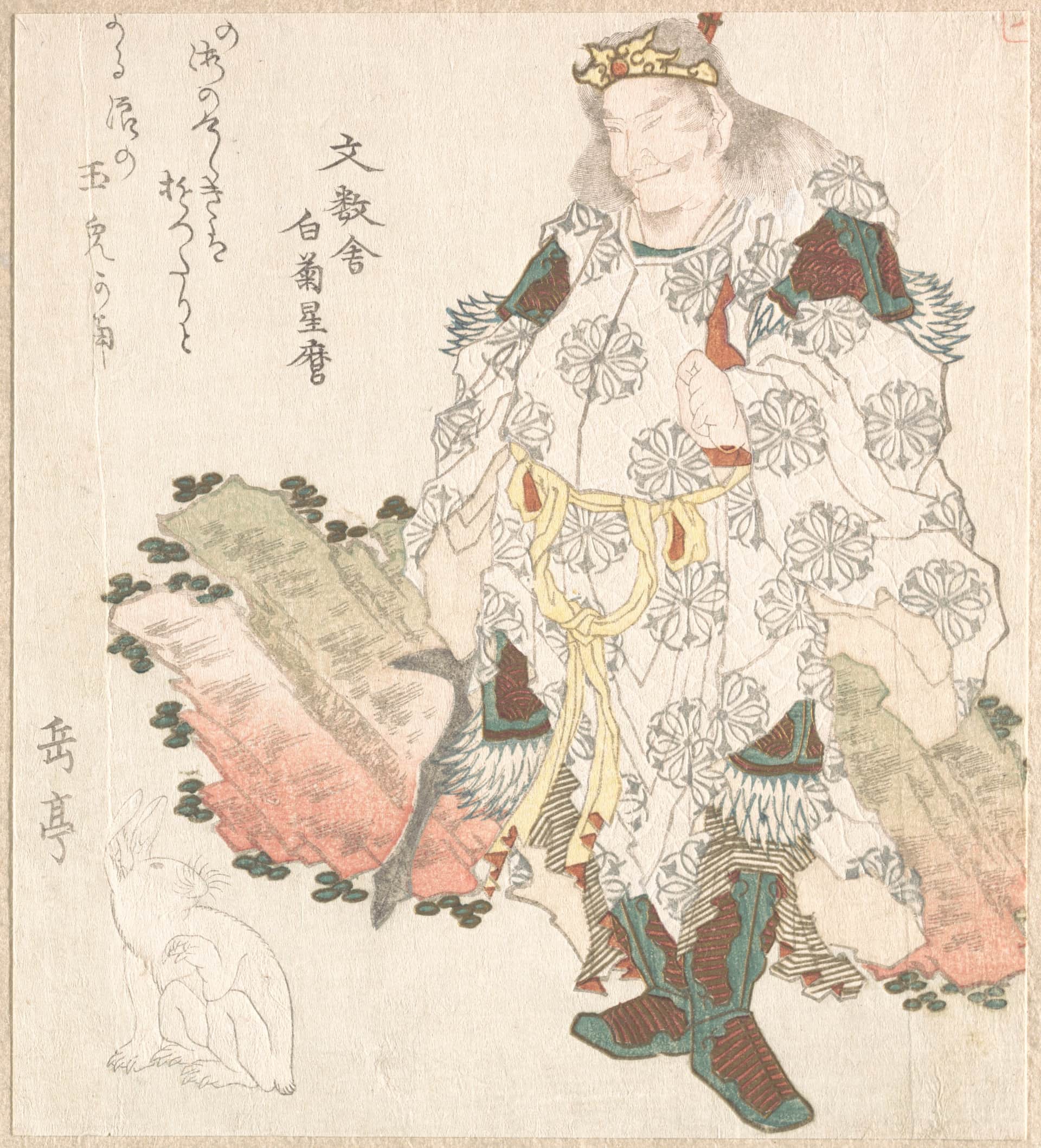
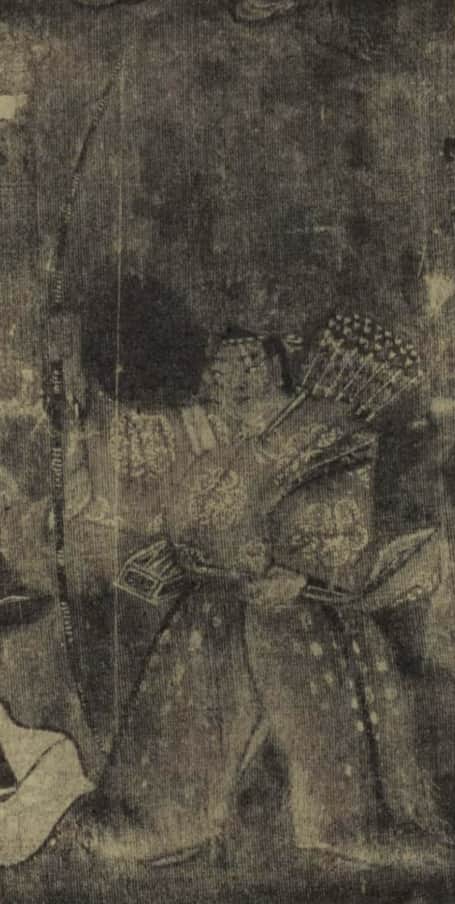
Founded by the legendary poet-official Ono no Takamura in the Heian period, the shrine later received a deity from Nagano by Tokugawa Ieyasu's son, merging two powerful lineages.
This shrine offers 1 different goshuin designs
Same as opening hours
Regular
Not confirmed
Facilities
The shrine offers monthly limited-edition goshuin (stamp seals) in addition to the regular one, so if you collect these, ask at the shrine office about the current month's special design.
Access the shrine most easily from Nishi-Waseda Station on the Fukutoshin subway line, and consider combining your visit with nearby Ana Hachiman-gu shrine, which is only a 10-minute walk away.
Visit in late February or early March to see the plum blossoms in full bloom, with white plum trees typically blooming later than the red varieties in the shrine grounds.
Visit in late February or early March to see the plum blossoms in full bloom, with white plum trees typically blooming later than the red varieties in the shrine grounds.
Despite being located in the busy Waseda area near Takadanobaba, the shrine maintains a quiet, peaceful atmosphere, so you can expect a calm visit even in this urban neighborhood.
Visit in August during the festival (held every 5 years) to see the portable shrine paraded through Shinjuku. It honors the guardian deity of the former Totsuka, Okubo, and Hyakunin-cho villages.
The divine spirits venerated at this sacred place
More ways to continue from this place.
Within 300 m Within 600 m
Timetable data: Public Transportation Open Data Center
Renting needs the operator's app and a Japanese phone number. docomo day passes are sold at convenience stores. Data sources
What this place is believed to grant
Also called Shinjuku Suwa
Shinjuku, Tokyo Prefecture
3 recent posts
4.0
1 review
The easiest way to reach the shrine is from Nishi-Waseda Station on the Fukutoshin line. Despite sitting in the urban Waseda area near Takadanobaba, the grounds stay noticeably quiet, and you can pair the visit with Ana Hachiman-gu shrine about 10 minutes away on foot.
Come in late February or early March for the plum blossoms. Red varieties bloom first, with the white trees following a little later, so timing depends on which you want to catch.
Alexandre Feutren checked in
Shinjuku Suwa Jinja
Shinjuku, Tokyo
 MGPro member
Mason GeorgePro left a review