Admission
Free
At a Glance
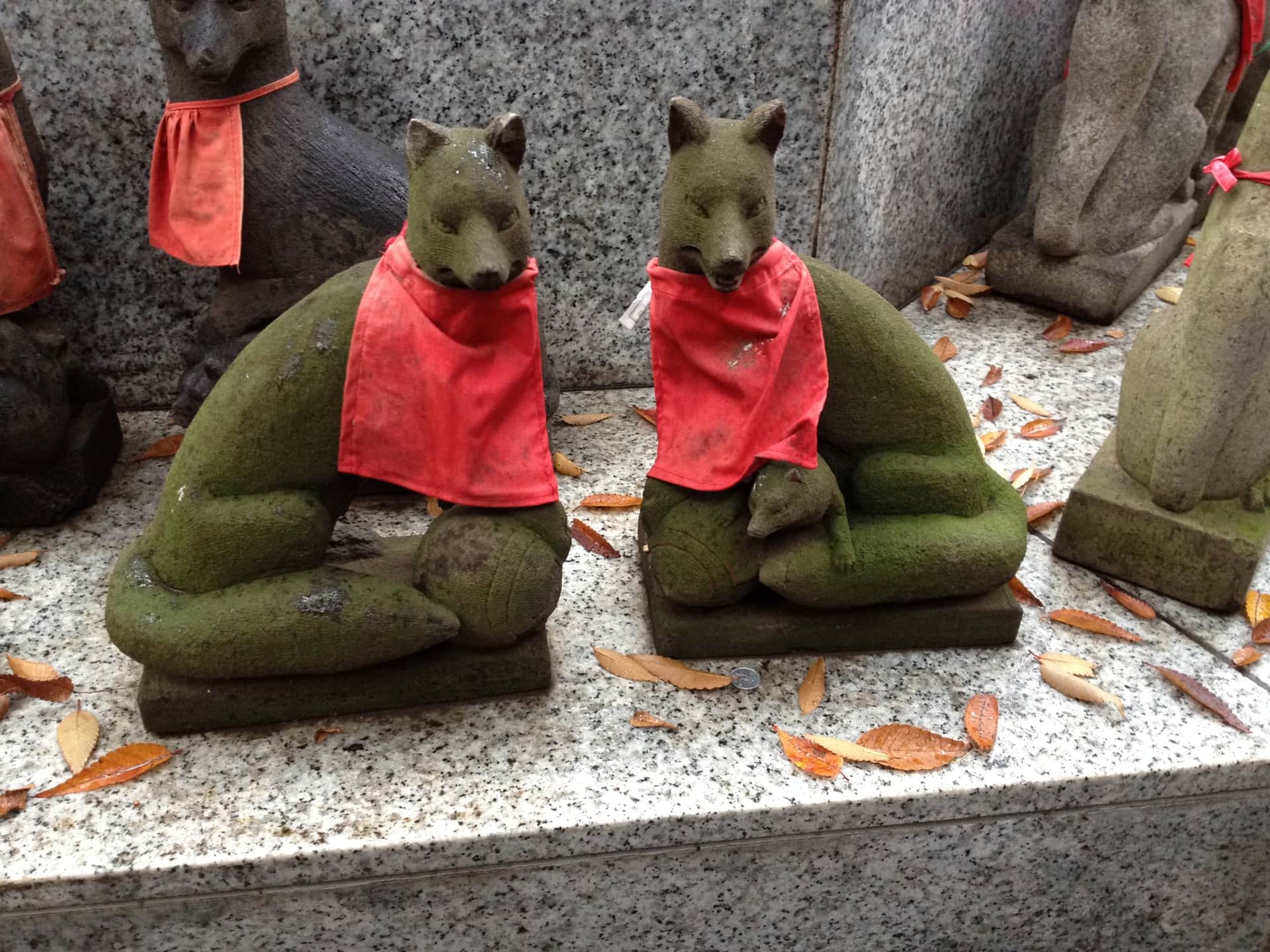
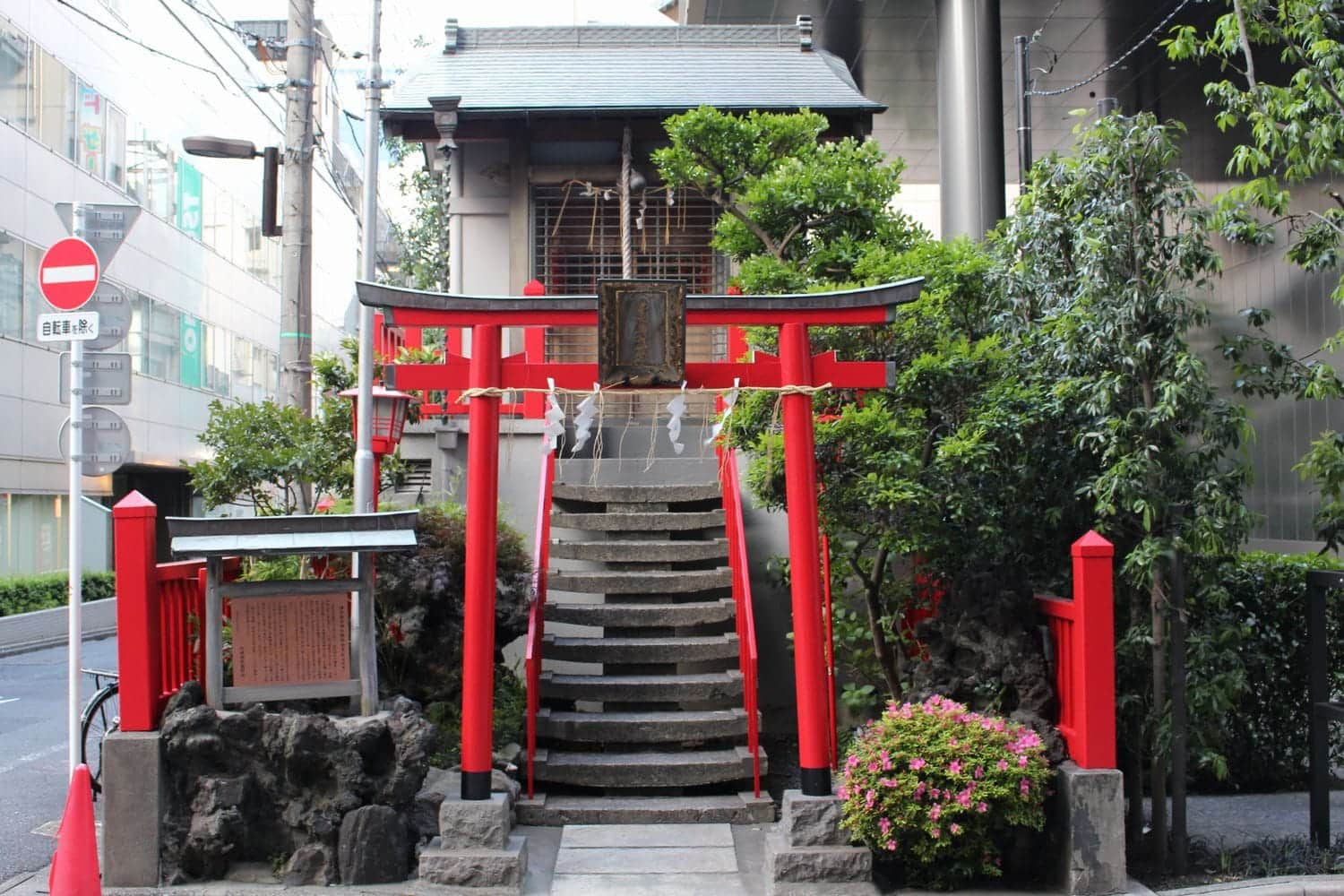
The shrine gives its name to Goto-dori Street, just as the nearby Ippachi Inari names Ippachi-dori, creating a network of streets in Kanda named after their local fox deity shrines.
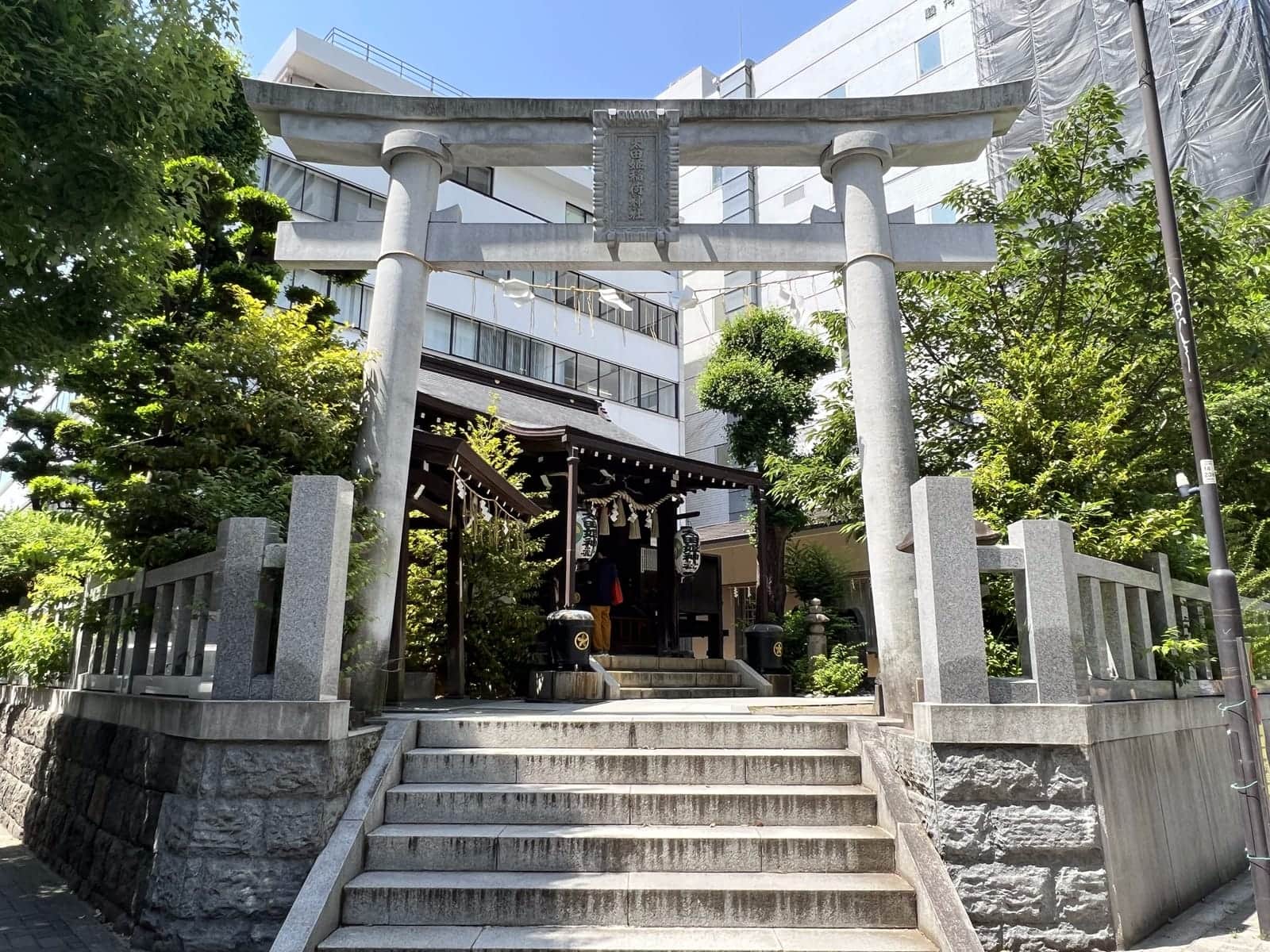
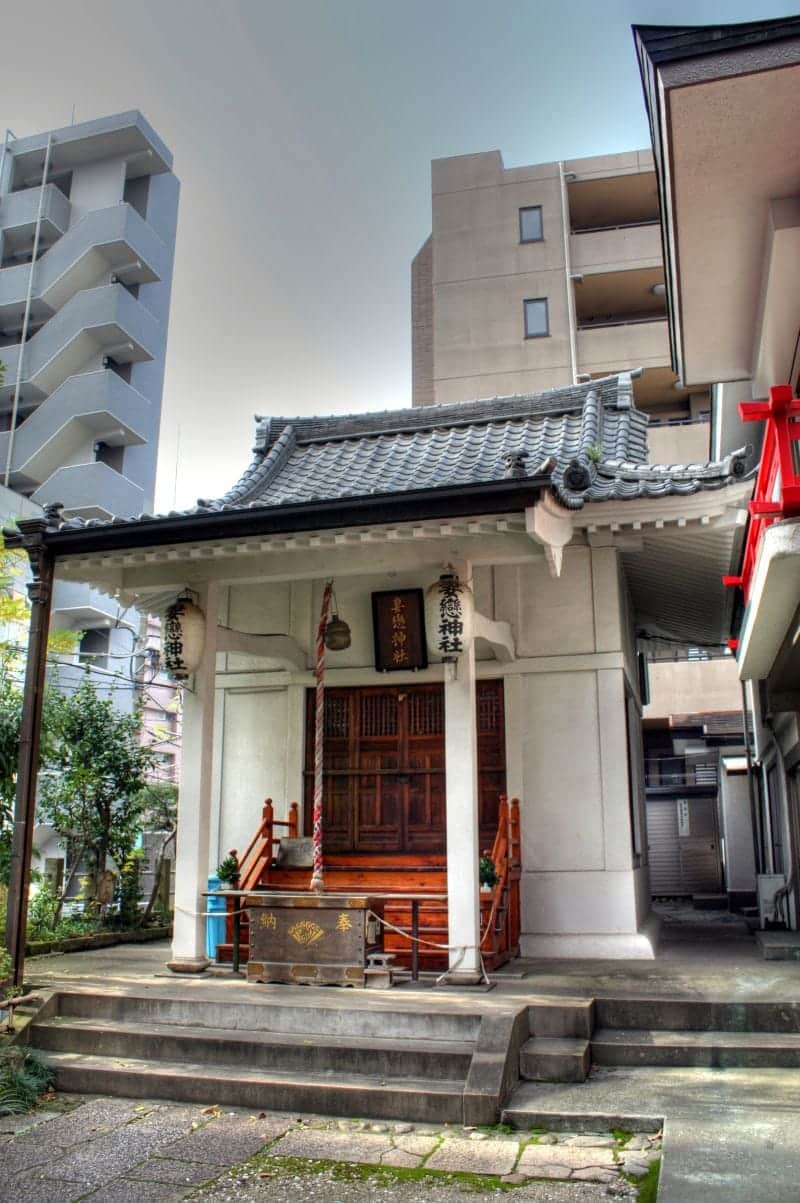
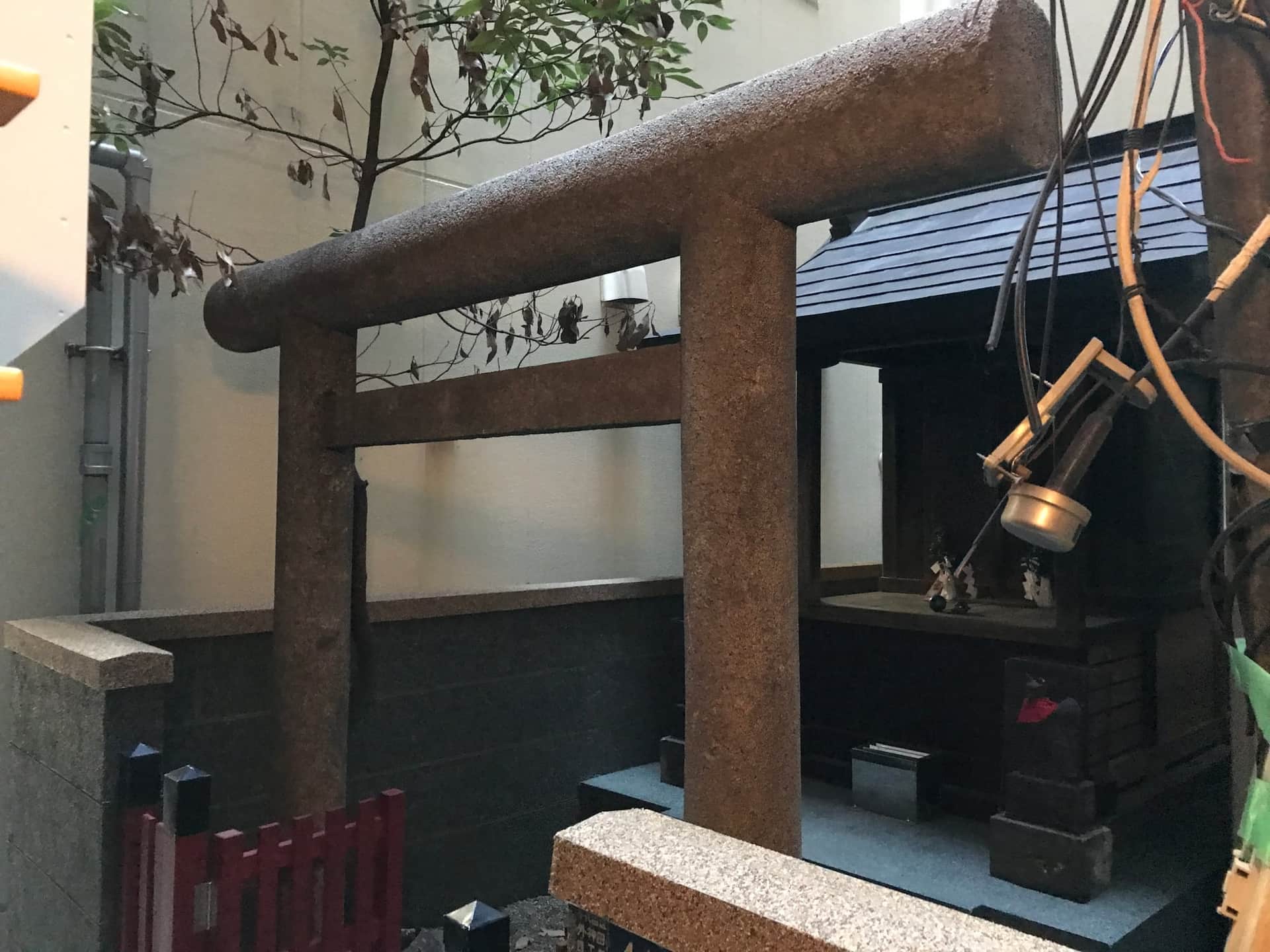
Tucked between office buildings, the shrine operates an unusual cafe called 'Osuzu no Himo' in its north wing, blending sacred space with modern Tokyo cafe culture in just a few square meters.
This shrine offers 1 different goshuin designs
Regular
¥500
Free
If you want a directly written goshuin (stamp), expect to wait 60-120 minutes as each person takes about 5 minutes and lines of 7-10 people are common even on weekdays, so plan to visit this shrine last in your itinerary or opt for the pre-written version available immediately at reception.
The shrine office (shamusho) opens at 1:00 PM and closes for a break from 3:00 PM to 4:00 PM, with varying hours on different days, so check their website or Twitter before visiting to confirm the exact schedule for that day.
The shrine has no parking lot and the waiting area is just a narrow street with minimal sidewalk space, so if you are waiting with companions, have them wait outside the immediate area to avoid crowding the one-way street where cars occasionally pass.
Access the shrine most easily from Ogawamachi Station Exit B7 (4-minute walk), which is slightly closer than Jimbocho Station Exit A7 (7 minutes) or Shin-Ochanomizu/Awajicho stations, and look for the shrine on the north side of Goto-dori street after crossing Sotobori-dori.
Share how your visit was to help other travelers.
The divine spirits venerated at this sacred place
Fascinating facts about this place
The shrine gives its name to Goto-dori Street, just as the nearby Ippachi Inari names Ippachi-dori, creating a network of streets in Kanda named after their local fox deity shrines.
Tucked between office buildings, the shrine operates an unusual cafe called 'Osuzu no Himo' in its north wing, blending sacred space with modern Tokyo cafe culture in just a few square meters.
The shrine's official name is actually Eiju Inari, but became known as Goto Inari because the feudal lord allowed local residents to visit only on days containing 5 or 10 (go-to) during the Edo period.
Despite being one of Tokyo's tiniest shrines with no traditional grounds, it's so popular for goshuin that visitors regularly wait 60-120 minutes in the narrow street, with each hand-written seal taking about 5 minutes to complete.
More ways to continue from this place.
Within 300 m Within 600 m
Timetable data: Public Transportation Open Data Center

A2-20.神田スクエア
docomo bike share
A2-31.ちよだプラットフォームスクウェア(道路側)
docomo bike share
A2-04.ちよだプラットフォームスクウェア
docomo bike share
Renting needs the operator's app and a Japanese phone number. docomo day passes are sold at convenience stores. Data sources
What this place is believed to grant
Also called Eiju Inari
Chiyoda, Tokyo Prefecture
1 recent visits and photo contributions
Vikki Pena shared a goshuin