Admission
Not confirmed
At a Glance
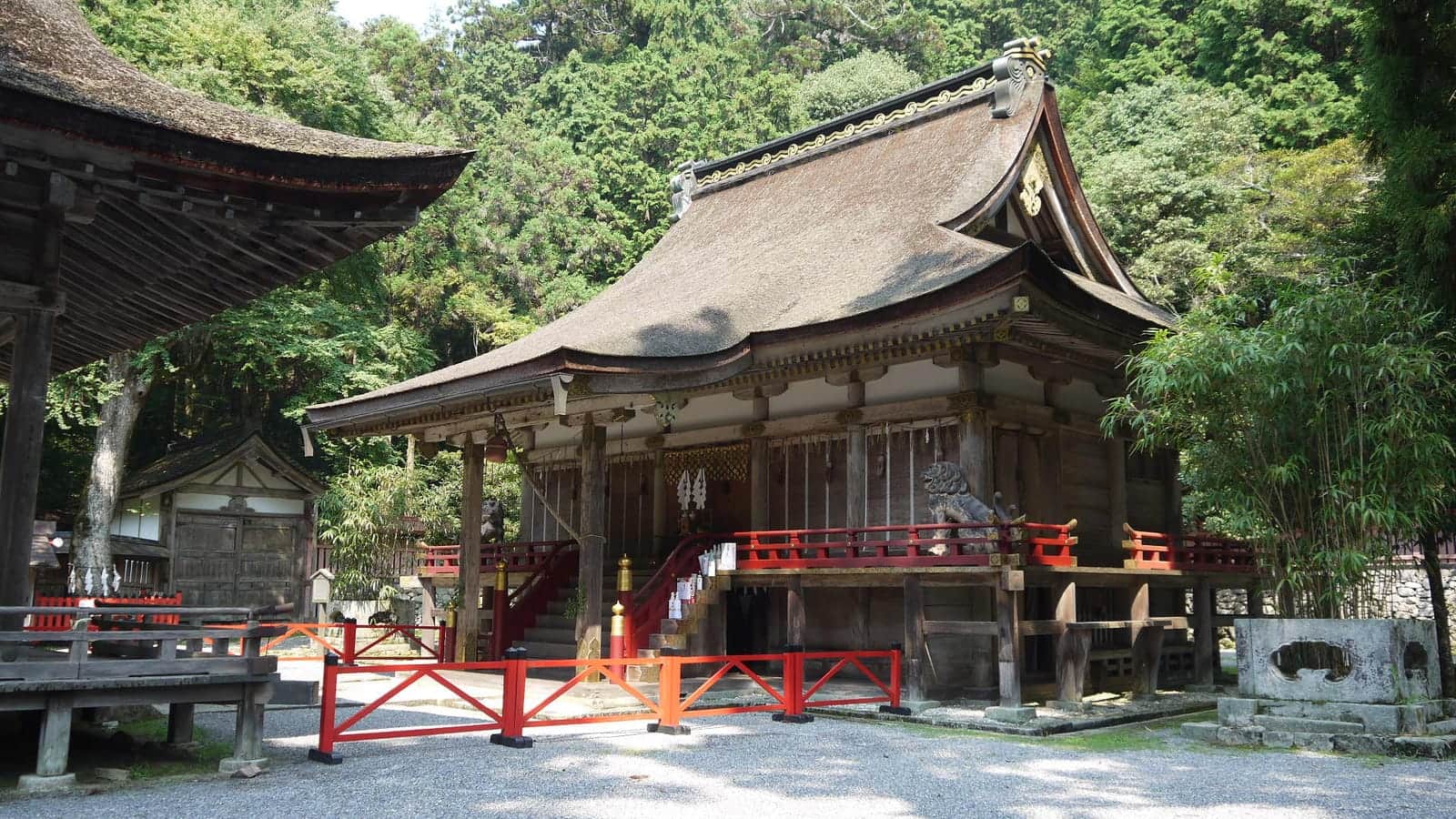
As head temple of the Tendai Shinsei sect, Saikyo-ji oversees more than 450 branch temples across Japan, making it one of the most influential Buddhist centers in the country.
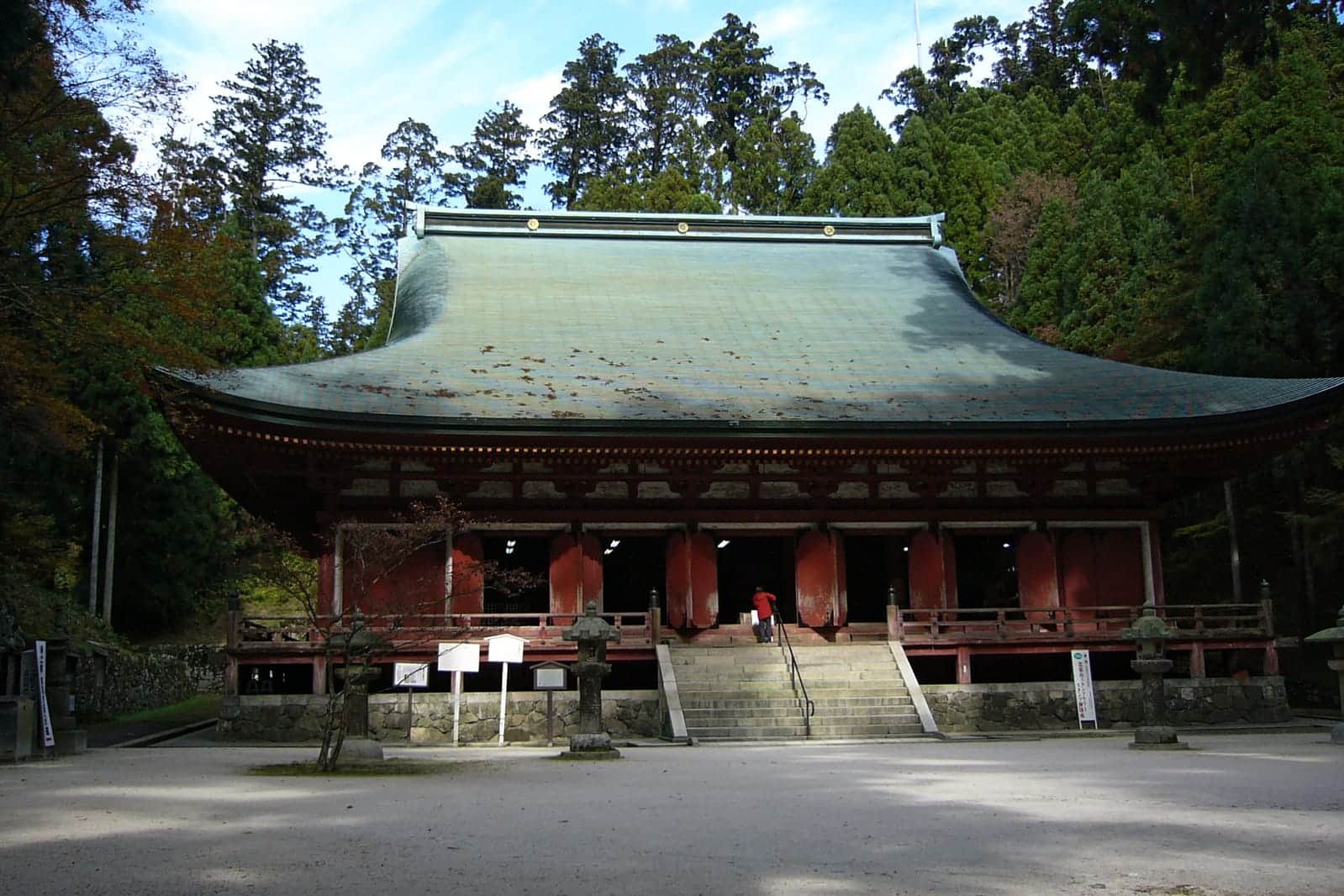
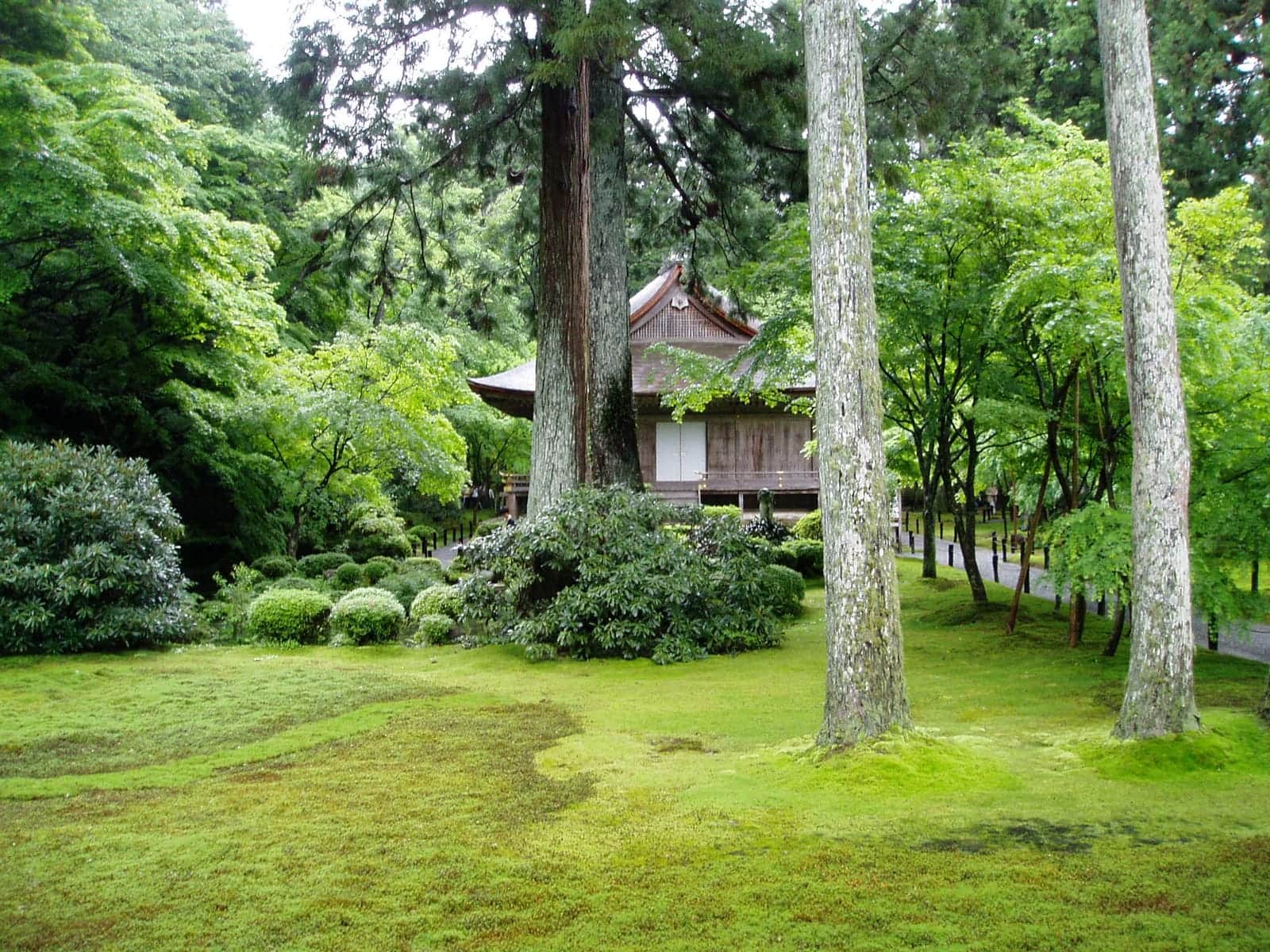
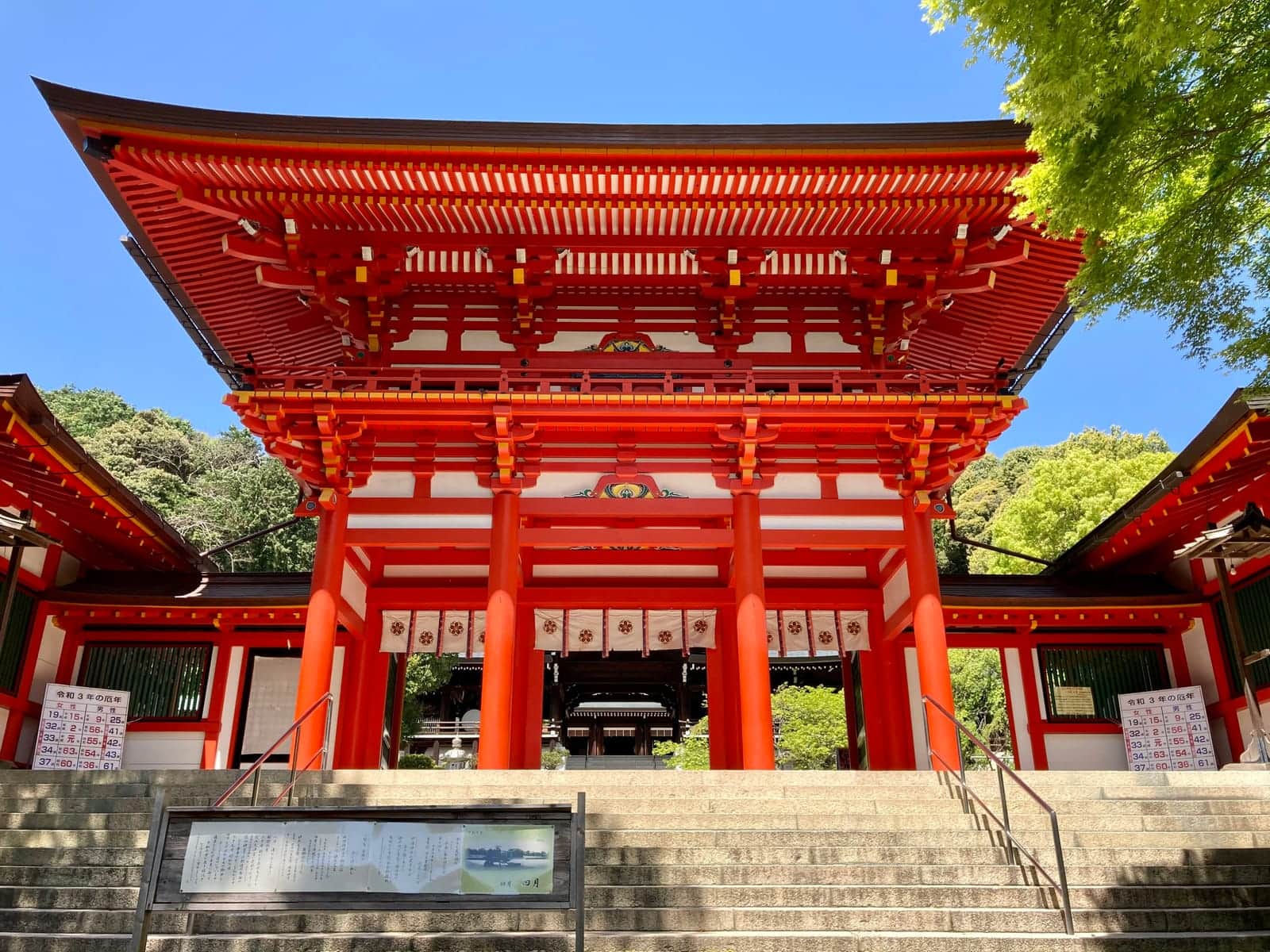
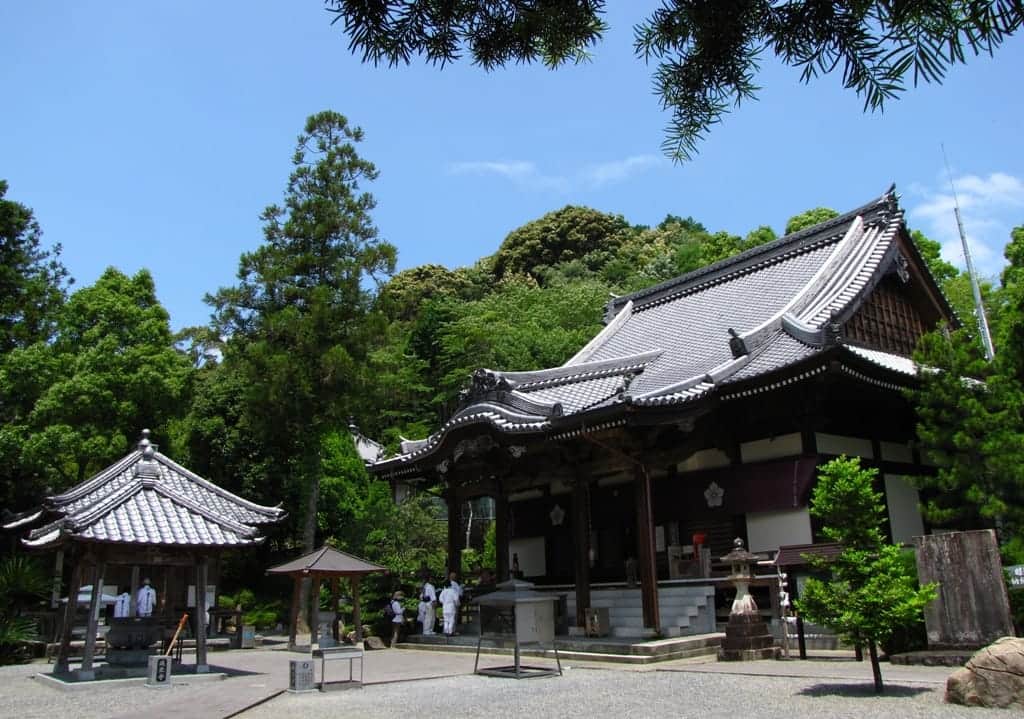
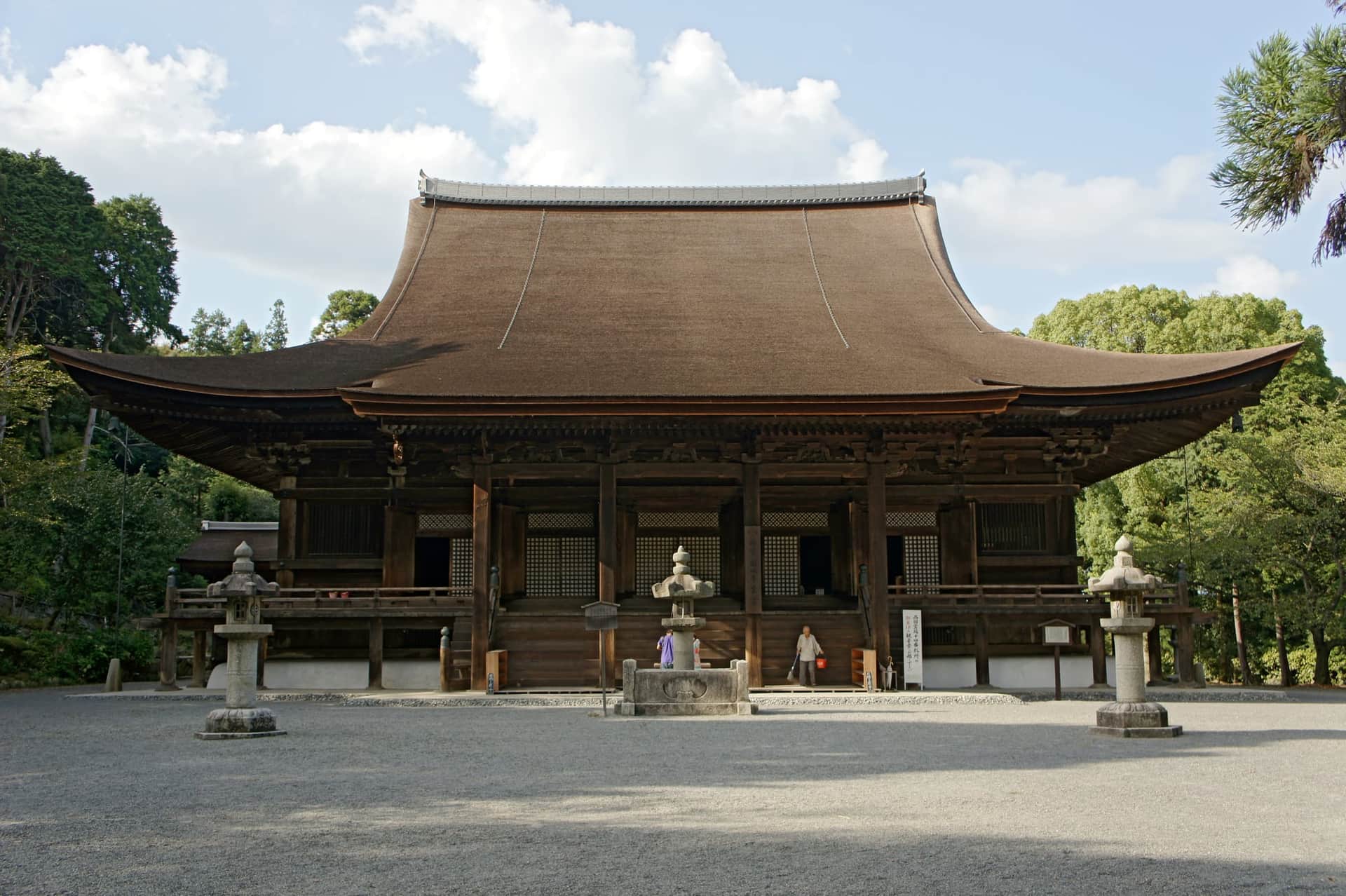
The main hall was constructed entirely from Japanese zelkova wood and features sliding door paintings by the legendary artist Kano Eitoku, plus a garden designed by master landscape architect Kobori Enshu.
This temple offers 1 different goshuin designs
Same as opening hours
Festival
Not confirmed
If arriving by train, note that the walk from either JR Hieizan-Sakamoto Station (30 minutes) or Keihan Sakamoto Station (25 minutes) is quite long.
Plan your visit between 9:00 AM and 4:30 PM, noting that the temple closes relatively early. Arrive by 3:00 PM at the latest to have sufficient time to explore all the structures and gardens before closing.
Look for the sliding door paintings by renowned artist Kano Eitoku and other items associated with Akechi Mitsuhide throughout the temple buildings.
If you are interested in Tendai Buddhism, prioritize Saikyo-ji because it is the head temple of the Tendai Shinsei sect.
Plan extra time to see both the main hall and the Akechi family tomb, as these are specifically highlighted historic features.
Purchase the 500 yen admission ticket to access the interior of all temple structures, including the main hall made entirely of Japanese zelkova and the reception hall relocated from Fushimi-Momoyama Castle.
Allow at least 90 minutes for your visit to fully explore the main hall (important cultural property), the guest hall from former Fushimi Castle, the garden designed by Kobori Enshu, and the Akechi Mitsuhide family tomb on the grounds.
The divine spirits venerated at this sacred place
Otsu, Shiga Prefecture
What this place is believed to grant
1 recent posts
Share how your visit was to help other travelers.
 ZBPro member
Zoë BolandPro shared a goshuin
Saikyo-ji
More ways to continue from this place.
Within 300 m Within 600 m