
Keidai (Precincts)
Architecture境内 ・ Reading: けいだい
Definition
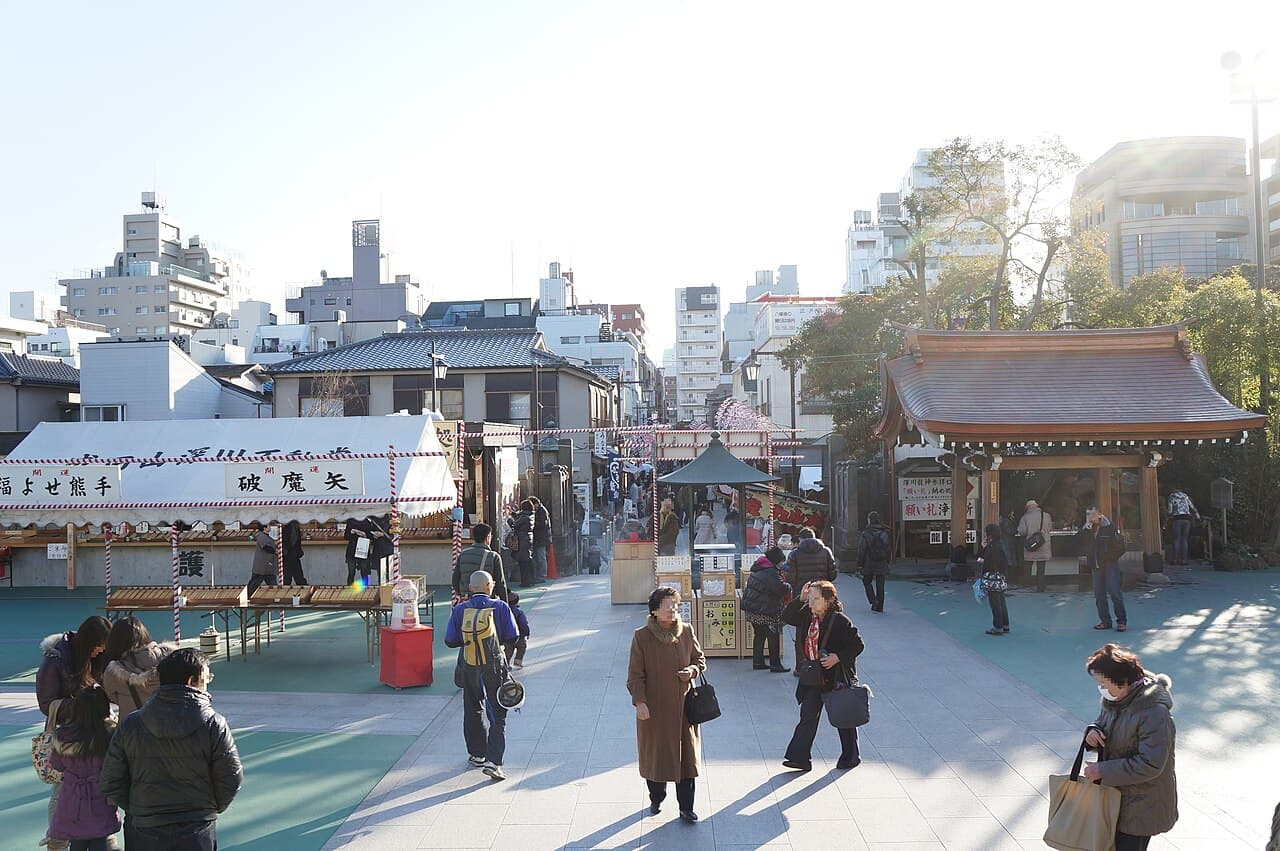
The consecrated grounds of a temple or shrine, taking in its halls, gates, pagodas, and gardens.
What it covers
The keidai is the whole consecrated area that belongs to a temple or shrine, everything inside its boundary rather than any single building. It takes in the main hall, gates, pagodas, subsidiary halls, purification basins, stone lanterns, and often gardens or wooded groves. The word simply means the space "within the bounds," and that boundary is felt as a threshold between ordinary ground and sacred ground. At a shrine you usually enter it by passing under a torii; at a temple you pass through a gate such as a sanmon.
What to notice
Once inside, look at how the grounds are arranged rather than at one structure alone. Paths tend to lead you from the entrance toward the central hall, often past a spot to rinse your hands and mouth before you approach. Larger sites feel like small worlds, with side shrines, ancient trees, and quiet corners tucked behind the main buildings. Keeping your voice low and staying on the paths is the usual courtesy. Do not confuse the keidai with a single named building inside it, the keidai is the setting that holds them all together.
Common questions
- What is the keidai of a temple or shrine?
- Where does the keidai begin?
- Can you take photos inside the keidai?
Photography in the outdoor areas of the keidai is usually allowed, but the interiors of halls and certain sacred spots are often off limits. Always check for posted signs before taking pictures.
Related articles
- Best Goshuin in Kyoto: Practical Area RoutesBuild respectful Kyoto goshuin days by district with Goshuin Atlas place records, access planning, and clear last-minute caveats.
- Best Goshuin in Tokyo: Ten Temple and Shrine StopsPlan respectful Tokyo goshuin routes through Asakusa, Harajuku, Setagaya, Shiba, Kanda, and Bunkyo with official verification guidance.
- Cash, Cards, and Payments at Japanese Shrines and TemplesHow offerings, admission, goshuin, sacred-item counters, parking, and cashless acceptance differ within one visit.
- Digital Goshuincho, Visit Photos and Richer MapsOur first update letter brought together Digital Goshuincho, visit photos, collection milestones, and more useful maps on goshuin.com.
- Golden Week 2026 Shrine and Temple GuideUse the official 2026 holiday calendar to plan shrine, temple, transport, accessibility, and goshuin visits during Golden Week crowds.
- Goshuin Book Guide: Where to Buy and How to Use a GoshuinchoChoose a goshuin book, find where to buy one in Japan, and learn how to present it at temples and shrines, carry loose sheets, and protect fresh ink.
- How to Read Buddhist Temple ArchitectureRead a Japanese Buddhist temple through its gates, main hall, pagoda, study spaces, working buildings, dates, and local plan.
- How to Read Shinto Shrine ArchitectureLearn to read shrine architecture through building roles, roof structure, documented styles, and official case studies from Ise Jingu and Sumiyoshi Taisha.
- How to Visit a Buddhist Temple in JapanFollow Buddhist temple etiquette from the gate through incense, prayer, hall entry, photography, and receiving a goshuin.
- How to Visit a Shinto Shrine in JapanA practical shrine etiquette guide covering torii, temizu, offerings, prayer, goshuin, photography, accessibility, and local exceptions.
- Luggage, Restrooms, and Visitor Facilities at Japan’s Sacred SitesHow to plan storage, toilets, office hours, food, connectivity, and family facilities without assuming every sacred site offers them.
- Photography at Japanese Shrines and Temples: A Respectful GuideHow to photograph sacred sites respectfully, from changing no-photo zones and ceremony privacy to tripods, drones, and sacred objects.
- Planning an Accessible Shrine or Temple Visit in JapanA route-based approach to mobility, toilets, surfaces, staff-assisted access, sensory load, and dignified trip planning.
- Sacred Items at Japan’s ShrinesLearn how ofuda, omamori, ema, and omikuji differ, what visitors do with each one, and why not every sacred object is an offering.
- Seven Lucky Gods Pilgrimages in JapanChoose a local Shichifukujin pilgrimage, verify its season and stops, worship at mixed shrines and temples, and record route seals.
- Shoes, Thresholds, and Sacred Interiors in JapanA practical guide to removing shoes, crossing raised thresholds, using slippers, entering tatami rooms, and protecting historic interiors.
- Shrines and Temples in Japan: How to Tell Them ApartRecognize Shinto shrines and Buddhist temples using names, buildings, worship methods, and local guidance without relying on misleading visual shortcuts.
- Shukubo: How to Plan a Temple Stay in JapanPlan a respectful temple stay in Japan, from choosing a shukubo and understanding meals to joining services and checking current house rules.
- Temizu: Water Purification Before WorshipUse temizu respectfully at Japanese shrines, including ladle, running-water, suspended, and flower-basin arrangements, while following current local instructions.