
Teien (Garden)
Architecture庭園 ・ Reading: ていえん
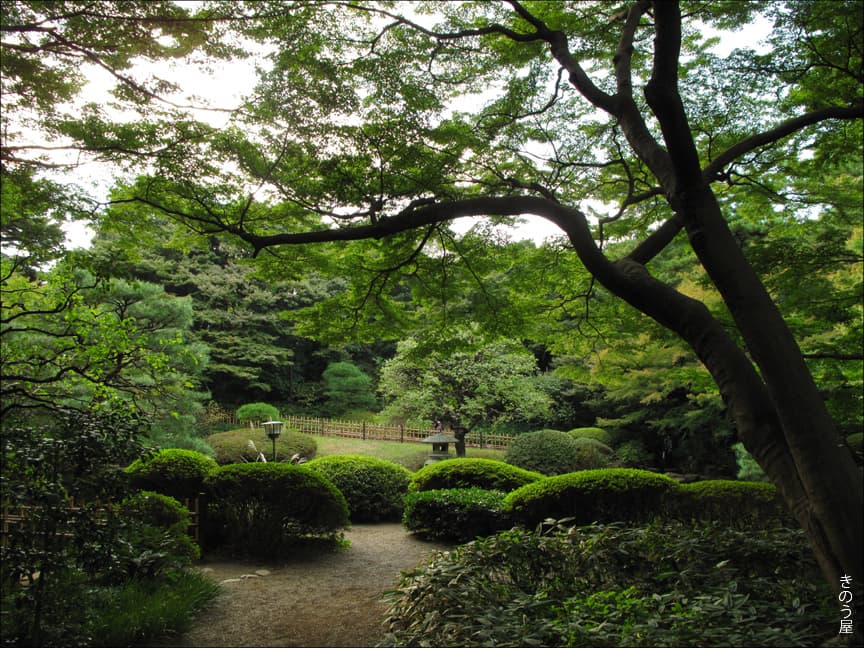
Definition
A designed temple or shrine garden for contemplation, arranging stone, water, and plants to evoke a landscape in miniature.
A teien (庭園) is a garden designed as part of a temple or shrine, laid out so that stone, water, and planting compose a scene meant to be contemplated rather than simply walked through. Rather than displaying flowers for their own sake, most temple gardens aim to condense a larger landscape, mountains, rivers, islands, and the sea, into a small, framed space.
Several broad styles are worth recognising. A pond garden (chisen) is built around water, often with a path circling the pond so the composition changes as you move. A dry landscape garden (karesansui) replaces water with raked gravel and carefully placed stones, and is closely associated with Zen temples. A tea garden (roji) is the modest, mossy path leading to a tea house, designed to slow and settle the visitor before a tea gathering.
When viewing a teien, it helps to find the intended vantage point. Many gardens are composed to be seen from a fixed spot, such as a seated position on a temple veranda, and read almost like a painting from there. Borrowed scenery (shakkei), where a distant mountain or grove beyond the garden is drawn into the composition, is a favourite device and rewards a slow, still look. Etiquette is straightforward: stay on paths and verandas, keep your voice low, and do not step onto moss or raked gravel.
Common questions
- What is a karesansui or dry landscape garden?
A karesansui is a type of Japanese teien, or temple garden, that uses stone and raked gravel to suggest water and mountains, usually with little or no real water. This dry landscape style is closely associated with Zen temples, and the rock garden at Ryoan-ji in Kyoto is one of the most famous examples.
- Do you have to pay to enter a temple garden in Japan?
Many temple and shrine gardens in Japan charge a small separate entry fee, often a few hundred yen, even when the surrounding grounds are free to enter. It is worth carrying coins so you can visit these gardens easily.
- What is the best way to view a Japanese teien?
The best way to view a Japanese teien, or temple garden, is slowly and from where the design intends, often a seated spot on a veranda or in a tea room. Many gardens are composed to look like a painting when you sit still, so lingering rewards you more than walking quickly through.
Related articles
- Best Goshuin in Kyoto: Practical Area RoutesBuild respectful Kyoto goshuin days by district with Goshuin Atlas place records, access planning, and clear last-minute caveats.
- Cash, Cards, and Payments at Japanese Shrines and TemplesHow offerings, admission, goshuin, sacred-item counters, parking, and cashless acceptance differ within one visit.
- Golden Week 2026 Shrine and Temple GuideUse the official 2026 holiday calendar to plan shrine, temple, transport, accessibility, and goshuin visits during Golden Week crowds.
- Goshuin Book Guide: Where to Buy and How to Use a GoshuinchoChoose a goshuin book, find where to buy one in Japan, and learn how to present it at temples and shrines, carry loose sheets, and protect fresh ink.
- How to Read Buddhist Temple ArchitectureRead a Japanese Buddhist temple through its gates, main hall, pagoda, study spaces, working buildings, dates, and local plan.
- Photography at Japanese Shrines and Temples: A Respectful GuideHow to photograph sacred sites respectfully, from changing no-photo zones and ceremony privacy to tripods, drones, and sacred objects.
- Planning an Accessible Shrine or Temple Visit in JapanA route-based approach to mobility, toilets, surfaces, staff-assisted access, sensory load, and dignified trip planning.
- Temizu: Water Purification Before WorshipUse temizu respectfully at Japanese shrines, including ladle, running-water, suspended, and flower-basin arrangements, while following current local instructions.