If you're visiting during the Autumn Grand Festival (late October through November 3), plan to see the traditional martial arts demonstrations and horseback archery (yabusame) performances that are offered during this period.
At a Glance
Every year, more than three million people pass through the same towering wooden gate in the first days of January alone, making this single sacred site the most visited place of worship in all of Japan for the New Year season. That gate, the great torii at the southern entrance to Meiji Jingu, rises from a forested corridor in the heart of Shibuya, Tokyo, and the moment you step beneath it, the city simply disappears.
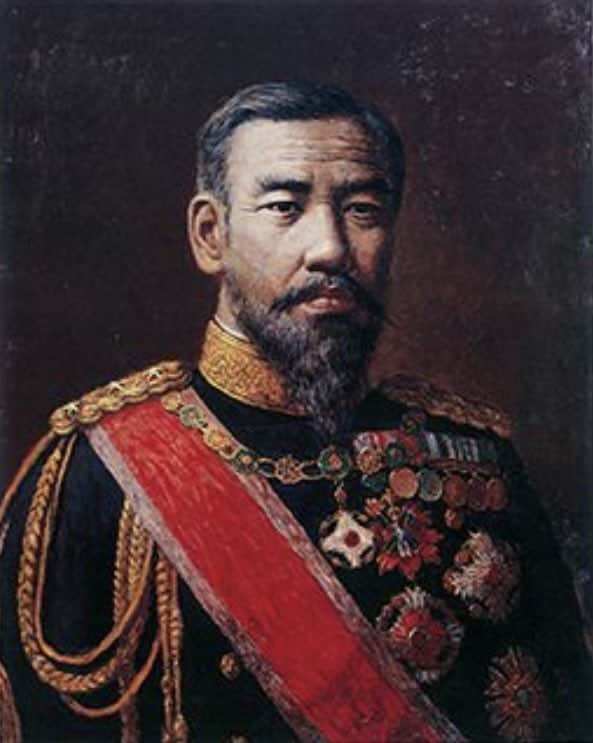
The story of Meiji Jingu begins with a death and a question. When Emperor Meiji died on July 30, 1912, Japan had no clear legal framework for what should follow. He had presided over one of the most dramatic national transformations in modern history, guiding Japan from a feudal, isolated society into an industrialized world power during the Meiji Restoration. Born in 1852, he ascended to the throne in 1867 at the very hinge point of that transformation. By the time he died, Japan had a modern constitution, a parliamentary government, a national railway network, and a military that had defeated both China and Russia. The question his death posed was not merely ceremonial. It was: how does a nation honor a man who remade it?
Within weeks, prominent figures including the industrialist Shibusawa Eiichi and Tokyo Mayor Sakatani Yoshiro had formed a committee and published a formal memorandum outlining a vision: a shrine with an inner precinct funded by the state and an outer precinct funded by public donation. The site they identified was the Yoyogi Imperial Estate, a 73-hectare tract in western Tokyo that had previously served as the private residence of the Kato clan of Higo domain in the early Edo period, then as the lower estate of the Ii clan of Hikone domain from 1640, before being purchased by the Meiji government in 1874.
The Imperial Diet formally approved the project, and on May 1, 1915, the creation of Meiji Jingu was officially announced. Construction began under the architect Ito Chuta in the traditional nagare-zukuri style, using primarily Japanese cypress and copper. The main structural timbers came from Kiso in Nagano Prefecture and from Alishan in Taiwan, then a Japanese territory, with materials drawn from every prefecture of the empire, including Karafuto, Korea, and Kwantung. The construction was a genuinely national undertaking: youth groups and civic associations from across Japan contributed labor and funding, and 100,000 trees were donated by citizens from every region of the country and planted beginning in 1916.
The shrine was formally dedicated on November 3, 1920, the birthday of Emperor Meiji, and its grounds were fully completed by 1926. The original interior volume of the shrine complex was 650 tsubo. The total estimated construction cost was 5,219,000 yen in 1920 terms, roughly equivalent to 26 million US dollars today, though this figure represented only about a quarter of the actual value because so much material and labor was donated. Until 1946, Meiji Jingu held the designation of Kanpei-taisha, placing it in the first rank of government-supported shrines.
The original buildings did not survive. The Tokyo air raids of World War II destroyed the shrine complex entirely. What stands today was rebuilt through a nationwide public fundraising effort and completed in October 1958, faithful to the original design and spirit.
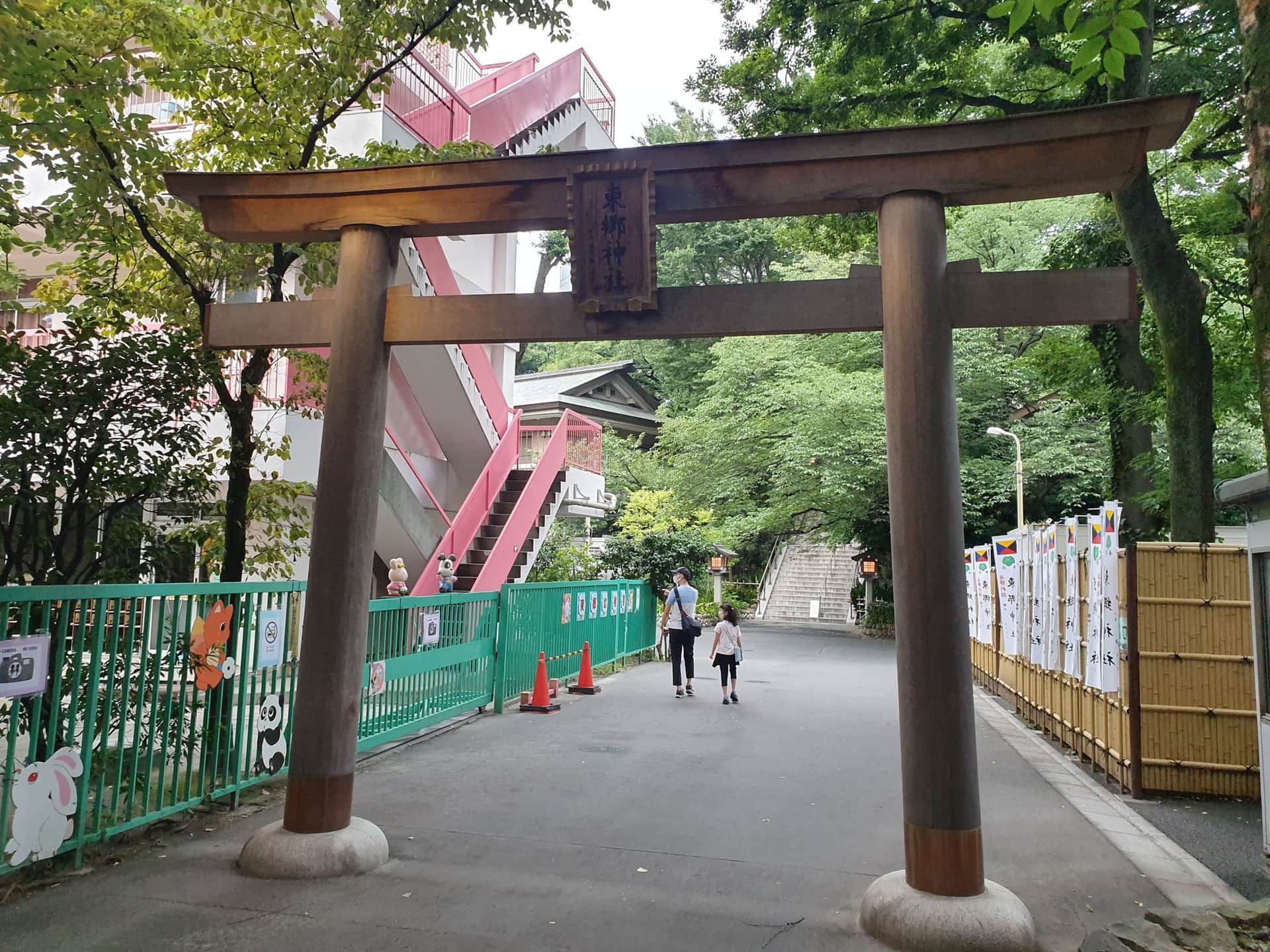
The approach to the shrine from the southern entrance near Harajuku Station sets the tone for everything that follows. You walk for roughly ten minutes along a broad gravel path flanked by the forest, passing beneath a succession of torii gates, the largest of which is among the most impressive wooden torii in Japan. The path itself is a form of architecture, a deliberate transition designed to separate the visitor from ordinary time and space.
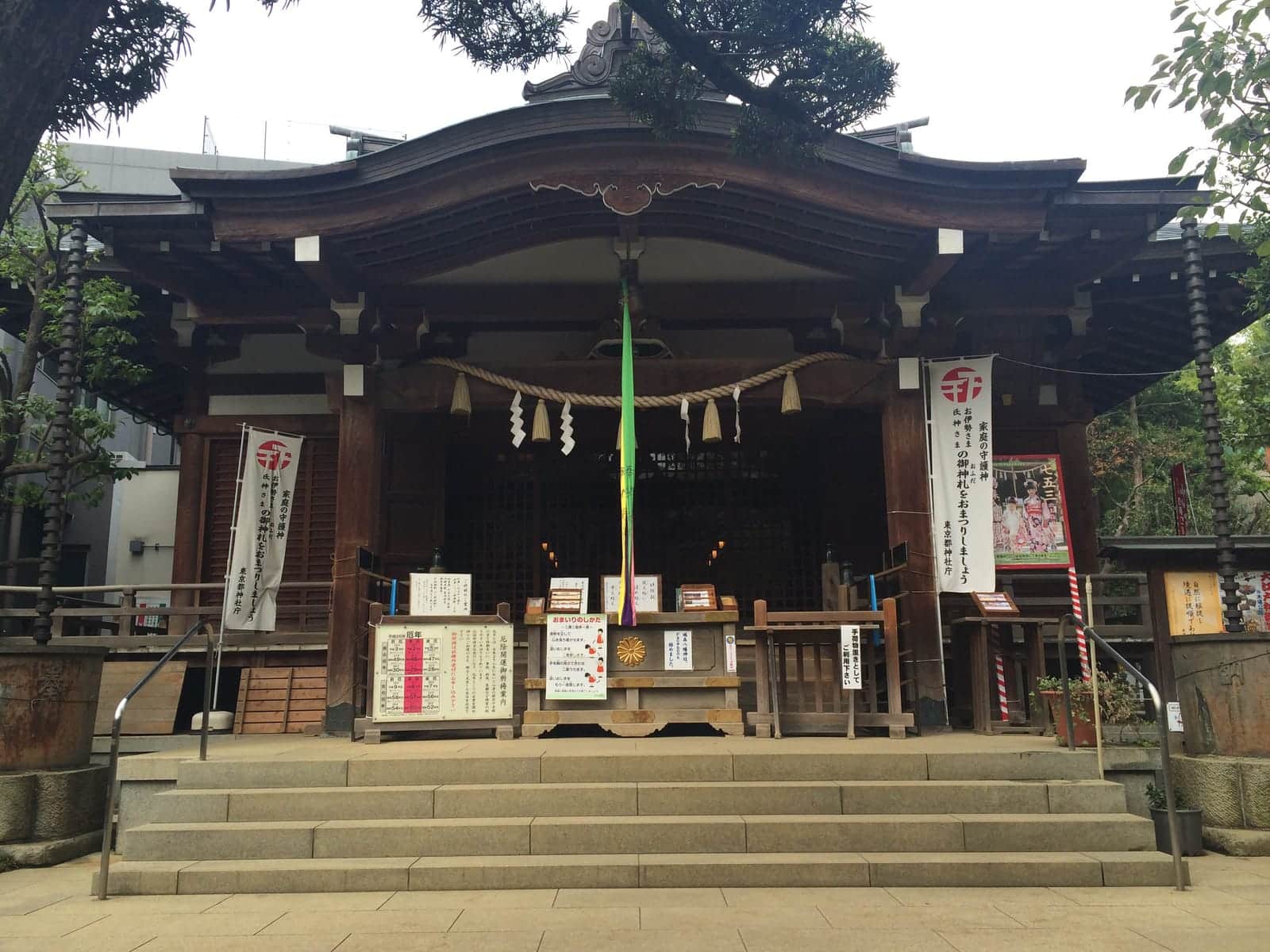
The main shrine buildings occupy the center of the inner precinct and are built in the nagare-zukuri style, characterized by an asymmetrical roof that extends forward over the front steps, creating a sheltered approach to the sanctuary. The use of Japanese cypress throughout gives the structures a warm, resinous quality, and the copper roofing has aged to a deep verdigris that reads as almost organic against the surrounding forest. The Kaguraden, the hall used for ritual music and dance as well as for ceremonies including yakuyoke (protection from misfortune) and Shichi-Go-San (the children's rite of passage), stands within the precinct alongside the main sanctuary.
The Meiji Jingu Museum, opened in 2019 and designed by the celebrated architect Kuma Kengo, occupies the southern section of the inner precinct. Kuma's design is characteristically restrained, using natural materials and a low profile that allows the building to settle into the landscape rather than compete with it. Inside, the museum holds personal belongings of the Emperor and Empress, imperial documents, and the actual horse-drawn carriage that Emperor Meiji rode to the formal promulgation of the Meiji Constitution in 1889. The museum is open daily except Thursdays, from 10:00 to 16:30, with admission at 1,000 yen.
The Shiseikan, the shrine's martial arts training hall, and the Meiji Jingu International Shinto Culture Research Institute also occupy the precinct, reflecting the shrine's role not merely as a place of worship but as a living center of Japanese cultural practice and scholarship.
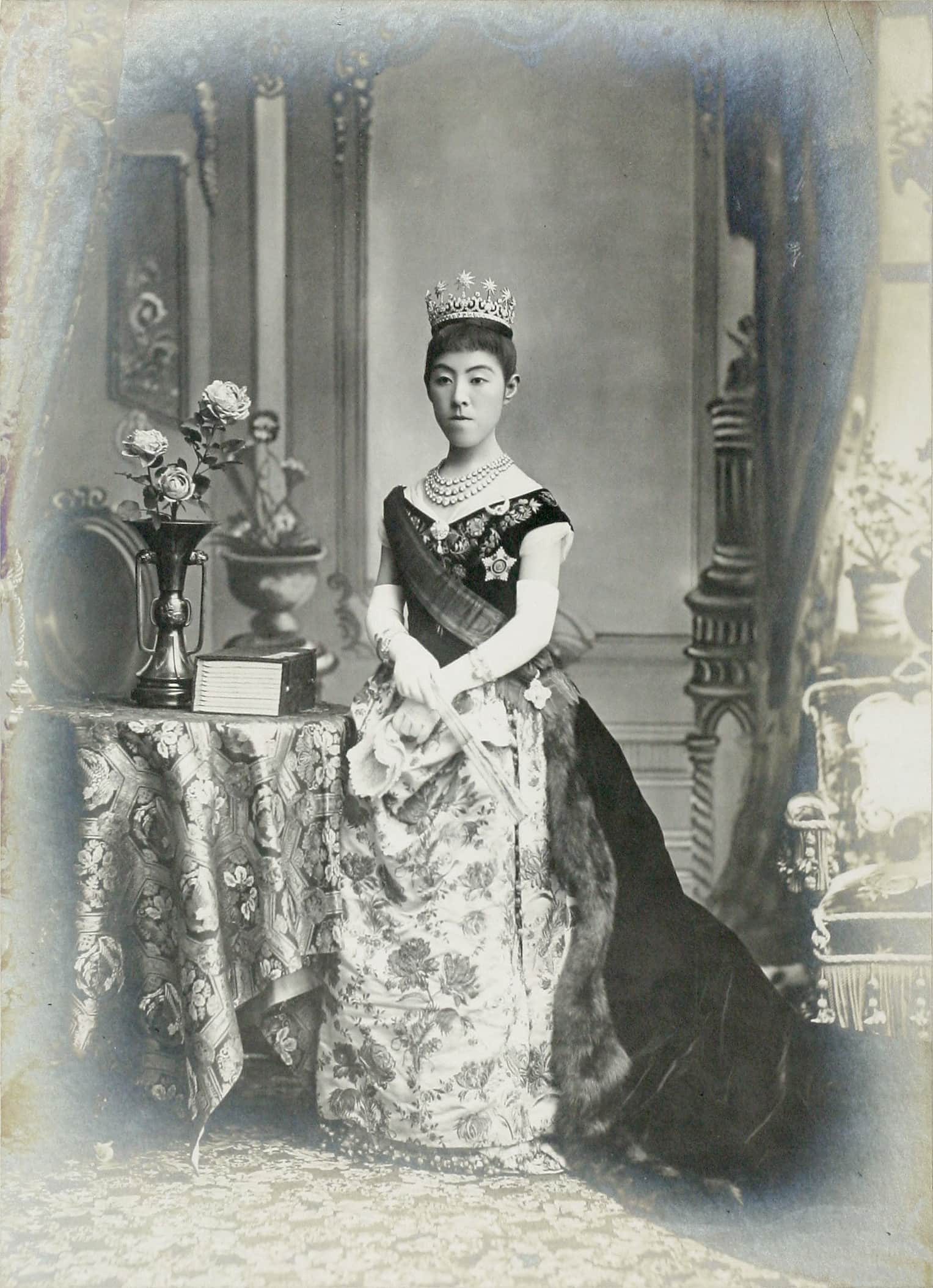
Meiji Jingu enshrines two deities: Emperor Meiji (the 122nd Emperor of Japan) and his consort, Empress Shoken. The decision to enshrine both was not original to the plan. Initially, only the Emperor was to be enshrined, and there was even discussion of including subjects who had made exceptional contributions to the Meiji Restoration. Empress Shoken, who died in 1914, was added to the plan after her death, and the shrine became a dual dedication.
The name itself was carefully chosen. Because the shrine honors an emperor, the designation "Jingu" (神宮) was applied, a title reserved for shrines of the highest imperial significance. Alternative names were considered, including "Tokyo Jingu" following the precedent of Kashihara Jingu (dedicated to Emperor Jimmu) and Heian Jingu (dedicated to Emperor Kanmu). The era name "Meiji" was ultimately incorporated to honor both the man and the transformative age he represented.
The shrine's unique omikuji, called Oomikokoro (大御心, "the great heart of the deity"), reflects this dual dedication in a distinctive way. Unlike conventional omikuji, which function as fortune-telling slips, the Oomikokoro presents 30 poems: 15 composed by Emperor Meiji and 15 by Empress Shoken, each accompanied by explanatory commentary. The practice is not about predicting the future but about receiving the wisdom and spirit of the enshrined deities directly.
The annual hatsumode (first shrine visit of the New Year) draws more visitors to Meiji Jingu than to any other shrine or temple in Japan, consistently exceeding three million people in the first three days of January. Traditional Shinto weddings take place here throughout the year, and the Autumn Grand Festival on November 3, the Emperor's birthday, remains the most important annual ritual event. The shrine also hosts the Yokozuna Promotion Letter Presentation Ceremony, where newly promoted sumo grand champions receive formal recognition, connecting the world of sumo to its deep Shinto roots.
The forest of Meiji Jingu is not ancient. It was engineered. When the shrine was built, the site was largely open land, and the decision was made to create a self-sustaining evergreen forest from scratch. 120,000 trees of 365 different species were planted, all donated by citizens from across Japan. The planners, working with ecologists of the era, designed the forest to evolve naturally over centuries, transitioning from the originally planted species toward a climax forest of chinquapin, oak, and other broadleaf evergreens that would require no human maintenance. A century later, that vision has largely succeeded. The forest feels ancient even though it is not, and it functions as one of the most significant urban green spaces in Asia, covering 70 hectares in the middle of one of the world's most densely built cities.
Within the inner precinct, the Inner Garden (Naien) occupies a large section of the southern grounds and requires a separate admission fee of 500 yen. The garden is particularly celebrated in mid-June, when its iris beds reach full bloom, a reference to the fact that Emperor Meiji and Empress Shoken were known to visit this area specifically for the irises. A small well within the garden, Kiyomasa's Well, is named after the military commander Kato Kiyomasa, who is said to have dug it approximately 400 years ago. The well was visited by the Emperor himself and has since acquired a reputation as a spiritual "power spot," drawing visitors who believe the site carries an unusual concentration of natural energy.
Meiji Jingu is open every day of the year, free of charge, with gates opening at sunrise and closing at sunset. The hours shift monthly to follow the natural light: in January, the gates open at 6:40 am and close at 4:20 pm; in June, they open at 5:00 am and close at 6:30 pm. The main approach begins just steps from Harajuku Station on the JR Yamanote Line, or from Meiji-jingu-mae Station on the Chiyoda and Fukutoshin subway lines.
The Gaien, the outer precinct, extends well beyond the forested inner grounds and includes the Meiji Memorial Picture Gallery, which houses 80 large murals depicting events from the lives of the Emperor and Empress. The Gaien also encompasses the Meiji Kinenkan (Meiji Memorial Hall), originally used for governmental meetings including discussions surrounding the drafting of the Meiji Constitution in the late 19th century, and now used for Shinto weddings and events. Various sports facilities, including the Meiji Jingu Gaien Stadium, are also part of this outer complex.
Visitors to the inner precinct can participate in the full range of Shinto practices: making offerings at the main hall, purchasing omamori (protective charms), writing wishes on ema (wooden votive plaques), and drawing the distinctive Oomikokoro omikuji. The Meiji Jingu Supporters' Association (崇敬会) provides a formal structure for those who wish to maintain an ongoing relationship with the shrine beyond a single visit.
What makes Meiji Jingu genuinely unusual among major urban shrines is the quality of the silence it offers. Ten minutes from one of the busiest train stations in the world, surrounded by a forest that took a century to mature, the shrine manages to feel genuinely removed from the city that surrounds it. That combination, of deliberate historical construction, ecological vision, and spiritual purpose, is what has made this place the center of Japanese public religious life for more than a hundred years.
Unlike typical fortune-telling omikuji, Meiji Jingu's unique Oomikokoro presents 30 poems (15 by Emperor Meiji, 15 by Empress Shoken) with no fortune predictions, meant to transmit the deities' wisdom directly to visitors.
When the shrine opened on November 1, 1920, over 500,000 people showed up to pray, causing such chaos that 38 people were injured in the crush and authorities had to stop handing out protective charms.
This shrine offers 2 different goshuin designs
Limited edition
¥1,500
Regular
If you're visiting during the Autumn Grand Festival (late October through November 3), plan to see the traditional martial arts demonstrations and horseback archery (yabusame) performances that are offered during this period.
Visit on a weekday morning right after opening (times vary seasonally, but typically between 5-6:40 am depending on the month) to experience the forest in near-solitude before tour groups arrive.
Wear comfortable walking shoes. From Harajuku Station to the shrine buildings is about a 10-minute gravel walk, and the full grounds take more time through the forest. Paths are uneven, so watch your footing.
Instead of drawing a standard omikuji, ask for the Oomikokoro (大御心), which is unique to this shrine and consists of poems written by Emperor Meiji or Empress Shoken with explanatory commentary rather than fortune-telling predictions.
Pay the 500 yen admission to enter the Inner Garden (Naien) if you visit between mid-May and mid-June to see the iris flowers at their peak, or in late November to early December for autumn foliage.
The divine spirits venerated at this sacred place
15 structures on the grounds
Practical answers for planning this specific visit.
If you are just visiting the shrine itself, you will need around 1 hour. If you intend to visit the Inner Garden and the Meiji Jingu Museum, it will likely take around 2 hours.
There is nowhere to store suitcases inside the Meiji Jingu grounds.
Eating and drinking is only allowed in the designated areas. Please refrain from eating and drinking anywhere else on the grounds.
The restaurants and gift shop take credit cards. The amulet office, the Kaguraden, and the Goshuin counter do not.
Yes. Wi-Fi is available in the restaurants and gift shops.
Please call 03-3379-5511 (Japanese only). You are also recommended to ask at any nearby police box.
Please park your bicycle in the bicycle lot by the entrance to the shrine grounds before entering.
Yes, you can. However, photography is prohibited in front of the main shrine where people are praying. Please also refrain from taking photos of the amulet office.
Meiji Jingu is worth visiting in each of the four seasons and at any time of year. It has a lush natural setting, and there are various rituals and events throughout the year.
Yes, you can. Please feel Shinto in this sacred place.
Shibuya, Tokyo Prefecture
Not confirmed
Typical Crowds
Bustling
Visit Duration
90+ minutes
More ways to continue from this place.
What this place is believed to grant
60 recent posts
4.7
10 reviews
Plan your visit around the calendar. The first days of January draw over three million people for hatsumode, so if you want space to actually look around, come any other time of year.
The temple grounds reward a slow walk, so give yourself more time than you think you need. Weekday mornings tend to be calmer than weekends regardless of season.
Wear comfortable shoes, as the paths cover a fair amount of ground. Check local transit options before you go, since parking near major temples fills quickly on busy days.
Anna Rémond shared a goshuin
r5rfbdwstj shared a goshuin
Denise Katritschenko checked in
Meiji Jingu
Shibuya, Tokyo
Within 300 m Within 600 m
Timetable data: Public Transportation Open Data Center