
Homotsuden
Architecture宝物殿 ・ Reading: ほうもつでん
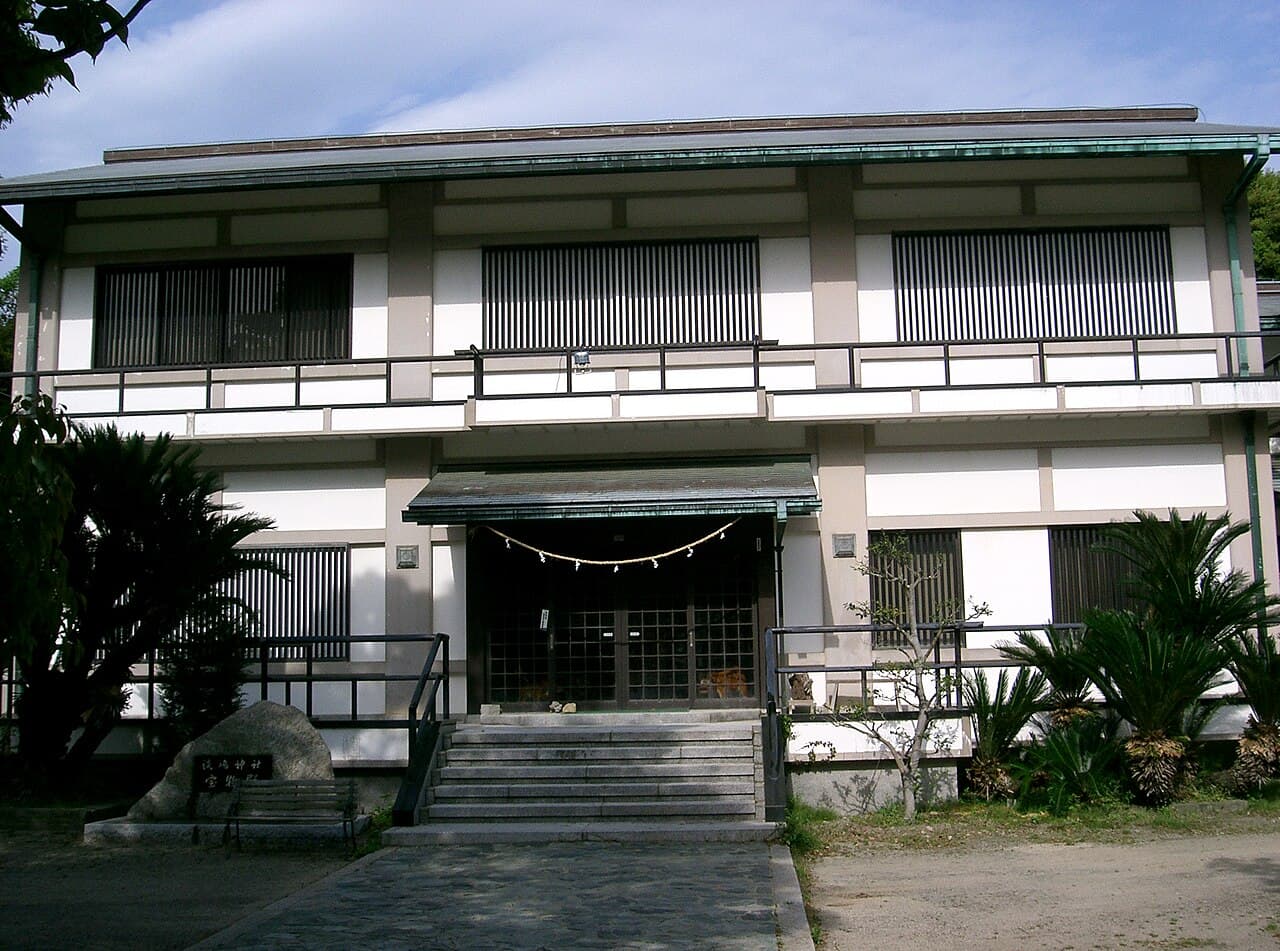
Definition
A treasure hall where a temple or shrine keeps and sometimes displays its most valuable objects — statues, paintings, ritual implements, and documents. Many double as small museums open to visitors.
What it holds
A homotsuden is the treasure hall of a temple or shrine, where its most precious objects are kept safe and, at many sites, put on display. Inside you might find old Buddhist statues, painted scrolls and folding screens, ritual bronzes and lacquerware, swords, masks, and historical documents. Because these objects are fragile and sometimes centuries old, the building is often built to resist fire and to control temperature and humidity, rather than being the open wooden hall you see elsewhere on the grounds.
The name simply means "treasure hall", so you will see it written on signs at temples and shrines alike. A related word, homotsukan (宝物館), is used when the collection is large enough to be run more like a proper museum. In practice the two overlap, and the difference is mostly one of scale.
Visiting one
Many a homotsuden works like a small museum, so there is usually a separate admission fee even at a site that is otherwise free to enter, often only a few hundred yen. Some open only on certain days or during special exhibitions, and a few reveal their greatest treasures just once a year. It is worth checking the opening days and hours before you go. Photography is frequently not allowed inside, partly to protect fragile and light-sensitive objects, so look for the signs and follow the staff's guidance.
What to expect
Do not expect a grand hall. A homotsuden is about what is inside, not the architecture, and the displays are often quiet and understated, sometimes with only brief labels. If you enjoy Buddhist art, old craftsmanship, or a temple's written history, it can be the most rewarding stop of your visit. Look closely at the age and condition of each piece, since many are designated cultural properties that are rarely shown elsewhere.
Common questions
- What is a homotsuden at a Japanese temple or shrine?
A homotsuden is a treasure hall where a temple or shrine keeps and often displays its most valuable objects, such as old Buddhist statues, paintings, ritual implements, swords, and historical documents. Many function as a small museum that visitors can enter, and the name simply means "treasure hall".
- Do you have to pay to enter a homotsuden?
Yes, a homotsuden usually charges a separate admission fee, often only a few hundred yen, even at a temple or shrine that is otherwise free to enter. Some also open only on certain days or during special exhibitions, so it is worth checking the opening days and hours in advance.
- Can you take photos inside a homotsuden?
Photography inside a homotsuden is frequently not allowed, because the objects are fragile, light-sensitive, and often designated cultural properties. Look for the signs at the entrance and follow the staff's guidance.
Related articles
- Cash, Cards, and Payments at Japanese Shrines and TemplesHow offerings, admission, goshuin, sacred-item counters, parking, and cashless acceptance differ within one visit.
- Photography at Japanese Shrines and Temples: A Respectful GuideHow to photograph sacred sites respectfully, from changing no-photo zones and ceremony privacy to tripods, drones, and sacred objects.
- Planning an Accessible Shrine or Temple Visit in JapanA route-based approach to mobility, toilets, surfaces, staff-assisted access, sensory load, and dignified trip planning.