
Mon (Gate)
Architecture門 ・ Reading: もん
Definition
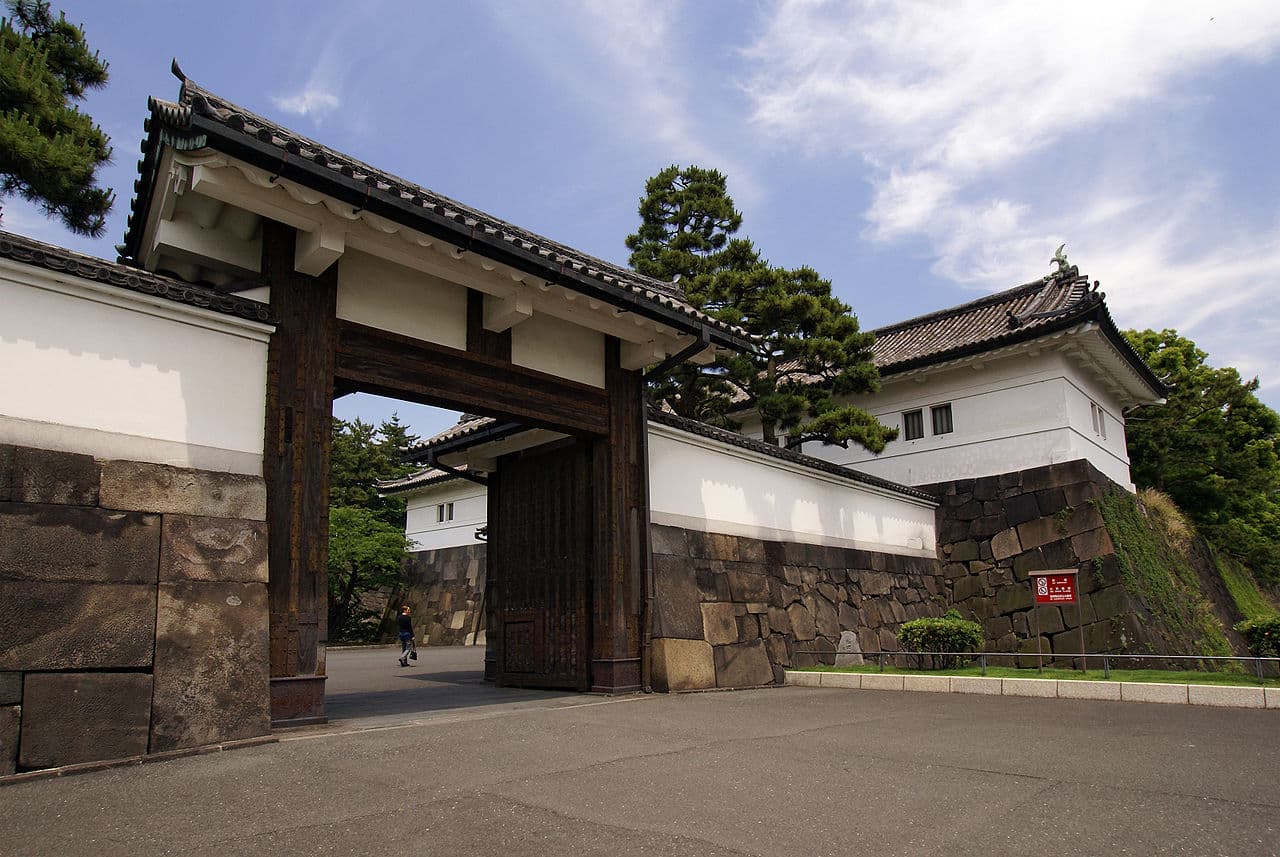
Mon is the general Japanese word for a gate and, at Buddhist temples, often names an architectural threshold within the precinct rather than one single gate style.
A family of gates
Mon is a broad architectural term, not a promise that every gate has the same form. A temple precinct may include a large outer gate, a guarded niomon, a Zen sanmon, or smaller gates separating inner areas. Names describe form, position, function, or tradition, so identify the label used by the temple instead of assigning a type from appearance alone.
What to observe
Look at the roof, number of openings, upper storey, brackets, plaques, and guardian figures. Koyasan's official precinct guide, for example, distinguishes Daimon and Chumon as separate structures with their own histories and roles. A torii is a different form associated especially with Shinto approaches, but mixed sacred landscapes mean a single visual clue should not replace the site's own identification.
Passing through
Treat a gate as part of an active religious site: do not block the passage, touch guardian images, or assume that every closed gate may be entered. Follow signs and the flow established locally.
Common questions
- Does mon name one specific gate design?
No. It is a broad word for a gate; names such as sanmon, niomon, and daimon identify more particular forms, positions, or functions.
- Is every temple gate a sanmon?
- How can I identify a gate correctly?
Use the temple's plaque, map, or official guide, then compare architectural features rather than relying on one visual rule.