
Nio Gate
Architecture仁王門 ・ Reading: におうもん
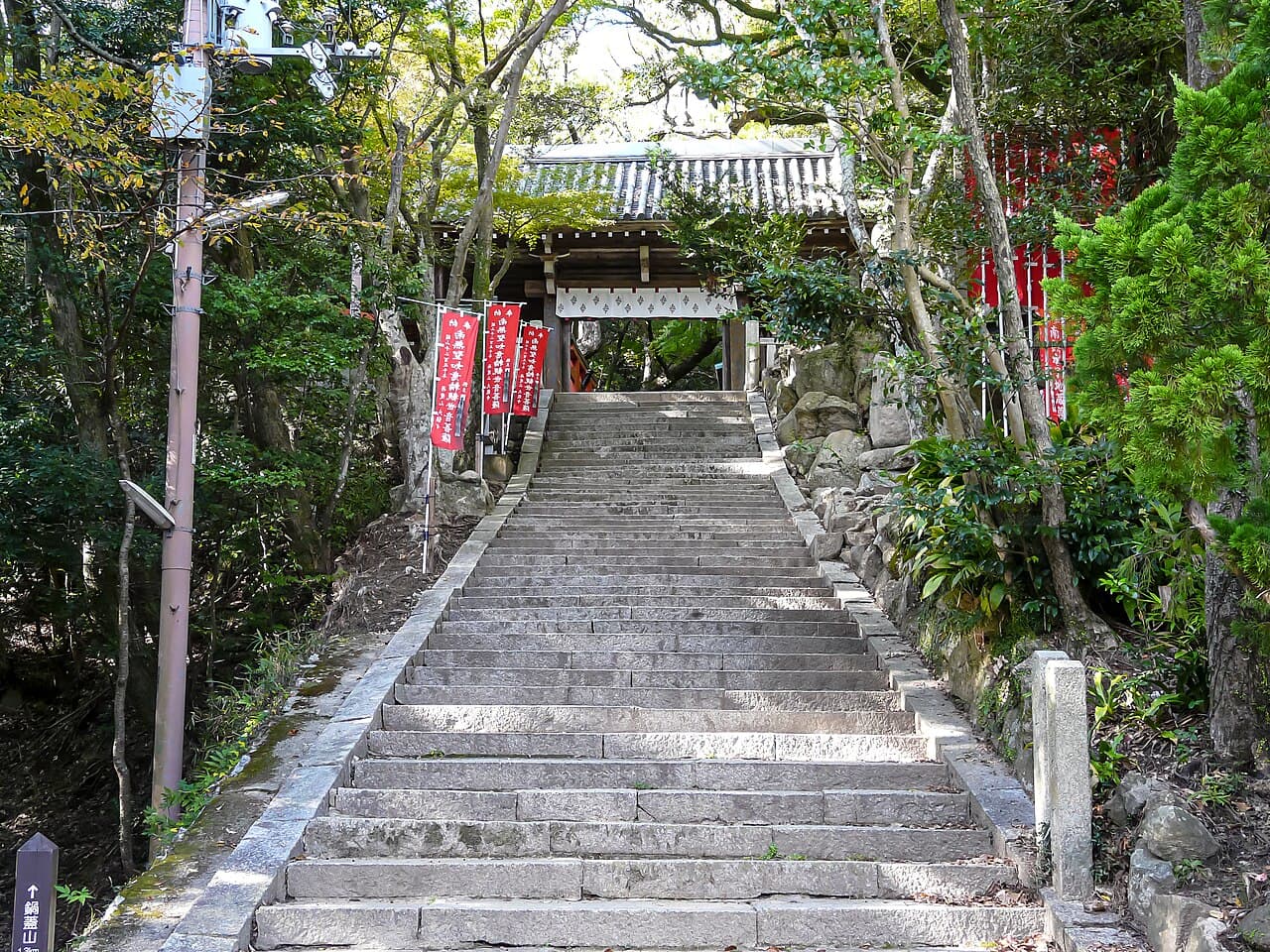
Definition
A temple gate flanked by a pair of muscular Nio guardians (Kongorikishi) who repel evil from the sacred precinct.
What you are walking through
A Niō gate is a temple gate named after the two towering guardian figures set into alcoves on either side of the passage. These are the Niō, also called Kongōrikishi), muscular protectors whose role is to keep anything harmful from entering the sacred grounds. Such gates often stand at the main approach to a Buddhist temple, so passing between the guardians marks the moment you cross from the everyday world into the temple precinct.
What to look for
Study the two guardians and you will notice they are not identical. One holds his mouth open to form the sound "a", the other closes his mouth to form "un". Together these are the first and last sounds a mouth can make, a pairing (a-un, 阿吽) that stands for the beginning and end of all things. Their fierce expressions and clenched muscles are meant to frighten off evil rather than to threaten you. Many Niō gates are substantial two-storey structures, and you may see large straw sandals (waraji) hung nearby, left as offerings in the hope of strong legs for the journey ahead.
Telling it apart from other gates
The defining feature of a Niō gate is the pair of Niō, so it is really a description of what the gate houses rather than its architectural form. A temple's principal gate may also be called a sanmon (山門), a term that refers to the main gate itself; confusingly, some sanmon do contain Niō and some do not, so look for the guardians rather than relying on the name. If instead of a roofed gate you see a torii, a simpler open frame, you have arrived at a Shintō shrine rather than a Buddhist temple.
Common questions
- What is a Niō gate at a Japanese temple?
A Niō gate (仁王門) is a Buddhist temple gate named after the pair of muscular Niō guardians, also called Kongōrikishi, that stand in alcoves on either side of the passage to keep evil out of the sacred precinct. It often marks the main approach to the temple.
- Why does one Niō statue have its mouth open and the other closed?
The two Niō guardians in a Niō gate form the sounds "a" and "un", the first and last sounds a mouth can make. Together this pairing, known as a-un (阿吽), symbolises the beginning and end of all things, and the open-mouthed and closed-mouthed pair is a common feature to look for at temple gates.
- What is the difference between a Niō gate and a sanmon?
A Niō gate is defined by the pair of Niō guardian statues that flank its passage, so the name describes what the gate houses. A sanmon (山門) is the term for a temple's main gate itself; some sanmon contain Niō and some do not, so the surest way to identify a Niō gate is to look for the two fierce muscular guardians.