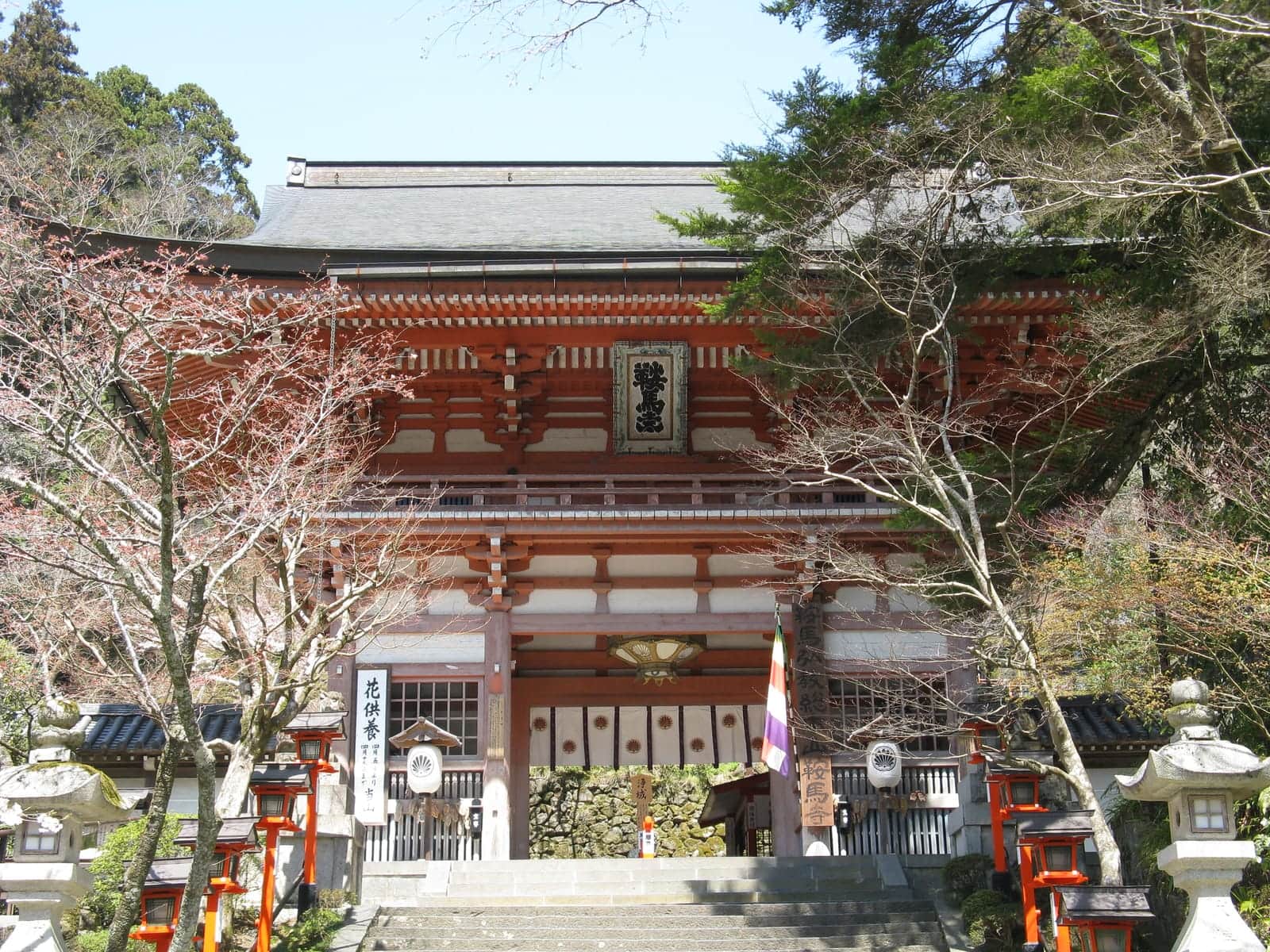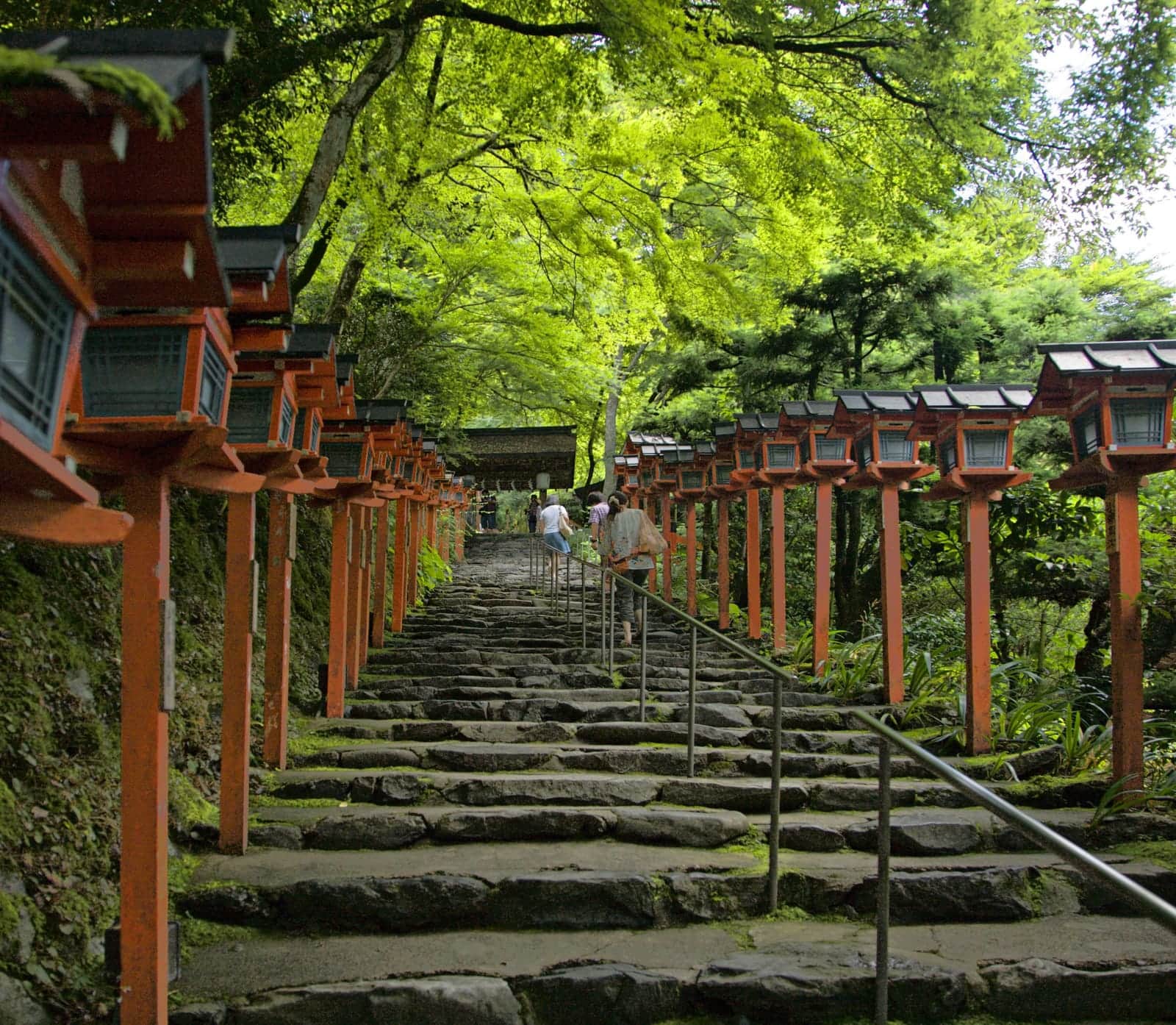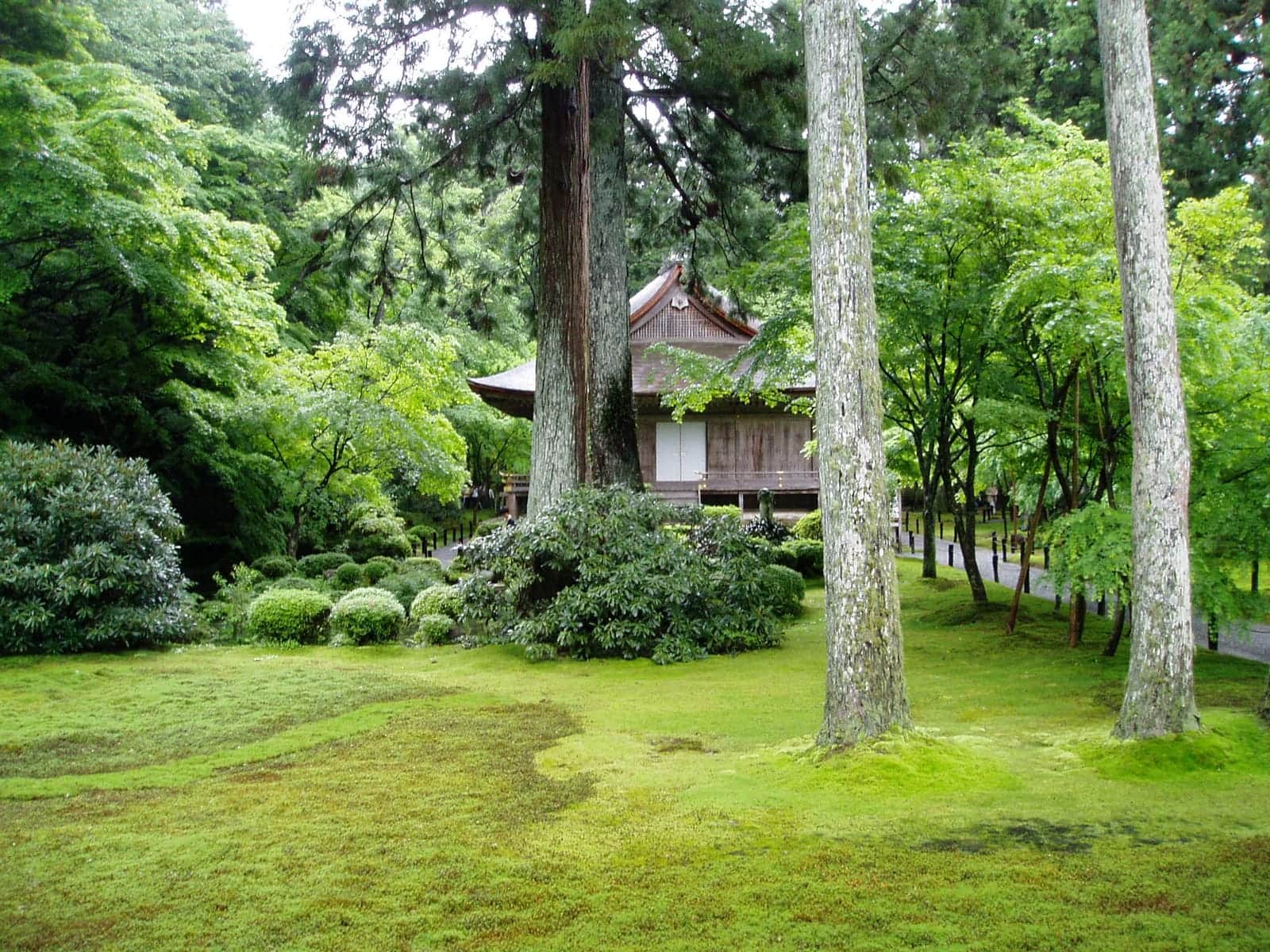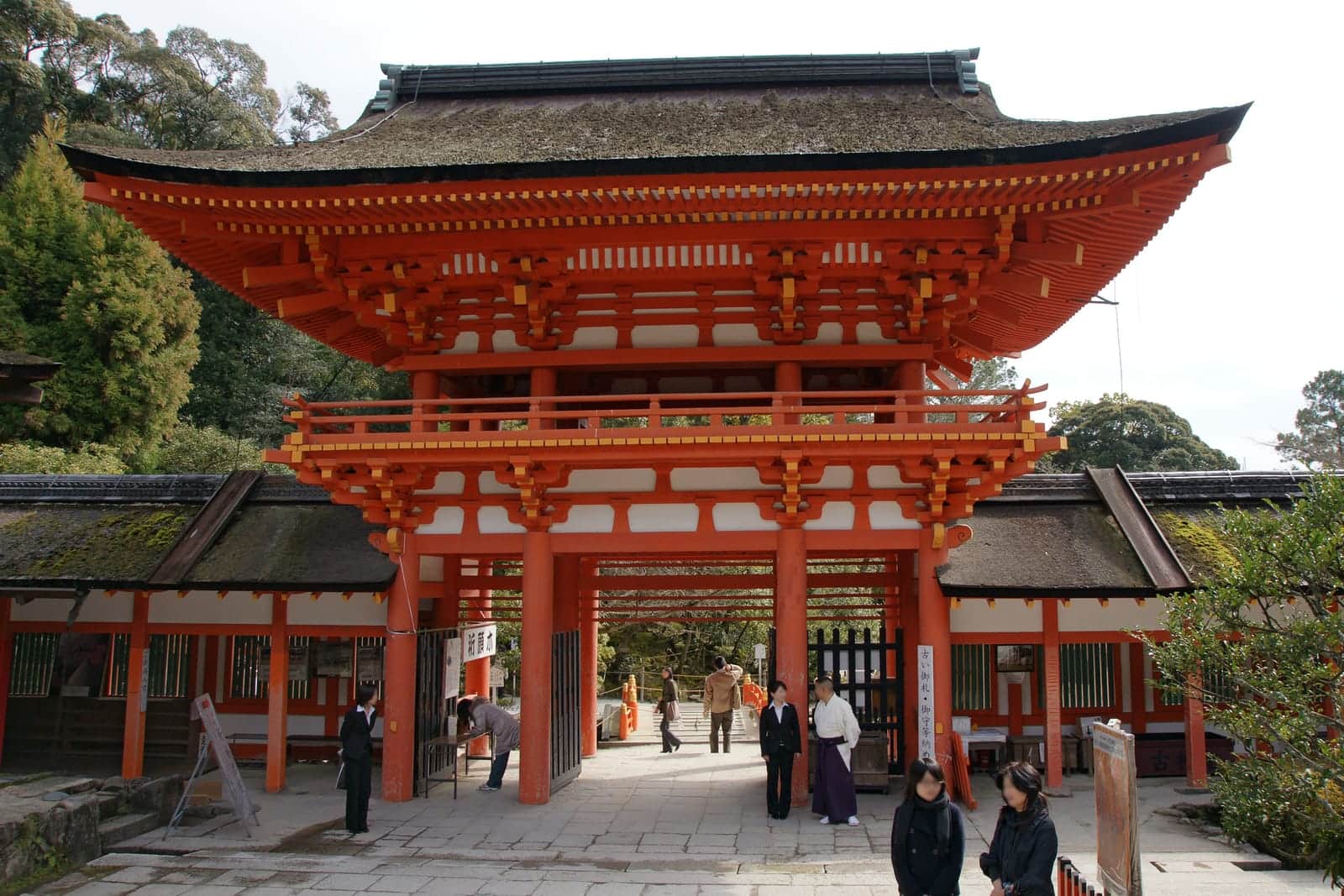
Arrive by 3:30 PM at the latest since the shrine closes at 4 PM, which gives you only a brief window to explore the grounds and pray at the main hall.
At a Glance
The shrine's main hall features intricate designs from the Momoyama period (1568-1598), yet it sits on the grounds of Kuramadera Temple while remaining a completely separate religious entity.
In 940, this shrine was physically moved from downtown Kyoto to Kurama specifically to protect the mountain area from evil spirits, making it one of Japan's earliest examples of strategic shrine relocation.
Same as opening hours
This shrine offers goshuin, but we don't have photos yet. Be the first to share yours!
Arrive by 3:30 PM at the latest since the shrine closes at 4 PM, which gives you only a brief window to explore the grounds and pray at the main hall.
Plan your visit for October 22 if you want to experience the Kurama Fire Festival, when the shrine becomes the focal point of a dramatic evening celebration with torch-lit processions.
The shrine sits on the grounds of Kuramadera Temple but operates as a separate entity, so you can visit without paying temple admission.
Before or after visiting the shrine, explore the Kurama and Kifune district, which offers hot springs, hiking trails, and the nearby Kurama Fire Festival venue.
Sakyo, Kyoto Prefecture
More ways to continue from this place.
0 recent posts
Share how your visit was to help other travelers.
No public community posts yet.
Within 300 m Within 600 m