Admission
- Adult (18+)Free
At a Glance
The shrine's popular amulets have evolved from traditional chirimen fabric 'Hime-mamori' to delicate lace designs, with year-specific charms like the 2025 horseshoe amulet available only on-site.
Dating to the 6th century, Shimogamo predates Kyoto's founding as capital by 200 years and is believed to be 100 years older than its paired shrine, Kamigamo.
This shrine offers 1 different goshuin designs
Same as opening hours
Regular
Facilities
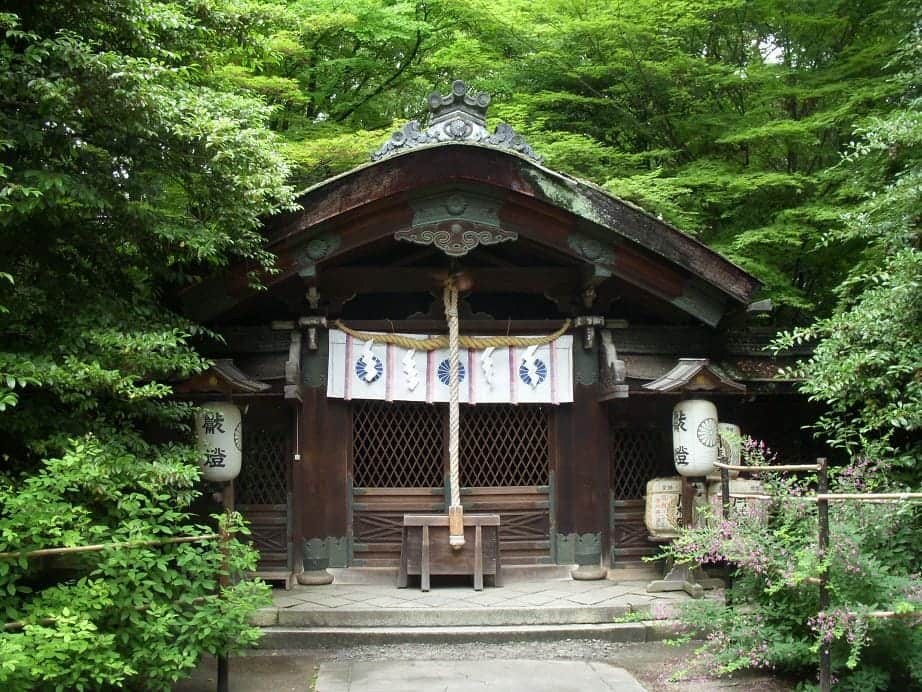
Take time to explore the multiple smaller shrines within the spacious grounds, including the unique zodiac deity shrines (干支の神さま) that visitors find particularly special and different from other shrines.
When purchasing amulets (omamori) or御朱印, note that there are two separate payment lines, left for cashless and right for cash only, and the distinction isn't marked while queuing, so choose your line carefully to avoid having to queue again.
If you want to try the water fortune-telling (水占い) or purchase omikuji, buy them at the same time as your amulets at the main counter rather than after your worship, as you'll otherwise need to rejoin the long amulet queue to collect your fortune.
Plan to walk along the Kamo River (鴨川) before or after your visit, as the riverside path offers a refreshing approach that enhances the spiritual experience and can easily connect to other destinations like Nishiki Market on foot.
Visit early in the morning on weekdays to experience the shrine with fewer crowds and feel the serene atmosphere that reviewers describe as heart-cleansing, especially when walking through the approach path.
8 structures on the grounds
Also called Shimogamo
Kyoto, Kyoto Prefecture
1 recent posts
4.0
2 reviews
Arrive early on a weekday morning if you can. The crowds thin out considerably, and the approach path has a quieter quality that's hard to find later in the day. The Kamo River runs nearby, and walking along it before or after your visit makes for a natural, unhurried way to get here or continue on toward Nishiki Market on foot.
More ways to continue from this place.
Inside the grounds, take time to wander beyond the main hall. The smaller shrines scattered across the site include zodiac deity shrines that feel distinct from anything at a typical shrine visit.
At the main counter, buy your omamori, omikuji, and water fortune (水占い) all at once.
 MC
MCMaxime Caron left a review
Cindy Harders checked in
Shimogamo Jinja
Kyoto, Kyoto


Within 300 m Within 600 m
Renting needs the operator's app and a Japanese phone number. docomo day passes are sold at convenience stores. Data sources