
Kyoto Essentials
A three-day Kyoto route through Fushimi, Higashiyama, and classic goshuin districts, with enough structure for first visits and room to linger.
- 3 days
- 11 stops
- Kyoto
About this journey
A compact Kyoto route for first-time collectors, balancing famous shrines, landmark temples, and northwestern classics.
Day-by-day itinerary
Fushimi and Higashiyama
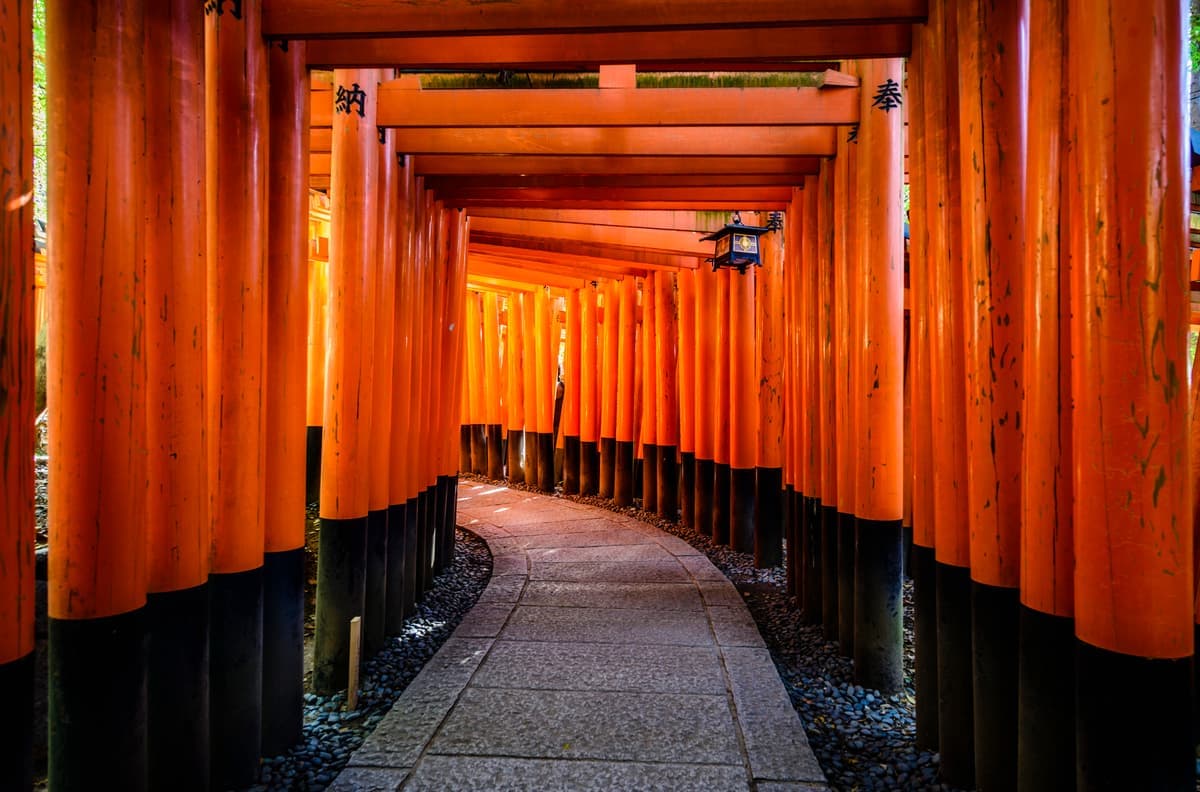
Begin among the vermillion torii of Fushimi Inari, then climb into Higashiyama's temple-lined lanes. An easy south-to-north warm-up through Kyoto's most iconic scenery.
- 4 stops
- about 270 min including visits
Fushimi Inari Taisha
FushimiSlip into the rhythmic hush of a corridor made of gates: an undulating passage where some 10,000 torii stand shoulder to shoulder, their repeated thresholds pulling you toward the wooded slopes of Mount Inari. This is Fushimi Inari-taisha in Fushimi-ku, Kyoto—the head shrine of the kami Inari, venerated for rice, agriculture, and business. Founded in 711 CE by the Hata clan, it rises from the base of Inariyama (233 m) and sends pilgrims along a 4 km mountainside circuit that takes about two hours to complete. As you walk beneath the famous Senbon Torii—about 800 tightly spaced gates forming a tunnel of thresholds—you enter not just a site, but the living axis of a faith that anchors some 32,000 sub-shrines (bunsha) across Japan. Historical Foundations The story begins in the Nara period with the Hata clan, a powerful immigrant lineage credited with founding Fushimi Inari-taisha in 711 CE. Their patronage positioned the shrine at the nexus of agricultural rites and community prosperity, aligning it with the kami Inari, whose sphere ranges from the fertility of paddies to the fortunes of merchants. Over subsequent centuries—through Heian, Kamakura, Muromachi, and into the Edo period—Fushimi Inari became a model of how a local mountain cult can scale into a national devotional network. A crucial mechanism behind this growth is the practice of division and re-enshrinement: a sacred transfer of the deity’s presence from the head shrine to subsidiary sites. Through this process, Fushimi Inari-taisha inspired roughly 32,000 bunsha nationwide, weaving a religious web that reaches from city markets to rural fields. Each subsidiary shrine reaffirms the head shrine’s centrality, ensuring that the mountain in Kyoto remains the spiritual source for countless communities and businesses across Japan. Architectural Mastery What defines Fushimi Inari’s built environment is not a single hall, but a sequence—a choreography of thresholds. The approach is lined with thousands of torii, culminating in the famed Senbon Torii, where about 800 gates stand so close that they create a tunnel-like path. This design is not accidental; it expresses devotion through repetition. Each gate marks a transition from the everyday to the sacred, while the cumulative effect creates an immersive, almost meditative cadence. The scale is remarkable: roughly 10,000 torii donated by businesses line the routes that ascend the mountain. Their density intensifies along the 4 km trail, producing alternating bands of light and shadow. As the path climbs toward the inner precincts and smaller altars, the architecture loosens into clusters of minor shrines, each one a waypoint on the ascent. The gates publicly embody gratitude and petition—a visible ledger of vows fulfilled and prosperity sought—so that the architecture itself becomes a ledger of faith and enterprise. Spatially, the shrine unfolds vertically. Starting at the base of Mount Inari (233 m), visitors move through successive precincts toward the summit, with the path organized by nodes of worship. The interval of gates accelerates and slows, opening onto clearings where smaller shrines punctuate the route. The result is a masterclass in processional design: a measured alternation of enclosure and view, silence and footfall, culminating in high-altitude places of prayer that feel both intimate and immense. Religious & Cultural Significance At the heart of this complex stands Inari, the deity whose protection spans the ancient lifeworld of rice and agriculture and the modern dynamism of business. Inari devotion is practical and aspirational, the throughline connecting a good harvest to a flourishing shop, a stable household to a thriving enterprise. The shrine’s torii tradition reflects this: companies and individuals donate gates to honor fulfilled wishes or to seek ongoing success, binding personal fortunes to the shrine’s enduring presence. Crucially, Fushimi Inari’s role as the head shrine makes it both an origin and a destination. Through division and re-enshrinement, its spiritual authority radiates outward to the network of bunsha, while those same sub-shrines send worshipers and offerings back to the source. In this way, the shrine functions as a living institution of reciprocity, where spiritual and material economies intertwine. Pilgrimage here is both horizontal and vertical: across Japan via the 32,000-strong lattice of affiliated shrines, and up the mountain via its 4 km route. Completing the circuit is a vow in motion, a ritualized walk that translates belief into breath and stride. The experience is accessible yet profound—rooted in the daily needs of livelihood and the timeless search for blessing. Natural Setting & Environment The shrine’s genius loci is the mountain itself. Mount Inari, rising to 233 m, is less an obstacle than a partner in worship. Its forested slopes cradle the path, and the ever-shifting light under the gates turns the climb into a study of atmosphere and attention. Because the trail extends for 4 km, the ascent becomes a measured engagement with terrain—gentle inclines, stairways, and plateaus where smaller shrines nestle into glades and terraces. The mountain’s modest height belies its symbolic power. The vertical journey performs a subtle expansion of perspective: what begins at the bustling base evolves into quieter precincts where wind and distant city sounds recede. The shrine’s architecture never tries to overpower the landscape; instead, it frames it—gate after gate presenting the next vista, the next pause, the next prayer. Visitor Experience & Heritage What you see today is the active expression of a devotion that began in 711 CE and never paused. The immediate magnet is the Senbon Torii, with its approximately 800 gates forming a compressed, cinematic passageway. But the experience extends well beyond that photogenic stretch. Follow the 4 km loop, and you encounter the shrine’s true rhythm: torii-lined paths that thin and thicken, clusters of smaller altars, and resting points where the mountain’s presence is palpable. Most visitors plan about two hours for the ascent and descent, though lingering—letting the architecture and landscape do their unhurried work—reveals new layers. Equally striking is the way the shrine makes devotion visible. The roughly 10,000 torii that line the routes are a public testament to vows and gratitude, a uniquely architectural form of offering in which the built environment becomes the archive of faith. Each gate is a threshold and a message; together they compose an environment where private wishes and communal identity share the same space. Beyond the mountain, the shrine’s influence ripples nationwide. With approximately 32,000 bunsha established through division and re-enshrinement, Fushimi Inari-taisha is not only a destination but also a generator of sanctity. Wherever a sub-shrine stands—in cities, towns, and countryside—the head shrine’s authority and blessings remain the reference point. That network is one reason this site is perpetually animated by pilgrims and visitors: people come here to connect to the source, to place personal hopes within a centuries-deep tradition. In the end, Fushimi Inari-taisha’s power lies in its cadence—of gates and steps, vows and vistas, past and present. From its Nara-period founding by the Hata clan to its role today as the head shrine of Inari in Kyoto’s Fushimi-ku, it has maintained a clear proposition: prosperity is not merely a private goal but a shared ritual, enacted here under thousands of thresholds on the slopes of a sacred mountain. Walk the path, and you participate in that ritual—moving through time, tradition, and space with every step beneath the gates.
Estimated visit · 90 minFree entry22 have visited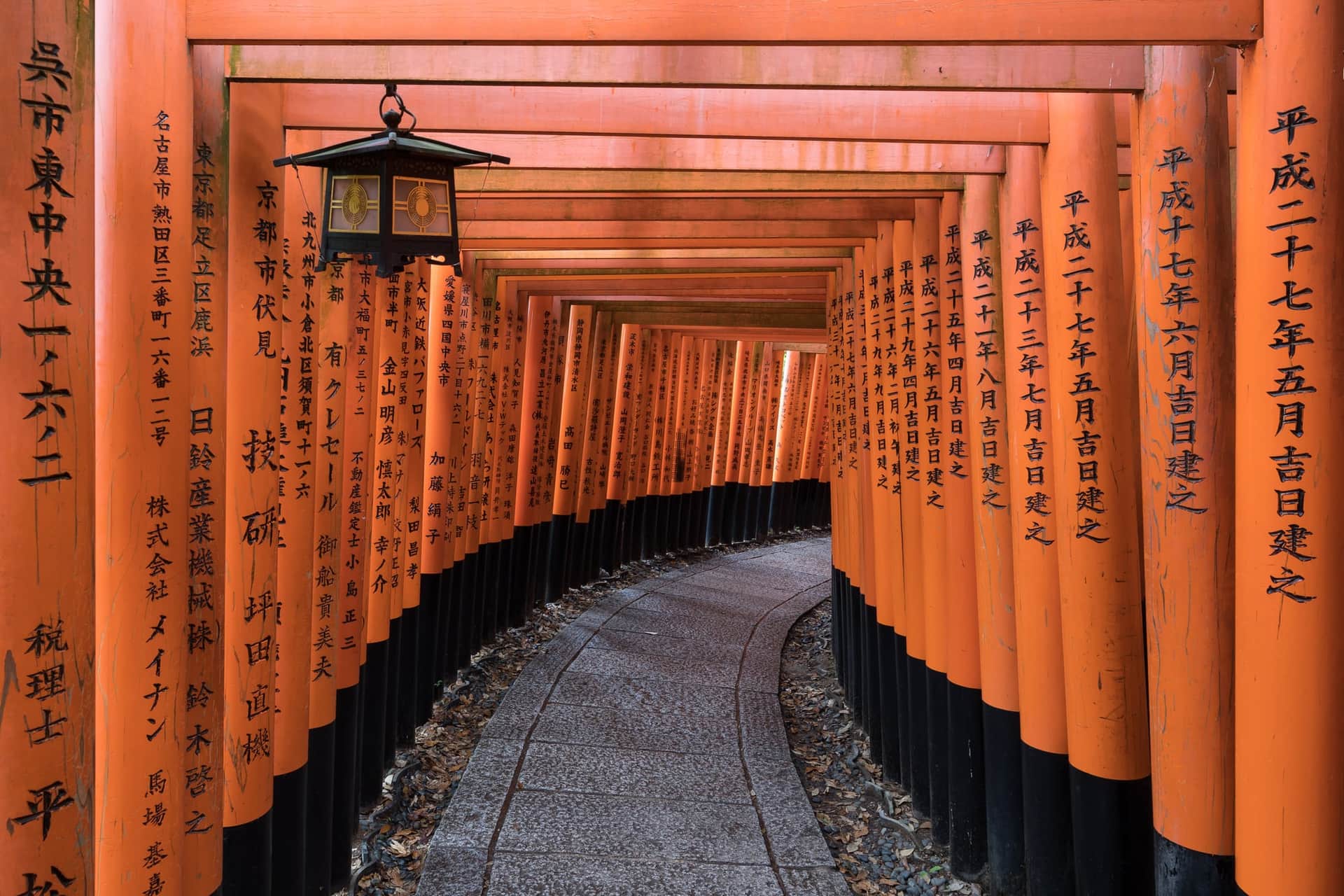
- Transfer
about 20 min
Kiyomizu-dera
HigashiyamaPerched dramatically on the forested slopes of Otowa-san (Mount Otowa) in eastern Kyoto, Kiyomizu-dera has been drawing pilgrims, poets, and seekers of the sacred for more than twelve centuries. The moment its iconic wooden stage comes into view above the treetops, it becomes clear why. This is not merely a temple. It is one of Japan's most direct encounters with faith, nature, and architectural nerve, where the ancient and the living sit together so closely that even first-time visitors feel they have arrived somewhere familiar. Historical Foundations The story of Kiyomizu-dera begins in 778 CE, predating the very city it has come to define. This places the temple among an unusually small group, alongside Kōryū-ji and Kurama-dera, of Kyoto institutions that existed before Heian-kyō was established as the imperial capital in 794 CE. The founding therefore comes before the city's own imperial foundations, giving it a spiritual weight later construction could not create. Over more than 1,250 years, the complex has been shaped by fire, reconstruction, patronage, and devotion, building up layer after layer across its broad hillside precinct. Today, the grounds include 15 structures, among them designated National Treasures and Important Cultural Properties, each one a physical record of the centuries that have passed over these slopes. Architectural Mastery The architectural achievement that defines Kiyomizu-dera is its celebrated main hall (hondō), which projects outward from the mountainside on a platform supported by 139 pillars of keyaki (Japanese zelkova) timber, assembled entirely without a single nail. This steep, wooden stage projects over the valley below, and it rewards close inspection. The construction technique, known as "kakezukuri" or hanging-style architecture, is among the most sophisticated examples of traditional Japanese carpentry. It is engineered to flex and absorb the stresses of the steep terrain while supporting the hall's weight and the thousands of visitors who have walked its boards across the centuries. The complex is formally known as Otowa-san Kiyomizu-dera, and its 15 structures spread across the precinct of Higashiyama offer a broad survey of classical Japanese religious architecture across multiple historical periods, from the
Estimated visit · 90 minAdult entry · ¥50018 have visited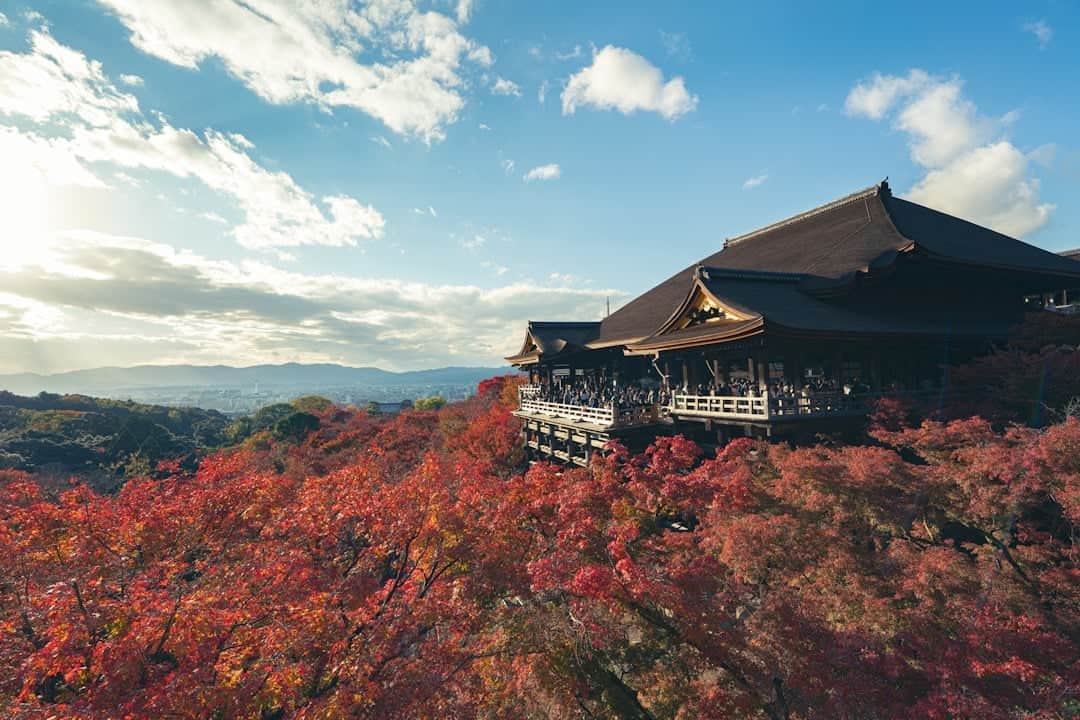
- Transfer
about 20 min
Kodai-ji
HigashiyamaFounded in 1606 by Nene in memory of Toyotomi Hideyoshi, this Rinzai Zen temple features stunning Momoyama-period lacquerwork, gardens designed by Kobori Enshū, and seasonal illuminations. The grounds include historic teahouses, a bamboo grove, and a mausoleum.
Estimated visit · 45 minAdult entry · ¥6006 have visited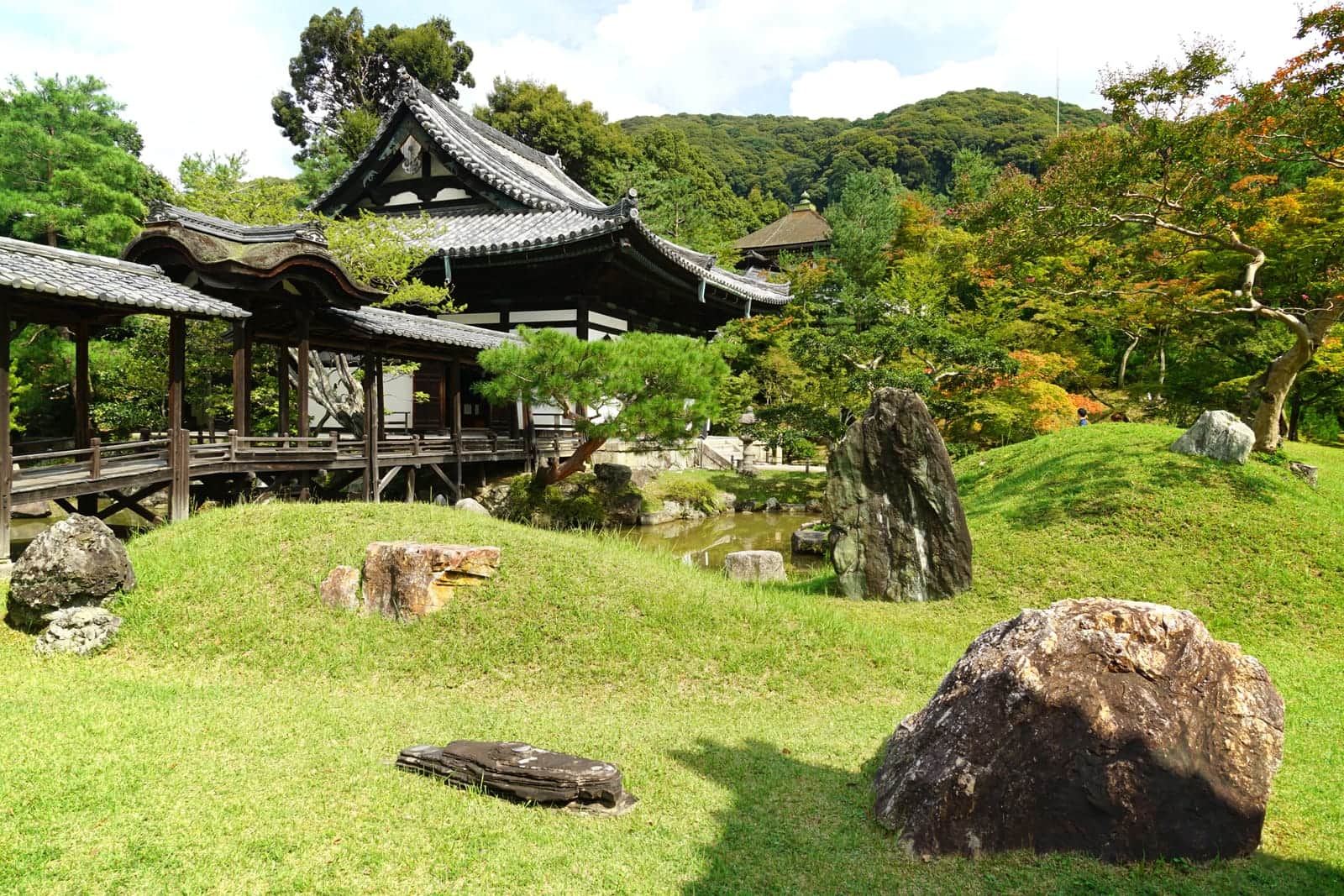
Yasaka Jinja
HigashiyamaAt night, Yasaka Jinja becomes a constellation of warm lantern light at the eastern end of Shijo Street, where Kyoto’s Gion district meets Maruyama Park. The glow reveals a shrine that has watched over this part of the city for more than 1,300 years, while its open grounds remain woven into ordinary local life. Known historically as Gion-sha, the shrine is dedicated chiefly to Susanoo-no-Mikoto, a powerful deity associated with storms, the sea, protection, and the control of disease. It is also inseparable from Gion Matsuri, Kyoto’s best-known traditional festival. Visit during the day for its vermilion gate and busy approach, then return after dusk, when the lanterns, darkened roofs, and surrounding streets create one of Kyoto’s most atmospheric encounters with living religious tradition. Historical Foundations Tradition places the shrine’s foundation in 656, several decades before Kyoto became Japan’s imperial capital. At that time, the settlement that would become Kyoto was still developing, and the sacred site occupied an important position east of the future city center. Its early identity reflected the close relationship between Buddhism and Shinto in premodern Japan. The principal deity was associated with Gozu Tennō, a protective yet fearsome figure believed to have power over epidemics and other calamities. This history explains why the shrine became linked to public protection as well as personal prayer. In 869, Kyoto suffered a devastating outbreak of plague. The imperial court ordered a special rite at Gion-sha to calm dangerous forces and cleanse the city. According to tradition, sixty-six decorated halberds, representing the country’s provinces, were carried through the streets. The ceremony developed into Gion Matsuri, which has continued, with interruptions, for more than a millennium. The neighborhood grew around the shrine. Gion began as a monzen-machi, a settlement established to serve pilgrims, worshippers, travelers, and performers visiting the sacred precinct. The shrine therefore shaped not only religious practice but also the urban character of eastern Kyoto. Its influence extended into commerce, entertainment, seasonal observances, and community identity. A major transformation came after the Meiji Restoration. In 1868, the government required the formal separation of Buddhism and Shinto. The institution, previously known as Gion-sha or Kanshin-in, was renamed Yasaka Jinja and reorganized as a Shinto shrine. The change altered its official religious structure, but older layers of belief remain visible in its history, festivals, and associations. Architectural Mastery The approach is marked by the vivid Nishi-romon, or West Gate, whose vermilion columns and elevated form make it one of Kyoto’s most recognizable shrine entrances. It faces the city and functions almost like a ceremonial threshold between the movement of Shijo-dori and the more inward atmosphere of the sacred grounds. The gate’s strong color, dark roof, and substantial timber framing are especially striking against the changing light of the day. Within the precinct stands the Honden, or main sanctuary, together with the large Buden, commonly described as an offering or dance hall. The Buden is particularly memorable for its rows of paper lanterns, many bearing the names of businesses, families, and supporters. When the lanterns are illuminated in the evening, the building takes on a gentle, human scale. The light does not erase the structure’s form. Instead, it outlines the eaves, timber surfaces, and open spaces around the hall. The grounds also include a Noh stage, a reminder that sacred precincts have long served as settings for performance, offering, and community ceremony. Noh and other traditional arts were not simply entertainment in this context. They could function as acts of dedication, presenting music, dance, and drama before the enshrined deities. The architecture works through contrast. Vermilion gates announce the shrine to the city, while the inner buildings offer darker wood, roof shadow, and patterned lantern light. This combination gives Yasaka Jinja a distinctive visual presence, particularly after sunset. Religious and Cultural Significance The central deity is Susanoo-no-Mikoto, known in Japanese mythology as a powerful and unpredictable figure. At Yasaka Jinja, he is approached as a protector, especially in relation to illness, misfortune, and communal danger. His presence is accompanied by that of his wife and children, creating a divine family associated with protection and well-being. The older connection with Gozu Tennō reveals how Japanese religious life historically brought different traditions together. Before the modern separation of faiths, deities and sacred figures could be understood through both Shinto and Buddhist frameworks. Yasaka’s identity was shaped by this shared religious world, even though its official status is now distinctly Shinto. The shrine’s greatest public expression is Gion Matsuri. Its origins are traced to the 869 purification rite, while the modern festival unfolds across July through processions, ceremonies, decorated floats, and neighborhood observances. The enormous festival floats are assembled and displayed in Kyoto’s streets, and the main processions transform the city into a ceremonial landscape. Yasaka Jinja remains the spiritual center of these events, making a visit especially meaningful during the festival season. On New Year’s Eve, the shrine hosts Okera Mairi, an old ritual in which visitors take fire from a sacred flame using a rope associated with medicinal herbs. Participants traditionally keep the rope alight as they carry it home, turning and swinging it so the flame will not go out. The practice joins hopes for health and protection with the renewal of the calendar. Natural Setting and Urban Landscape Yasaka Jinja occupies a rare position between central Kyoto’s streets and the wooded slopes and open spaces of Higashiyama. To the east, the grounds connect naturally with Maruyama Park, one of Kyoto’s best-known public landscapes. The transition from paved city streets to trees, gardens, and shrine buildings is gradual rather than abrupt. Seasonal changes strongly affect the experience. In autumn, visitors encounter softer light and warm foliage around the shrine and park. In spring, the surrounding park becomes part of Kyoto’s celebrated blossom landscape. At night, the lanterns provide the dominant impression, while the darker trees and rooflines create a quiet frame around the illuminated buildings. Visitor Experience and Heritage The shrine is freely accessible and remains both a major landmark and an active place of worship. Visitors can pass beneath the Nishi-romon, explore the lantern-lined grounds, observe worshippers at the main sanctuary, and encounter seasonal ceremonies. Photography is permitted, although religious services and private rituals should be approached respectfully. Practical access is straightforward. Gion-Shijo Station on the Keihan Main Line is about 370 meters, or roughly a four-minute walk, away. Higashiyama Station on the Kyoto Metro Tozai Line is approximately 378 meters, around a five-minute walk. The shrine offers omamori amulets, ema votive tablets, and commemorative stamps, allowing visitors to participate in familiar forms of Japanese shrine practice. Allow time to visit twice if possible. Daylight reveals the gate, roofs, timberwork, and relationship with Gion. After dusk, the paper lanterns transform the same space. A traditional wedding may take place, local residents may stop for prayer, and small shops around the nearby park may remain active. That mixture of ceremony and everyday life is central to Yasaka Jinja’s character. It is not merely a surviving monument from Kyoto’s past. It continues to serve as a place of protection, festival, memory, and community at the meeting point of the old city and the present one.
Estimated visit · 45 minFree entry12 have visited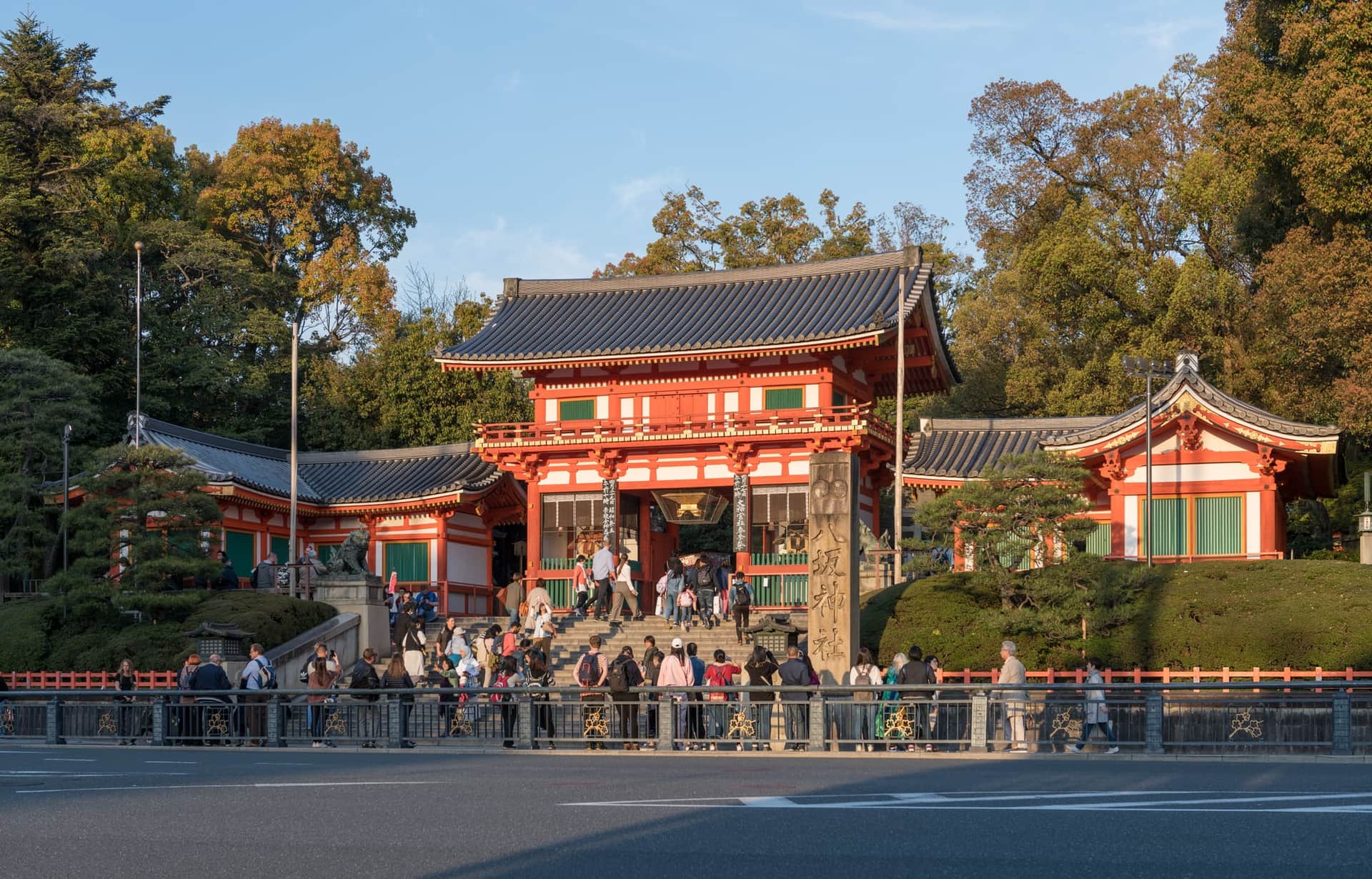
Gion to the Kinukake Path
A morning in Gion's geisha quarter, then west to the Kinukake Path linking Kinkaku-ji, Ryoan-ji, and Ninna-ji. Old-town atmosphere paired with three northwestern classics.
- 4 stops
- about 195 min including visits
Chion-in
HigashiyamaChion-in is the head temple of the Jodo Shu branch of Japanese Buddhism in Kyoto’s Higashiyama district. Closely linked to founder Honen, it is known for its vast grounds, monumental Sanmon gate, historic halls, and peaceful gardens open to visitors.
Estimated visit · 45 minFree grounds · paid areas from ¥300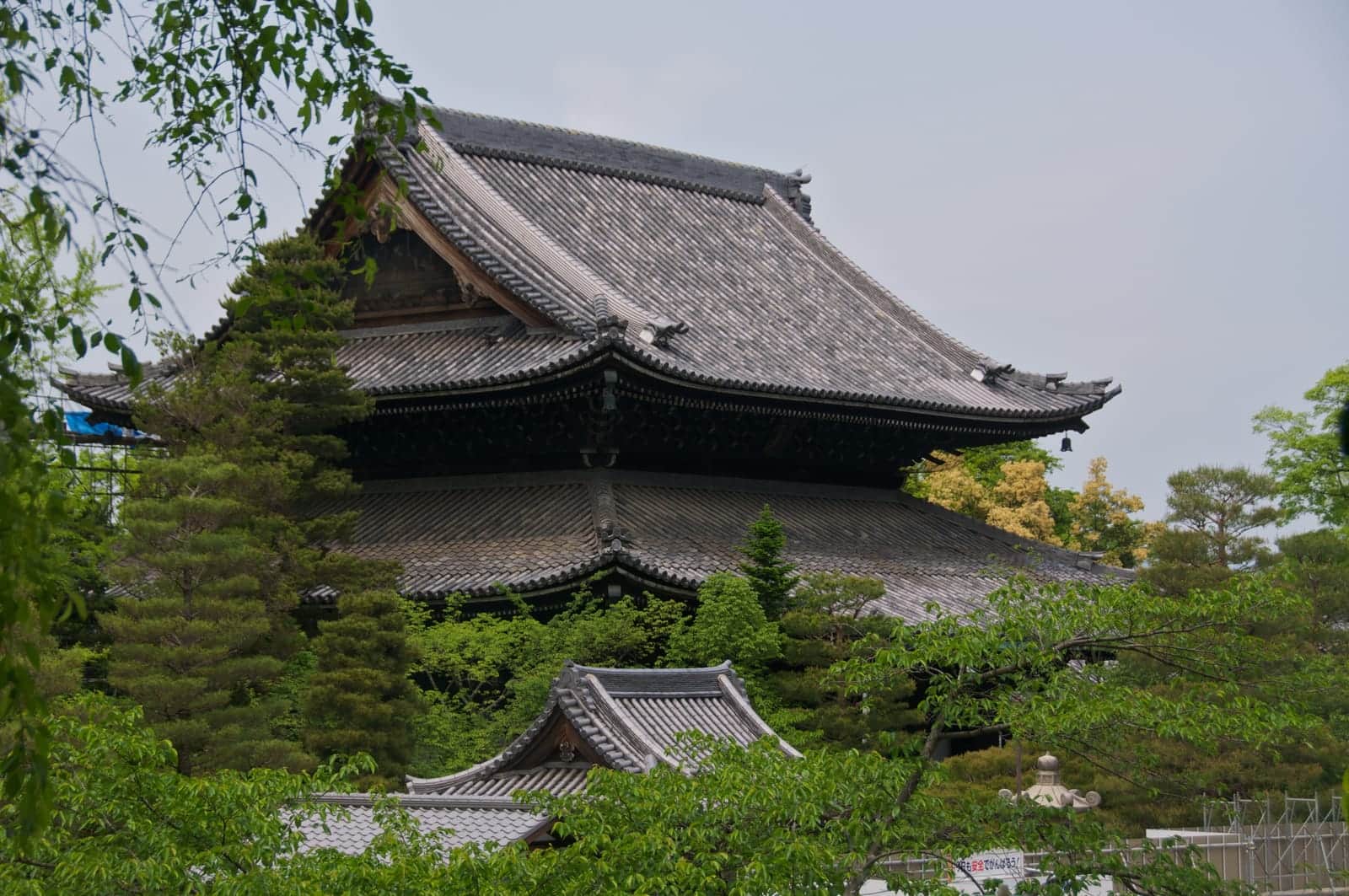
- Transfer
about 20 min
Kinkaku-ji
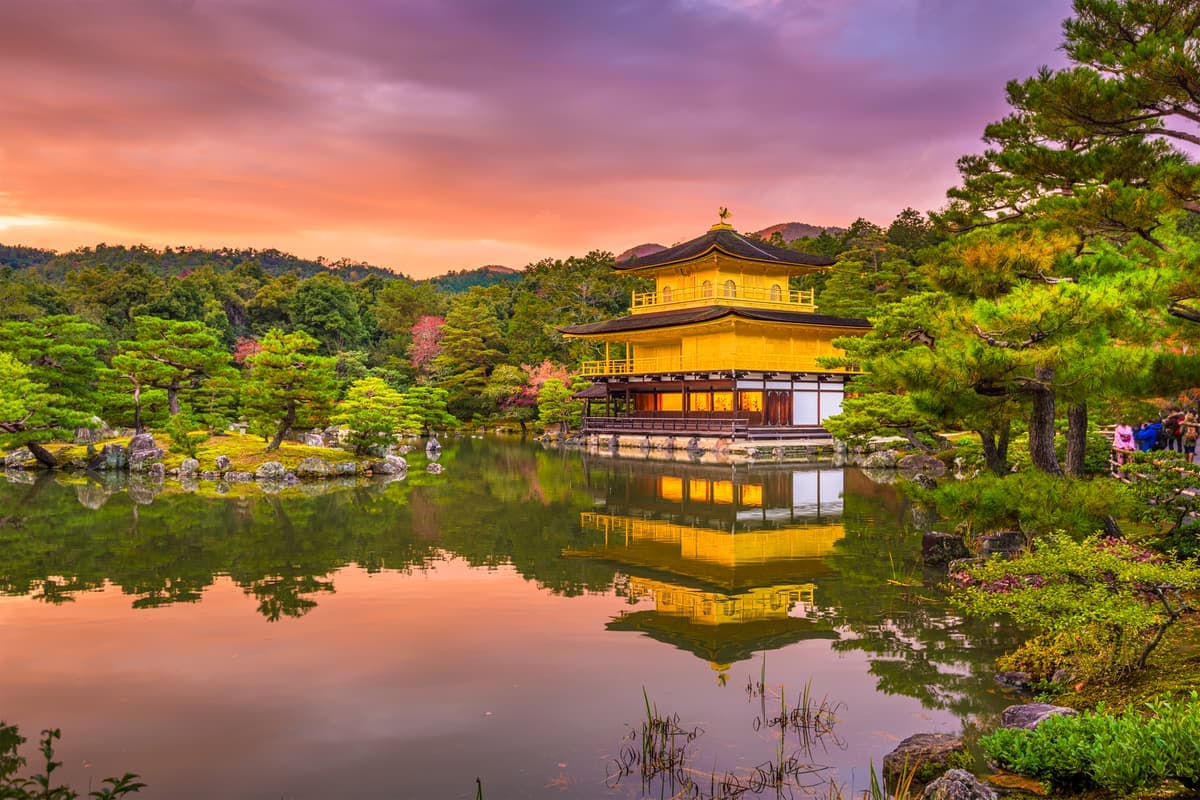
KitaSunlight turns to liquid here. As the Golden Pavilion rises from its mirror of water, the upper stories—sheathed in 0.5 μm gold leaf—flare into brilliance, doubling themselves in the pond’s still surface so completely that the boundary between building and reflection seems to dissolve. This is Kinkaku-ji, the celebrated “Temple of the Golden Pavilion,” officially Rokuon-ji (“Deer Garden Temple”) in Kyoto—a Zen Buddhist sanctuary famed as a shariden (reliquary hall). Revered as part of the UNESCO-listed Historic Monuments of Ancient Kyoto, and protected both as a National Special Historic Site and a National Special Landscape, it stands today in the form rebuilt in 1955 after the pavilion’s tragic destruction by arson—a renewal that preserved its role and aura as a Zen reliquary at the heart of Rokuon-ji. Historical Foundations The story begins in the late 14th century, when the powerful shogun Ashikaga Yoshimitsu transformed a noble estate in Kyoto’s northern hills into his retirement villa, a dazzling expression of the Kitayama culture he championed. After Yoshimitsu’s death, the grounds were converted—per his wishes—into a Zen temple affiliated with the Rinzai school, adopting the formal name Rokuon-ji, derived from his posthumous title. The Golden Pavilion (Kinkaku) itself served as the estate’s spiritual core, a shariden designed to enshrine relics of the Buddha and to manifest the Buddhist Pure Land in living landscape. The pavilion stood for centuries as an emblem of Muromachi aesthetics until 1950, when a devastating act of arson reduced it to ashes, searing itself into modern memory and inspiring wide literary reflection. In 1955, faithful to historical records and traditional craftsmanship, the pavilion was rebuilt, its purpose and silhouette restored. Later conservation campaigns enhanced durability and refreshed gilding, but the building’s role as a Zen reliquary and focal point of Rokuon-ji has remained constant. Throughout these transformations—medieval villa, Zen temple, catastrophe, and renewal—Kinkaku-ji has persisted as a touchstone of Japanese cultural identity. Architectural Mastery At once austere and opulent, the Golden Pavilion concentrates a spectrum of Japanese architectural idioms into a three-story composition that floats above the Mirror Pond. The ground floor follows shinden-zukuri, the elegant residential style of the Heian court, expressed in open, airy spaces with white plaster walls and robust timber pillars. Above it, the second story embodies buke-zukuri, the samurai residential mode—more enclosed, disciplined, and formal. Crowning the composition, the top level adopts karayō (Zen/Chinese) stylistic cues, signaling the building’s religious vocation as a shariden. Only the upper two floors carry the hallmark gold leaf—astonishingly thin at about 0.5 micrometers—applied over layers of lacquer to achieve a luminous, weather-defying skin that changes tone with light and season. The roof is a classic hip-and-gable (irimoya) form, topped by a gilded hōō (Chinese phoenix), a symbol of virtuous rule and auspicious rebirth. Together, these elements choreograph a visual ascent: from the earthly calm of natural wood, through the disciplined realm of warrior elegance, to the transcendent gleam of gilded sanctity. As a reliquary hall, the pavilion’s interior historically housed sacred objects linked to the Buddha, with spaces proportioned for ritual and contemplation rather than congregation. Although visitors cannot enter, the building’s architecture reads clearly from the exterior—broad balconies, rhythmic railings, and measured overhangs—all reflect a grammar of balance that marries structural clarity to spiritual symbolism. The pavilion’s placement at the edge of water and its careful alignment to the garden compose an outdoor “theater of reflection,” in which the building, the pond, and the sky perform as one. Religious & Cultural Significance Kinkaku-ji’s religious identity is grounded in Rinzai Zen, yet its message resonates across Buddhist traditions. As a shariden, it serves as a material container for the immaterial—relics, memory, and the aspiration toward awakening. The gleam of the gold leaf is not merely display; in Buddhist iconography, gold signifies the purity of enlightenment, the radiance of wisdom that dispels delusion. The pavilion’s threefold stylistic hierarchy suggests a spiritual ascent from the worldly to the sublime, culminating in a sanctum that shelters the Buddha’s presence. Beyond ritual function, Kinkaku-ji occupies a singular position in Japanese cultural consciousness. Its silhouette—gilded tiers rising above rippling water—has been endlessly reproduced in painting, woodblock prints, and modern media. The 1950 arson and the 1955 reconstruction entered national mythology, raising questions about impermanence and rebirth that echo Zen thought itself. Literary works, most famously a mid-20th-century novel inspired by the event, transformed the pavilion into a symbol through which modern Japan contemplated beauty, desire, and loss. That Kinkaku-ji endures as both sacred site and cultural icon speaks to its layered identity: a living temple, a museum of landscape, and a mirror for the nation’s imagination. Natural Setting & Environment The temple’s garden is a masterwork of Muromachi landscape design, conceived as a chisen kaiyū-shiki (pond-centered strolling garden) in which architecture and nature form a single composition. The Mirror Pond (Kyōko-chi)—studded with islands and stone groupings—performs the magic on which the pavilion depends: reflective stillness. Pines lean toward the water with practiced elegance, moss banks soften stone, and the arrangement of shoreline and islets creates vistas that shift with each step, like panels in a handscroll painting. Kinkaku-ji’s genius lies in “borrowed scenery” (shakkei): the low Kinugasa hills beyond the grounds appear to rise from within the garden, extending the temple’s realm without a fence or wall. In spring, azaleas and fresh maple leaves lend the gold a tender green glow; summer deepens the palette to lacquered emerald; autumn throws crimson maples against the pavilion’s warm sheen; and winter caps the roofline in snow, quieting the garden into monochrome serenity. Every season reinterprets the same forms, underscoring the core Buddhist insight that permanence and change are companions. Visitor Experience & Heritage Approaching along the prescribed path, visitors first glimpse the Golden Pavilion obliquely across water—an intentional reveal that heightens wonder. The route then threads through viewpoint after viewpoint, each framing the building and garden in a new way: close reflections at the pond’s edge, angled perspectives through pines, and higher lookouts where the pavilion aligns with distant hills. While entry into the pavilion is restricted, the exterior vantage points are the intended experience, inviting slow looking rather than hurried checklist tourism. Elsewhere on the grounds, auxiliary halls and a teahouse from later periods extend the story of patronage, ceremony, and tea culture that has long animated the site. Small sanctuaries and stone basins punctuate the path, reminding visitors that this remains a working Zen temple where rituals continue and caretakers maintain the cadence of monastic practice. Signage and site literature emphasize Kinkaku-ji’s recognition as part of the UNESCO-inscribed Historic Monuments of Ancient Kyoto, and its dual national protections—a National Special Historic Site and National Special Landscape—attest to both historical and scenic value preserved at the highest level. Practical wisdom for the modern pilgrim mirrors the temple’s own design philosophy: arrive early or in late afternoon to catch the soft light that makes the gold leaf glow; move slowly; let reflections settle. Photography is permitted from designated spots, but the deepest impressions come from simply watching wind, cloud, and gilded wood stage their quiet dialogue. In this frame of mind, the pavilion’s 1955 rebirth reads less as replacement than as continuation—an acceptance, very Zen, that form must be renewed to safeguard spirit. Kinkaku-ji ultimately offers two experiences at once. It is a precise historical artifact—its shariden function, Zen affiliation, and markers of status carefully documented—and it is a moving artwork of light and water that no document can fully capture. By setting the Golden Pavilion within a garden crafted to reflect and amplify its presence, Rokuon-ji renders philosophy visible: the world is a mirror, beauty is provisional, and what we cherish we must also maintain. To stand at the pond’s edge is to see architecture become atmosphere, a Kyoto icon composed of timber, lacquer, and a film of gold so thin—just 0.5 μm—that the sky itself seems to finish the job.
Estimated visit · 60 minAdult entry · ¥50013 have visited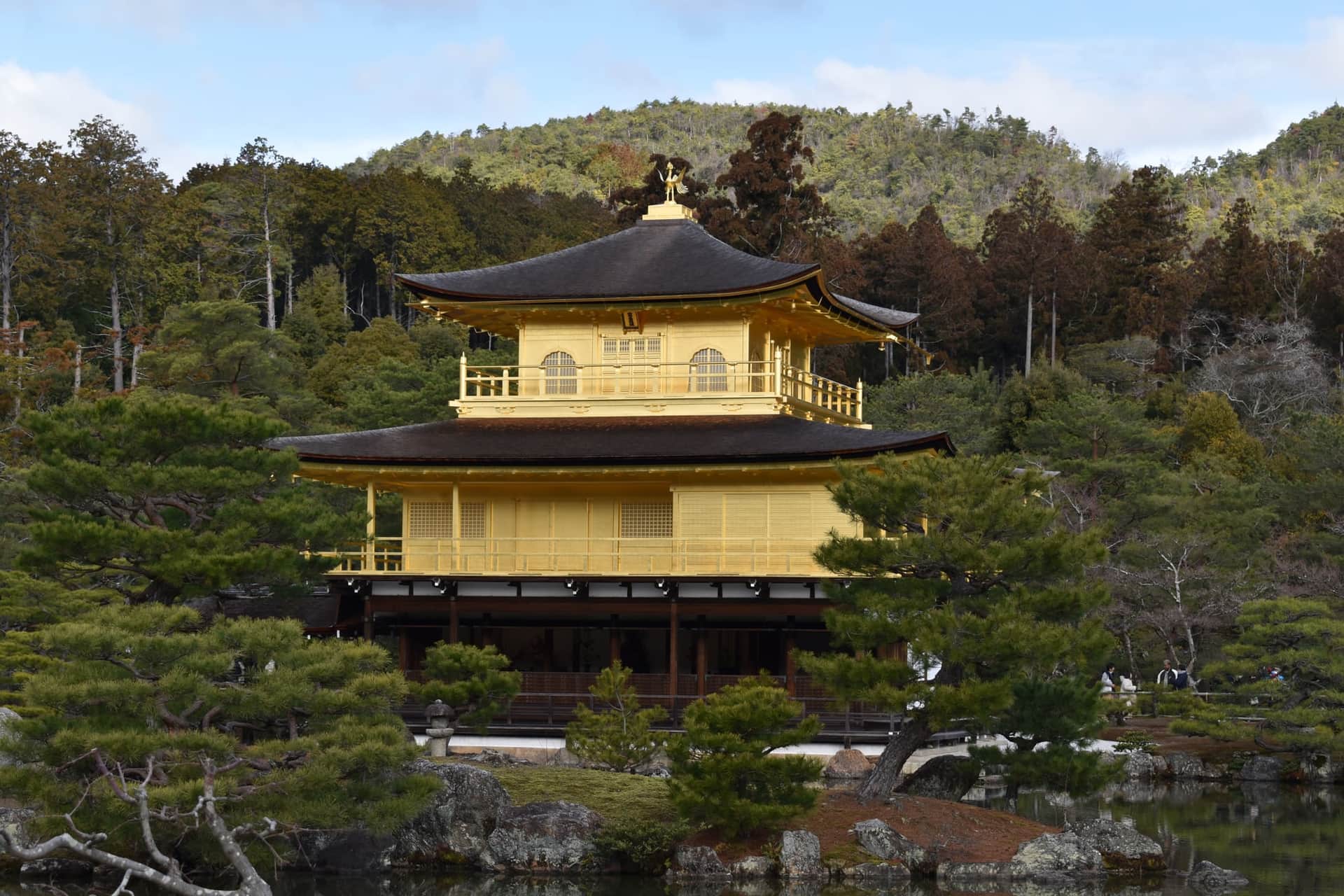
- Transfer
about 20 min
Ryoan-ji
UkyoRyoan-ji is a Rinzai Zen temple in northwest Kyoto, founded in 1450 by Hosokawa Katsumoto on the site of a former villa. It belongs to the Myoshin-ji school, is renowned for the kare-sansui rock garden south of its hojo, and forms part of the UNESCO-listed Historic Monuments of Ancient Kyoto.
Estimated visit · 45 minAdult entry · ¥600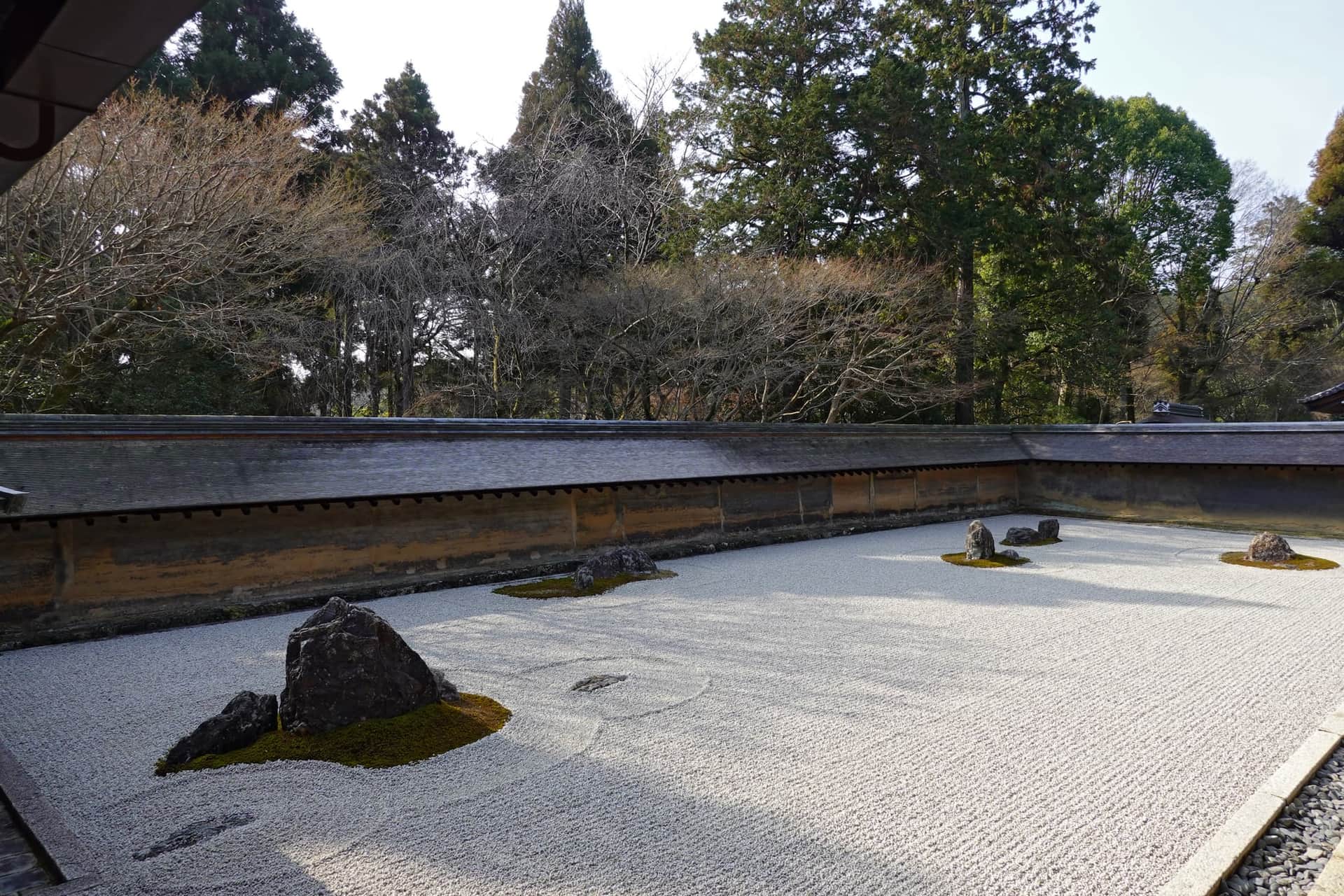
- Transfer
about 20 min
Ninna-ji
UkyoA UNESCO World Heritage Site founded in 888 CE, Ninna-ji is the head temple of the Omuro school of Shingon Buddhism. Famous for its late-blooming Omuro cherry blossoms, five-story pagoda, and historic palace buildings that showcase aristocratic temple architecture.
Estimated visit · 45 minFree grounds · paid areas from ¥500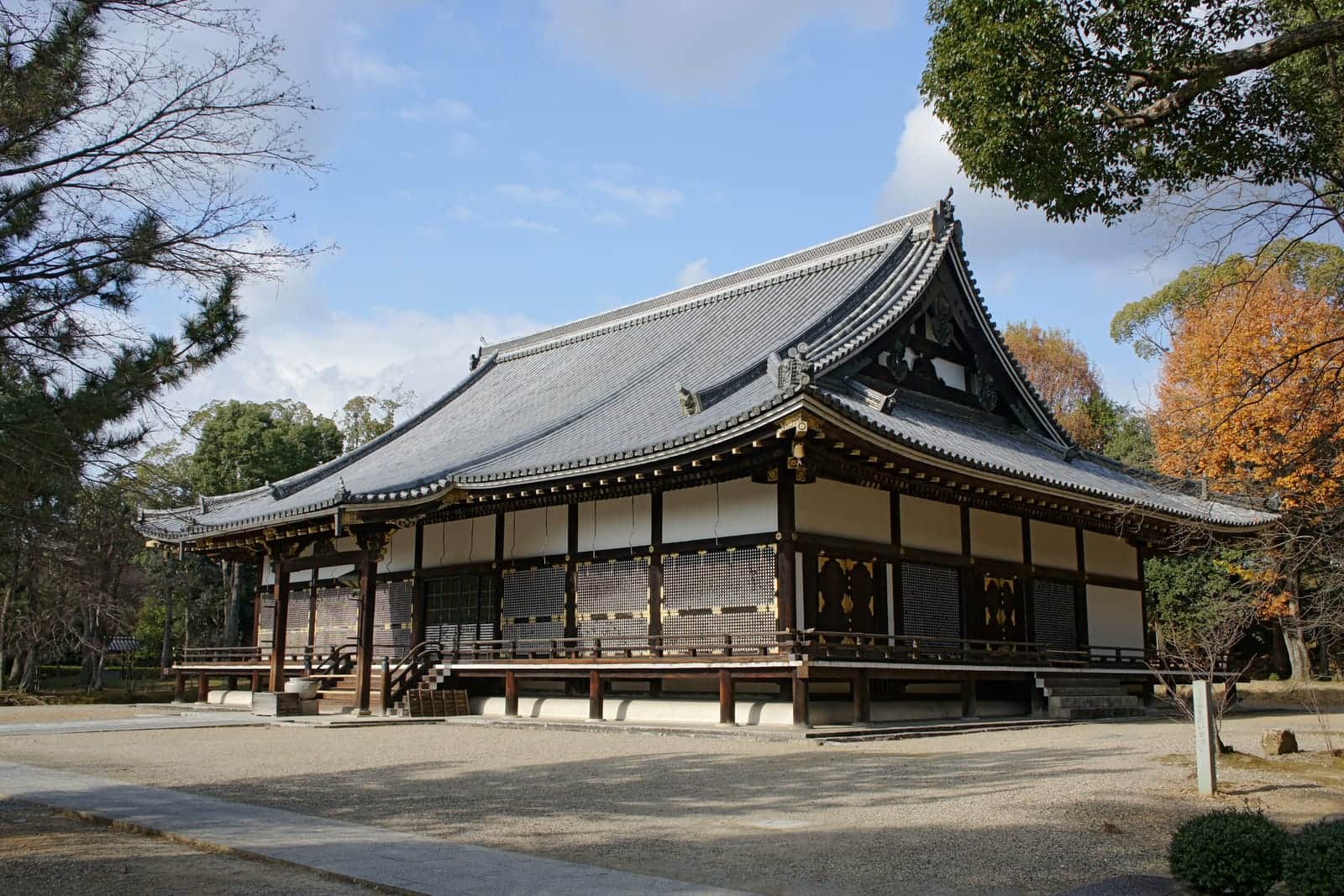
Arashiyama and Kyoto Station
Bamboo groves and riverside temples in Arashiyama before an easy return to Kyoto Station. A relaxed final day with time to linger.
- 3 stops
- about 165 min including visits
Tenryu-ji
UkyoTenryū-ji, in Susukinobaba-chō, Ukyō Ward, Kyoto, is the head temple of the Tenryū-ji branch of the Rinzai Zen sect. Founded by Ashikaga Takauji in 1339 with Musō Soseki as first chief priest; construction finished in 1345.
Estimated visit · 45 minAdult entry · ¥50010 have visited
To-ji
MinamiTō-ji in Kyoto’s Minami-ku, near Kyoto Station, was founded in 796 as a guardian temple of the Heian capital and later entrusted to Kūkai, becoming a core Shingon center. Its grounds hold the UNESCO-listed Kondo and Japan’s tallest wooden pagoda, plus a famed monthly Kobo-san market.
Estimated visit · 60 minFree grounds · paid areas from ¥6006 have visited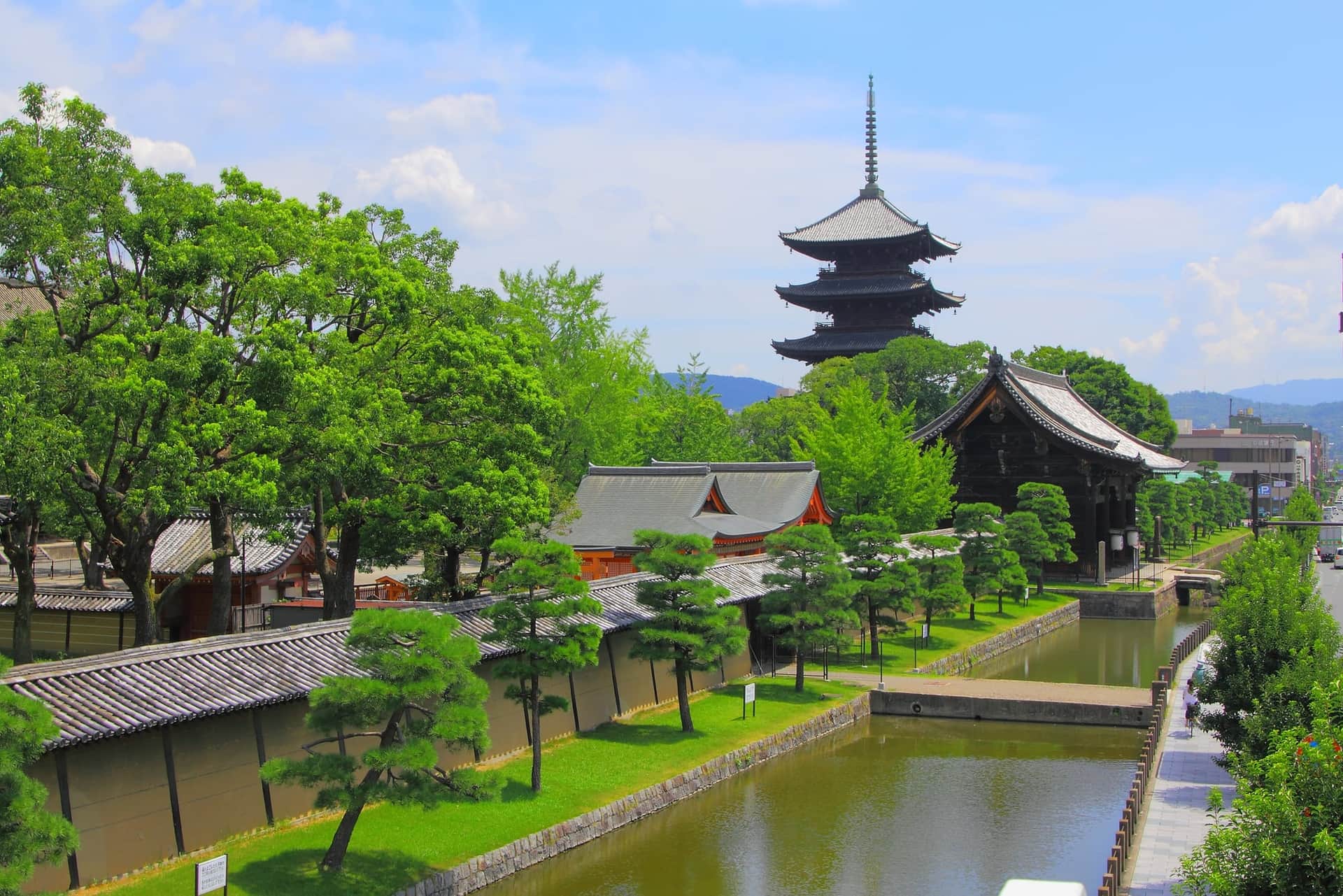
Nishi Hongan-ji
ShimogyoNishi Hongan-ji in Kyoto is the main temple of the Jodo Shinshu Hongwanji-ha sect and one of the city’s two major Jōdo Shinshū complexes. Established at its current site in 1591, it traces back to the 14th century. Seven buildings are National Treasures, and the complex is a UNESCO World Heritage
Estimated visit · 60 minFree entry
More ways to explore Kyoto
Shorter, quieter, or deeper routes for your next trip.
 Pro
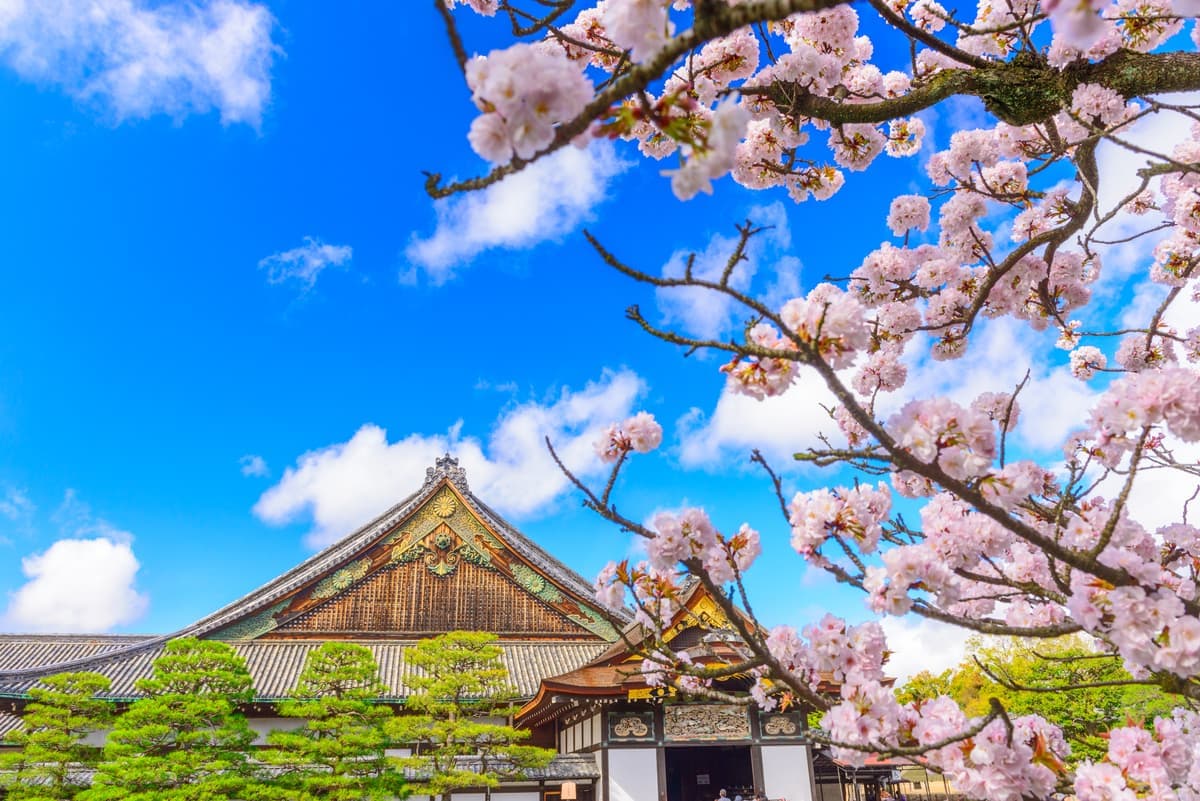
ProSeasonal Kyoto
A three-day Kyoto route tuned for seasonal beauty, pairing maple, blossom, and limited goshuin stops with classic temple areas.
- 3 days
- 10 stops
- Kyoto
 Pro
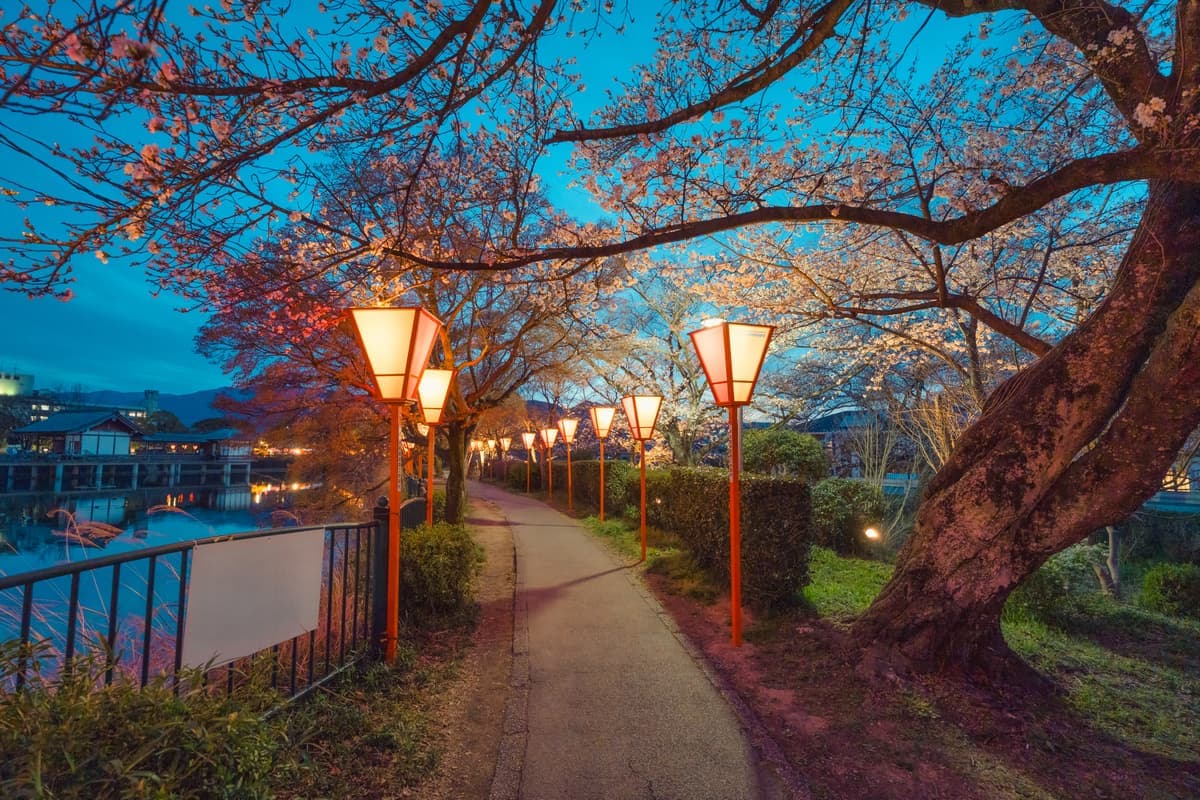
ProHidden Kyoto
A two-day Kyoto route for temples away from the most crowded paths, with gentler pacing and a quieter goshuin collecting mood.
- 2 days
- 9 stops
- Kyoto
 Pro
ProKyoto Deep Dive
A four-day Kyoto deep dive through quieter temple districts, giving collectors more space, slower moments, and less crowded goshuin stops.
- 4 days
- 17 stops
- Kyoto
Higashiyama First
A compact first-timer route through Kyoto's eastern temple district, built around memorable goshuin stops and a simple walking flow.
- 1 day
- 5 stops
- Higashiyama