
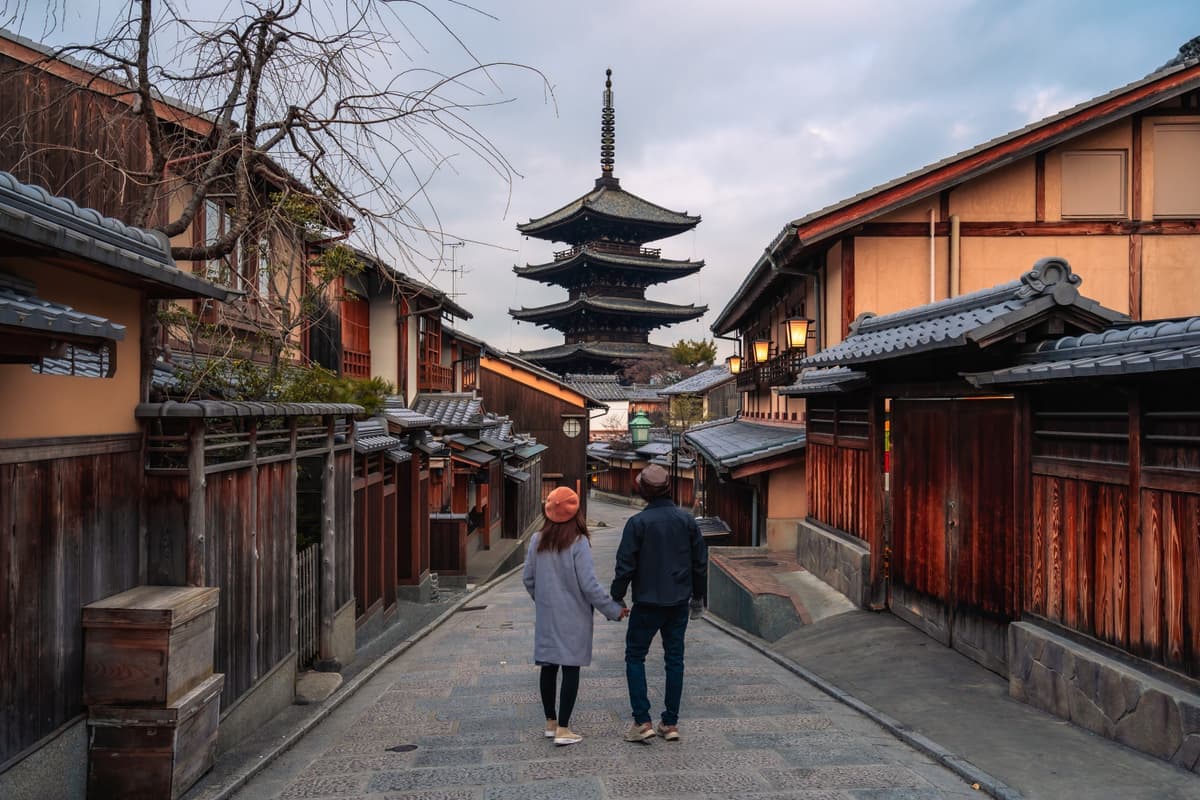
Higashiyama First
A compact first-timer route through Kyoto's eastern temple district, built around memorable goshuin stops and a simple walking flow.
- 1 day
- 5 stops
- Higashiyama, Kyoto
About this journey
A classic Higashiyama walking route for temples, lanes, and goshuin without leaving east Kyoto.
Day-by-day itinerary
Kiyomizu to Chion-in
- 5 stops
- about 255 min including visits
Kiyomizu-dera
HigashiyamaPerched dramatically on the forested slopes of Otowa-san (Mount Otowa) in eastern Kyoto, Kiyomizu-dera has been drawing pilgrims, poets, and seekers of the sacred for more than twelve centuries. The moment its iconic wooden stage comes into view above the treetops, it becomes clear why. This is not merely a temple. It is one of Japan's most direct encounters with faith, nature, and architectural nerve, where the ancient and the living sit together so closely that even first-time visitors feel they have arrived somewhere familiar. Historical Foundations The story of Kiyomizu-dera begins in 778 CE, predating the very city it has come to define. This places the temple among an unusually small group, alongside Kōryū-ji and Kurama-dera, of Kyoto institutions that existed before Heian-kyō was established as the imperial capital in 794 CE. The founding therefore comes before the city's own imperial foundations, giving it a spiritual weight later construction could not create. Over more than 1,250 years, the complex has been shaped by fire, reconstruction, patronage, and devotion, building up layer after layer across its broad hillside precinct. Today, the grounds include 15 structures, among them designated National Treasures and Important Cultural Properties, each one a physical record of the centuries that have passed over these slopes. Architectural Mastery The architectural achievement that defines Kiyomizu-dera is its celebrated main hall (hondō), which projects outward from the mountainside on a platform supported by 139 pillars of keyaki (Japanese zelkova) timber, assembled entirely without a single nail. This steep, wooden stage projects over the valley below, and it rewards close inspection. The construction technique, known as "kakezukuri" or hanging-style architecture, is among the most sophisticated examples of traditional Japanese carpentry. It is engineered to flex and absorb the stresses of the steep terrain while supporting the hall's weight and the thousands of visitors who have walked its boards across the centuries. The complex is formally known as Otowa-san Kiyomizu-dera, and its 15 structures spread across the precinct of Higashiyama offer a broad survey of classical Japanese religious architecture across multiple historical periods, from the
Estimated visit · 90 minAdult entry · ¥50018 have visited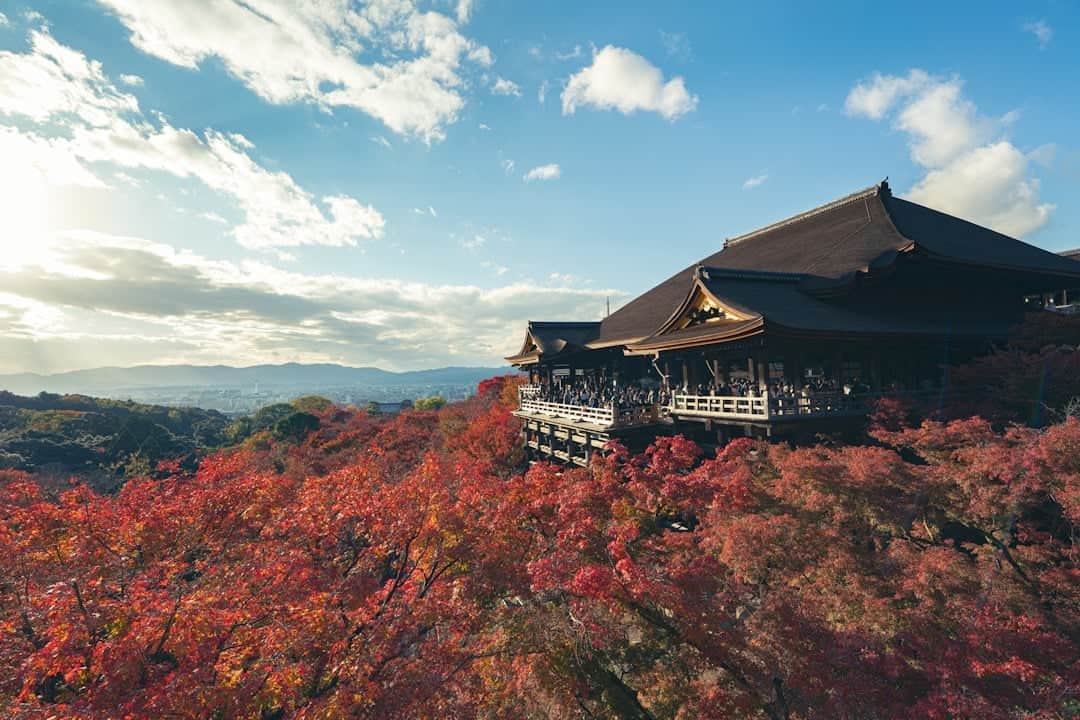
Hokan-ji
HigashiyamaHōkan-ji is a Buddhist temple in Kyoto’s Higashiyama district, best known for its iconic five-story Yasaka Pagoda. Dating to the 7th century and rebuilt in 1440, it is a major landmark and tourist attraction near Gion and Kiyomizu-dera.
Estimated visit · 30 min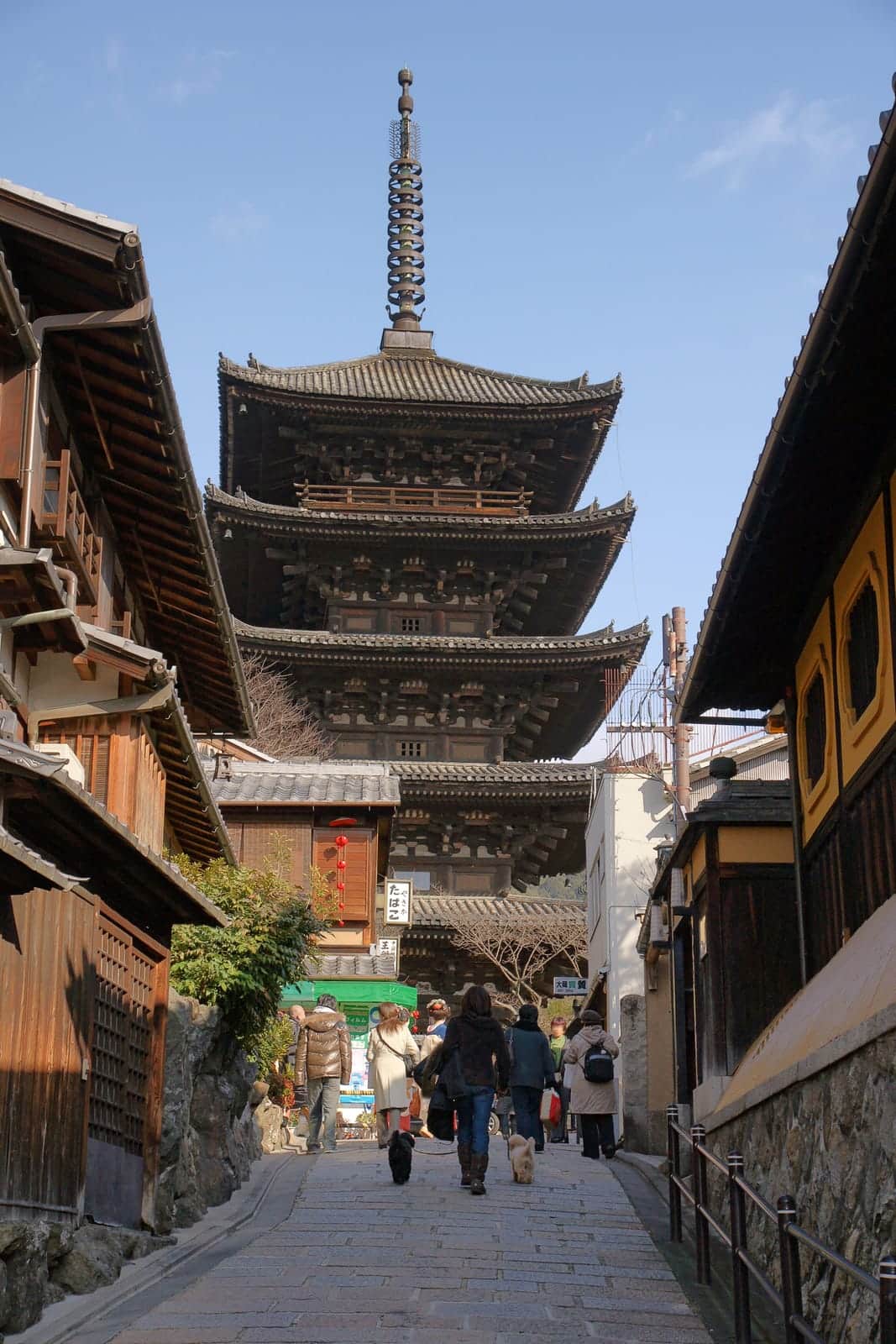
- Transfer
about 20 min
Kodai-ji
HigashiyamaFounded in 1606 by Nene in memory of Toyotomi Hideyoshi, this Rinzai Zen temple features stunning Momoyama-period lacquerwork, gardens designed by Kobori Enshū, and seasonal illuminations. The grounds include historic teahouses, a bamboo grove, and a mausoleum.
Estimated visit · 45 minAdult entry · ¥6006 have visited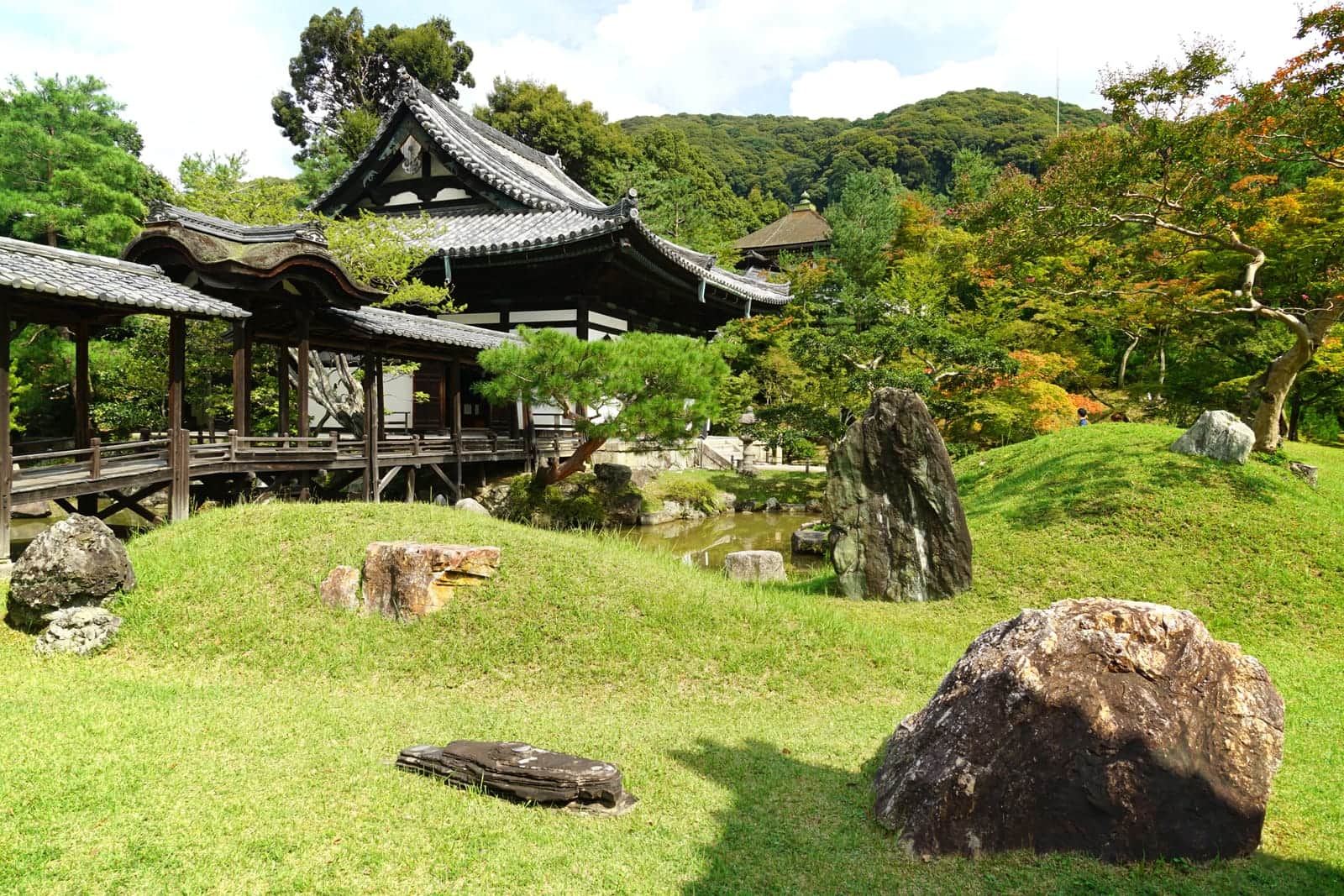
Yasaka Jinja
HigashiyamaAt night, Yasaka Jinja becomes a constellation of warm lantern light at the eastern end of Shijo Street, where Kyoto’s Gion district meets Maruyama Park. The glow reveals a shrine that has watched over this part of the city for more than 1,300 years, while its open grounds remain woven into ordinary local life. Known historically as Gion-sha, the shrine is dedicated chiefly to Susanoo-no-Mikoto, a powerful deity associated with storms, the sea, protection, and the control of disease. It is also inseparable from Gion Matsuri, Kyoto’s best-known traditional festival. Visit during the day for its vermilion gate and busy approach, then return after dusk, when the lanterns, darkened roofs, and surrounding streets create one of Kyoto’s most atmospheric encounters with living religious tradition. Historical Foundations Tradition places the shrine’s foundation in 656, several decades before Kyoto became Japan’s imperial capital. At that time, the settlement that would become Kyoto was still developing, and the sacred site occupied an important position east of the future city center. Its early identity reflected the close relationship between Buddhism and Shinto in premodern Japan. The principal deity was associated with Gozu Tennō, a protective yet fearsome figure believed to have power over epidemics and other calamities. This history explains why the shrine became linked to public protection as well as personal prayer. In 869, Kyoto suffered a devastating outbreak of plague. The imperial court ordered a special rite at Gion-sha to calm dangerous forces and cleanse the city. According to tradition, sixty-six decorated halberds, representing the country’s provinces, were carried through the streets. The ceremony developed into Gion Matsuri, which has continued, with interruptions, for more than a millennium. The neighborhood grew around the shrine. Gion began as a monzen-machi, a settlement established to serve pilgrims, worshippers, travelers, and performers visiting the sacred precinct. The shrine therefore shaped not only religious practice but also the urban character of eastern Kyoto. Its influence extended into commerce, entertainment, seasonal observances, and community identity. A major transformation came after the Meiji Restoration. In 1868, the government required the formal separation of Buddhism and Shinto. The institution, previously known as Gion-sha or Kanshin-in, was renamed Yasaka Jinja and reorganized as a Shinto shrine. The change altered its official religious structure, but older layers of belief remain visible in its history, festivals, and associations. Architectural Mastery The approach is marked by the vivid Nishi-romon, or West Gate, whose vermilion columns and elevated form make it one of Kyoto’s most recognizable shrine entrances. It faces the city and functions almost like a ceremonial threshold between the movement of Shijo-dori and the more inward atmosphere of the sacred grounds. The gate’s strong color, dark roof, and substantial timber framing are especially striking against the changing light of the day. Within the precinct stands the Honden, or main sanctuary, together with the large Buden, commonly described as an offering or dance hall. The Buden is particularly memorable for its rows of paper lanterns, many bearing the names of businesses, families, and supporters. When the lanterns are illuminated in the evening, the building takes on a gentle, human scale. The light does not erase the structure’s form. Instead, it outlines the eaves, timber surfaces, and open spaces around the hall. The grounds also include a Noh stage, a reminder that sacred precincts have long served as settings for performance, offering, and community ceremony. Noh and other traditional arts were not simply entertainment in this context. They could function as acts of dedication, presenting music, dance, and drama before the enshrined deities. The architecture works through contrast. Vermilion gates announce the shrine to the city, while the inner buildings offer darker wood, roof shadow, and patterned lantern light. This combination gives Yasaka Jinja a distinctive visual presence, particularly after sunset. Religious and Cultural Significance The central deity is Susanoo-no-Mikoto, known in Japanese mythology as a powerful and unpredictable figure. At Yasaka Jinja, he is approached as a protector, especially in relation to illness, misfortune, and communal danger. His presence is accompanied by that of his wife and children, creating a divine family associated with protection and well-being. The older connection with Gozu Tennō reveals how Japanese religious life historically brought different traditions together. Before the modern separation of faiths, deities and sacred figures could be understood through both Shinto and Buddhist frameworks. Yasaka’s identity was shaped by this shared religious world, even though its official status is now distinctly Shinto. The shrine’s greatest public expression is Gion Matsuri. Its origins are traced to the 869 purification rite, while the modern festival unfolds across July through processions, ceremonies, decorated floats, and neighborhood observances. The enormous festival floats are assembled and displayed in Kyoto’s streets, and the main processions transform the city into a ceremonial landscape. Yasaka Jinja remains the spiritual center of these events, making a visit especially meaningful during the festival season. On New Year’s Eve, the shrine hosts Okera Mairi, an old ritual in which visitors take fire from a sacred flame using a rope associated with medicinal herbs. Participants traditionally keep the rope alight as they carry it home, turning and swinging it so the flame will not go out. The practice joins hopes for health and protection with the renewal of the calendar. Natural Setting and Urban Landscape Yasaka Jinja occupies a rare position between central Kyoto’s streets and the wooded slopes and open spaces of Higashiyama. To the east, the grounds connect naturally with Maruyama Park, one of Kyoto’s best-known public landscapes. The transition from paved city streets to trees, gardens, and shrine buildings is gradual rather than abrupt. Seasonal changes strongly affect the experience. In autumn, visitors encounter softer light and warm foliage around the shrine and park. In spring, the surrounding park becomes part of Kyoto’s celebrated blossom landscape. At night, the lanterns provide the dominant impression, while the darker trees and rooflines create a quiet frame around the illuminated buildings. Visitor Experience and Heritage The shrine is freely accessible and remains both a major landmark and an active place of worship. Visitors can pass beneath the Nishi-romon, explore the lantern-lined grounds, observe worshippers at the main sanctuary, and encounter seasonal ceremonies. Photography is permitted, although religious services and private rituals should be approached respectfully. Practical access is straightforward. Gion-Shijo Station on the Keihan Main Line is about 370 meters, or roughly a four-minute walk, away. Higashiyama Station on the Kyoto Metro Tozai Line is approximately 378 meters, around a five-minute walk. The shrine offers omamori amulets, ema votive tablets, and commemorative stamps, allowing visitors to participate in familiar forms of Japanese shrine practice. Allow time to visit twice if possible. Daylight reveals the gate, roofs, timberwork, and relationship with Gion. After dusk, the paper lanterns transform the same space. A traditional wedding may take place, local residents may stop for prayer, and small shops around the nearby park may remain active. That mixture of ceremony and everyday life is central to Yasaka Jinja’s character. It is not merely a surviving monument from Kyoto’s past. It continues to serve as a place of protection, festival, memory, and community at the meeting point of the old city and the present one.
Estimated visit · 45 minFree entry12 have visited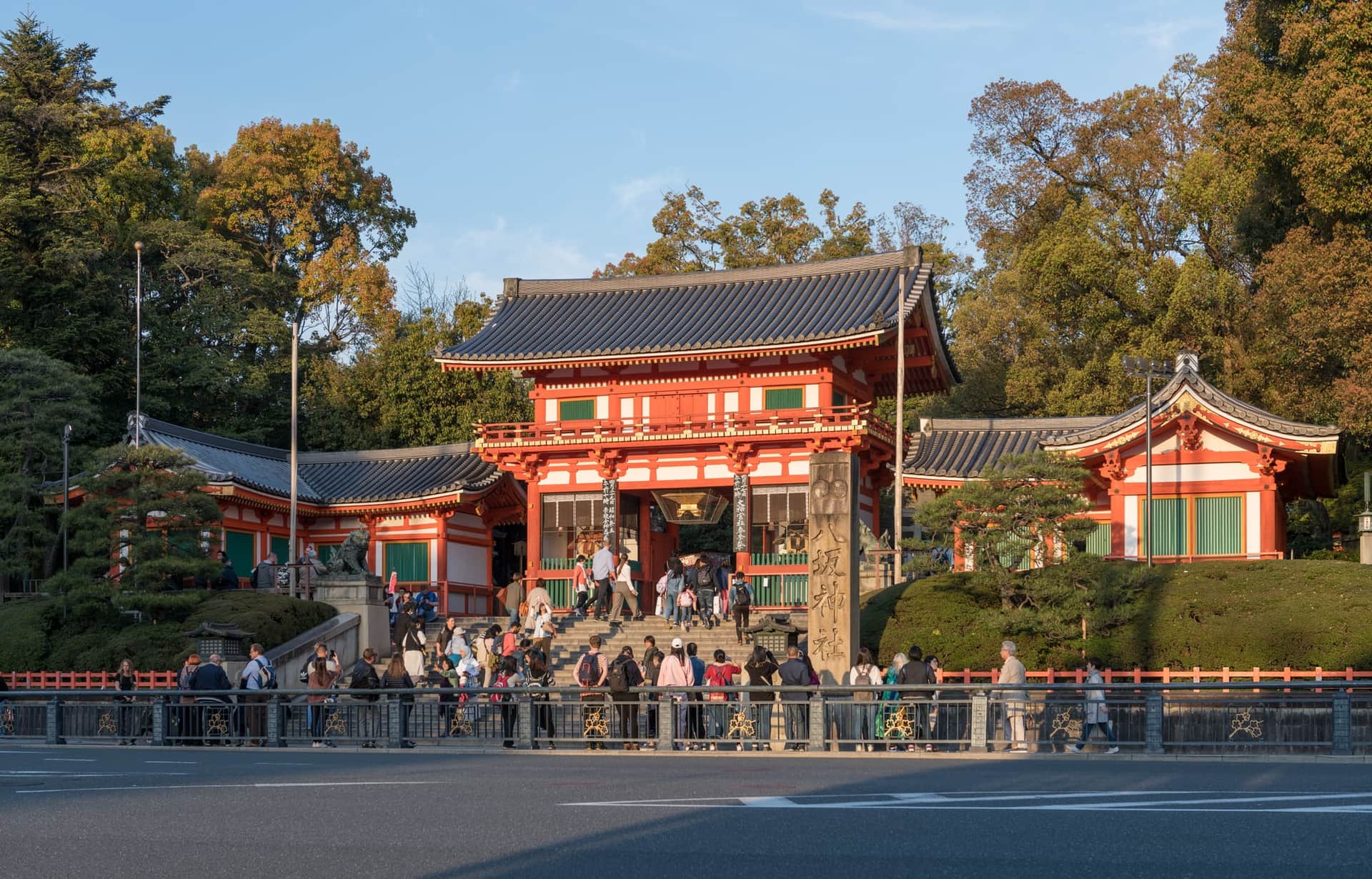
- Transfer
about 20 min
Chion-in
HigashiyamaChion-in is the head temple of the Jodo Shu branch of Japanese Buddhism in Kyoto’s Higashiyama district. Closely linked to founder Honen, it is known for its vast grounds, monumental Sanmon gate, historic halls, and peaceful gardens open to visitors.
Estimated visit · 45 minFree grounds · paid areas from ¥300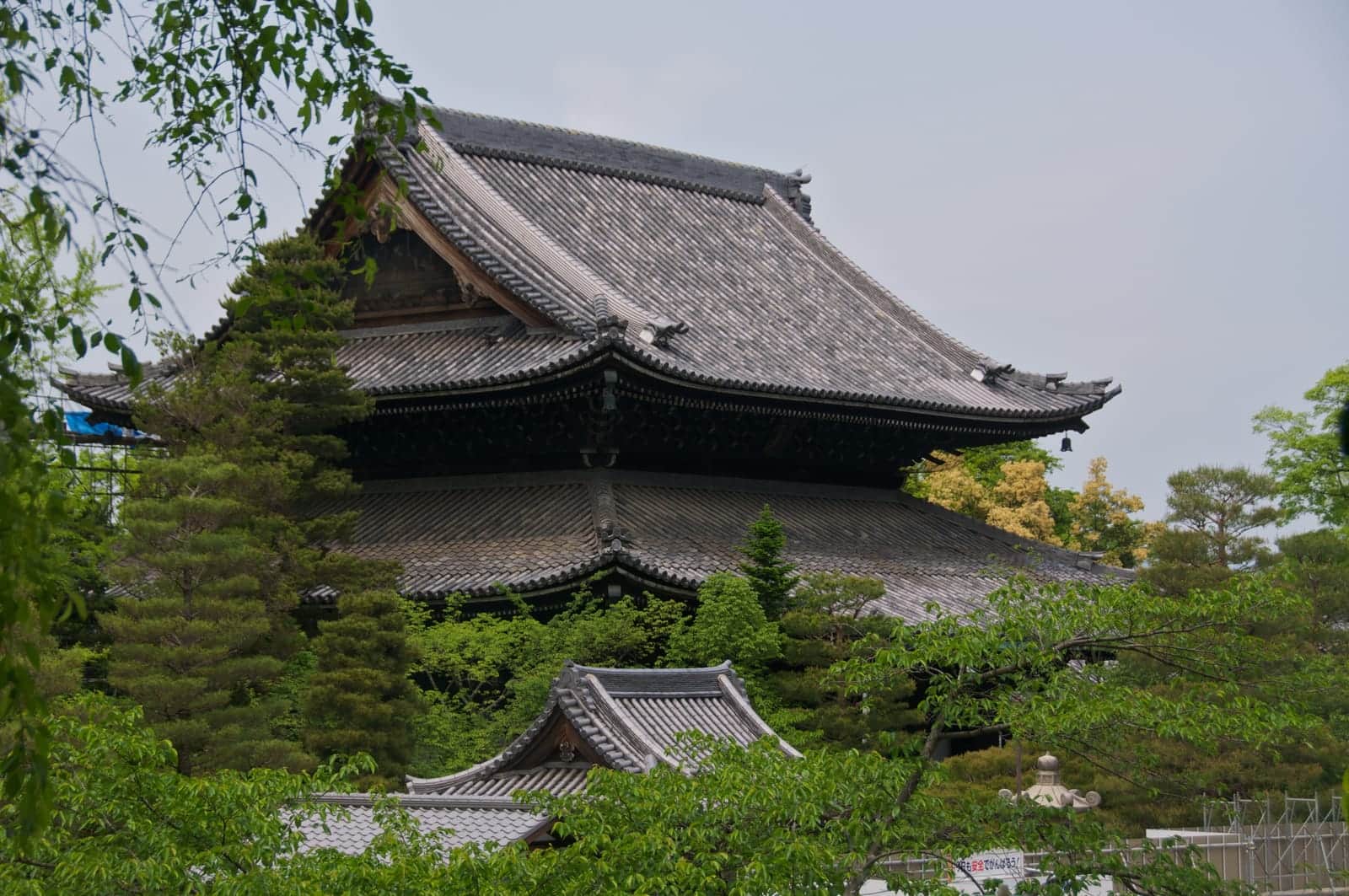
More ways to explore Higashiyama
Shorter, quieter, or deeper routes for your next trip.
Kyoto Essentials
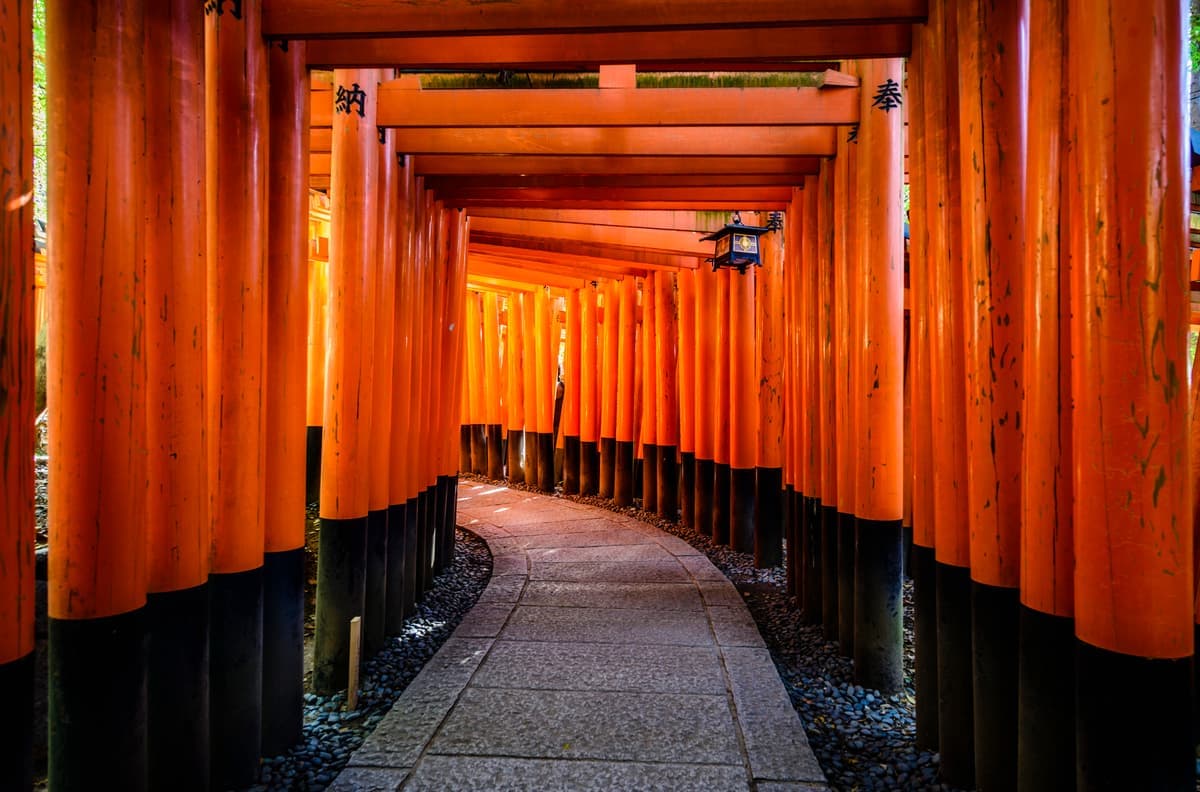
A three-day Kyoto route through Fushimi, Higashiyama, and classic goshuin districts, with enough structure for first visits and room to linger.
- 3 days
- 11 stops
- Kyoto
 Pro
ProHidden Kyoto
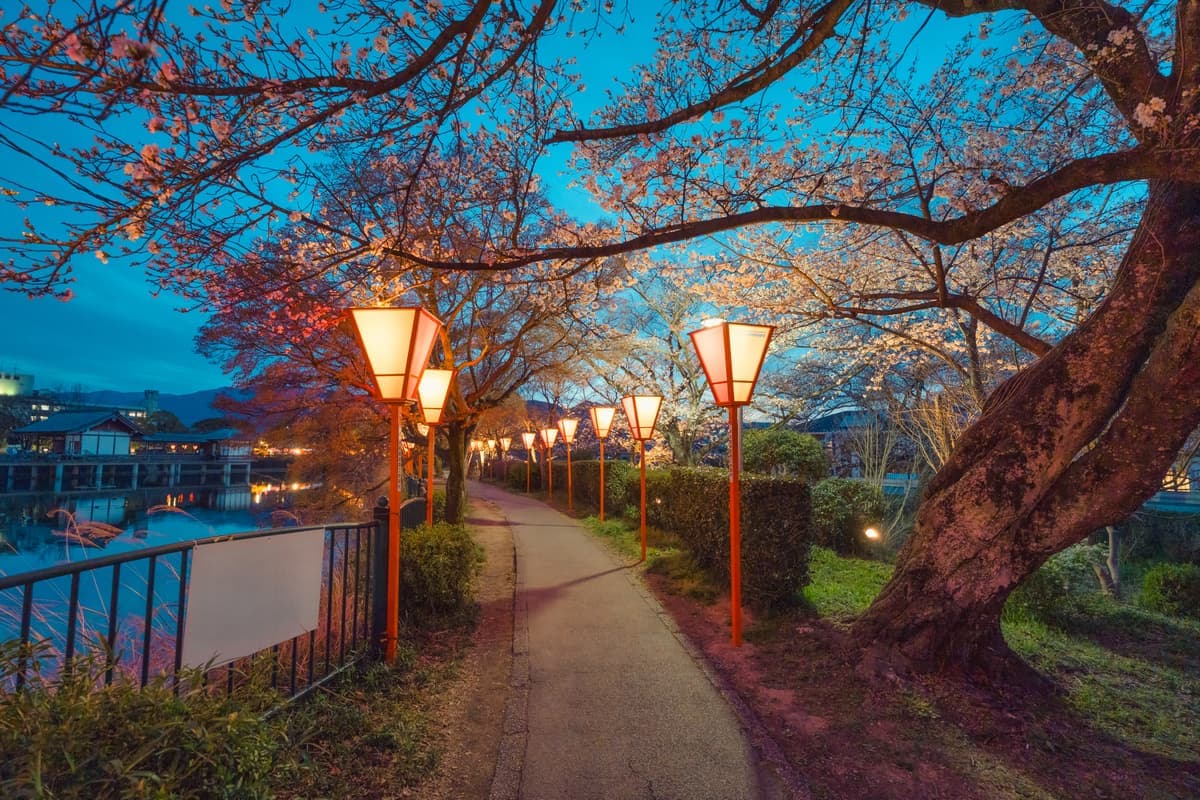
A two-day Kyoto route for temples away from the most crowded paths, with gentler pacing and a quieter goshuin collecting mood.
- 2 days
- 9 stops
- Kyoto
 Pro
ProSeasonal Kyoto
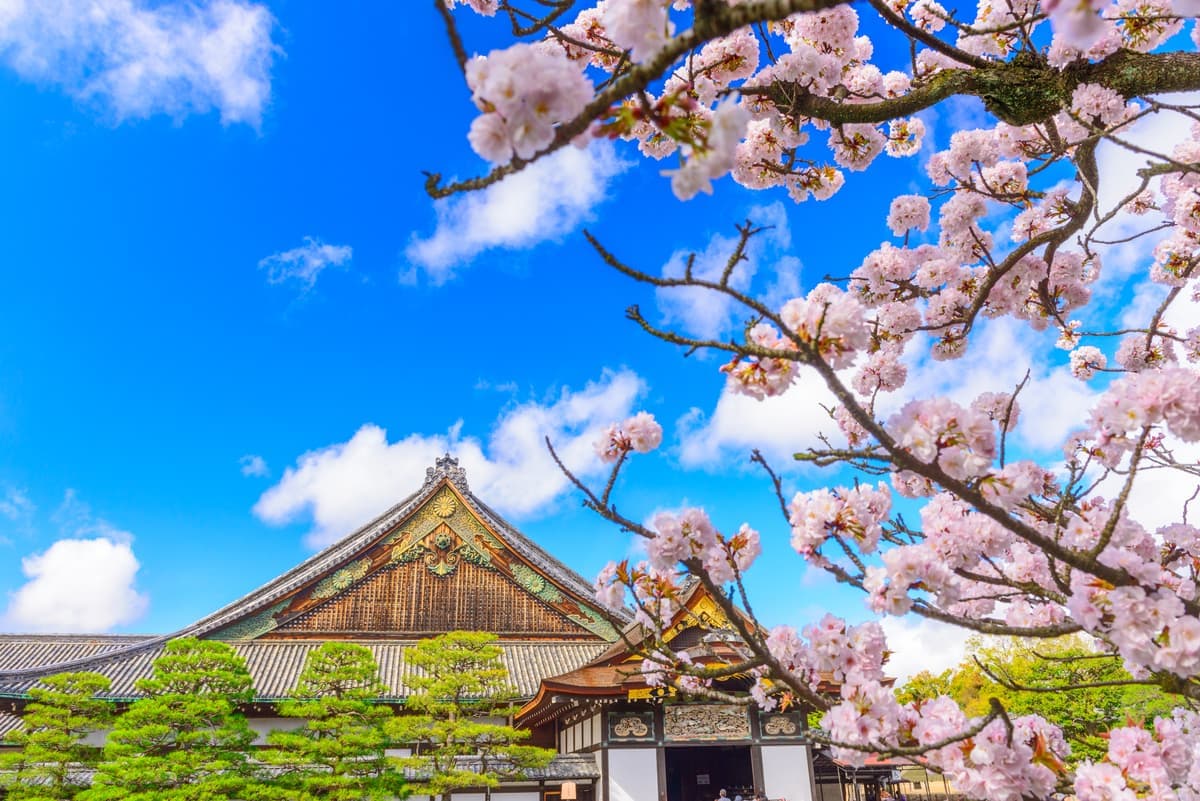
A three-day Kyoto route tuned for seasonal beauty, pairing maple, blossom, and limited goshuin stops with classic temple areas.
- 3 days
- 10 stops
- Kyoto
 Pro
ProKyoto Deep Dive
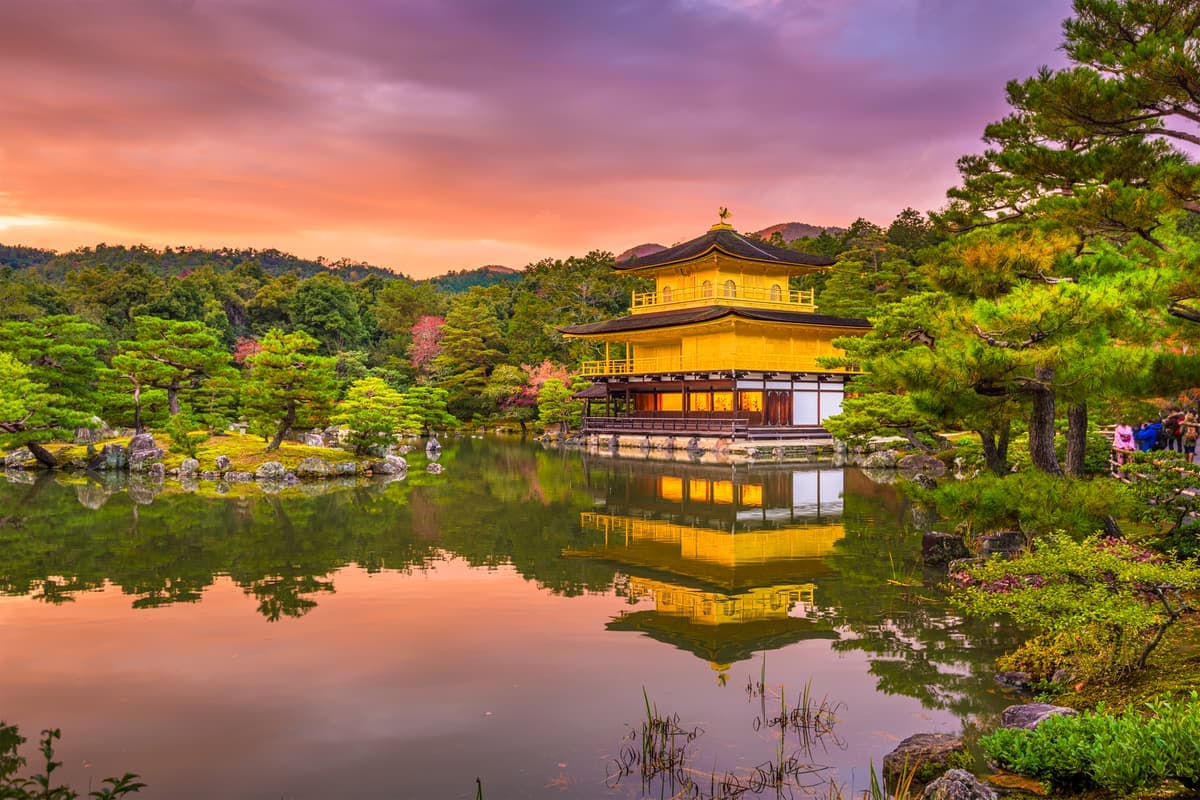
A four-day Kyoto deep dive through quieter temple districts, giving collectors more space, slower moments, and less crowded goshuin stops.
- 4 days
- 17 stops
- Kyoto